


Freeze Dryer vs. Dehydrator: Which One Fits Your Harvest Plan?
Compare freeze drying and dehydrating by food type, shelf-life potential, texture, batch size, upkeep, and day-to-day use so you can pick the setup that fits your kitchen and storage goals.
Quick Take: Which one fits your setup?
-
Choose a freeze dryer when
You want longer-term storage, plan to preserve meals or larger harvests, and need food that rehydrates closer to its original shape and texture.
-
Choose a dehydrator when
You want a smaller entry point for fruit, herbs, jerky, and simple snack prep with less equipment and a lower upfront spend.
-
Look deeper before buying when
You are still deciding around batch size, kitchen space, packaging needs, or upkeep. In that case, it helps to compare machine sizes, supplies, and how often you plan to run it.
If you're trying to decide between a freeze dryer and a dehydrator, the right pick usually comes down to what you grow, how long you want to store it, and how far you want to go with food preservation. A dehydrator is a simpler way to dry fruit, herbs, jerky, and snack foods. A freeze dryer is the bigger step for folks who want to store full meals, garden harvests, meats, and more for the long haul. Both have a place. The trick is knowing what each one does best before you make room on the counter or in the pantry.
Product comparison
|
|
|
|---|---|---|
| Feature | ||
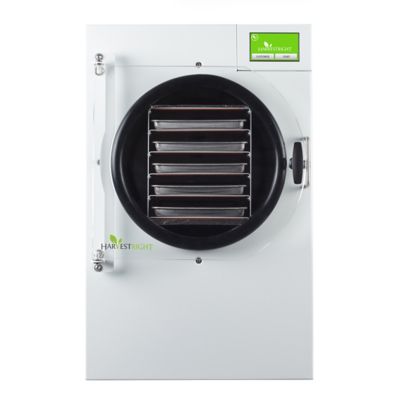
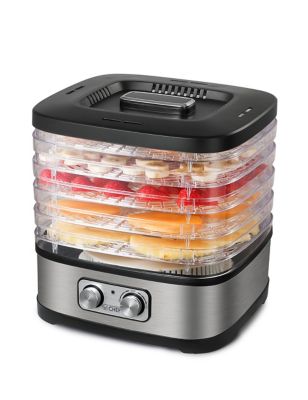
| Product type | Home freeze dryer with vacuum pump and starter kit | Countertop food dehydrator with adjustable trays |
| How it removes moisture | Freezes food and removes moisture under vacuum | Uses heated airflow to dry food |
| Best fit for | Garden harvests, meals, leftovers, meats, fruits, vegetables, and long-term pantry planning | Fruit slices, herbs, jerky, vegetables, and snack-style drying |
| Food texture after processing | Lighter and closer to original shape once rehydrated | Chewier, denser, or crisp depending on food and drying time |
| Shelf-life direction | Built for much longer storage when packaged right | Good for shorter pantry storage compared with freeze drying |
| Batch size on the featured model | 11-13 lb. per batch | 5 adjustable trays for smaller drying runs |
| Included to get started | Premier vacuum pump, 5 stainless steel trays, oil filter, 50 Mylar bags, 50 oxygen absorbers, bag sealer, guide, and manual | 5 removable dishwasher-safe trays |
| Packaging needs after processing | Often paired with Mylar bags and oxygen absorbers for storage | Usually stored in jars, containers, or bags depending on use |
| Upkeep | More involved, including pump-related upkeep | Simpler day-to-day cleanup |
| Machine size and commitment | Larger investment for a bigger food-storage plan | Smaller step for routine kitchen drying |
| Power and controls | Automatic home freeze drying system | 95 degrees F to 158 degrees F adjustable temperature range with mechanical switch |
| Shorthand fit | Best when you are putting away more of the harvest for the long haul | Best when you want simple drying jobs without a bigger preservation setup |
Storage results depend on food type, prep, packaging, and handling after processing.
What is the real difference between freeze drying and dehydrating?
A dehydrator removes moisture with steady heat and airflow. That makes it a solid fit for sliced fruit, herbs, jerky, mushrooms, and other foods that dry down well. The finished food is lighter and shelf-stable when stored the right way, but it usually comes out chewier, denser, or more leathery than it started.
A freeze dryer works differently. It freezes food first, then pulls moisture out under vacuum. That process is what makes freeze drying stand apart for folks storing garden produce, cooked meals, meats, and ingredients they want to keep on hand much longer. The food usually keeps its shape better and comes back closer to the original once water is added.
Why a freeze dryer makes sense for deeper food storage
If your goal is year-round harvest storage, a freeze dryer is the stronger tool. It is built for folks who are putting away more than fruit snacks or jerky. Think peak-season berries, sweet corn, chopped peppers, full meal trays, leftovers, or meat from the freezer that you want to preserve instead of lose.
The Harvest Right 5-Tray Medium White Freeze Dryer with Premier Pump & Mylar Starter Kit shows what that category looks like at Tractor Supply. It comes with five stainless steel trays, a premier vacuum pump, oil filter, Mylar bags, oxygen absorbers, and a bag sealer to help you get started. It is designed for home users who want to preserve 11 to 13 lb. per batch and build a bigger storage plan around garden output, meal prep, or pantry backup. If you want a wider look at the category, see Home Freeze Drying for Food Storage.
Why a dehydrator still earns its spot
A dehydrator is still a handy tool, especially if you want to dry smaller batches more often. It works well for apple slices, banana chips, herbs from the garden, mushrooms, peppers, and jerky. It is also a practical pick when you want less machine setup and less packaging complexity after the food is done.
At Tractor Supply, shoppers can go simple with the Commercial CHEF Food Dehydrator with 5 Adjustable Height Trays or step up to a roomier digital model like the Ivation 600W 6-Tray Food Dehydrator with Digital Timer and Temperature Control, Stainless Steel. Those units are a better fit when your plan is everyday drying, not long-haul pantry building.
How to choose based on your harvest and routine
Start with your food list. If you mainly want herbs, fruit slices, and jerky, a dehydrator is often enough. If you want to store strawberries, corn, eggs, cooked meals, soups, meats, or mixed harvest loads for much longer stretches, a freeze dryer usually lines up better with that goal.
Then think about the whole process, not just the machine. Freeze drying often goes hand in hand with packaging supplies, oxygen absorbers, tray accessories, and pump upkeep. Dehydrating is simpler, but the food outcome is different. If you want the step-by-step process, visit How to Freeze Dry Food at Home. For storage supplies after the batch is done, see Freeze-Dried Food Storage And Packaging and Freeze Dryer Accessories and Supplies.
Bottom line
A dehydrator is the easier starting point for simple drying jobs. A freeze dryer is the bigger commitment for folks building a serious harvest-storage setup at home. Neither one replaces the other outright. They just solve different problems.
If you're mainly after shelf-stable snacks and jerky, go dehydrator. If you're trying to put away a season's worth of produce, leftovers, and meal components with a stronger long-term storage angle, lean freeze dryer.
Freeze Dryers
For folks putting away bigger harvests, meals, and longer-term pantry stock.
Food Dehydrators
A simpler way to dry fruit, herbs, jerky, and everyday snack batches.
Tips for choosing between a freeze dryer and dehydrator
-
Make your first decision around food type, not machine hype.
-
If your main goal is harvest storage across seasons, lean toward freeze drying.
-
If your main goal is fruit snacks, herbs, and jerky, a dehydrator may cover what you need.
-
Think through where the machine will live before you buy. Counter space and storage room matter.
-
Do not forget the after-batch side of the job. Packaging and storage supplies are part of the plan with freeze drying.
-
Estimate how much produce hits your kitchen at peak harvest, not just what you handle on average.
-
If you are new to freeze drying, read the process guide first so the full workflow does not catch you off guard.
-
Keep one machine for what it does best instead of expecting one setup to do every preservation job the same way.
Frequently asked questions
It depends on what you are trying to store. A freeze dryer is the stronger choice for longer-term food storage, meals, and larger harvest preservation. A dehydrator is the simpler choice for fruit, herbs, jerky, and everyday drying.
Dehydrators are often a good match for apple slices, bananas, herbs, mushrooms, peppers, and jerky. They do well with foods that can handle warm airflow and come out dried rather than rehydrated later into a meal-style texture.
Freeze drying is often chosen for berries, vegetables, cooked meals, leftovers, meats, and mixed harvest batches. It is a strong option when you want to store more types of food and keep them on hand for a longer stretch.
Yes. In most home setups, a freeze dryer calls for more attention to accessories, packaging, and pump upkeep. A dehydrator is usually simpler to run and clean.
Most folks do. Freeze-dried food is commonly packed with Mylar bags and oxygen absorbers to support long storage. Some freeze dryer kits, including featured Harvest Right models at Tractor Supply, come with starter supplies.
Yes. That is a common path. A dehydrator lets you start with simpler jobs like herbs, fruit, and jerky. If you later want to preserve more of your harvest or store full meals, a freeze dryer can be the next step.
Start with how much food you expect to preserve in a busy harvest week, not just on a slow month.
A good place to start is the Home Freeze Dryer Buying Guide. You can also read Home Freeze Drying for Food Storage.