


Cargo Securement for Trucks and Trailers
Whether you're hauling equipment to the pasture or bringing supplies home, securing the load comes before hitting the road. Find cargo securement equipment at Tractor Supply, including tie-downs, transport chains, load restraints and attachment hardware. Start with your cargo's weight and shape, then check your truck or trailer's anchor points so each part of your setup fits the job.
Shop 10 Collections
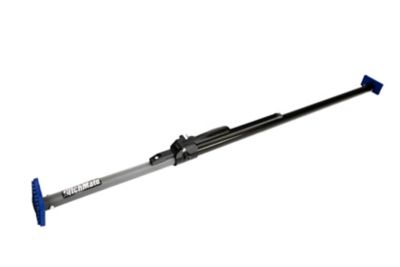
HitchMate
HitchMate 59 in. - 73 in. Adjustable Cargo Stabilizer Bar for Full-Size Trucks
A heavy-duty HitchMate Cargo Stabilizer Bar for full-size trucks, adjustable from 59-73 inches, quickly secures any load.
What customers like:
Good fit for full-size trucks
Easy to use
Sturdy construction
Well-made product
High quality materials
$49.99
$49.99
SALE
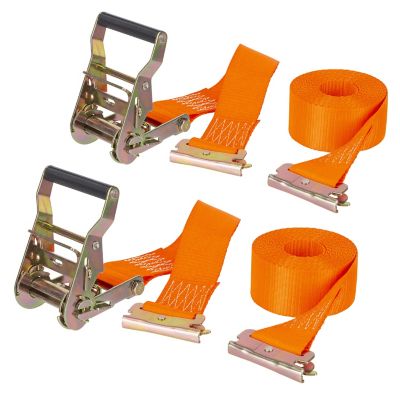
CargoSmart
CargoSmart 16 ft. X-Track Ratchet Straps, 1,000 lb., Orange, 2 pk.
A vibrant orange ratchet strap with a 1,000 lb. working load and 3,000 lb. breaking strength.
What customers like:
Reliable and well-made
Durable and strong
Secure for heavy loads
Easy to use
Vibrant safety color
$34.99
$34.99
SALE
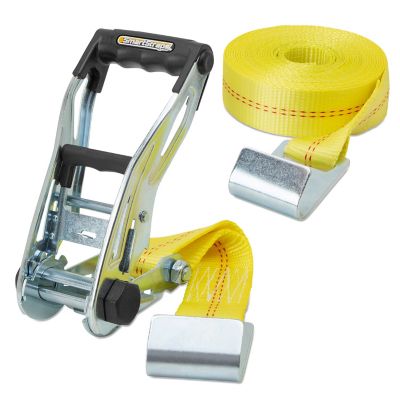
SmartStraps
SmartStraps 2 in. x 27 ft. Ratchet Tie Down Strap with Flat Hook, 3,333 lb., Yellow
A yellow ratchet tie down strap with flat hook for securing heavy loads up to 10,000 lb.
$24.99
$24.99
SALE
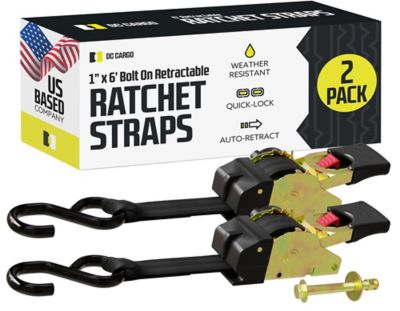
DC Cargo
DC Cargo 1 in. x 6 ft. Bolt-On Auto-Retract Ratchet Strap with S-Hook, 2-Pack
A retractable tie down strap set with a push-button release for easy cargo securing and unloading.
$19.99
$19.99
SALE
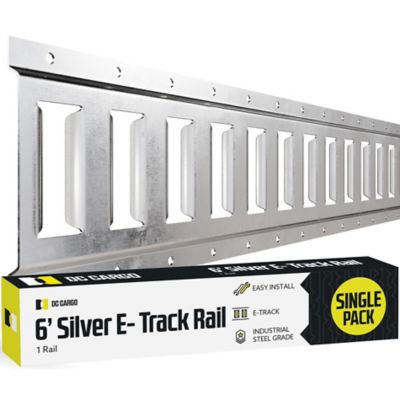
DC Cargo
DC Cargo Galvanized E-Track Rail, Horizontal, 6 ft.
A galvanized steel E-Track rail system with multiple tie-down points for secure hauling of vehicles and equipment.
$24.99
$22.49
SALE
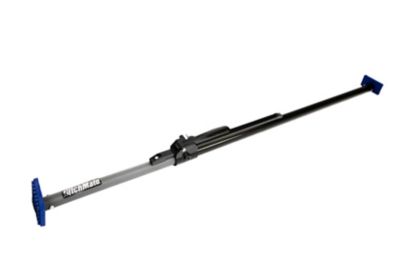
HitchMate
HitchMate 50-65 in. Adjustable Cargo Stabilizer Bar for Compact Trucks
A black, heavy-duty ratcheting cargo stabilizer bar with rubber feet adjusts tool-free for compact truck beds.
$49.99
$49.99
SALE
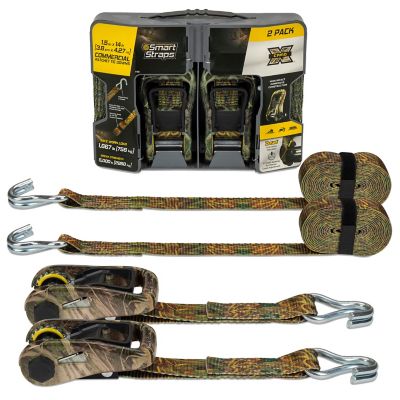
SmartStraps
SmartStraps 1.5 in. x 14 ft. CamoX Ratchet Tie Down Straps, 1,667 lb., 2 pk.
A pack of 2 14 ft. camo ratchet tie down straps with a 5,000 lbs break strength for heavy loads.
$34.99
$34.99
SALE
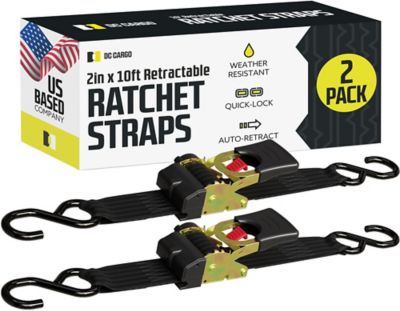
DC Cargo
DC Cargo 2 in. x 10 in. 1,100 lb. Capacity Auto-Retract Ratchet Straps with S-Hooks, 2-Pack
A 2-pack of retractable tie downs with steel ratcheting mechanism and vinyl-coated S-hooks for easy and secure cargo transport.
$37.99
$37.99
SALE
DC Cargo
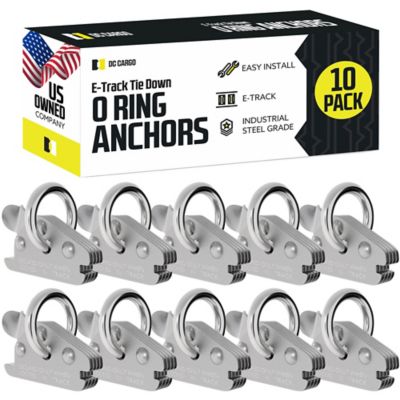
DC Cargo Heavy-Duty E-Track O-Rings, 10-Pack
A pack of 10 heavy-duty silver E-Track O-Rings made of rugged steel to secure cargo.
$34.99
$34.99
SALE

DC Cargo
DC Cargo E-Track Rope Tie-Offs, 2 x 6in., Yellow, 10 pk.
A pack of 10 yellow E-Track rope tie-offs with 1000 lb. WLL for securing cargo in tight spaces.
$24.99
$24.99
SALE
DC Cargo
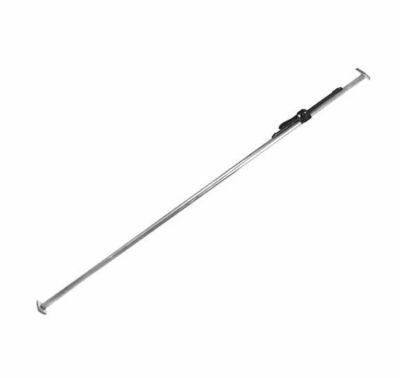
DC Cargo 89 x 104in. Adjustable Steel Cargo Bar, Ratcheting
A durable steel cargo bar with adjustable length and rubber pads for secure cargo securement.
$29.99
$29.99
SALE
Traveller
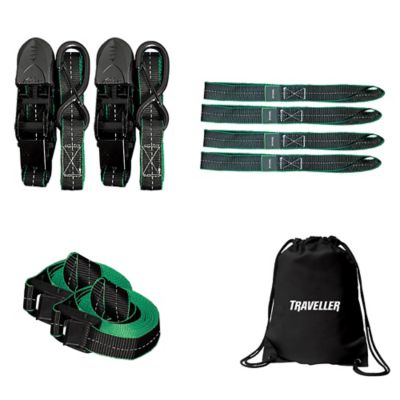
Traveller 8 pc. Tie-Down Strap Kit, 600 lb.
A versatile 8 Piece Tiedown Combo Pack with reflective straps and soft-ties for securing cargo.
$19.99
$19.99
SALE

DC Cargo
DC Cargo E-Track Cam Buckle Strap, 2 in. x 12 ft., Yellow
A durable yellow cargo strap with adjustable webbing lengths and easy-to-use cam buckle for securing loads.
$7.99
$7.99
SALE
DC Cargo
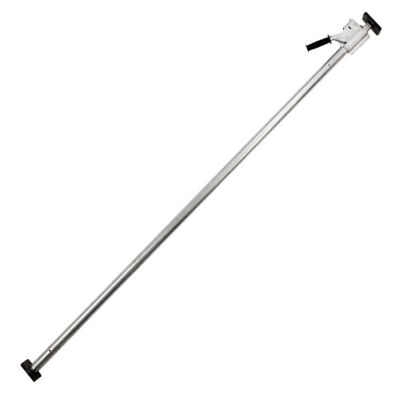
DC Cargo 86 x 104in. Adjustable Steel Cargo Bar, Jacking
A zinc coated steel cargo bar with adjustable length for secure and reliable cargo securement.
$46.99
$46.99
SALE
DC Cargo
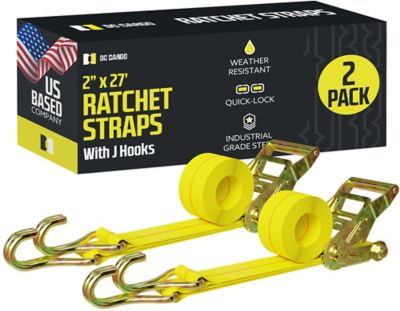
DC Cargo Flatbed Ratchet Strap with Double J Hooks, 2 in. x 27 ft., 2-Pack
A 2-pack of heavy-duty 2" polyester ratchet straps with wire J-hooks for secure cargo tie-down.
$27.99
$27.99
SALE
DC Cargo
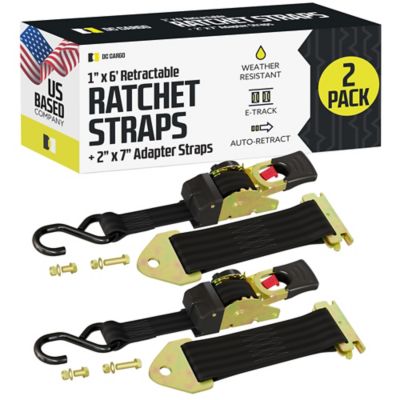
DC Cargo Bolt-On Auto-Retract Ratchet Strap with E-Track Adapter, 1 x 6ft., 2 pk.
A reliable and convenient strap that combines retractable features with E-Track for easy cargo tie-down.
$24.99
$24.99
SALE
DC Cargo
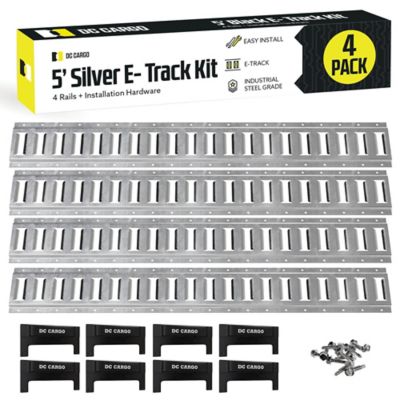
DC Cargo E-Track Rails and Installation and End Caps, Galvanized
A galvanized E-Track rail system with 5ft length, 30 slots, and 2,000lb load capacity.
$89.99
$89.99
SALE
DC Cargo
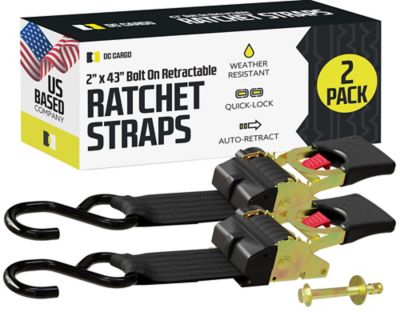
DC Cargo 2 in. x 43 in. 1,100 lb. Capacity Bolt-On Auto-Retract Ratchet Straps with S-Hook, 2-Pack
A retractable cargo strap with S-Hook design for easy and secure loading and unloading.
$35.99
$35.99
SALE
DC Cargo
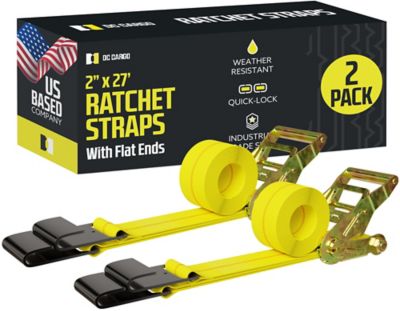
DC Cargo 2 in. x 27 ft. 3,335 lb. Capacity Flatbed Ratchet Straps with Flat Hooks, 2-Pack
A pack of heavy-duty 2" polyester ratchet straps with flat hooks for securing cargo loads.
$39.99
$39.99
SALE
DC Cargo
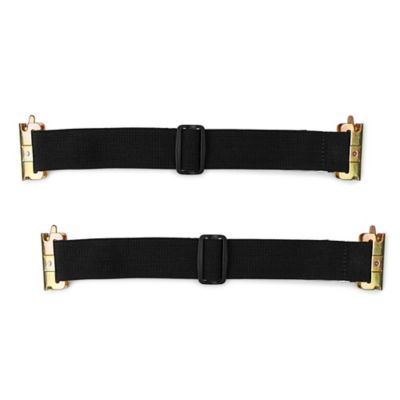
DC Cargo E-Track Bungee Strap, 2 in. x 12 in. - 22 in. 2 pk.
A black E-Track bungee strap that securely holds tools and equipment with adjustable length.
$7.99
$7.99
SALE
RoadPro
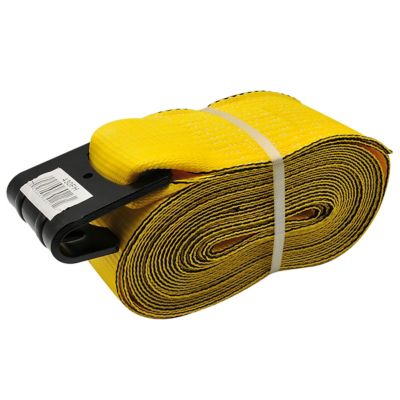
RoadPro 4 in. x 30 ft. Strap with Flat Hook
A durable 30 ft. cargo strap with 5400 lbs. WLL, ideal for securing valuable cargo.
$37.99
$34.19
SALE
DC Cargo
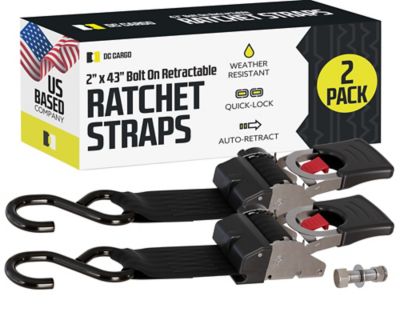
DC Cargo 2 in. x 43 in. 600 lb. Capacity Bolt-On Auto-Retract Ratchet Straps with S-Hook, Stainless Steel, 2-Pack
A retractable cargo strap with S-hook and stainless-steel body for easy and corrosion-free use.
$74.99
$74.99
SALE
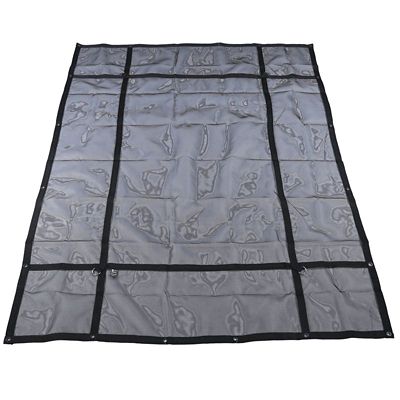
Bulldog Winch
Bulldog Winch Mesh Cargo Net 6 x 8 ft., perimeter stretch cord, 4 pc. Cam Straps
A 6x8' black mesh cargo net with perimeter stretch cord, cam straps, and storage bags.
$164.99
$164.99
SALE
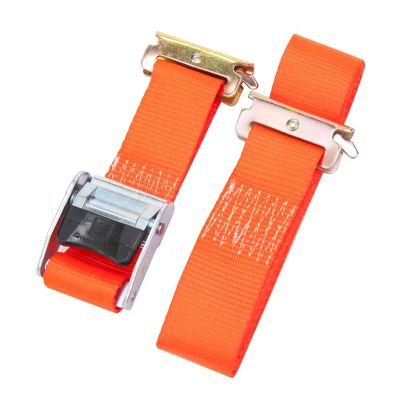
CargoSmart
CargoSmart 2 in. x 12 ft. Cambuckle Ratchet Tie Down Strap for E-Track and X-Track, 2,000 lb. Capacity
A high-visibility orange cambuckle tie down strap with a break strength of 2,000 lb for securing cargo in trailers.
$24.99
$24.99
SALE
FAQ
Hauling a bike? Start with motorcycle tie-down straps and follow the motorcycle manufacturer's attachment guidance. For equipment with designated chain attachment points, compare transport chain and binder kits. Match the system to the cargo, rated anchor points and required working load limits—not just the size of the vehicle.
Working load limit, or WLL, is the manufacturer's rated limit for normal service. Breaking strength is not a safe hauling limit. Check the ratings of straps, hooks, chains, binders and anchors; a higher-rated strap cannot make a lower-rated connection stronger. The number and capacity of tie-downs also depend on the load and securement arrangement.
Adjustable truck bed cargo bars can help brace items against sliding when properly fitted. Cargo nets for pickup truck beds help contain items within their stated limits. Measure your bed and check attachment requirements. Neither replaces rated tie-downs when the load calls for them.
Cam buckle straps tighten by pulling the webbing through the buckle, while ratchet mechanisms provide leverage to apply tension. Choose according to the load's securement needs and the strap's WLL. Avoid overtightening cargo that can bend, crush or compress.
Soft loop tie-down straps can provide a connection without placing a metal hook directly against an approved attachment point. Cargo strap edge protectors help shield webbing where it crosses load edges. Check compatibility and ratings; these accessories do not increase the capacity of the securement system.
Inspect webbing for cuts or fraying, chains for damaged links, and hooks, anchors and tensioners for wear or deformation. Replace damaged components, secure loose strap ends and confirm the load cannot shift. Recheck tension after the load settles and during stops, following manufacturer instructions and applicable hauling rules.