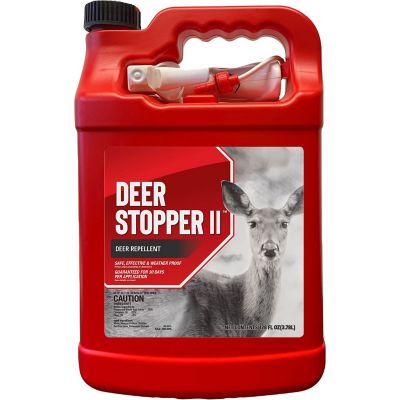
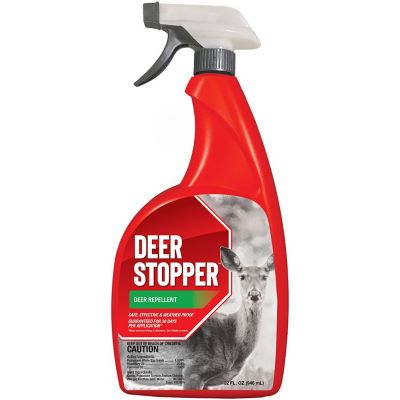
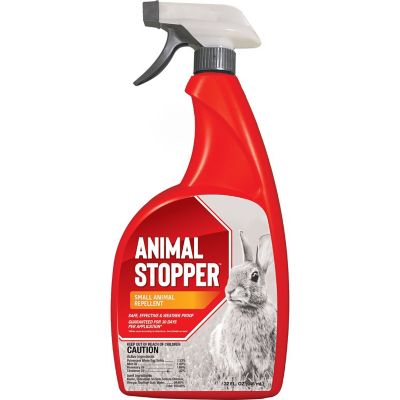
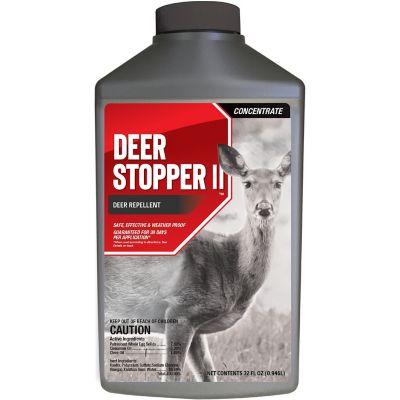
Deer deterrents help discourage deer from feeding on plants or entering areas where their browsing can do real damage. Around a country home, garden, orchard, or small acreage, even a few deer can leave tender shoots clipped short and shrubs stripped within easy reach of the ground. Deer repellents work through scent, taste, or a combination of both, making treated plants or spaces less appealing without creating a physical fence. Common repellent ingredients include putrescent egg solids, dried blood, and certain botanical oils, though each formula has its own labeled applications and precautions. Scent-based deterrents can discourage deer before they take a bite, while taste-based formulas make treated foliage less inviting to browse. Neither approach guarantees that hungry deer will stay away, especially where feeding pressure is high or animals already follow an established route. The best fit depends on what needs protection, how much ground it covers, and how closely deer travel to the house, barn, or garden. A few flowering shrubs beside the porch present a different job than a long property edge or several rows of young fruit trees. Liquids, granules, and contained scent stations offer different ways to place a deterrent near those vulnerable spots. Some formulas belong on foliage, while others are intended for soil, borders, or designated holders, so the application site matters as much as the ingredient list. For vegetable beds, herbs, and fruit-bearing plants, the label must specifically permit the intended application; a repellent meant for landscape shrubs is not automatically suitable for edible crops. Likewise, plant compatibility deserves attention around tender leaves and newly planted greenery. For homeowners, gardeners, and acreage owners, deer deterrents are a practical part of protecting the work already put into a property, whether that means keeping a foundation planting full or giving young trees a better chance to establish.
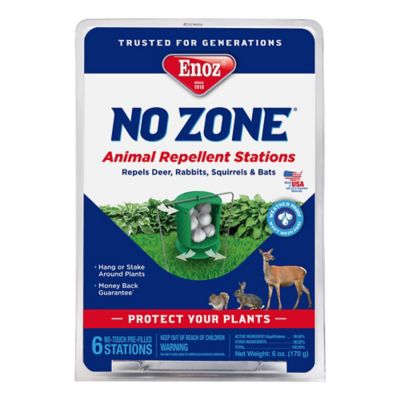
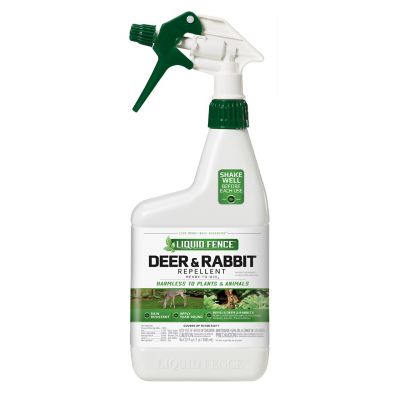
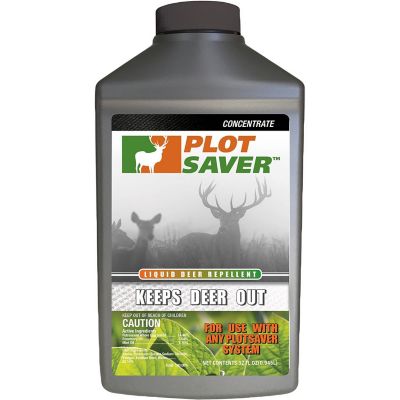
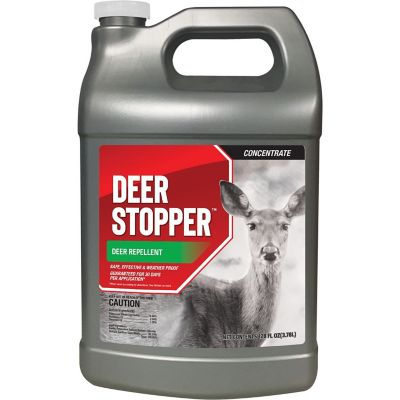
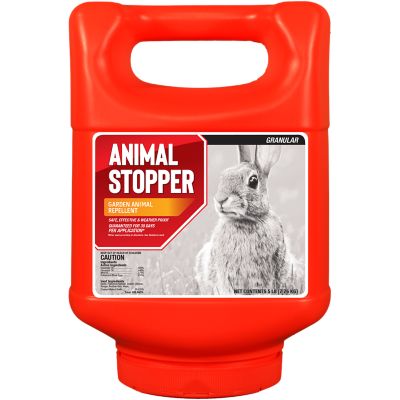
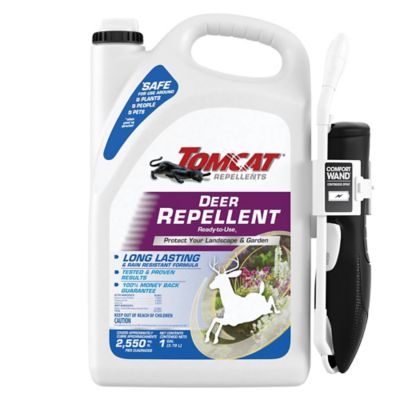
Liquid deer repellents come in ready-to-apply and concentrated forms, with the main difference being how much preparation and application equipment they require. A ready-to-apply formula can suit a small planting near a walkway, while a concentrate may make more sense for someone maintaining several beds or a longer stretch of shrubs. Mixing directions, labeled coverage, and the required application equipment help define that fit. Container size alone does not tell the whole story: a concentrate’s finished spray volume and a formula’s coverage rate provide a clearer picture of the area it can treat. Liquids intended for foliage need the coverage described on their labels, and fresh growth may need attention even when older leaves remain treated. Granular repellents offer another format for labeled ground or perimeter applications, particularly where spraying leaves is not the intended approach. Contained scent stations can provide a defined placement point without coating every nearby surface, although their reach and spacing vary. Around a patio, kennel, play area, or frequently traveled path, the strength and location of a repellent’s odor can matter to people as well as deer. A plant-based ingredient list does not, by itself, establish safety for children, pets, or livestock. Directions for placement, handling, access restrictions, and storage remain important with every formulation. Maintenance requirements also deserve a look before choosing a format. Some treatments need repeat applications at stated intervals, while stations may call for replacement or refilling according to their directions. There is no single reapplication schedule that fits all deer repellents. Application equipment benefits from cleaning as directed, and containers belong securely closed in their original packaging, away from feed and food. For a gardener tending a few treasured roses or a landowner looking after a broad planting, the most practical option is one whose coverage, handling, and upkeep fit the work they can reasonably keep up with. A treatment that fits a regular property-care routine is easier to maintain than one that calls for more attention than the site allows.
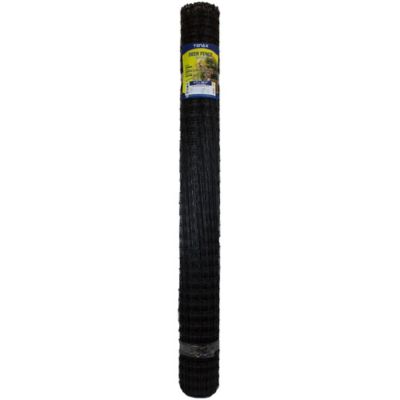
Physical protection addresses a different part of the problem by limiting a deer’s access rather than relying on an unpleasant scent or taste. Where repeated browsing threatens a vegetable plot, nursery planting, or small orchard,
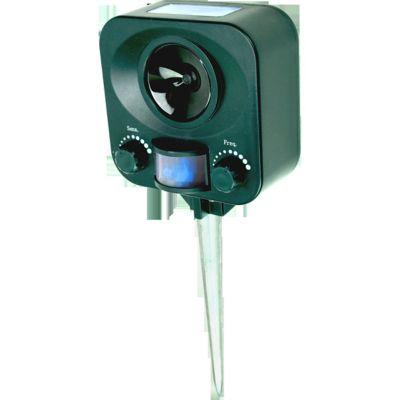
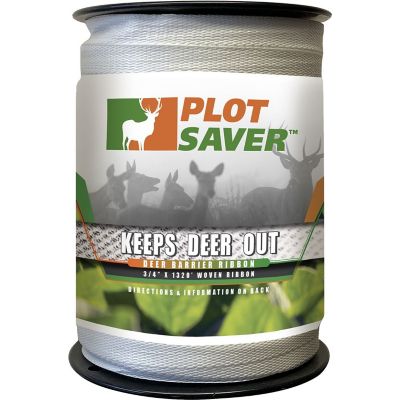
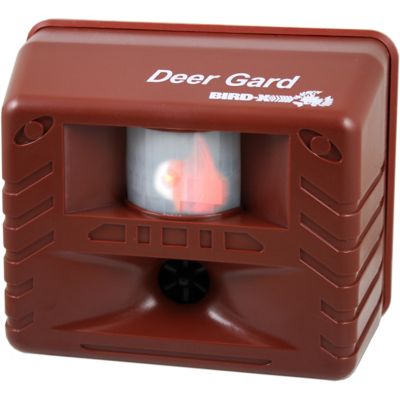
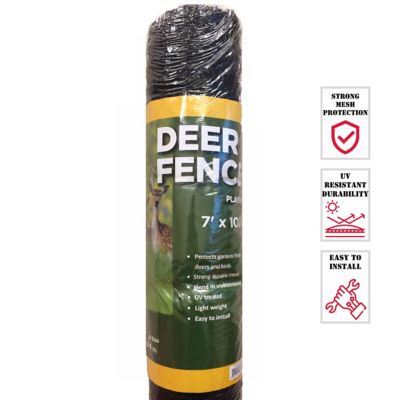
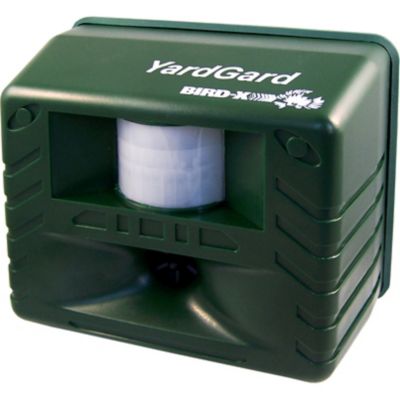
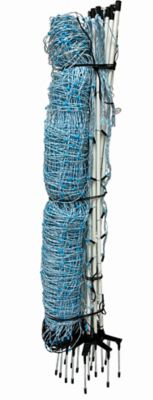
deer barriers can complement repellents and create a more defined boundary. Barrier materials commonly include polymer mesh and metal fencing, with differences in weight, visibility, rigidity, and resistance to chewing or tearing. Polymer mesh can be easier to handle around an irregular planting, while metal fencing generally provides a firmer enclosure when matched with suitable posts and fasteners. Height, mesh openings, ground clearance, and attachment strength all affect how well an installation suits its purpose. Deer can jump many ordinary yard fences, so a low border should not be mistaken for a deer-exclusion fence. A barrier also needs to fit the way the property functions: a garden gate should leave room for a wheelbarrow, and an orchard enclosure may need access for mowing equipment. Loose mesh and open gaps can undermine protection, making proper tension, secure edges, and routine checks worthwhile considerations. Individual tree protection has its own requirements, including enough clearance for growth and a design suited to the damage at hand. A trunk guard intended to reduce rubbing does not necessarily keep deer from reaching leaves and branches. Motion-activated deterrents add another approach, using a sudden stimulus to interrupt an animal’s visit, but their fit depends on the site, power or water requirements, and nearby activity. Placement beside a busy footpath can cause unwanted activation, and deer may become accustomed to repeated signals. On properties with persistent deer traffic, a combination of appropriate repellents, access control, and attention to entry points can be more useful than expecting a single measure to do everything. No setup works equally well on every property. The right mix reflects the plants at risk, the room around them, nearby animals and people, and the amount of maintenance the owner can manage. That keeps the focus on protecting garden beds, shrubs, and trees without making everyday chores harder.