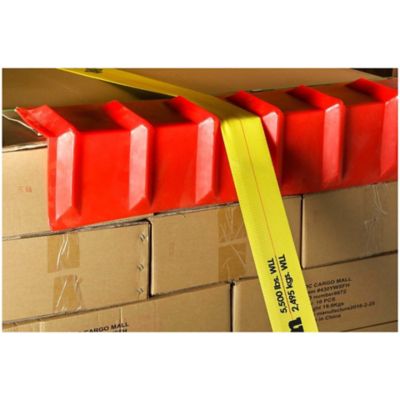
Cargo strap edge protectors fit between tie-down webbing and the corners or edges of a load, helping shield straps from abrasion and cuts while spreading pressure across the cargo’s surface. They can also help limit dents, crushed packaging, and strap marks where tension concentrates at a corner. That small contact point matters when a load includes stacked lumber, boxed equipment, sheet materials, or palletized supplies. A strap pulled tight over a square edge can bear against a narrow strip of material, putting strain on both the webbing and whatever sits underneath. An edge protector gives the strap a broader, smoother surface to bear against, though the level of protection depends on its material, shape, and intended application. For farmers hauling supplies between properties, contractors moving materials to a jobsite, and homeowners carrying goods on a utility trailer, these accessories address a common hauling problem without adding much to the load. They are especially helpful where straps cross corners that feel rough, have exposed fasteners nearby, or leave noticeable impressions in packaging. A stack of boards, for example, presents a different contact surface than a carton containing a cabinet or a bundle of metal panels. The right protection accounts for those differences instead of treating every corner alike. Edge protectors are not a substitute for sound packaging, proper blocking, or a secure tie-down arrangement, and they cannot keep an unstable stack upright on their own. Their job is at the contact point: separating the strap from an edge and, where the design allows, distributing the strap’s pressure. That makes them a practical part of a hauling setup for loads that need both firm restraint and some extra care at the corners. Protection also works both ways; preserving the cargo’s outer surface matters, but keeping the webbing away from damaging contact is just as important.
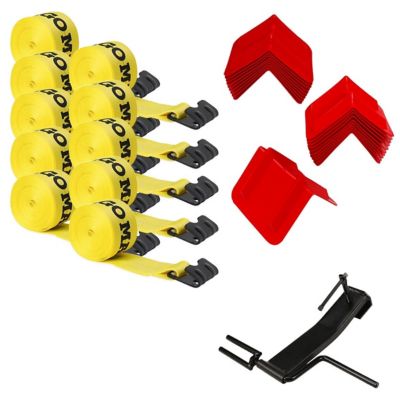
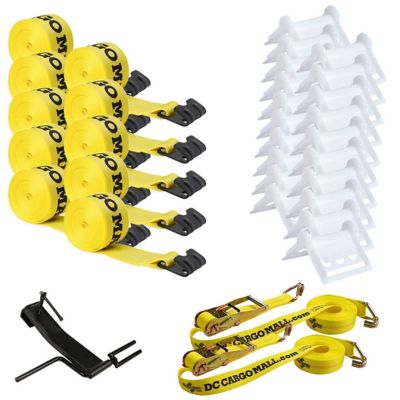
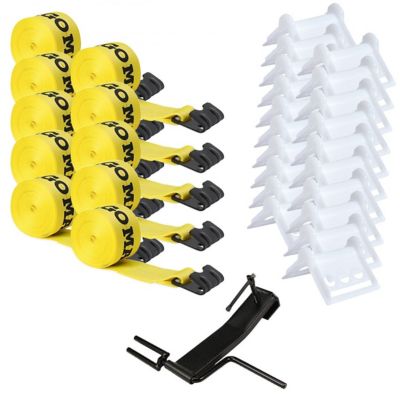
Materials and shape make a real difference in how cargo strap edge protectors fit a load. Molded plastic corner protectors often have an angled profile that sits over a square corner, with a smooth surface for the strap and, on some designs, raised features that help keep the webbing positioned. Polyethylene and polypropylene are common materials, but thickness, flexibility, and construction vary, so material alone does not tell the whole story. Metal edge protectors can provide a firm barrier in applications that call for a rigid design, while padded or flexible strap protection can better follow certain contours. A soft sleeve intended to reduce rubbing is not automatically suitable for a cutting edge, and a rigid corner protector is not necessarily the best match for an irregularly shaped load. Protection for sharp edges needs to be expressly intended for that hazard. Fit starts with the width of the strap and the amount of surface that needs coverage. The webbing should lie flat across the protector rather than folding, bunching, or hanging over an unprotected edge. A corner guard that is too narrow can leave part of the strap exposed; one with the wrong angle may rock against the load instead of sitting squarely. Length along each side of the corner matters, too, especially when contact pressure needs to spread beyond a small spot. Thin cartons and easily marked surfaces may call for broader support, while heavy material with an exposed edge may demand a different construction altogether. Rounded contact surfaces help avoid introducing another harsh edge beneath the strap. For loads with several layers or uneven sides, each contact point deserves attention rather than assuming one protector covers the whole stack. Any stated strap-width compatibility, application limits, and placement directions should match the hauling setup. An edge protector does not increase a tie-down strap’s working load limit, and pressure distribution does not make fragile cargo capable of carrying unlimited tension.
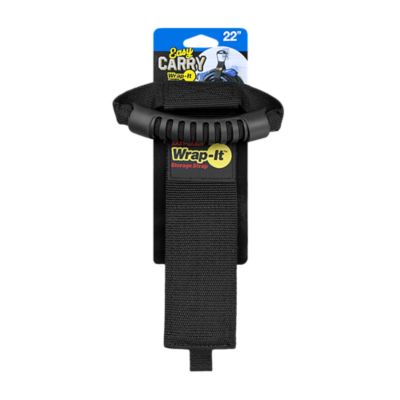
Everyday handling also plays a part in how long cargo strap edge protectors stay fit for the job. Trailer decks, shop floors, and truck beds can leave grit, splinters, and metal shavings on hauling gear. Debris trapped between a protector and the load can scratch a surface, while rough spots along the strap’s path can work against the protection the accessory is meant to provide. Cleaning according to the material’s care directions and letting components dry before storage helps keep those contact surfaces easier to inspect. Plastic pieces need a close look for cracks, deep gouges, distortion, or sharp wear marks. Metal pieces need attention for burrs, bent sections, and corrosion that affects their condition. Flexible protectors deserve the same care, particularly where repeated contact can thin or tear the material. Damaged protection belongs out of service when it can no longer perform as intended; it should not become the rough edge beneath an otherwise sound strap. The webbing needs inspection as well, since a protector cannot restore a strap with cuts, fraying, or other damage. Keeping hauling accessories together makes it easier to match the right protection to the next load instead of reaching for whatever happens to be loose in the truck bed. Rolled straps, separate edge protectors, and small tie-down accessories are easier to check when they are not tangled around tools or buried beneath hardware. For keeping rolled gear organized between jobs,
Heavy Duty Storage Straps can serve a separate storage role; they should not be treated as cargo tie-downs unless expressly rated for that purpose. Whether the next trip involves fencing supplies, shop materials, or a carefully packed household load, matching the protector to the strap and cargo keeps the focus where it belongs: secure restraint, sound webbing, and fewer pressure marks at the corners. The best fit is the one suited to the actual contact surface, not simply the biggest or stiffest piece.