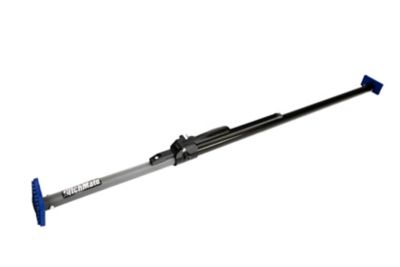
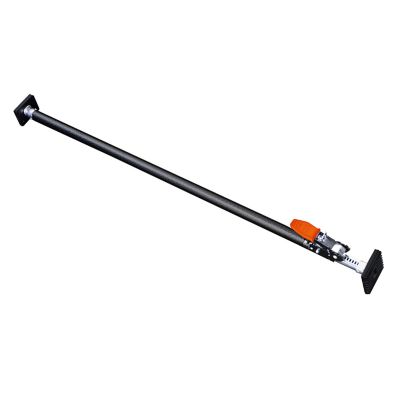
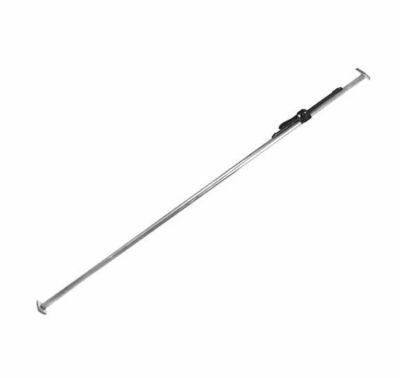
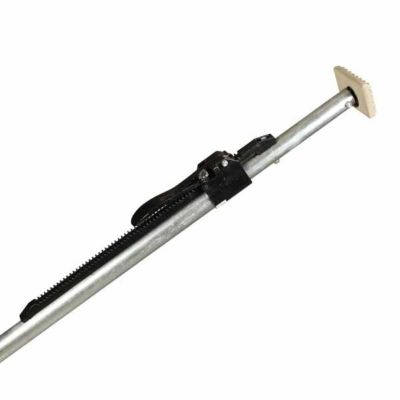
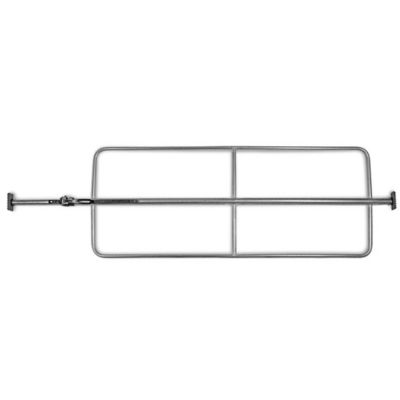
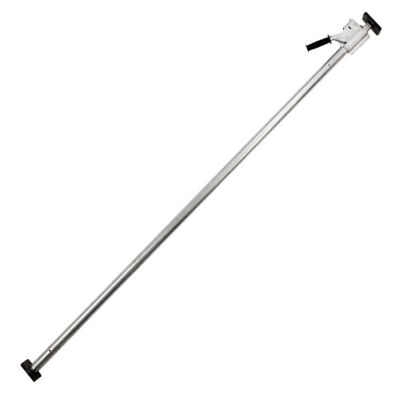
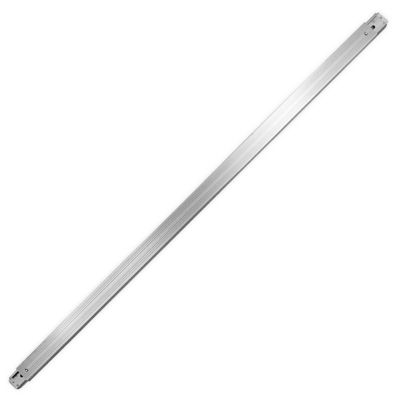
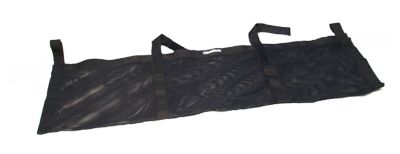
Adjustable truck bed cargo bars are expandable braces that fit across a pickup bed to help keep tools, groceries, feed sacks, and other cargo from sliding around. By creating a movable barrier, a bar can hold a smaller load within one section of the bed instead of leaving it free to travel from the tailgate to the cab. That comes in handy when a few bags of feed share space with a toolbox, or when buckets and supply totes need to stay within reach after a run into town. These bars generally rely on outward pressure against opposing bed walls, with padded feet that provide contact and help protect the finish. Telescoping sections let the bar extend or retract, while a ratcheting, lever-operated, or threaded mechanism establishes tension, depending on the design. The adjustment range matters more than the truck’s general size designation: two pickups with similar bed lengths can have different inside widths, and liners can change the space between the walls. Fit also depends on where the bar sits, since bed sides may taper or have ribs, pockets, and other contours. The right match reaches the intended mounting location within its stated adjustment range and seats against suitable surfaces without being forced beyond its limits. A cross-bed bar can create a handy boundary behind a row of containers, though that boundary only limits movement in the direction it blocks. Cargo may still need restraint against sideways motion, bouncing, or tipping. For farmers hauling everyday supplies, tradespeople carrying jobsite gear, and pickup owners bringing home household purchases, the appeal is straightforward: less room for loose cargo to roam and a bed layout that can change with the next load. A bar that adjusts readily can serve different hauling arrangements without turning each trip into a complete reorganization of the truck bed.
Materials and construction help determine how an adjustable cargo bar handles regular truck duty. Steel tubing offers a stout feel, while aluminum construction can make a bar easier to lift, position, and remove. Painted, powder-coated, or plated surfaces help limit corrosion, but scratches and trapped moisture still deserve attention. Tube size, wall thickness, joints, and the locking mechanism all matter alongside the material itself; appearance alone does not establish how much force a bar can handle. Rubber or other resilient end pads help the feet grip suitable surfaces, and wider contact areas can spread pressure rather than concentrating it at one small point. Those feet need a firm, even seat. A soft bed mat, loose liner section, sharply curved wall, or raised rib can affect contact, so the truck’s interior shape is part of the fit—not just the distance across it. Too much tension can damage a bed wall or liner, while too little can let the bar shift. Manufacturer directions establish the proper mounting surfaces, adjustment method, and operating limits for each design. Handle placement also makes a practical difference when a bed contains a toolbox, storage bins, or a cover with hardware along the rails. Enough clearance to work the mechanism keeps loading and unloading from becoming a knuckle-scraping chore. For loads that need more than a pressure-fit barrier,
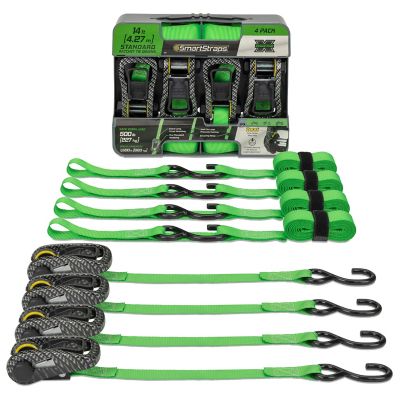
Truck Bed Tie Downs provide a separate way to connect suitable restraints to designated anchor points. A cargo bar is not automatically a substitute for straps, and a bar’s stated capacity should not be treated as a tie-down working load limit unless the manufacturer specifically identifies it that way. Heavy equipment, tall objects, rolling loads, and cargo that could lift or overturn call for restraint matched to their weight, shape, and anchor requirements. Blocking movement and anchoring a load are different jobs, even when both contribute to a better-organized pickup bed.
Everyday hauling shows where an adjustable bar earns its place. A row of lidded totes can sit behind a properly positioned barrier, keeping work gloves, small supplies, and packaged purchases together instead of scattered across the bed. Feed sacks benefit from being supported without sharp contact points that could tear the packaging, while buckets need an arrangement that accounts for tipping as well as sliding. Loose tools belong in suitable containers rather than balanced against a bar, and fragile goods need cushioning in addition to a boundary. Keeping cargo low and distributing weight within the truck manufacturer’s limits remain important regardless of how neatly the bed is divided. Bar placement should suit the load rather than squeeze it; crushing a cardboard carton or pressing hard against a thin plastic container can create a different problem. Before travel, a brief check of the feet, lock, and cargo arrangement can reveal a poor seat or a container that has settled away from the barrier. Rechecking after the load changes is especially helpful on a route with several stops, when removing one tote may leave another with room to move. Care is simple but worth keeping up with: clearing grit from the telescoping sections, wiping away moisture, and keeping the end pads free of oil or mud help preserve smooth adjustment and good contact. Lubrication belongs only where the manufacturer recommends it, not on gripping pads or surfaces that depend on friction. Cracked feet, bent tubing, worn locking parts, and a mechanism that will not hold tension are signs the bar needs attention before another haul. When the bed needs its full open space, a retracted bar is easier to manage, but it still needs a secure storage spot rather than being left loose with the cargo. For pickup owners who regularly carry smaller loads in a roomy bed, a properly fitted adjustable cargo bar offers a straightforward way to put that space to work without giving every bag and box the whole run of it.