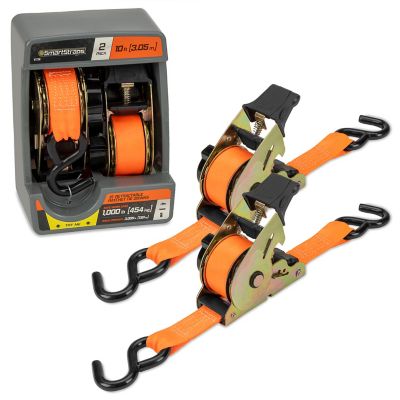
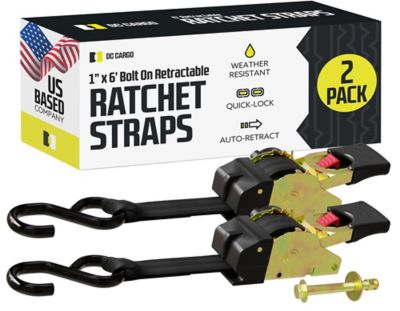
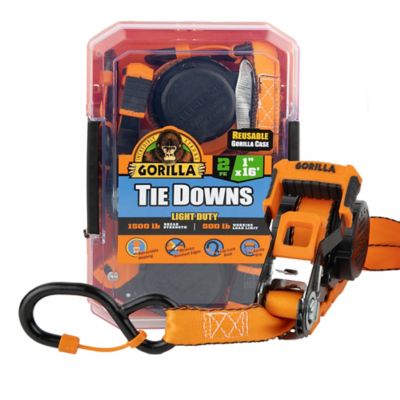
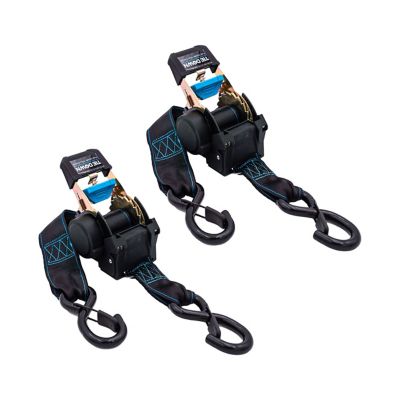
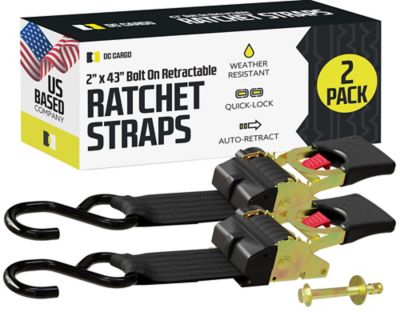
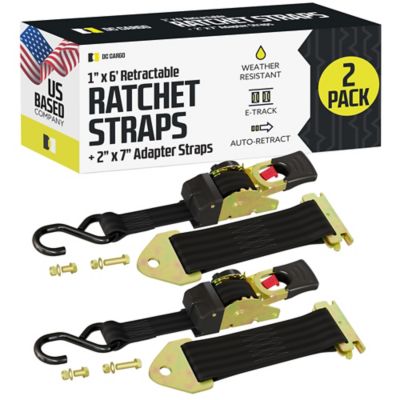
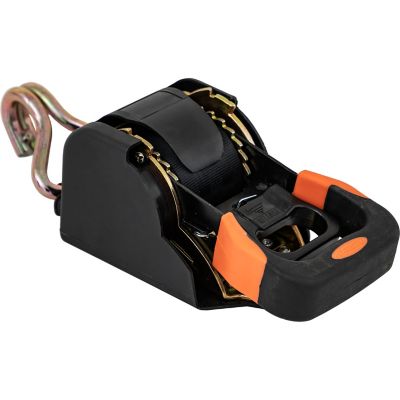
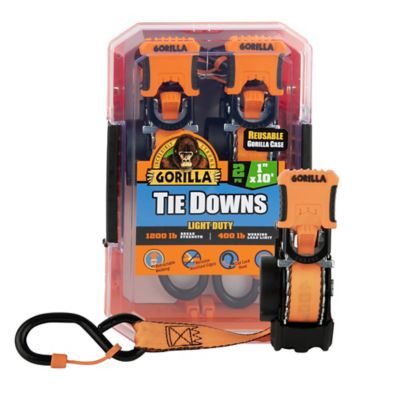
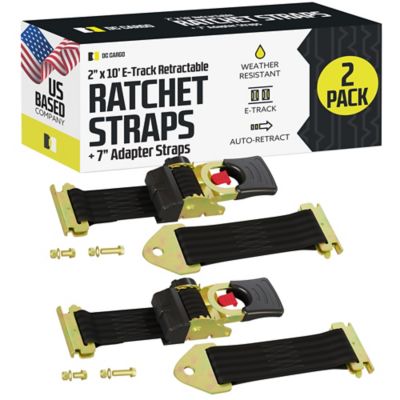
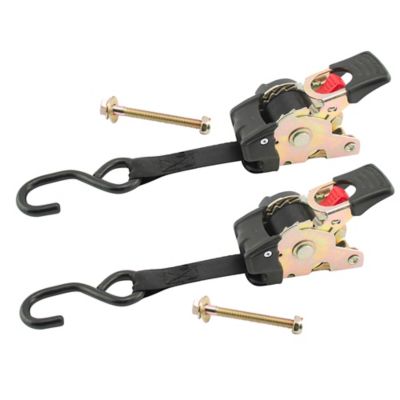
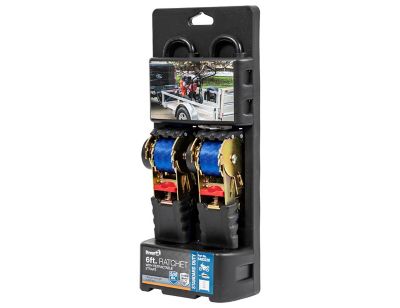
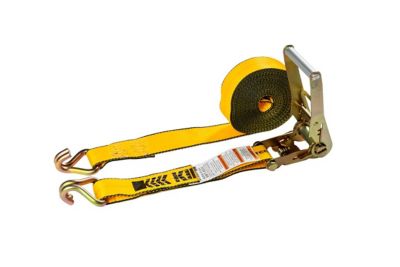
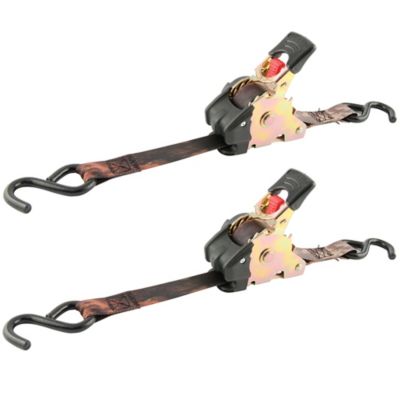
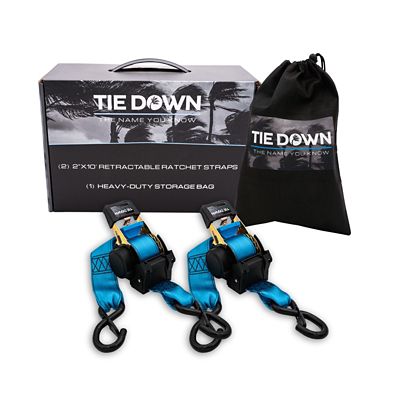
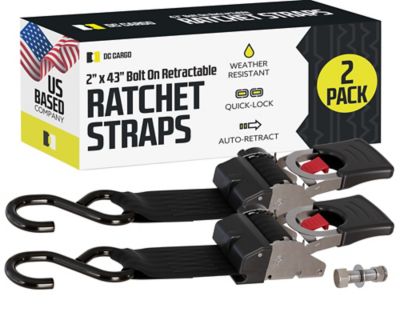
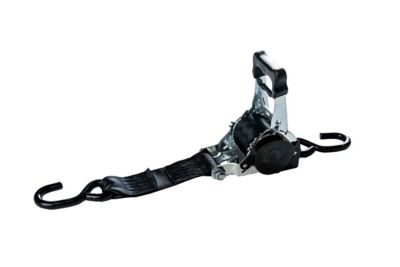
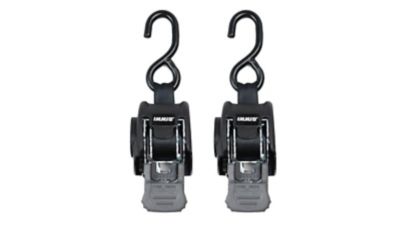
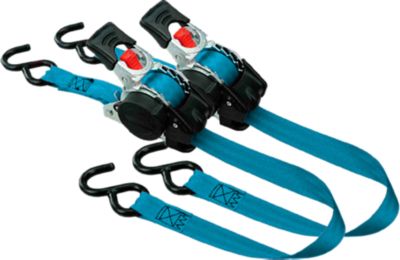
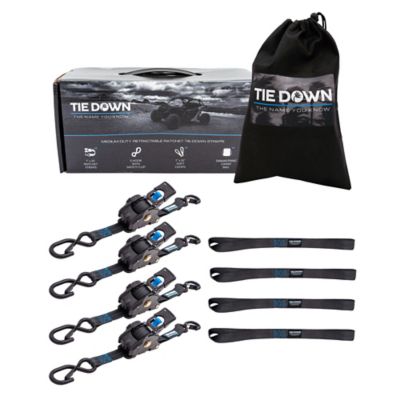
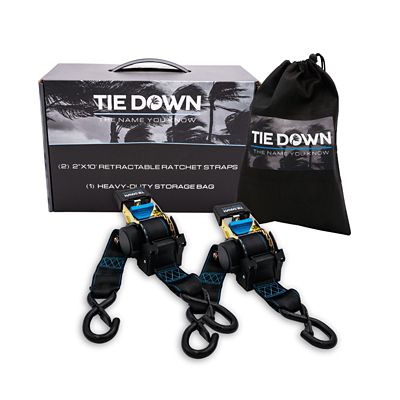
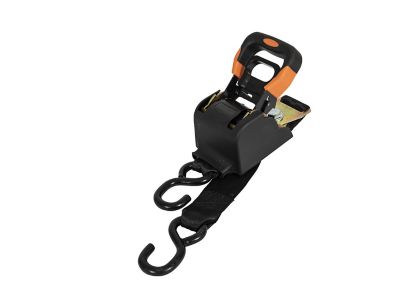
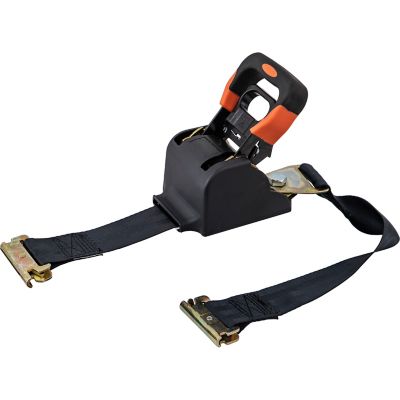
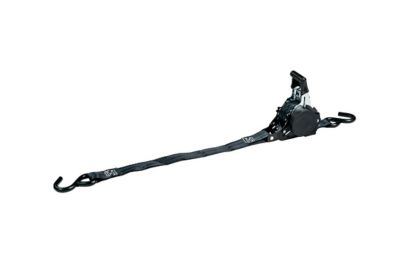
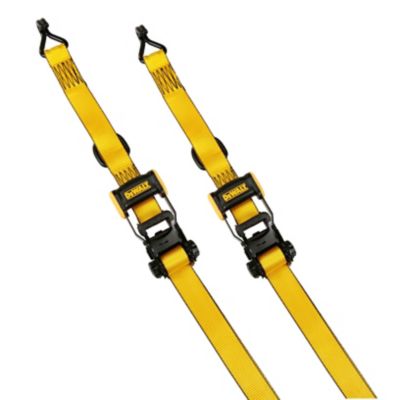
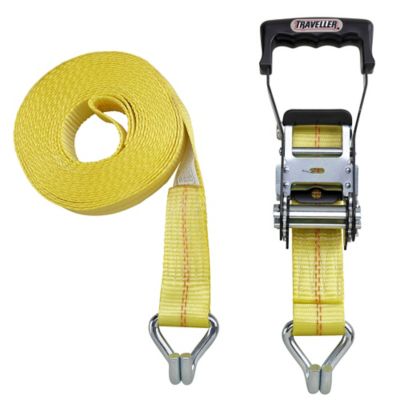
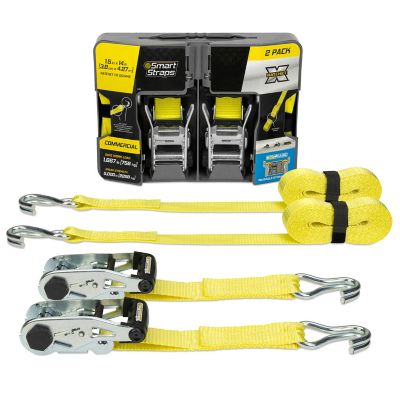
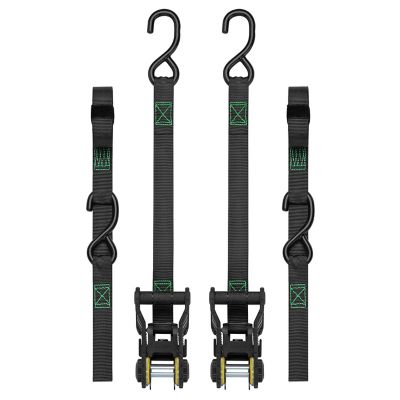
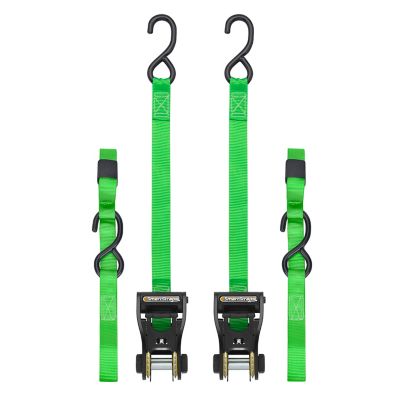
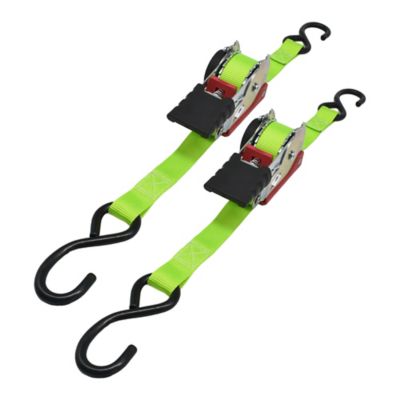
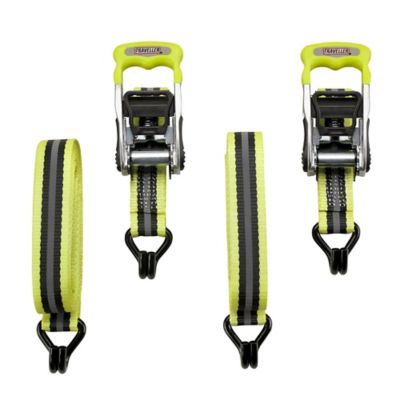
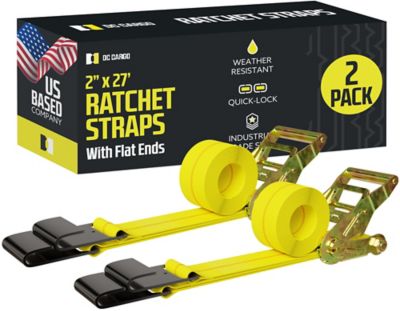
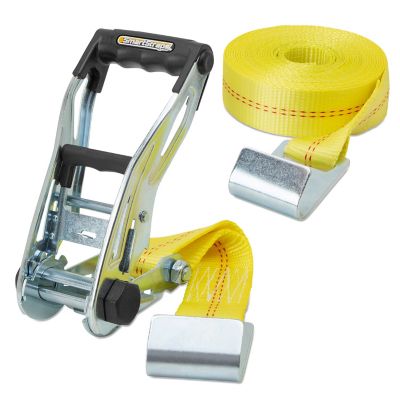
Retractable ratchet tie-down straps combine a ratcheting tensioner with a built-in spool that gathers loose webbing into a housing. The retracting mechanism takes care of slack and storage, while the ratchet applies the tension that helps hold cargo in place. That distinction matters: spring retraction alone does not secure a load. Compared with a conventional strap that leaves a long tail to bundle up, a retractable design keeps more of the webbing contained, cutting down on tangles and loose ends around a truck bed or trailer deck. For folks hauling equipment between the barn and a jobsite, taking an ATV to the trailhead or bringing a mower home for repairs, that contained design can make repeated loading and unloading less of a chore. Some designs remain attached to a mounting point, while others travel with the load and hook onto suitable anchors as needed. The right arrangement depends on the hauling setup, the cargo and the attachment points already in place. Strap length deserves a close look, since the webbing has to reach between approved anchors along the intended route without running out of usable travel. A strap also needs to retract far enough to tension properly across a shorter distance; extra reach is not much help if the assembly cannot snug down around the load. Width, hook size and housing dimensions all affect fit, especially around narrow trailer rails, recessed bed anchors and equipment frames with limited clearance. A compact housing can be handy in a crowded pickup bed, but its size does not establish its load rating. For a farmer moving small equipment, a contractor carrying tools or a weekend rider hauling a machine, the best match starts with the load and the vehicle rather than appearance alone. A retractable setup earns its place by fitting the hauling routine and keeping the webbing manageable from one trip to the next.
Materials and hardware help explain how a ratchet strap handles regular hauling. Polyester webbing is common in cargo securement because it offers relatively low stretch under load, but fiber type, weave, stitching and construction vary. The sewn connections around hooks and other attachment hardware deserve as much attention as the broad, flat section of strap. Webbing needs a clear path that does not drag across sharp steel, pinch beneath equipment or bear against an abrasive corner. Suitable edge protection helps separate the strap from contact points that could cut or wear the fibers. Metal ratchets and hooks may have finishes that help resist corrosion, while handles can include shaped or cushioned grips for a steadier hold. Handle clearance matters when an anchor sits close to a trailer side or toolbox; there needs to be room to operate the mechanism as its maker intends. Hook style is another practical consideration. Open hooks, hooks with retention features and other end fittings do not fit every anchor the same way, and a coating on a hook does not make every attachment surface suitable. Proper engagement keeps force on the intended bearing area rather than the hook tip or a thin edge. Soft-loop connections can be helpful for certain equipment attachment points when approved for the application, though they also carry their own ratings and limitations. Above all, the working load limit identifies the maximum load an assembly is rated to handle under specified conditions. Break strength is not the working load limit and should not serve as the everyday capacity figure. The lowest-rated part of the securement system can limit the setup, including anchors and connecting hardware. Cargo weight, strap angle, load movement and securement method all affect what is required, so adding together label ratings is not enough to establish a safe arrangement. Equipment instructions, strap instructions and applicable cargo-securement requirements provide the basis for choosing the number and placement of tie-downs.
Everyday fit also comes down to what is riding behind the cab or on the trailer. A mower with designated tie-down points presents a different job from a stack of building materials, and an ATV’s suspension introduces movement that a rigid crate does not. Straps need to connect to suitable structural points, not convenient-looking handles, guards or sheet metal that may bend under tension. Cargo that can roll, tip, slide or settle may call for blocking, chocks or other appropriate securement in addition to straps. More ratchet force is not automatically better; excessive tension can damage cargo or overload attachment points. When comparing retractable setups with other
Truck Tie Down Straps, compatible anchors, readable capacity labels and sensible routing remain the essentials. The retracting feature is a convenience, not a substitute for those basics. Care between trips helps keep the mechanism and webbing ready for the next haul. Grit and packed-in debris can interfere with moving parts, and webbing put away damp needs attention according to the maker’s care directions. Cleaning methods and any lubrication should follow those directions rather than a guess from the shop shelf. Before each haul, a close look at the full accessible length of webbing, sewn joints, hooks, ratchet and retraction mechanism can reveal cuts, fraying, bent hardware, damaged stitching or other reasons to take an assembly out of service. Missing or unreadable rating information is another concern. Knots, improvised splices and patched webbing are not substitutes for an intact, properly rated assembly. Cargo can settle after departure, so tension and attachment checks belong in the hauling routine, including after the first short stretch and at suitable intervals afterward. These straps belong in cargo securement, not overhead lifting, towing or vehicle recovery. With the right fit and regular attention, retractable webbing keeps a familiar hauling task tidier without changing the care that a secured load demands.