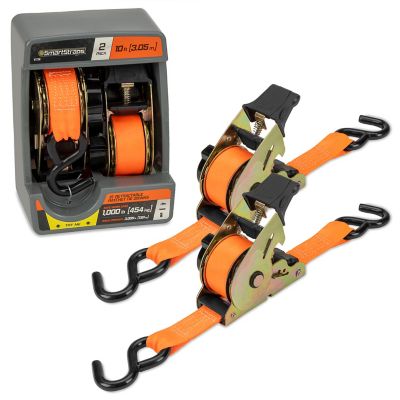
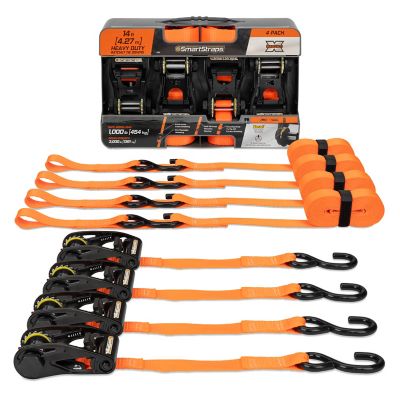
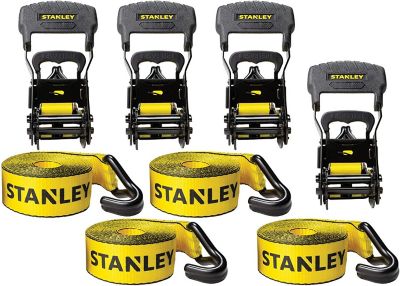
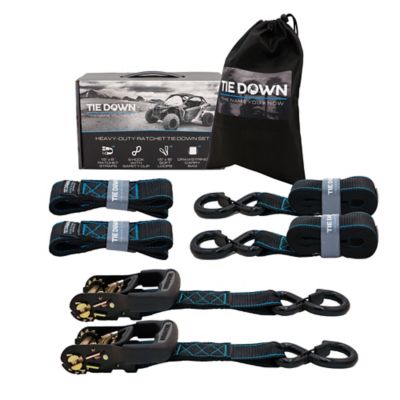
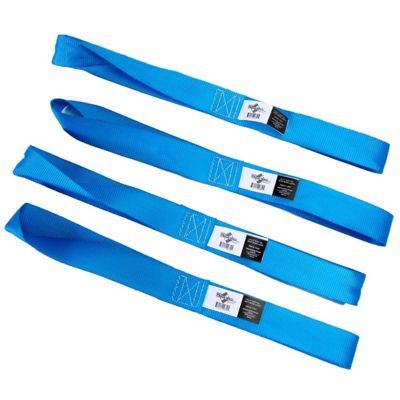
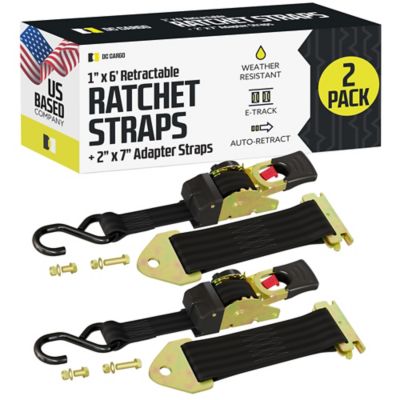
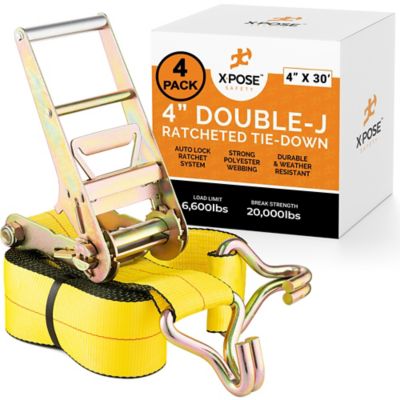
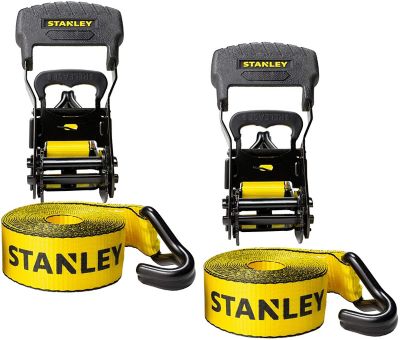
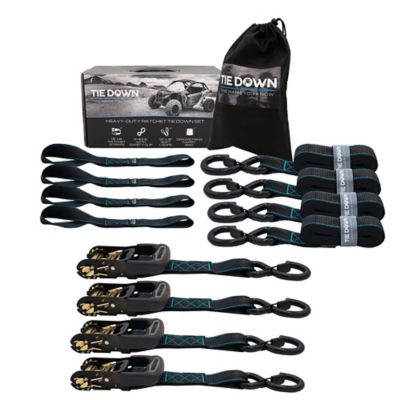
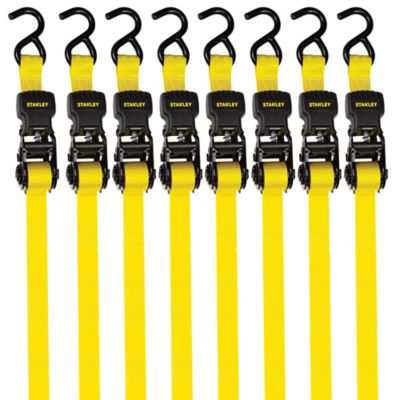
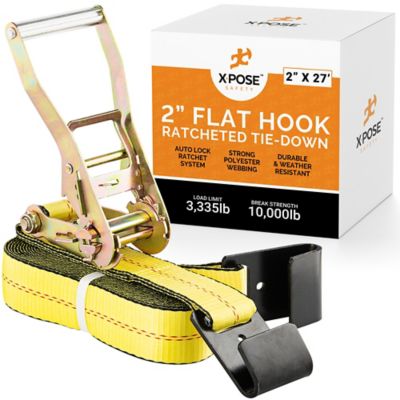
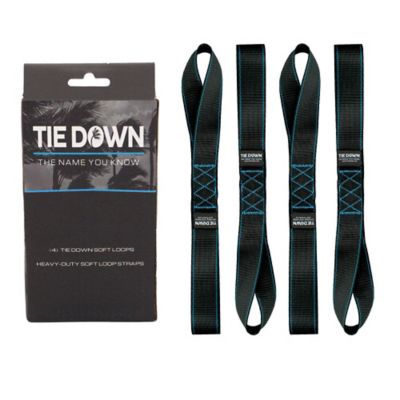
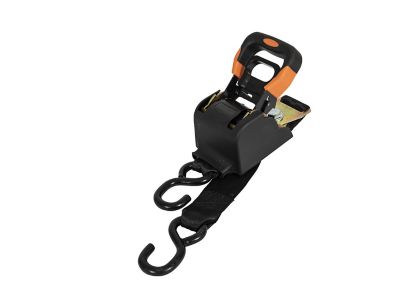
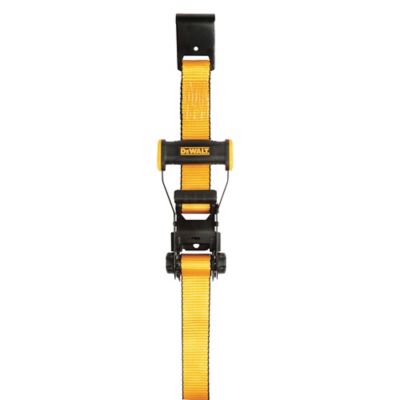
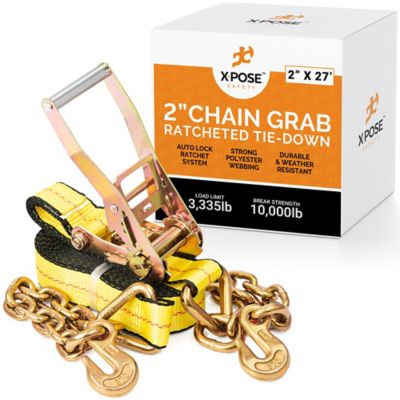
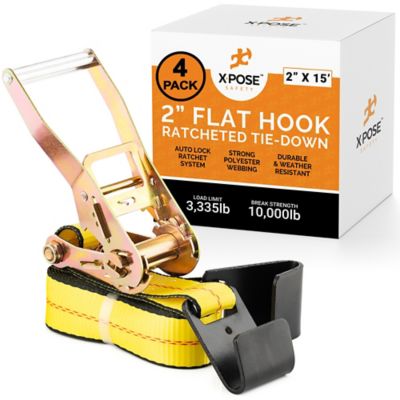
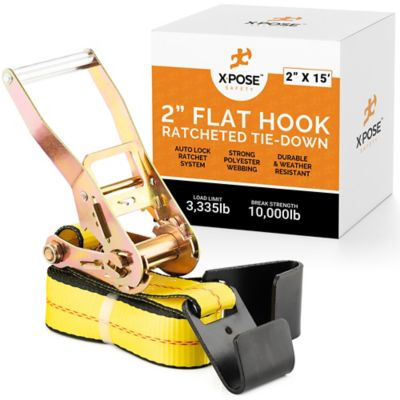
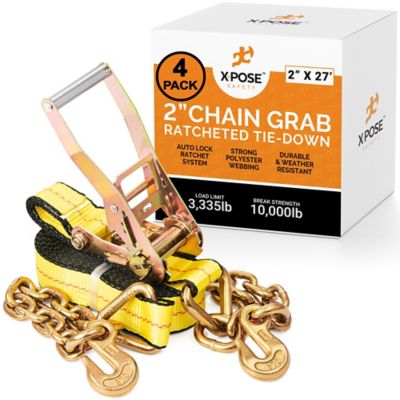
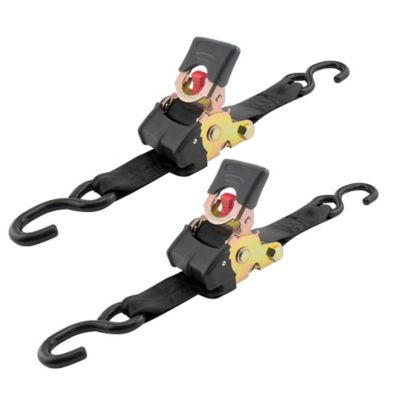
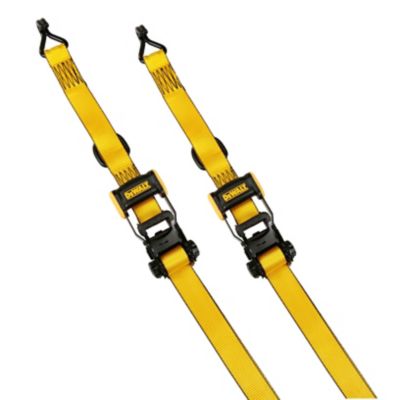
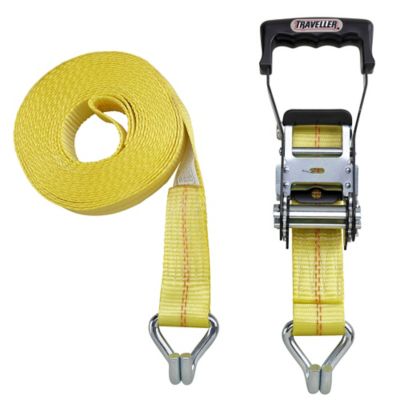
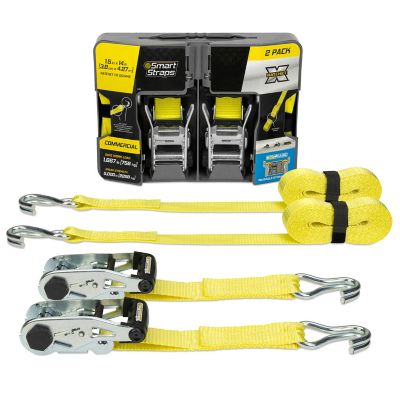
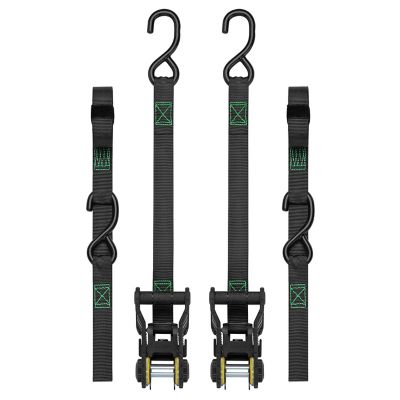
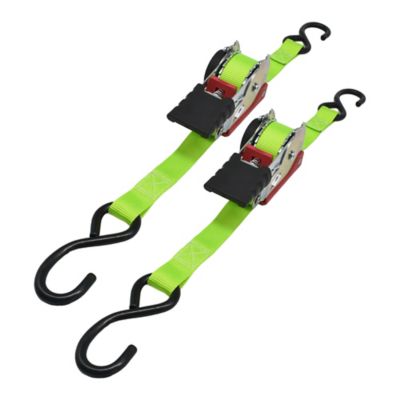
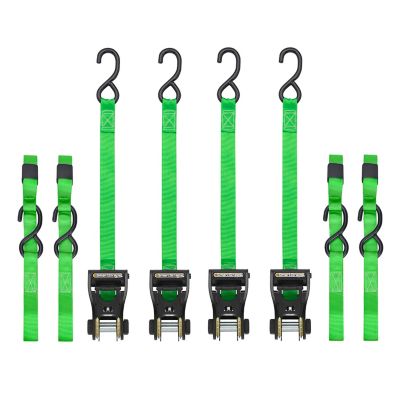
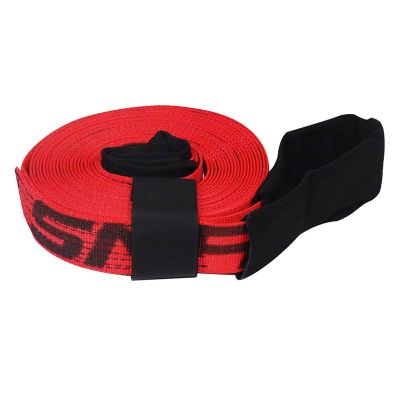
Motorcycle tie-down straps secure a motorcycle to rated anchor points in a trailer, truck bed, or other suitable hauling setup, helping limit movement during transport. They’re part of getting a dirt bike to the riding area, taking a street bike to the shop, or hauling a cruiser home when riding it isn’t an option. A motorcycle’s narrow stance and suspension call for more than a loose rope or a strap tossed over the seat. A suitable restraint setup holds the bike upright and controls forward, backward, and sideways movement without putting strain on parts that aren’t meant to carry it. Ratchet straps and cam buckle straps are two common choices, with different ways of taking up slack and holding tension. A ratchet winds webbing onto a spool through a lever-operated mechanism, giving the operator controlled, incremental tightening. A cam buckle holds webbing with a spring-loaded clamping mechanism and is typically tensioned by pulling the free end through the buckle. Neither design is automatically the right match for every motorcycle; the bike manufacturer’s transport recommendations and the strap’s stated working load limit matter more than buckle preference alone. Attachment styles also make a difference. Open hooks, gated hooks, and looped ends connect differently, so their shape needs to suit the trailer’s or truck’s anchor points. Soft loops can provide a webbing connection around an approved attachment point, reducing direct contact between metal hooks and the motorcycle. That can be helpful around finished surfaces, though soft loops still need appropriate ratings and protection from sharp edges. For a rider loading up after a day on the trails or a family hauling motorcycles together, the appeal is practical: controlled tension, suitable attachment points, and a setup that can be checked without a wrestling match. The best fit is a restraint system matched to the motorcycle and hauling vehicle, rather than whichever strap happens to be lying in the toolbox.
Materials, construction, and dimensions all affect how motorcycle tie-down straps fit the job. Polyester webbing generally stretches less under load than nylon, while nylon has more give; the material choice should follow the intended application and the manufacturer’s guidance. Webbing width alone doesn’t establish a strap’s capacity. The assembly’s rating also reflects its stitching, buckle, hooks, and other components, and every separate connector needs an appropriate rating of its own. Published working load limits describe allowable loads under specified conditions and are not the same as breaking-strength figures. Motorcycle weight, attachment angles, anchor strength, and the restraint arrangement all matter, so adding together numbers on strap labels doesn’t by itself establish a suitable setup. Length deserves a close look, too. A strap has to reach from the approved motorcycle attachment point to the vehicle anchor with enough adjustment for proper buckle operation. An overly long strap can leave a tangle of loose webbing beside a wheel or trailer fender, while one that barely reaches can make loading unnecessarily awkward. Buckle placement matters in tight truck beds, where a ratchet handle needs room to move without striking a side panel or the bike. Metal hardware may have plating or another protective finish to help resist corrosion, but the hook’s shape and its seating in the anchor are just as important as appearance. A hook should fit as its manufacturer intends, without being forced sideways or perched on the tip. Protective sleeves can help reduce abrasion where webbing meets an edge, but they don’t make an unsuitable attachment point acceptable. Brake lines, wiring, exhaust parts, and plastic body panels aren’t substitutes for approved tie-down locations. Even handlebars require care because motorcycle designs and approved attachment methods differ. A compatible wheel chock can help position and support the front wheel during loading, but it doesn’t replace the required restraints. Suspension compression should follow the motorcycle manufacturer’s directions rather than a rule that every bike needs to be pulled down as far as possible.
Good motorcycle hauling gear also needs to suit the way it gets handled between trips. Straps often travel from a garage shelf to a truck bed, across a gravel parking area, and back into a storage bag, so easy inspection and orderly storage have real value. Flexible webbing, readable rating labels, and buckles that operate smoothly make it easier to spot trouble before the next haul. Frayed edges, cuts, damaged stitching, distorted hooks, and ratchets that bind are reasons to take a strap out of service and follow the manufacturer’s replacement guidance. Dirt and grit can work into webbing and moving parts, while oil, fuel, and harsh cleaning chemicals can affect materials. Care instructions vary, but keeping straps clean, letting them dry before storage, and storing them away from sharp tools helps preserve their condition. Rolled straps or separate storage compartments also keep hooks from tangling together when it’s time to load. During transport, loose strap tails need secure containment so they can’t flap against painted surfaces, drag beneath the trailer, or reach wheels and other moving parts. Settling can occur after loading, making a safe stop to check tension and attachments part of responsible hauling. Riders who carry more than one kind of off-road machine may also compare
ATV/UTV Tie Down Straps for their other hauling needs, while checking the ratings and attachment requirements for each vehicle rather than assuming one arrangement fits them all. Motorcycle tie-down straps can also make a practical gift for a rider who regularly trailers a bike, especially when the recipient’s hauling setup and preferred attachment style are already known. For everyday riders, trail riders, and folks moving a motorcycle between home and the repair shop, the important details remain the same: suitable capacity, compatible connections, manageable strap length, and sound condition. Those details help turn a crowded truck bed or trailer into a more organized hauling setup, with the motorcycle restrained for the road ahead.