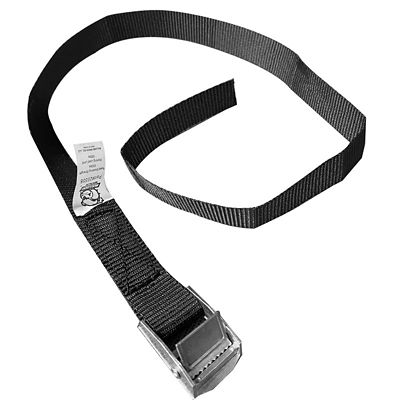
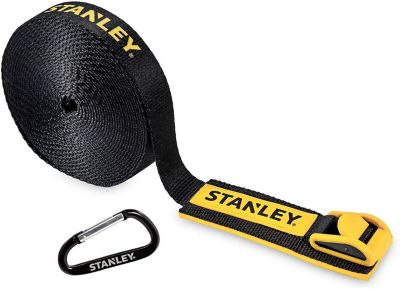
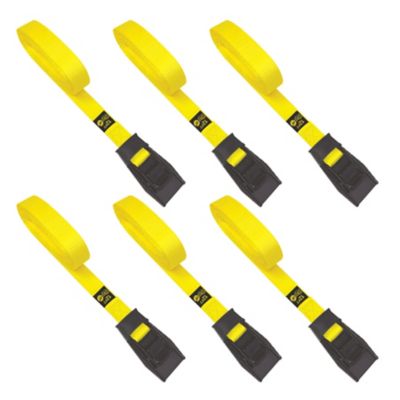
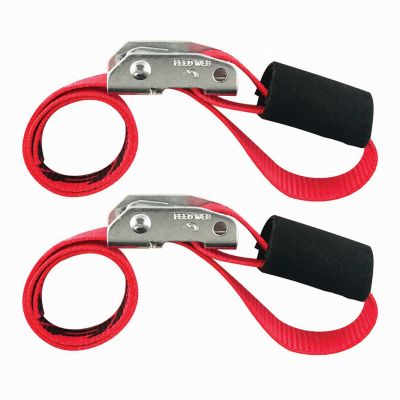
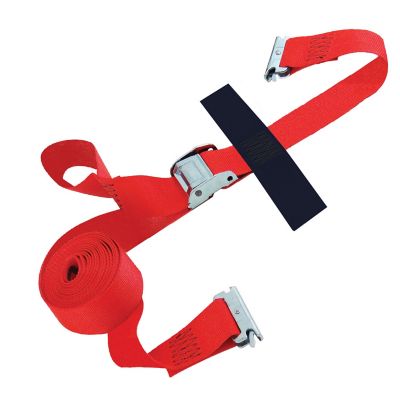
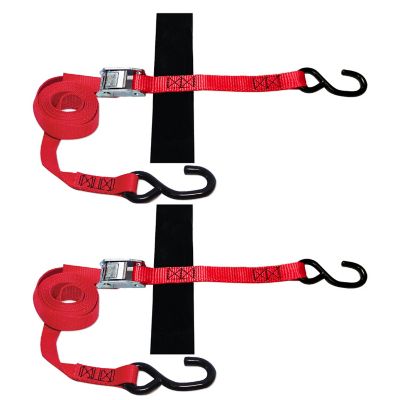
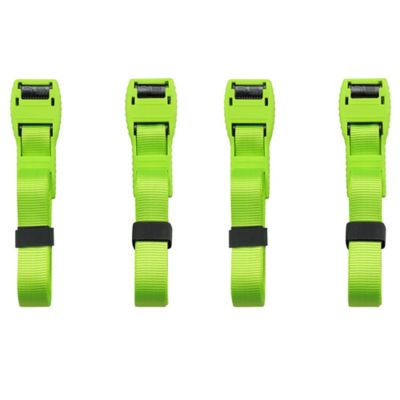
Cam buckle straps help keep cargo settled without adding a complicated tightening mechanism to the job. Whether the load is a ladder headed to a fence repair, a stack of empty crates going back to the barn, or camping gear riding to the next campsite, these straps offer a straightforward way to take up slack and hold things in place. The buckle typically has a spring-loaded cam that grips the webbing after the loose end is pulled through by hand. That hand-tightened action sets cam buckle straps apart from ratchet straps, which build tension through a lever mechanism. For loads that need a snug hold rather than substantial tightening force, a cam buckle can be a practical fit, provided the strap’s rating and attachment arrangement suit the job. The amount of tension still matters, especially around hollow tubing, finished surfaces, and cargo that can bend or compress. Padding and suitable contact points help protect those surfaces, while the strap does the holding. Farmers, tradespeople, paddlers, and folks hauling gear between home and a nearby property all have reasons to keep this type of tie-down within reach. A compact strap can tuck into a truck toolbox or equipment bag without taking up much room, and having suitable lengths on hand makes everyday hauling less of a scramble. Cam buckles also offer a simple release: pressure on the cam allows the webbing to slide back through, though a load that has shifted can put tension on the buckle and needs attention before release. The appeal is the combination of manageable hardware, direct hand tension, and webbing that can wrap around many load shapes. These are cargo restraints, not lifting slings, and their usefulness depends on matching the whole setup to the load rather than judging strength by how stout a buckle looks. A small bundle on a utility trailer and a tall load in a pickup bed can call for very different restraint arrangements, even when both seem easy to move by hand.
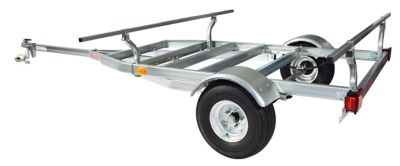
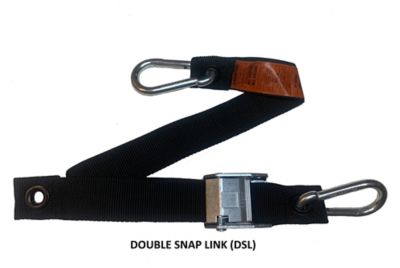
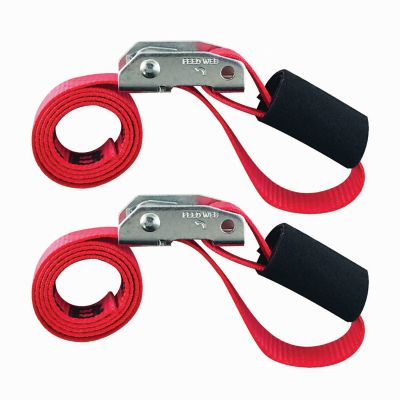
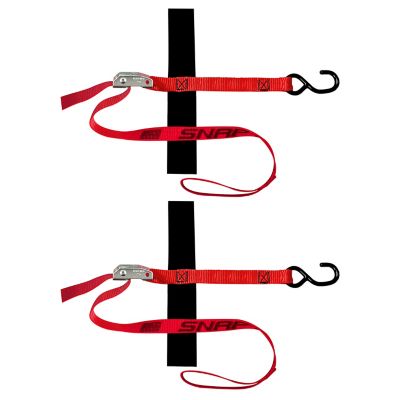
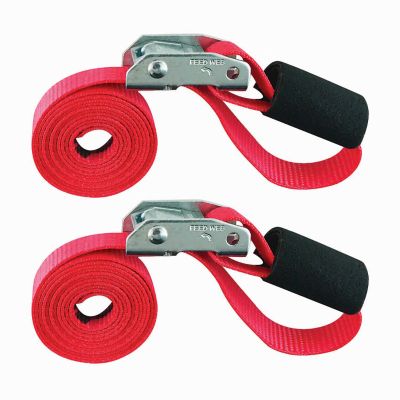
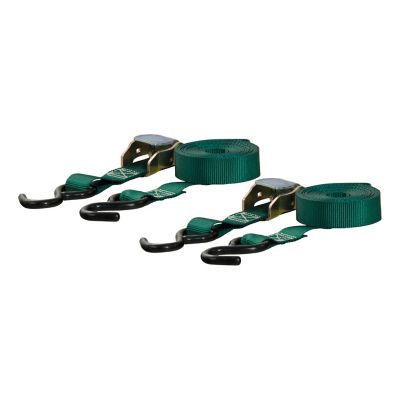
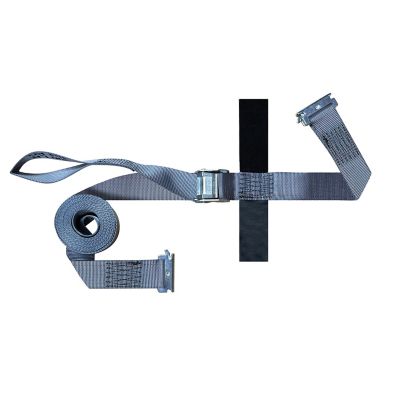
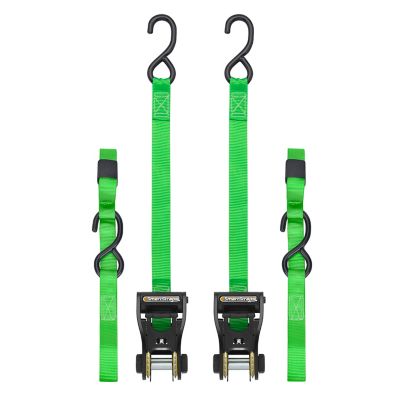
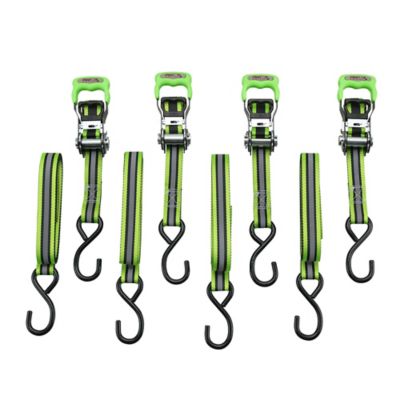
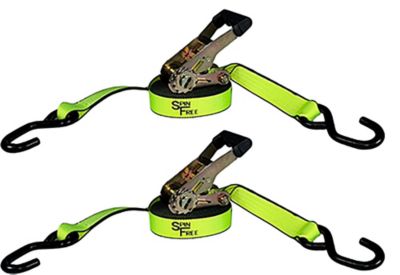
Webbing material, strap width, length, and end fittings all affect how cam buckle straps fit into a hauling setup. Polyester is common because it generally stretches less than nylon and handles moisture well, while nylon has more give under tension. Material alone does not establish capacity; the working load limit on the strap assembly is the important reference, along with the manufacturer’s intended application. Breaking strength is a different measurement and should not stand in for that working rating. The buckle, stitching, hooks, anchor points, and webbing all contribute to the restraint system, and the lowest-rated component can limit what that system can handle. Width influences how a strap sits against cargo and fits through attachment points, but a wider strap is not automatically rated for a heavier load. Length deserves just as much thought. A strap needs enough reach to follow the intended path and leave sufficient webbing for proper threading and hand tension, without creating a long loose tail that can drag or flap during travel. Hook styles need to fit their anchors without crowding, twisting, or resting on the hook tip. Sewn loops can suit attachment points where metal contact is unwanted, while endless-loop designs wrap around a load and feed back through the buckle rather than connecting with hooks. Each arrangement has its place, depending on the cargo and the available anchors. Metal buckles and fittings may have protective finishes, but those finishes do not eliminate the need to watch for corrosion or damage. For painted equipment, paddling gear, or finished lumber, a soft sleeve or separate edge protector can help reduce rubbing where the strap touches the load. Sharp corners need particular attention because even stout-looking webbing can suffer cuts under tension. Good fit means more than reaching from one side of the trailer to the other; it also means a clear strap path, suitable contact surfaces, and hardware that seats properly at both ends.
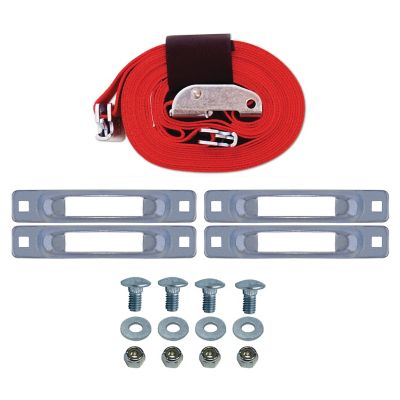
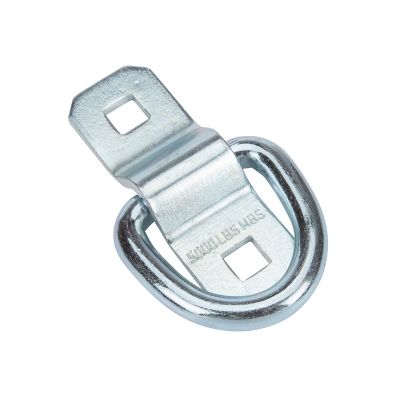
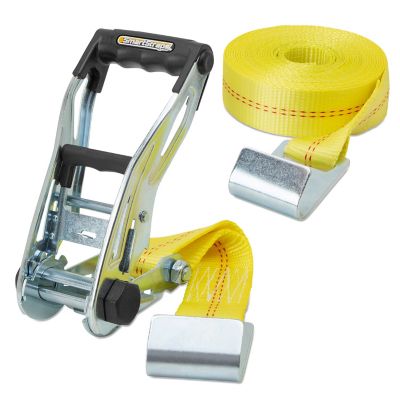
A sensible cam buckle strap setup also accounts for how cargo behaves after the truck leaves the driveway. Crates can settle, soft bags can compress, and a bundle of poles can roll unless the arrangement addresses movement in every direction. Strap placement, sound anchors, and any needed blocking work together; pulling one strap tighter cannot make up for a load that lacks support. The number of restraints and their required ratings depend on the cargo, the hauling arrangement, and applicable requirements, so simply adding together numbers on strap labels does not tell the whole story. Cam buckle straps generally suit jobs where hand-applied tension is enough, while other tie-down systems may better match heavier loads or tasks calling for greater tightening force. For a trailer setup that benefits from permanently mounted hardware and ratcheting tension,
Bolt On Ratchet Tie Down Straps offer another approach, with suitability still governed by the mounting location, ratings, and load. Whatever the setup, routine care helps keep the webbing and mechanism ready for the next trip. Dirt and grit can collect around the cam teeth and work into the fibers, so cleaning should follow the manufacturer’s directions rather than involve harsh chemicals or improvised treatments. Straps should be dry before storage, loosely rolled or bundled, and kept away from sharp tools and spills. Cuts, fraying, damaged stitching, bent fittings, and a cam that no longer moves or grips properly are reasons to take a strap out of service and follow replacement guidance. Knots and makeshift repairs are no substitute for an intact assembly. Keeping loose ends secured also helps prevent dragging, snagging, and contact with moving parts. For someone who regularly carries gear to a jobsite, takes a small boat to the water, or runs supplies between buildings, a well-matched set of cam buckle straps can make a useful, practical gift. The best match comes down to the person’s actual hauling routine: what rides along, where the anchors sit, and how much restraint the load requires.