

Baler Belting & Accessories
Stocked & Ready
Auto order and save everyday
Baler Belting & Accessories (9)

Compare
Add up to 4 items
Top Rated
-
-
Top Rated
-
Subscription Eligible
-
Top Rated
-
Top Rated
-
Top Rated
-
Top Rated
-
-
-
-
-



May We Recommend
-
Top Rated
-
Top Rated
-
Top Rated
-
Top Rated
-
-
-
-
Top Rated
-
Top Rated
-
Top Rated
-
-
Top Rated




Frequently Asked Questions About Baler Belting and Accessories
Baler Belting & Accessories
Keeping a round or square baler running through consistent use depends on the right baler belting and accessories. These parts pull crops into the chamber and shape them into tight bales. Tractor Supply offers belting, lacing and teeth built to fit a wide range of baler models.
Add Strength and Performance to Your Baler
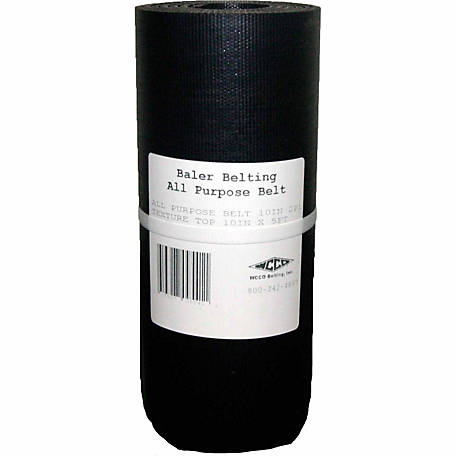
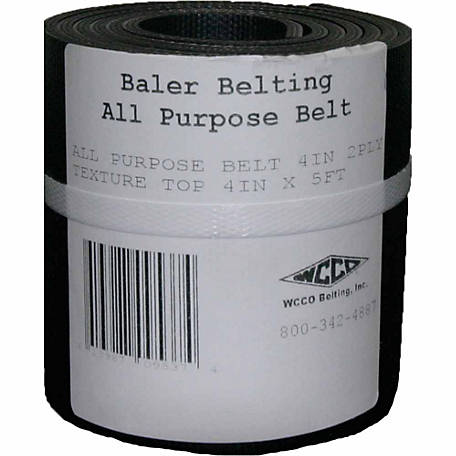
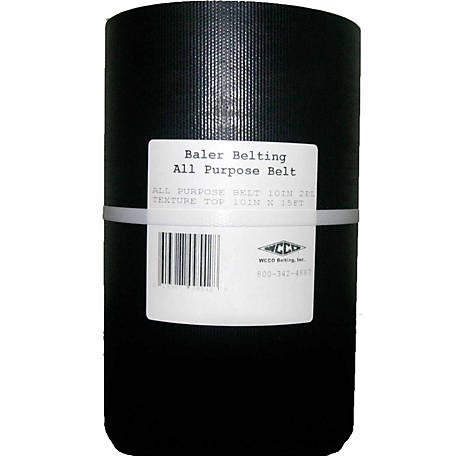
Baler belting is a wide rubber band that draws hay or straw into the chamber and rolls it into a firm, even bale. Most baler belts feature a multi-layered construction designed to resist stretching, cracking and heat buildup during long days of haying and harvesting. A worn or torn belt slips, feeds unevenly and leaves you with loose bales that fall apart in storage. Strong belting keeps the chamber turning, protects the crop and saves time. Belt width and length both matter, and our selection includes a range of sizes to ensure the right fit for your baler, so it tracks straight and grips the material effectively.
Belt Lacing
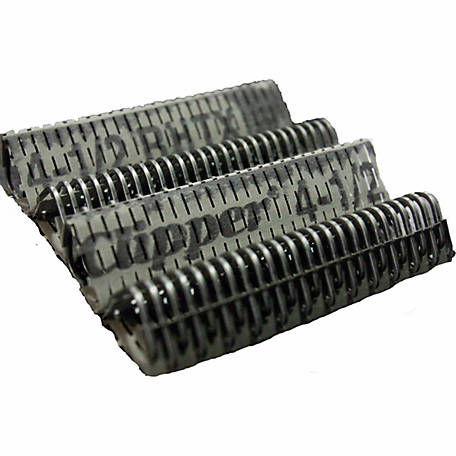
Belting often arrives as a flat length that must be joined into a loop before it can run, and lacing is what connects the two ends. These metal fasteners clamp across the full width of the belt and form a hinge that bends as the belt rolls through the chamber. A lacing kit also lets you mend a belt that has torn at the seam without buying a whole new one. Match the lacing to the thickness of your belt, and the joint feeds smoothly without catching.
Baler Teeth
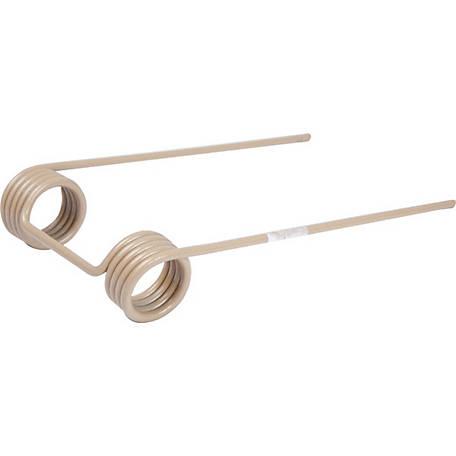
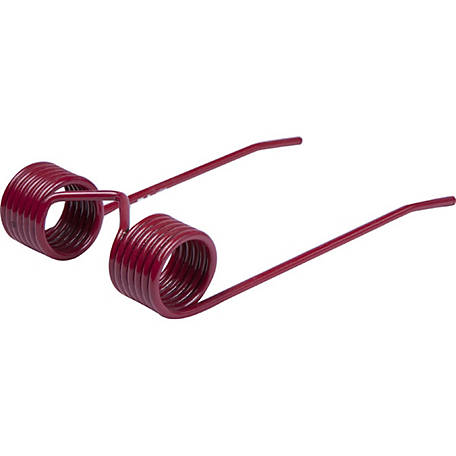
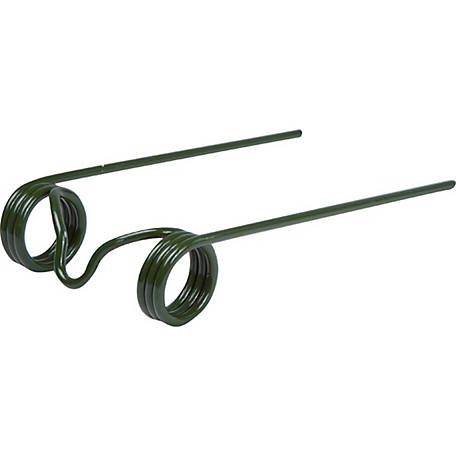
As the baler moves down the field, the teeth gather, sweeping cut hay off the ground and feeding it into the chamber. These curved steel fingers bolt onto a bracket sized for a specific baler, so teeth built for one make will not fit another. Wire-style teeth flex and shed mud, while heavier steel teeth hold up against rocky soil and dense crops. A full, sharp set sweeps every row clean and keeps the chamber fed in one steady pass.
Discover Baler Belting and Accessories at Tractor Supply
To keep your baler field ready, it's essential to have replacement parts on hand before hay season begins. Belting, lacing and teeth are among the components that experience the most wear and tear during heavy farm and ranch use. Explore our full lineup at your local Tractor Supply store or browse our website for the parts you need.