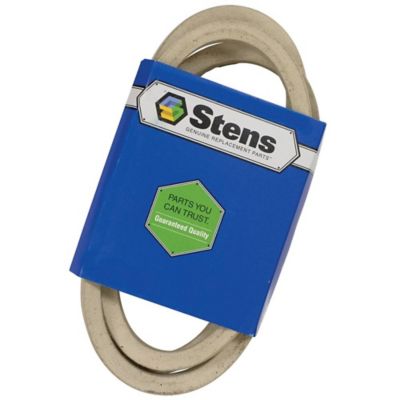
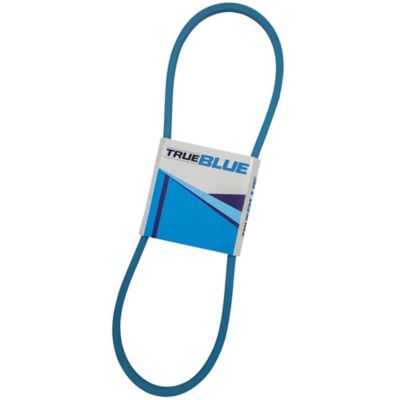
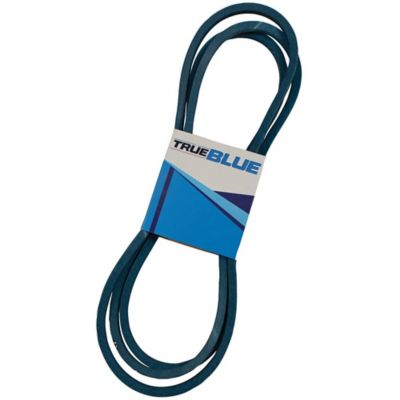
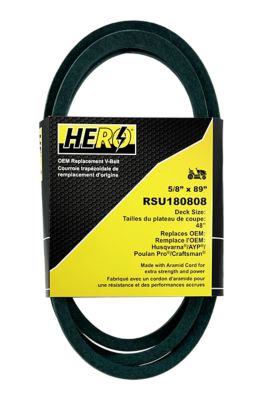
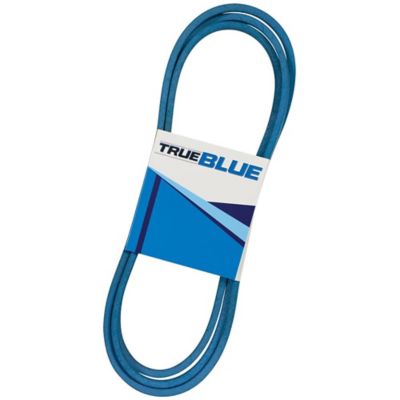
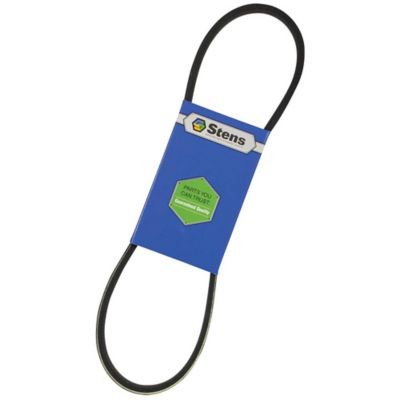
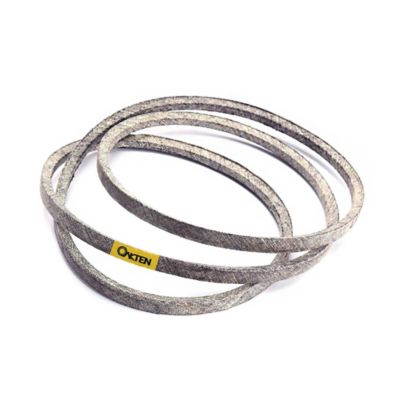
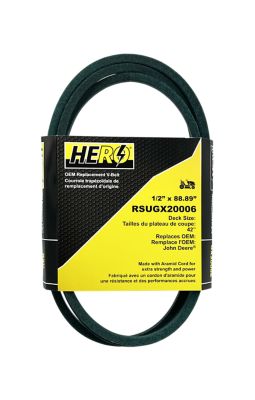
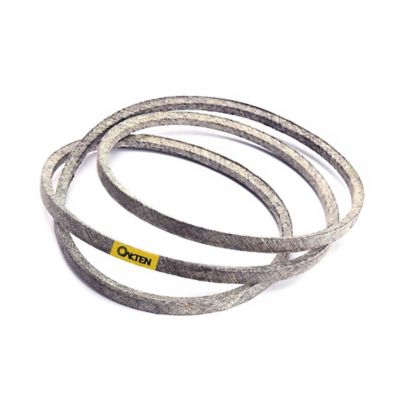
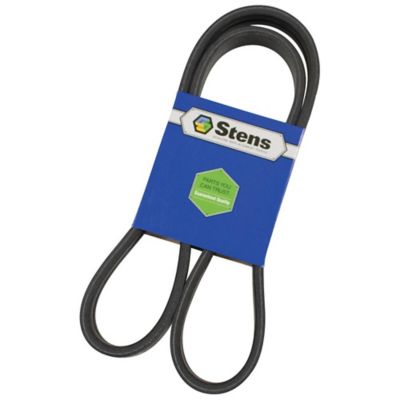
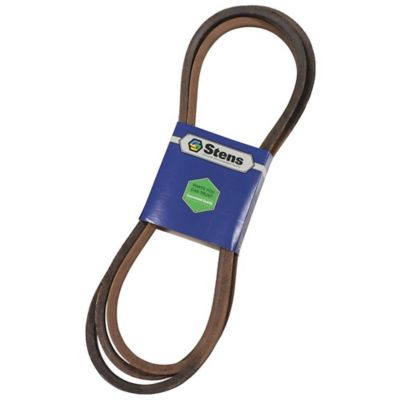
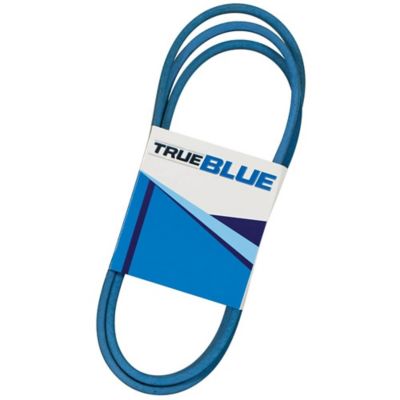
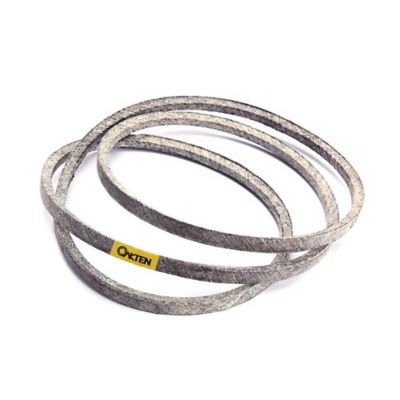
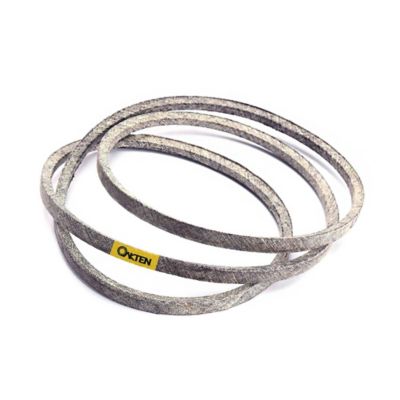
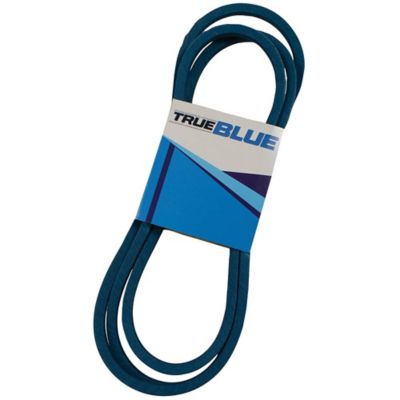
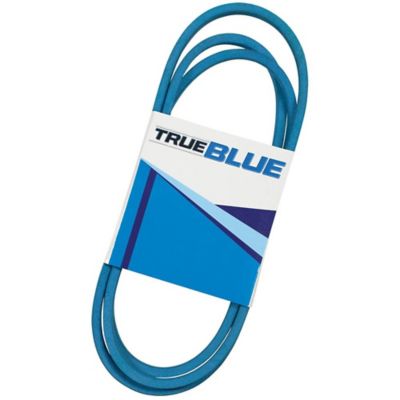
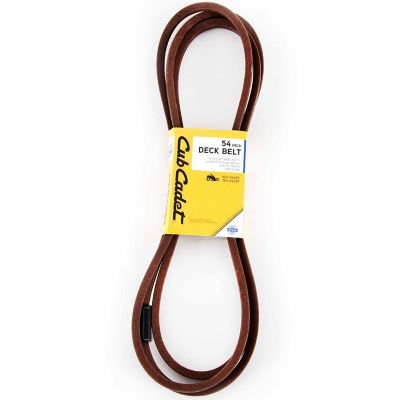
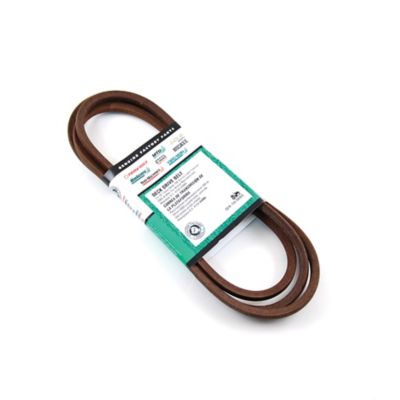
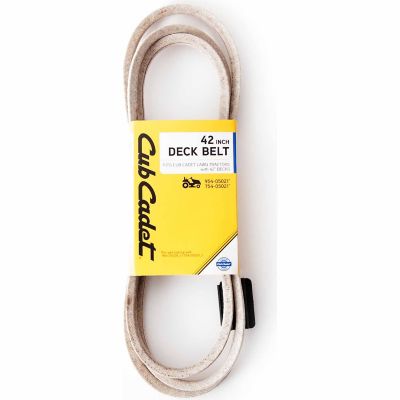
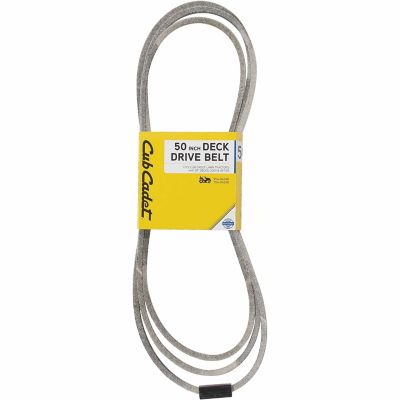
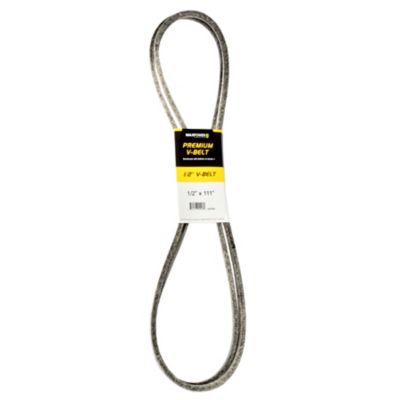
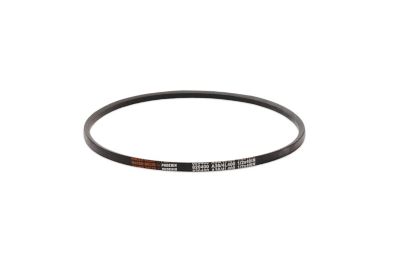
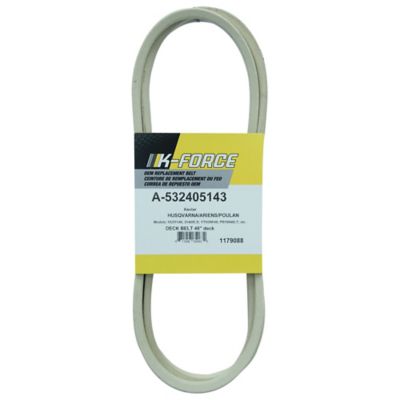
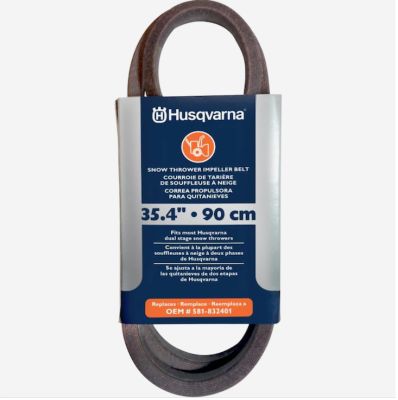
Engine belts keep an engine’s moving parts working together, whether they are under the hood of a daily driver, inside a work truck, or on a mower, tractor or other piece of equipment around the farm. Depending on the application, an engine belt may transfer power to accessories such as the alternator, water pump, power steering pump or air conditioning compressor, or it may keep internal engine components precisely synchronized. Serpentine belts, also called drive belts or accessory belts, are long, continuous belts with several ribs that follow a specific path around pulleys. V-belts use a wedge-shaped profile and are common on many older vehicles, small engines and equipment. Timing belts have teeth that mesh with matching gears to coordinate the crankshaft and camshaft, allowing engine valves to open and close at the right moment. Because these belt types serve different jobs, they are not interchangeable. Before choosing an engine belt, identify the year, make, model and engine size of the vehicle or equipment, then compare the original belt’s part number, length, width, rib count, tooth count and profile with the replacement specifications. A belt that looks close enough may still be too loose, too tight or shaped incorrectly for the pulley system. Checking the owner’s manual, equipment service information or the belt itself can help narrow down the right fit. On a serpentine belt, a routing diagram is especially useful because the belt may weave around several pulleys in a pattern that is not obvious at first glance. If the original diagram is missing, take a clear photo before removal or sketch the route while the old belt is still installed.
Routine inspection can help catch belt trouble before a breakdown leaves a vehicle parked in the driveway or a mower sitting in tall grass. With the engine off, cool and secured, look for deep cracks, missing chunks, exposed cords, frayed edges, glazing, oil saturation or uneven wear. A belt that looks shiny and slick may be slipping against the pulleys instead of gripping them properly. A sharp squeal or chirp from under the hood can point to belt wear, contamination, misalignment or a pulley that is beginning to fail. A broken serpentine belt may stop the alternator from charging the battery, disable power steering, interrupt water-pump operation or shut down air conditioning, depending on the engine design. Overheating, a battery warning light or suddenly heavy steering should be treated as a reason to stop safely and inspect the vehicle rather than continuing down the road. Timing belts are usually hidden behind protective covers, so their condition may not be easy to see. They are replaced according to the vehicle or equipment manufacturer’s service interval, often based on mileage, operating hours or age. Waiting for a timing belt to show visible damage can be risky because failure may allow internal engine parts to collide, leading to costly repairs. When replacing a timing belt, related components such as tensioners, idler pulleys and water pumps may also need attention, depending on the service recommendations. Access to these parts can require substantial disassembly, so many owners choose to have timing belt work completed by a qualified technician. For outdoor power equipment and farm machinery, engine belts may face dust, grass clippings, mud, heat and long periods of heavy load. Keeping pulley areas clean, maintaining the correct tension and storing equipment away from direct weather exposure can help extend belt life. A spare belt can also be a sensible addition to a tool chest or service kit for someone who spends long days maintaining acreage, livestock equipment or property, though the spare should be labeled clearly and stored where heat, oil and sunlight will not damage it.
When comparing engine belts, pay attention to more than price. The correct belt material and construction should match the intended engine, temperature range and workload. A belt used on a high-speed road vehicle may have different requirements from one used on a compact tractor, riding mower, generator or utility machine. Measure only when the application information is unavailable, since a worn belt may have stretched or lost material and produce an inaccurate measurement. Inspect the pulleys at the same time, checking for bent surfaces, sharp edges, rust, wobble and debris in the grooves. A new belt will not run properly on a damaged pulley, and a failing tensioner can cause premature wear even when the belt itself is new. Follow the manufacturer’s installation instructions, release automatic tensioners with the proper tool and never force a belt over a pulley by cranking the engine. Keep hands, clothing and tools away from moving parts, disconnect power where appropriate and allow hot engines to cool before working around them. After installation, confirm that every rib or tooth is seated correctly, the belt follows the proper route and the tensioner moves as intended. Start the engine only after all tools are removed, then watch and listen for abnormal movement, squealing or rubbing. Some belt-driven equipment uses a dedicated belt for an air compressor or similar accessory, and those applications may be found among
Compressor Belts. Engine belts can make a practical gift for a hands-on driver, small-engine owner, farmer or weekend mechanic, especially when matched to a known vehicle or machine rather than chosen by appearance alone. Having the right replacement on hand can save a long trip for parts during the cooler months, when vehicles may work harder to start and equipment maintenance often shifts indoors. Whether servicing a work truck before a long haul, preparing a mower for storage or keeping a tractor ready for chores as the seasons change, choosing a properly matched engine belt supports dependable operation and helps keep everyday work moving.