Construction accessories are the supporting gear that helps keep building, repair, and remodeling work organized, with protection, tool storage, layout supplies, and fastening support suited to the job. They serve contractors moving between jobsites, farm owners fixing outbuildings, maintenance crews handling everyday repairs, and homeowners taking on a room renovation. These accessories earn their place through the details: a glove that lets fingers grip a small fastener, a pouch that stays close while climbing, or knee protection that stays put during floor work. Personal protective equipment is an important part of the category, though each piece needs to match the hazards involved rather than simply look ready for work. Safety eyewear with task-appropriate impact ratings and good side coverage helps guard against flying debris; lens shape and compatibility with prescription glasses affect how comfortably it sits through a long stretch of cutting or fastening. Work gloves vary in palm material, coating, flexibility, and cuff length. Leather can suit rough handling, while certain coated fabrics offer a closer feel for handling hardware, depending on their stated protection ratings. A snug fit without pinching helps maintain control, and loose fingertips can make smaller work awkward. Gloves also require task-specific judgment around rotating machinery, where entanglement may be a concern. Knee pads bring another set of considerations, including cushioning, strap placement, shell shape, and the surface beneath them. Hard outer shells can handle abrasive contact, while nonmarring contact surfaces matter around finished flooring. Hearing protection and head protection likewise depend on the exposure, required ratings, and fit with other gear. Adjustable components can help accommodate different wearers, but adjustment does not replace the correct size or safety classification. On a busy worksite, comfortable gear that stays in position is less distracting than equipment that slips, rubs, or needs constant attention. Manufacturer care directions, inspection for damage, and replacement requirements all matter to continued performance, especially for equipment intended to protect the wearer.
Jobsite organization accessories help keep the small things from turning into a big interruption. A missing pencil, mixed-up fasteners, or a bit buried beneath several tools can bring a simple repair to a standstill. Tool belts, pouches, carry organizers, and divided storage give everyday supplies a designated place, whether the work involves framing a partition, repairing a stall, or hanging shelves in a shop. The best arrangement depends on how the job moves. A compact pouch may make sense for a short punch list, while a wider carrying system can distribute a larger load across more of the body. Belt width, buckle adjustment, pocket depth, and the position of loaded compartments all influence comfort and access. Reinforced stitching, riveted stress points, abrasion-resistant fabric, and substantial leather are common construction details worth considering alongside the weight of the organizer itself. Too much empty carrying space can encourage an unnecessarily heavy load, while pockets that are too shallow may not hold longer tools securely during movement. For storage that travels between a truck and a work area, closure design, handle clearance, compartment size, and latches make a difference. Small-part dividers help separate hardware by type and size, and removable sections can simplify carrying only what a particular task requires. Layout and marking accessories support a different kind of organization: keeping dimensions, reference points, and cut locations clear. Readable markings, comfortable grips, and a marking medium suited to lumber, masonry, or finished surfaces help the work stay consistent. Chalk color and marking permanence deserve attention around surfaces that will remain visible, since some marks can be difficult to remove. Clips, holders, and compatible attachment points can keep frequently reached-for tools close without filling every pocket. Anything carried at height also needs the appropriate retention system for the tool and task; an ordinary belt clip is not a substitute for a rated tether. Thoughtful organization leaves room to move through doorways, kneel beside a wall, and reach the next fastening point without constantly rearranging gear.
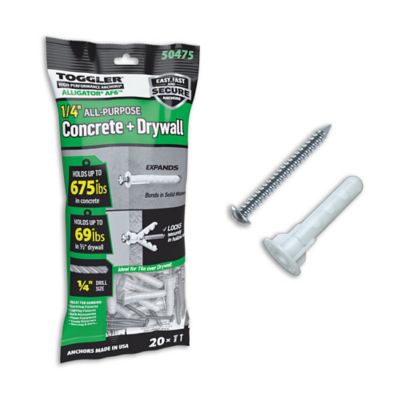
Materials and compatibility matter just as much for construction accessories that become part of an assembly or support the work around it. Metal components may have zinc coatings, galvanized finishes, or stainless steel construction, and the appropriate choice depends on the application, contact materials, and exposure involved. Treated lumber, for example, calls for compatible connectors and fasteners as specified by the lumber treatment and hardware manufacturers. Matching pieces by appearance alone can overlook differences in dimensions, thread type, mounting pattern, or load rating. Structural connections need components intended for that purpose, with installation requirements and applicable building codes taken into account. For work that extends to platforms, steps, and outdoor living areas,
Deck Accessories connects with the same attention to fit, material compatibility, and a finished assembly that suits its intended use. Other construction accessories serve temporary roles, such as holding materials in position, protecting a finished surface, or keeping supplies together between stages of a project. Contact pads, adjustable fittings, and replaceable wear parts can influence how well that supporting gear handles repeated work. Care needs vary by material: fabric organizers may call for brushing out grit, leather may need a manufacturer-approved treatment, and metal parts benefit from removing buildup before clean, dry storage. Harsh cleaners can damage some coatings, plastics, and protective equipment, so care directions are more useful than a one-size-fits-all approach. Cracked plastic, torn straps, loose stitching, and deformed hardware are signs that a piece needs closer inspection rather than another hard day on the job. For a working crew or a property owner with a growing repair list, the right assortment is less about carrying everything and more about having accessories that suit the tasks that come up most often. Comfortable fit, clear specifications, manageable weight, and straightforward care help make that assortment practical for long stretches at the workbench, on the floor, or moving from one repair to the next.