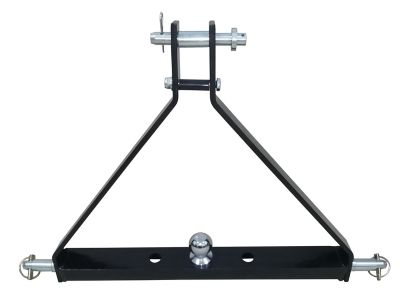
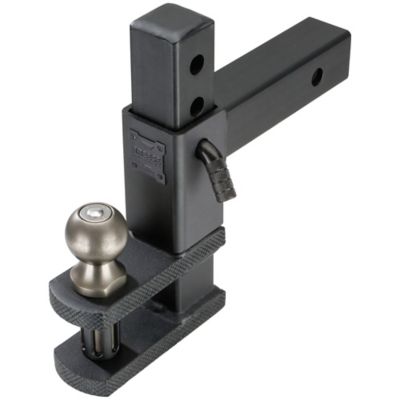
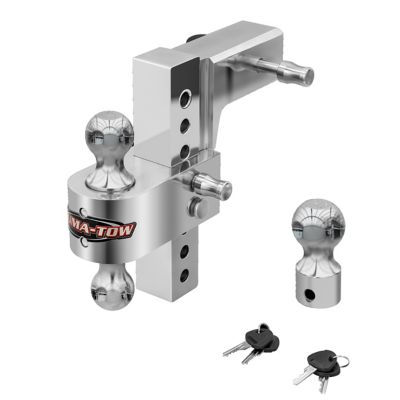
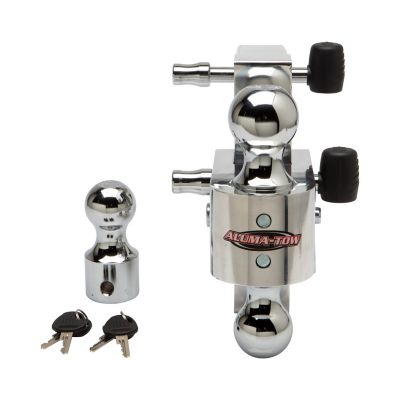
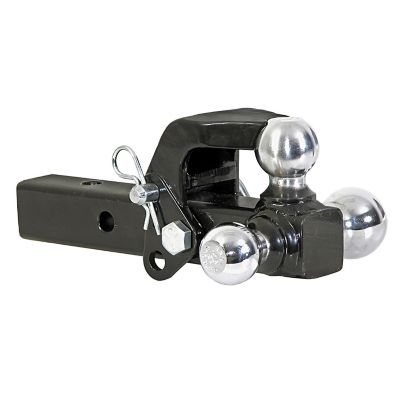
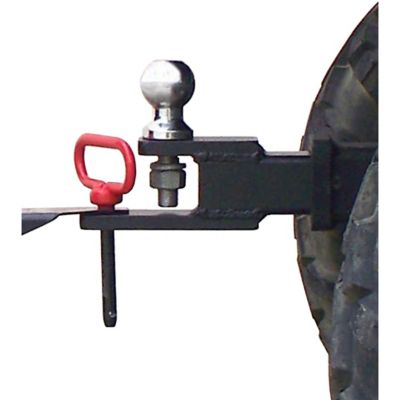
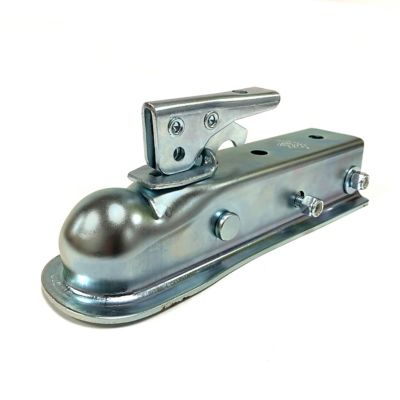
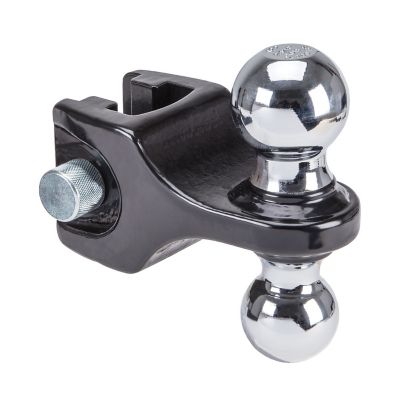
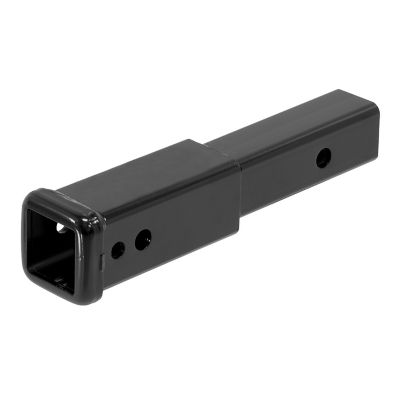
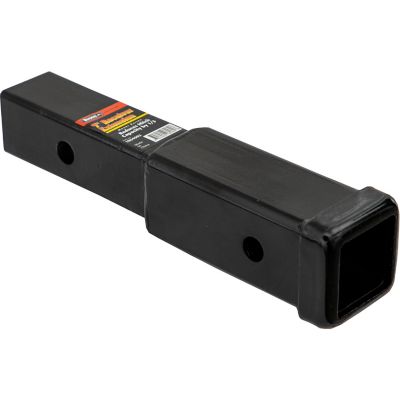
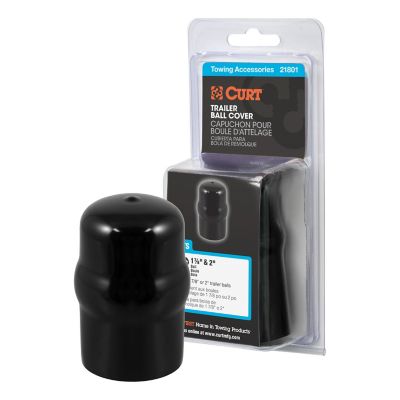
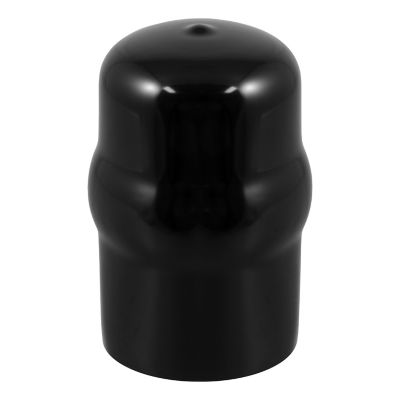
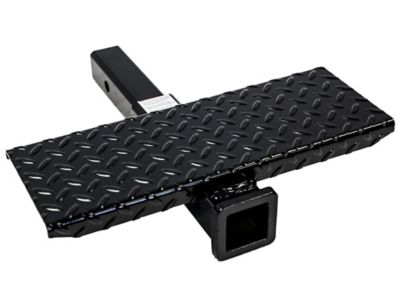
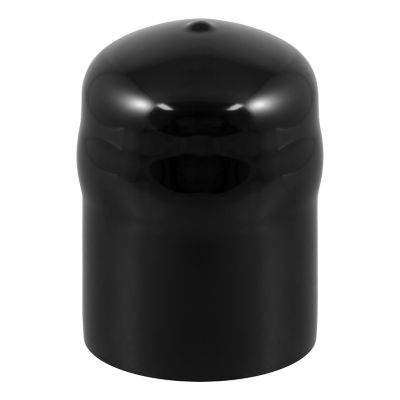
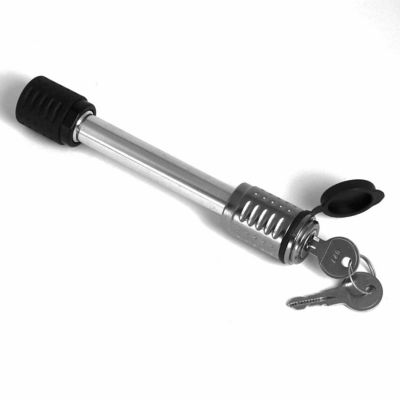
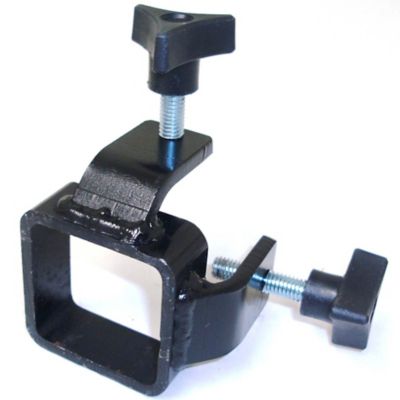
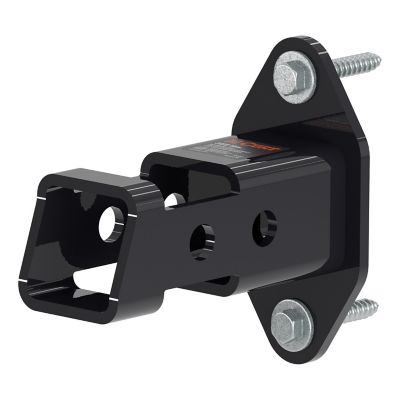
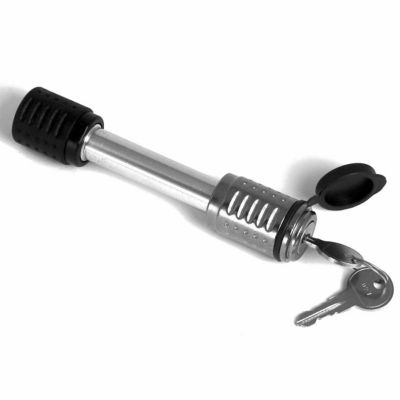
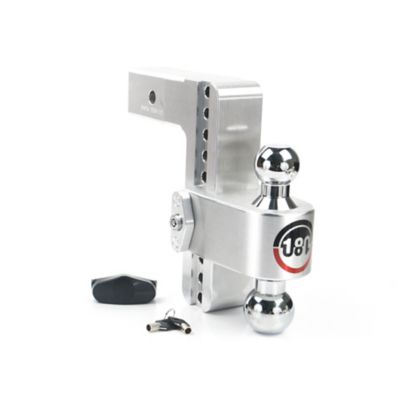
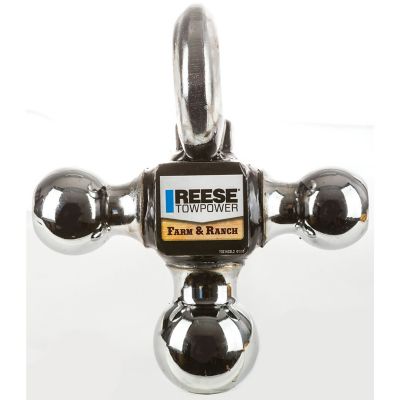
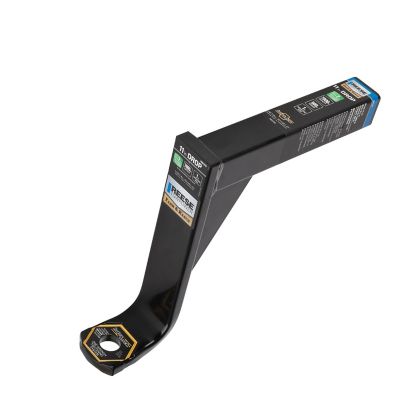
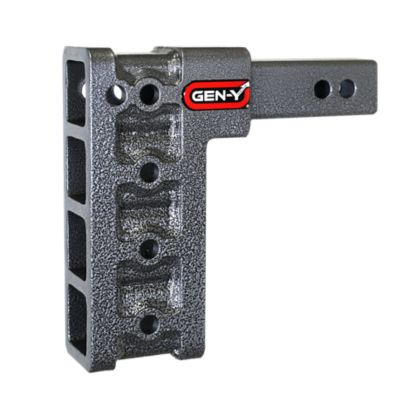
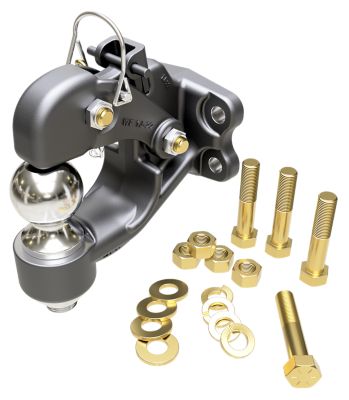
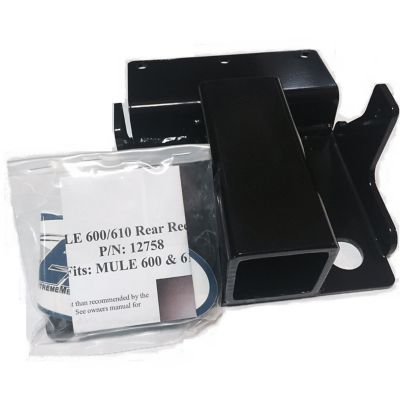
Trailer hitch accessories help bring the truck, hitch and trailer together for the work ahead, whether that means hauling a mower between properties, taking fencing supplies out to a pasture or pulling a utility trailer home from town. The connection may look simple from a few steps away, but several parts have to fit and function together. Ball mounts establish the connection height, hitch balls match the trailer coupler, and hitch pins and clips secure compatible components inside the receiver. Locks add a measure of security, while covers help keep an open receiver clear of dirt and debris between trips. Each accessory has a particular job, and the right combination depends on the vehicle, trailer and load rather than appearance alone. Receiver opening size, pin-hole alignment, hitch ball diameter and shank dimensions all matter. A ball that looks close in size is not a substitute for the diameter marked on the coupler, and a mount that slides into the receiver still needs the correct rating and retaining hardware. Drop and rise measurements also affect how the trailer sits behind the tow vehicle. A pickup and a lower utility trailer may need a different arrangement than the same pickup paired with a taller trailer, even when both trailers accept the same ball size. For trailers designed to travel level, the proper connection height helps support the intended towing stance without asking suspension changes or loose cargo to make up the difference. Weight ratings deserve the same attention as physical fit. Gross trailer weight and tongue weight describe different loads, and the limits for the vehicle and every component remain part of the picture. A higher-rated accessory does not raise the truck’s towing limit or cancel out a lower-rated part elsewhere in the setup. For folks who switch between trailers, clear size and capacity markings make it easier to keep compatible pieces together and avoid guesswork at the hitch. That matters when one trailer carries a light mower and another carries a substantially heavier load.
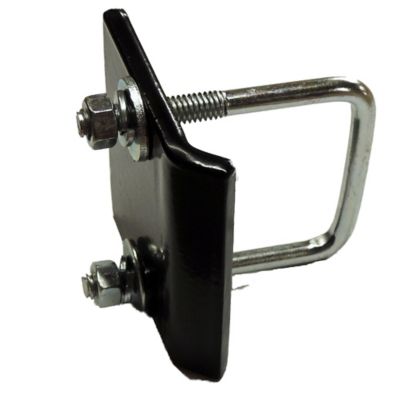
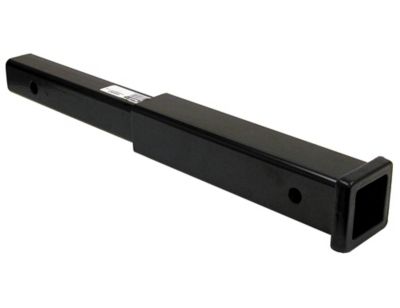
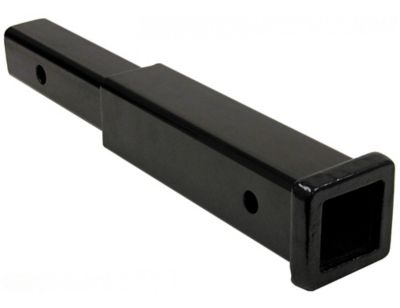
Materials and finishes influence how trailer hitch accessories hold up to regular handling, road grit and time spent mounted on a working vehicle. Steel is common in load-bearing components, with solid or hollow construction depending on the design and application. Forged parts, welded assemblies and machined surfaces each serve a purpose, but the manufacturer’s stated application and rating matter more than judging strength by heft alone. Painted, powder-coated and zinc-plated finishes provide different approaches to protecting the underlying metal. Stainless steel may appear in certain pins, locks or other hardware, though material alone does not establish a towing capacity. Around the receiver, exposed edges and contact surfaces can collect grime or show wear as parts move against each other. Keeping those areas clean makes markings, retaining holes and signs of damage easier to see. A mount with a bent shank, a pin with deep grooves or a ball with substantial wear calls for attention rather than another trip down the road. Locks and moving mechanisms also benefit from care suited to their design, including the lubricant specified by the manufacturer where applicable. Hitch ball lubrication requirements can vary by coupler and hitch system, so a familiar routine from one trailer may not suit another. Storage makes a difference, too. Keeping loose hardware out of the truck bed’s grit and away from shifting tools helps protect threads, finishes and lock mechanisms. A dedicated spot for clips and pins saves time when a trailer needs to leave the barn lot. Anti-rattle accessories can help limit movement or noise in compatible receiver connections, but they do not replace the hitch pin or correct a mismatched fit. Extensions and adapters deserve particular attention because changing the connection’s position can change leverage and allowable capacity. Their convenience has to stay within the instructions and limits of the complete arrangement. Even two vehicles with the same receiver opening can have different restrictions, making the vehicle’s towing information an important part of any accessory selection.
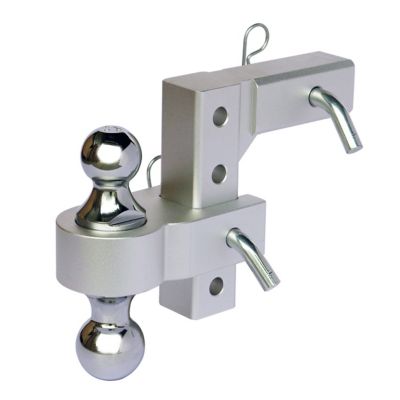
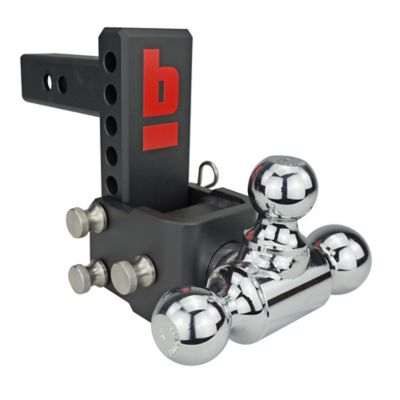
The most useful assortment of trailer hitch accessories reflects the hauling that actually happens around the place. Someone who keeps one utility trailer behind the same truck has different needs than a household that trades between a livestock trailer, an equipment trailer and a small trailer for trips to town. Removable mounts can make those changes more manageable, provided each configuration matches the trailer and carries the appropriate rating. Adjustable designs offer multiple connection heights within their stated limits, while fixed mounts keep a single arrangement straightforward. Receiver locks and coupler locks serve different purposes, and their fit depends on the hardware they secure. Neither takes the place of a sound towing connection or the checks that go with it. Connection hardware such as
trailer hitch hooks also needs to match its intended task; trailer towing, cargo restraint and vehicle recovery are separate applications, and approval for one does not establish approval for another. Safety-chain attachment points, electrical connections and any required breakaway equipment remain important parts of the overall trailer setup, even though they serve different roles from the ball mount and retaining pin. Enough clearance for turns matters as well, especially where a tailgate, spare tire or trailer jack sits near the connection. Around a farm, small details show their value when a loaded trailer is waiting at the gate and there is no time to hunt through a toolbox for a missing clip. Clearly identified hardware, readable ratings and parts kept together by application make the next hookup less of a scramble. For someone who regularly hauls equipment or tends several properties, hitch accessories can make practical gifts when the vehicle specifications and trailer requirements are already known. Whether the trailer travels across the county or just between neighboring properties, well-matched accessories help keep the connection ready for the job without adding unnecessary complication.