HVAC accessories help heating, ventilation, and air conditioning equipment work as a complete system, from the connections behind the unit to the airflow reaching a room. These supporting components handle jobs such as securing equipment, directing air, carrying refrigerant, managing condensation, and connecting system controls. For homeowners, property managers, and folks maintaining a farmhouse or a separate workshop, the right fit matters more than adding bells and whistles. An accessory needs to suit the equipment, the installation location, and the work expected of it. A setup serving a finished room over the garage has different demands than one serving the main house, even when the spaces look similar in size. Across
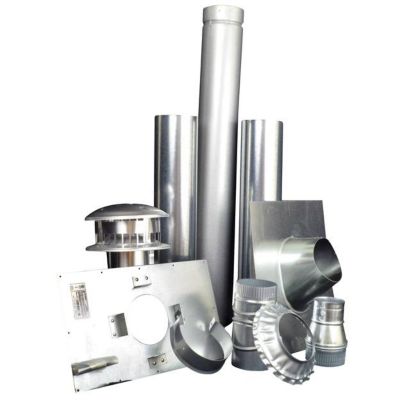
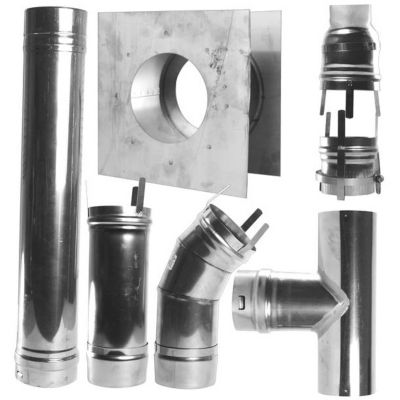
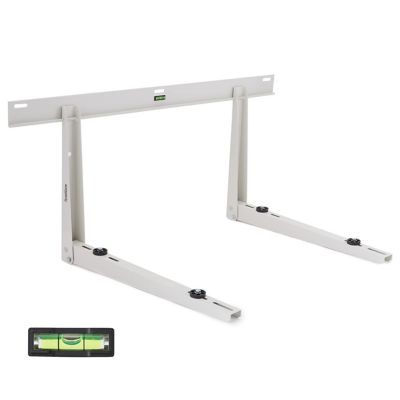
HVAC products, compatibility depends on details such as equipment type, connection size, voltage, airflow requirements, and manufacturer specifications. Those details help distinguish a suitable replacement from a part that merely looks close. Materials matter, too. Galvanized steel provides a protective zinc coating for many air-handling applications, while copper tubing carries refrigerant between matched indoor and outdoor equipment. Molded polymer and composite materials can provide support or protection where their load ratings and installation requirements match the job. Insulation around refrigerant tubing helps limit unwanted heat transfer and condensation on the line, but its thickness and exposure rating need to match the application. Support bases need enough surface area and load capacity for the equipment they carry, along with a level foundation and proper drainage. Raising a unit onto a base does not, by itself, resolve standing water or an unstable site. Mounting and vibration-control accessories also depend on the unit’s weight and attachment points. In a workshop beside the house, limiting vibration transfer can make a noticeable difference at a shared wall, though persistent rattling may signal a loose connection or an equipment problem rather than a need for another add-on.
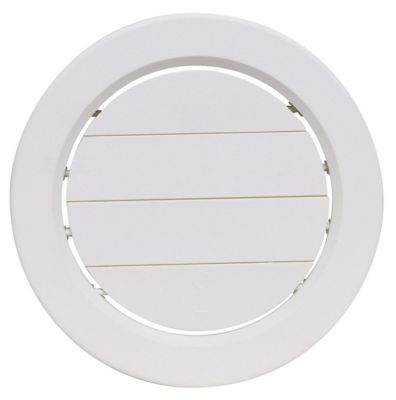
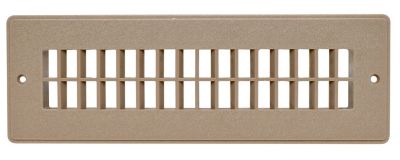
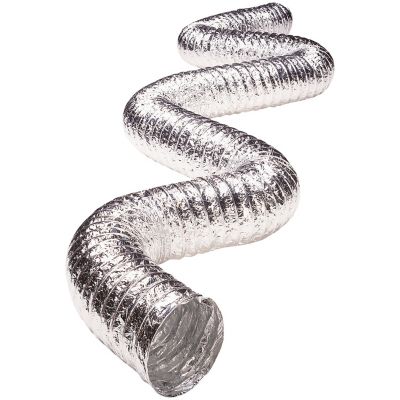
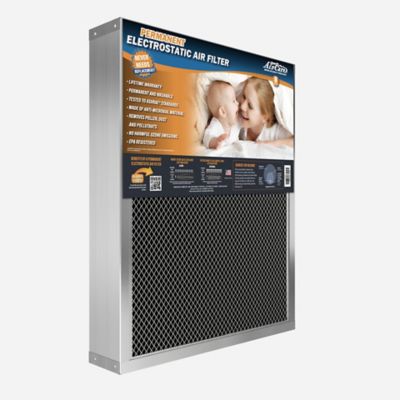
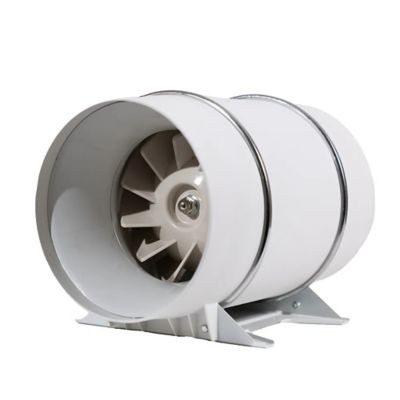
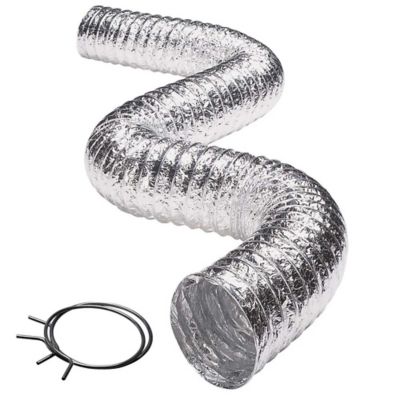
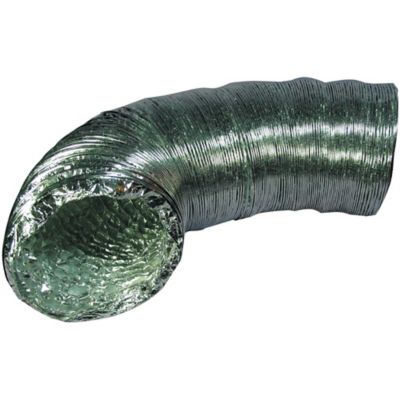
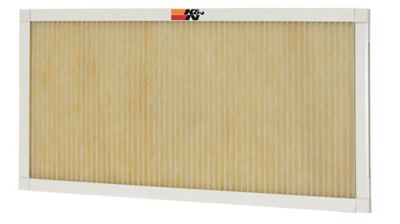
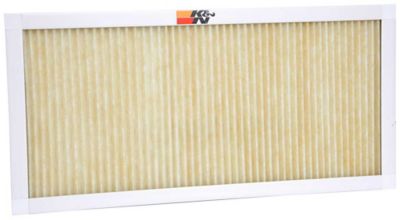
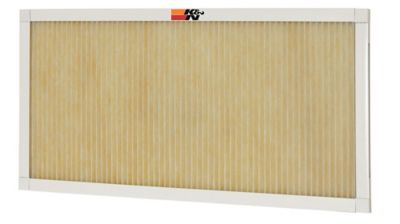
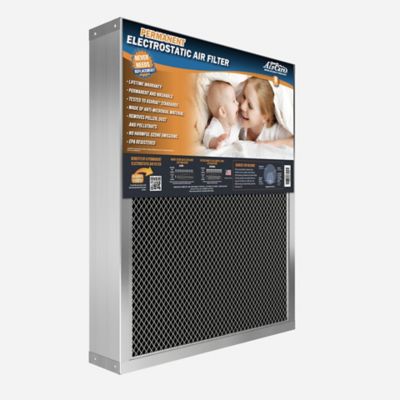
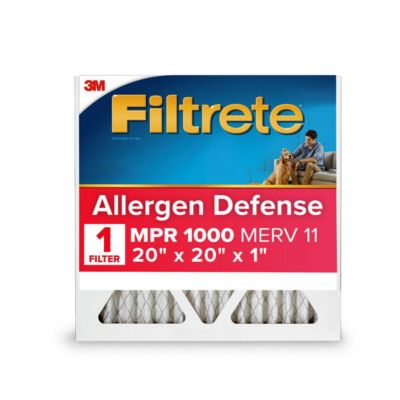
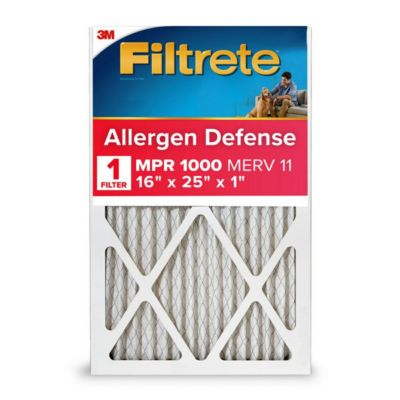
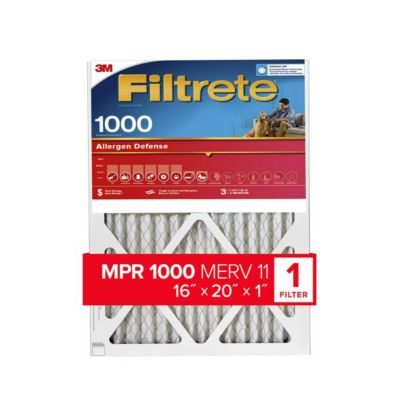
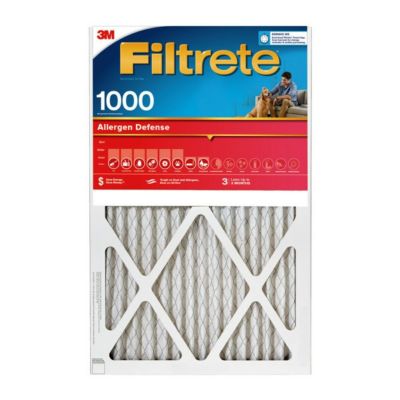
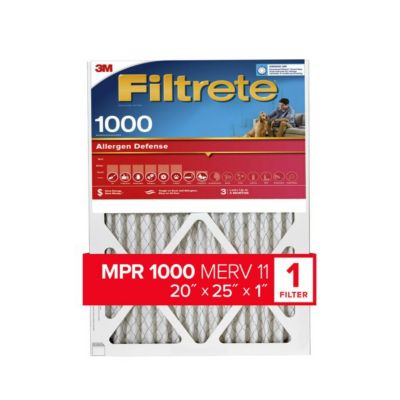
Airflow accessories shape how conditioned air moves through a space, and their fit affects both appearance and function. Supply openings deliver air, while return openings provide a path back to the system; keeping those roles straight helps prevent mismatched replacements. Registers generally include a way to adjust airflow, while grilles typically cover an opening without that adjustment. Nominal sizing often refers to the duct opening rather than the outside edges of the cover, so two pieces with similar face dimensions may not fit the same opening. Floor, wall, and ceiling placements also have different fastening and support needs. A floor installation near muddy work boots calls for a design rated for that location, with a finish that can stand up to routine cleaning. In a room where a sofa sits near a supply opening, an airflow-directing accessory may help steer air into the occupied space, but it should not restrict the opening or substitute for a better furniture arrangement. Closing multiple outlets can also affect system pressure rather than simply send extra air wherever it is wanted. Filtration accessories need equally careful matching. Filter dimensions include length, width, and thickness, and the stated size may differ slightly from the measured size. A snug fit helps prevent air from slipping around the edges, while the filter’s resistance must remain within the equipment’s airflow limits. A higher filtration rating is not automatically a better match for every system. Homes with pets and properties where dust gets tracked in from gravel drives may need more frequent filter checks, with replacement timing based on the manufacturer’s directions and actual buildup. Keeping covers and accessible surfaces clean helps maintain open air paths. Washable components should only be washed when their care instructions allow it, and they need to dry fully before returning to service. Air-cleaning accessories have different capabilities depending on their technology, installation, and operating conditions; no single add-on should be expected to remove every airborne concern. Humidity-control accessories likewise need to suit the system and the space, since excess moisture can create problems just as insufficient moisture can affect comfort.
Installation and control accessories take care of less visible tasks that still have a big bearing on everyday operation. Refrigerant connections require tubing dimensions, pressure ratings, insulation, and connection methods approved for the equipment. Line length and routing also matter, especially when indoor and outdoor sections sit on opposite sides of a building or at different elevations. Electrical connection components need ratings that match the circuit and the location, including exposure to moisture where applicable. A disconnect provides a local means of isolating equipment from its electrical supply for service, but safe servicing still requires proper shutdown procedures and verification that power is off. Surge protection can help limit damage from certain voltage spikes when correctly specified and installed, though it cannot prevent every electrical failure. These are jobs for qualified professionals working to equipment instructions and applicable codes, not places to make a near match fit. Controls have their own compatibility details, including system voltage, heating and cooling stages, heat-pump functions, and wiring requirements. Connected controls may also depend on a suitable network and an additional power wire, so remote access is only one part of the decision. A straightforward interface can be especially helpful in a rental property or shared workspace where several people need to operate the system. Condensate-handling accessories support drainage from equipment that produces moisture during operation. Drain routing, connection size, access for cleaning, and overflow protection deserve attention, particularly when equipment sits above a finished ceiling or beside stored belongings. Routine care includes looking for blocked drains, deteriorating insulation, loose supports, and signs of corrosion without opening electrical or refrigerant connections. Cleaning methods should suit the material and finish; harsh chemicals can damage coatings, plastics, or seals. Service life depends on exposure, installation, maintenance, and operating conditions as much as material thickness. Whether the job involves refreshing visible air outlets or supporting a larger equipment installation, HVAC accessories work best when each component has a clear purpose and matches the system it serves. That attention to fit helps keep everyday operation practical, service access manageable, and the finished setup suited to the property.