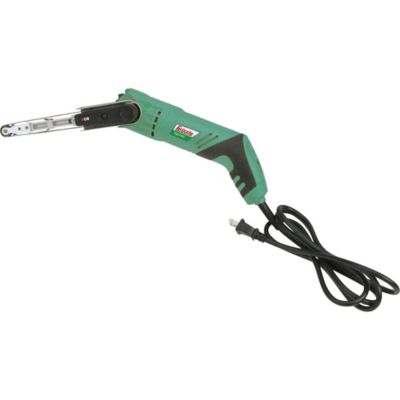
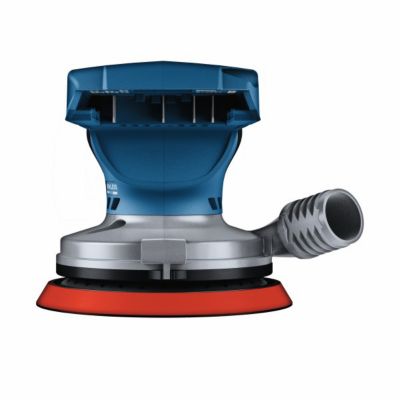
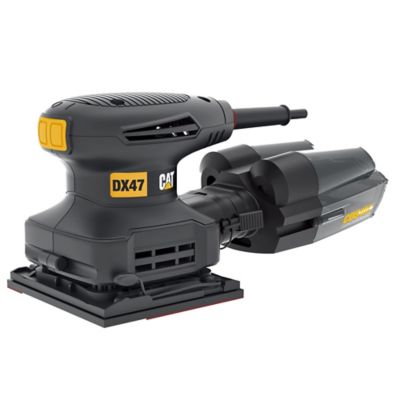
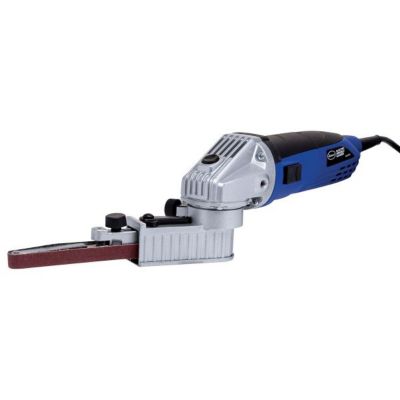
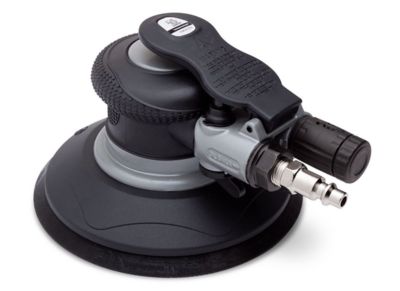
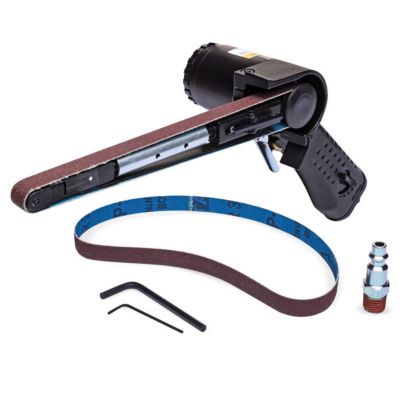
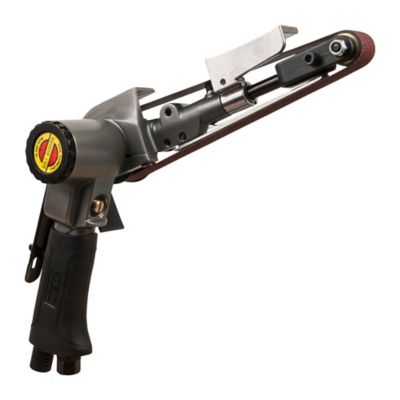
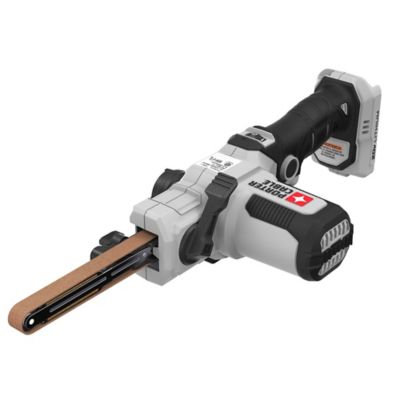
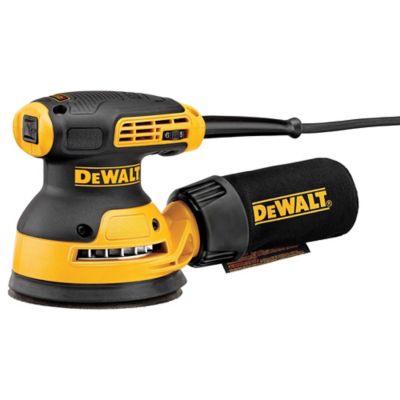
Woodworking sanders help turn rough lumber, patched surfaces, and freshly assembled projects into wood that feels good under your hand and looks ready for a finish. They handle everything from leveling a proud joint to smoothing a broad tabletop, with different sanding actions suited to different jobs. For general woodworking, a random orbital sander is a versatile starting point because its rotating, oscillating pad removes material while limiting the obvious scratch patterns that simpler sanding motions can leave. Models with 5-inch or 6-inch pads offer a practical balance of coverage and control for furniture parts, shelves, doors, and other everyday shop work. A smooth result still depends on the abrasive, the wood, and a steady touch; no powered sander makes every sanding mark disappear on its own. Belt sanders take a more aggressive approach, moving a continuous abrasive belt across the surface to remove stock quickly. For boards with stubborn high spots or broad surfaces that need substantial sanding,
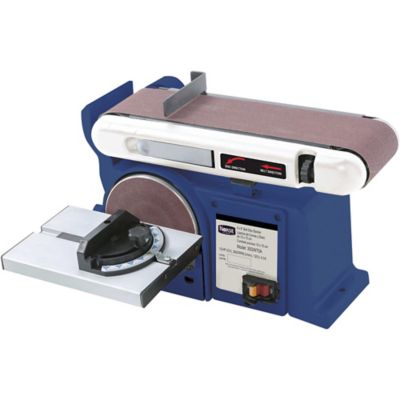
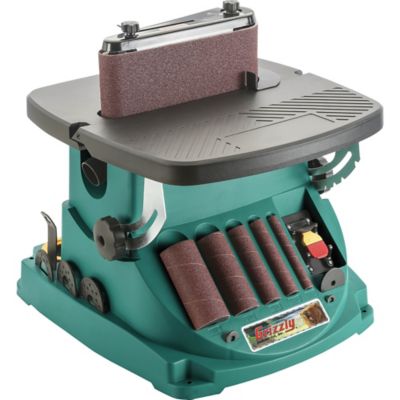
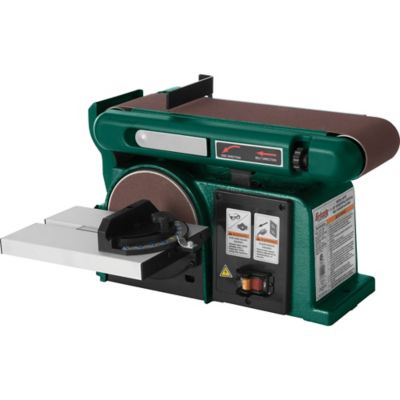
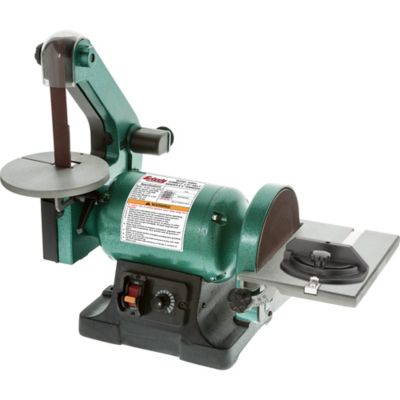
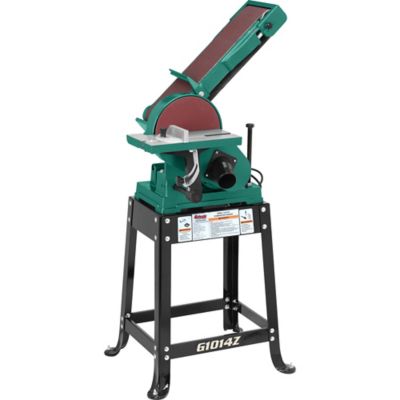
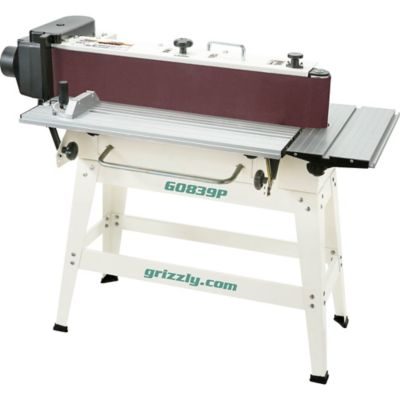
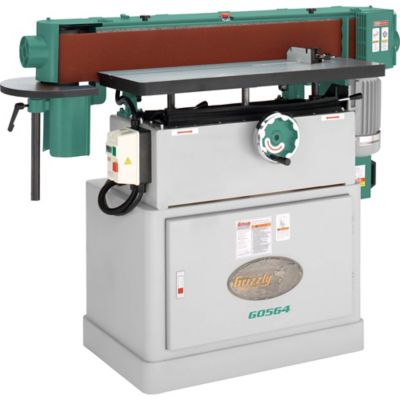
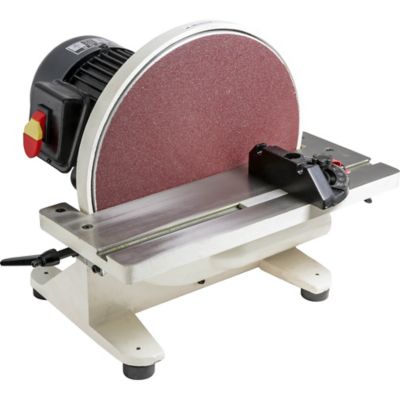
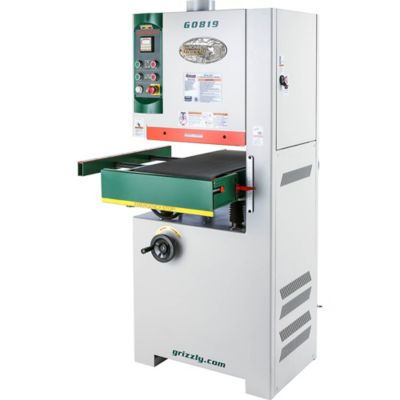
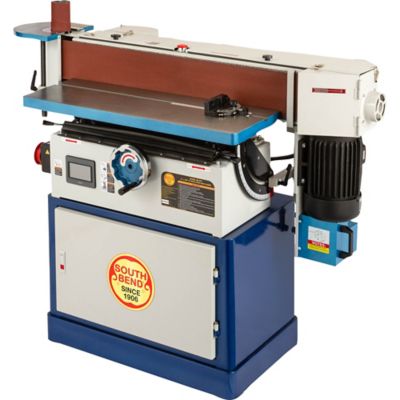
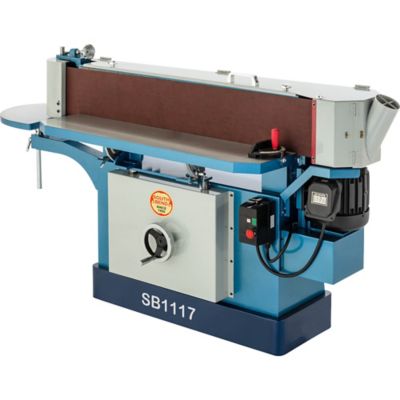
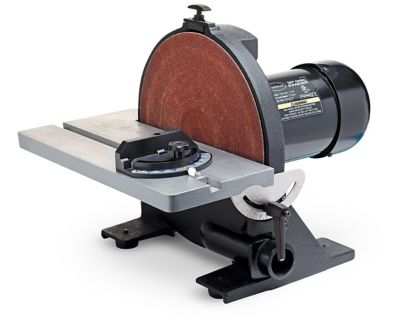
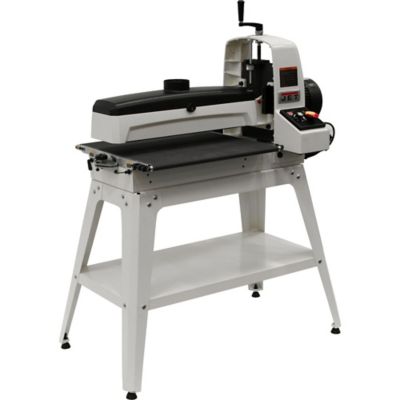
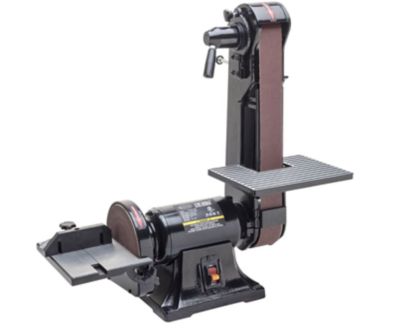
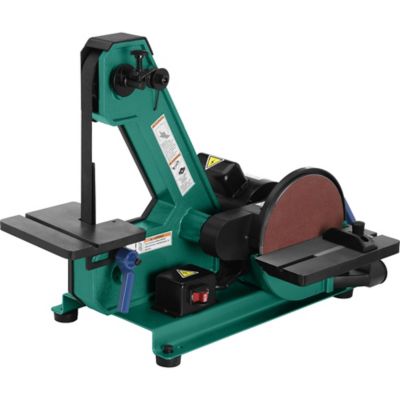
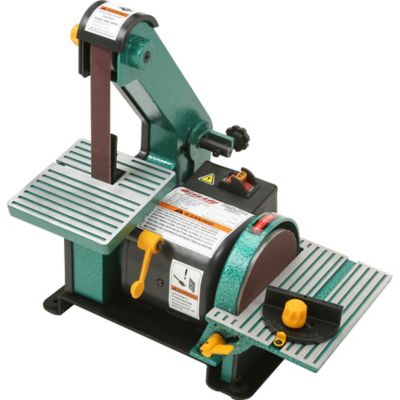
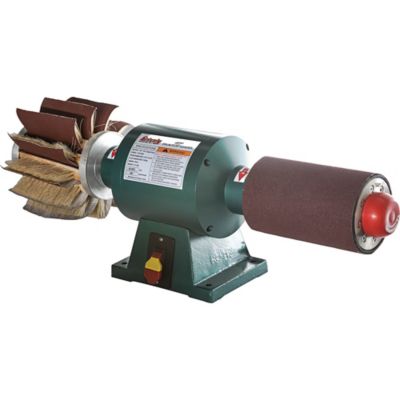
Handheld Belt Sanders offer fast material removal in a portable tool. That strength calls for care around edges, soft wood, and thin veneers, where too much sanding can change the shape of a piece before you notice it. Sheet sanders suit lighter smoothing and finishing work, while detail sanders reach into corners and small spaces where a round pad cannot fit. For a shop with room for stationary equipment, benchtop belt and disc sanders support edge shaping and smaller parts. Spindle sanders work along inside curves, and drum sanders help bring broad, properly prepared panels toward a consistent thickness and smoother surface. A drum sander is not a substitute for a jointer when a board needs a flat reference face. The best woodworking sander for a particular shop comes down to the surfaces it will handle most often, how much material needs to come off, and how much control the work demands.
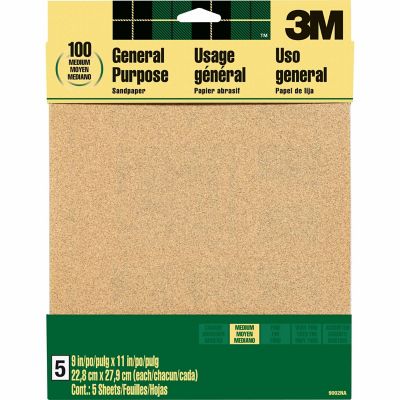
When comparing woodworking sanders, it pays to look beyond motor ratings and consider how the tool will fit into an ordinary afternoon at the bench. Pad or belt size affects both coverage and access: a larger sanding area makes quicker work of wide boards, while a smaller footprint can feel more manageable on narrow rails and compact projects. Variable speed gives you another way to match the sanding action to the task, especially when moving between heavy stock removal and a lighter finishing pass. Tool weight matters, too. A substantial sander may feel settled on a horizontal surface but become tiring against an upright cabinet side. Grip shape, vibration, switch placement, and a cord that stays clear of the work can make a noticeable difference during longer sessions. Corded sanders offer steady operation without battery changes, making them a good fit for a bench near an outlet. Cordless sanders bring more freedom to work around large assemblies or tackle repairs away from the main shop, though battery weight and runtime deserve a place in the purchase decision. Anyone already working with cordless tools should check battery compatibility rather than assume packs will interchange. Abrasive availability is just as important as the tool itself. Disc diameter, belt dimensions, attachment style, and dust-hole pattern need to match the sander, and having suitable grits on hand keeps a project from stalling halfway through. Dust collection deserves close attention, particularly during the cooler months when more work moves indoors. An onboard bag or canister catches some debris, while a compatible vacuum connection can improve collection at the source. Check port dimensions and any adapter requirements before buying. Good collection helps keep the surface visible and reduces loose dust around the bench, but it does not replace ventilation, eye protection, hearing protection, or respiratory protection appropriate to the work. Easy access for abrasive changes, available replacement pads, and straightforward maintenance also matter when choosing a sander you plan to keep in regular rotation.
Woodworking sanders earn their space in farm shops, home garages, and small woodworking businesses because so many projects reach that familiar stage where the pieces fit, but the surfaces still need attention. A shelf may be square and solid yet have pencil marks and slightly raised joints. A repaired drawer front may need careful blending around a patch. A workbench top may feel rough after years of hard service, even though there is plenty of sound wood left beneath the surface. Sanding helps refine those details before paint, stain, or a clear finish goes on. It cannot hide a poor glue joint or correct every milling problem, but it can make sound work feel finished. The difference is easy to notice when your palm passes over a tabletop edge without catching a rough spot. For beginning woodworkers, manageable weight, simple abrasive changes, and comfortable control often matter more than extra features. More experienced builders may want several sanding styles available so a broad panel, an inside curve, and a tight corner each get the right treatment. A woodworking sander can also make a thoughtful gift for someone setting up a shop, repairing furniture, or spending more evenings on indoor projects during the cooler months. Knowing their usual projects, available bench space, and power setup helps narrow the choice without guessing. Whatever the project, finish preparation rewards restraint. Coarse abrasives remove stock quickly but leave deeper scratches, while finer abrasives refine the surface rather than efficiently erase deep marks left several grit levels behind. Thin veneer and crisp edges need particular care, and leaning hard on a sander can create uneven spots or interfere with its intended action. Dust left on the wood can also obscure scratches that become noticeable once a finish goes on. Choosing sanding equipment that suits the work makes those final passes easier to control, whether the goal is a painted storage cabinet, a smooth bench seat, or a tabletop ready for everyday family life.