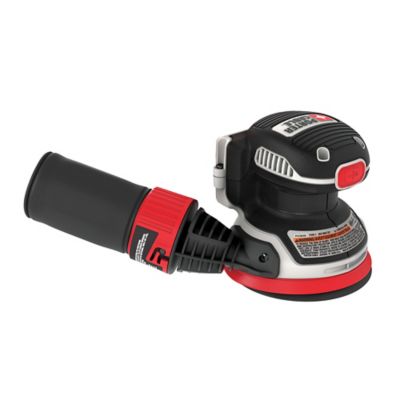
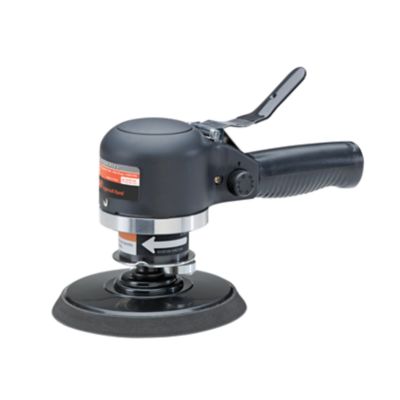
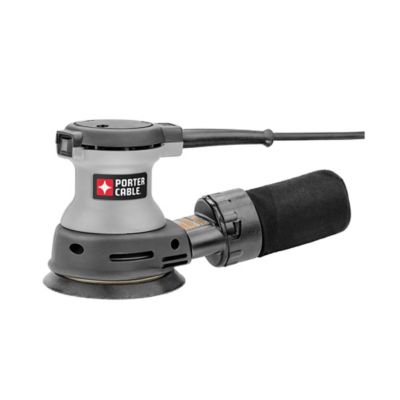
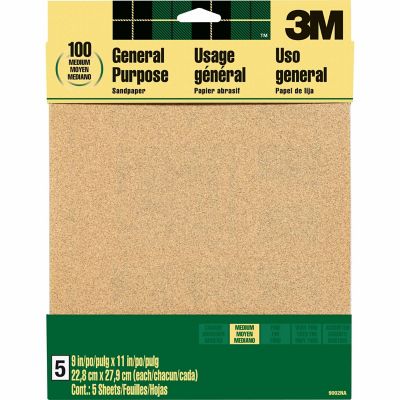
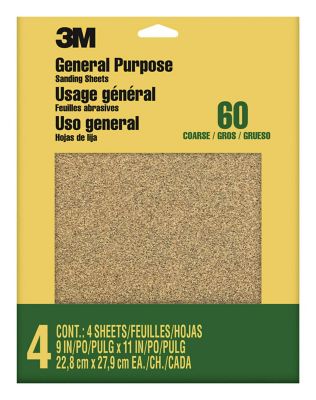
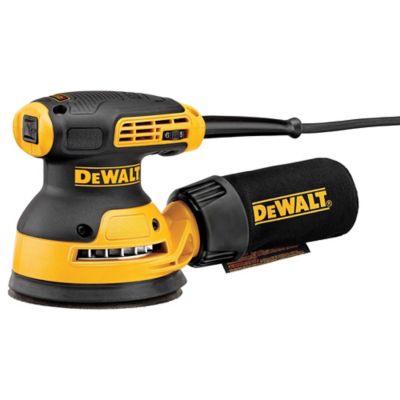
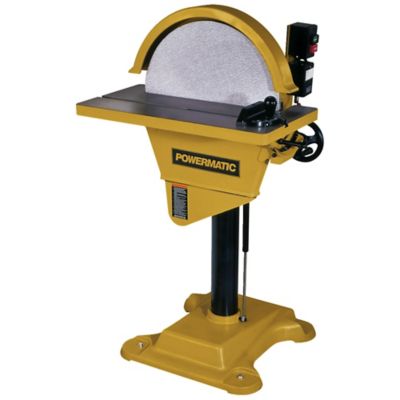
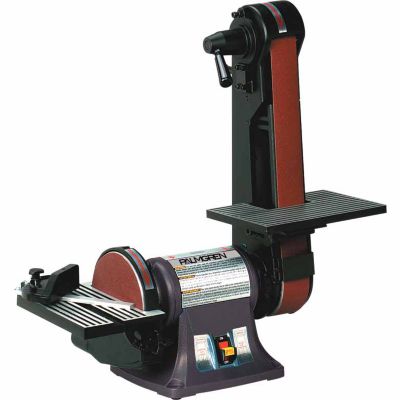
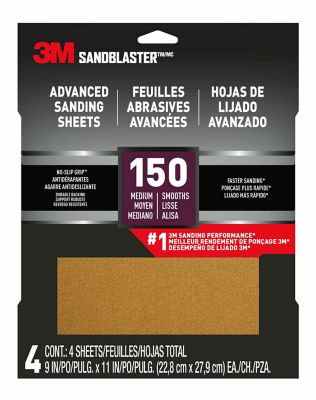
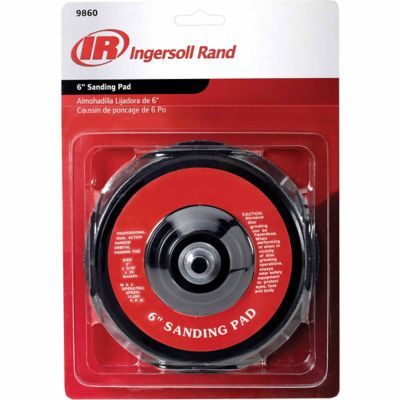
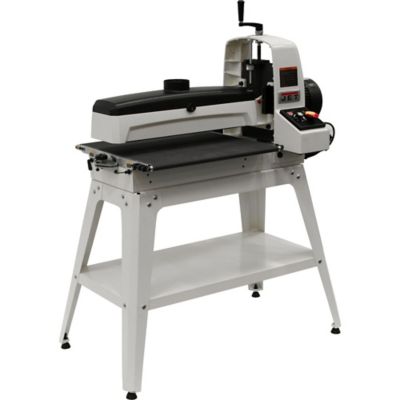
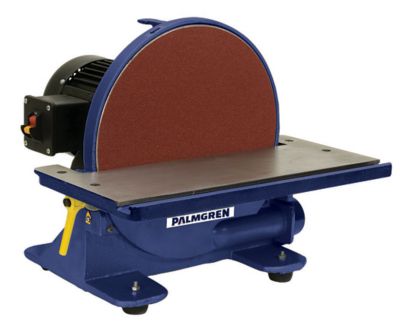
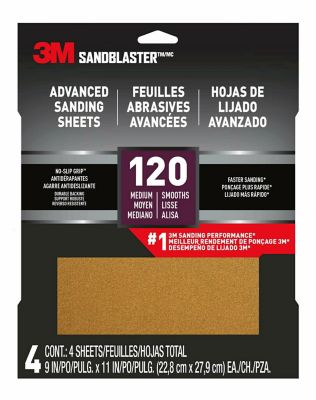
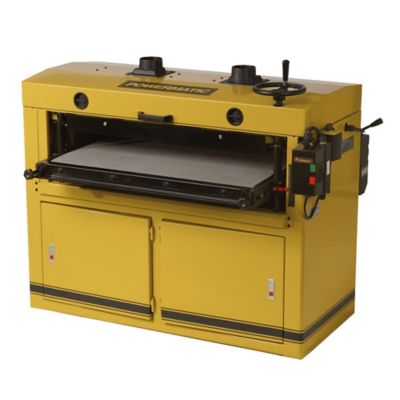
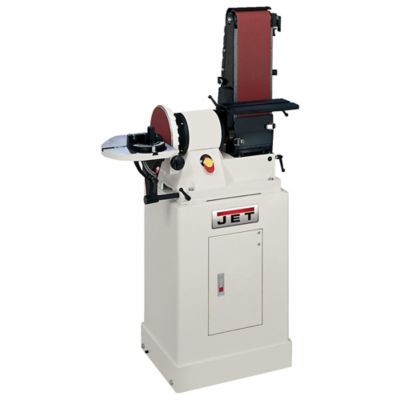
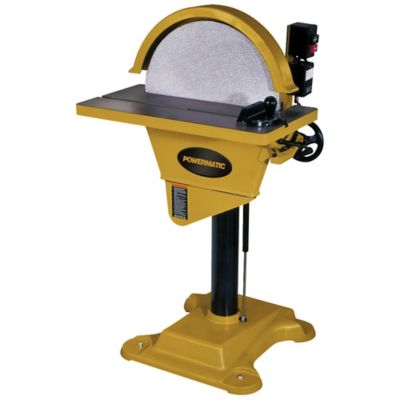
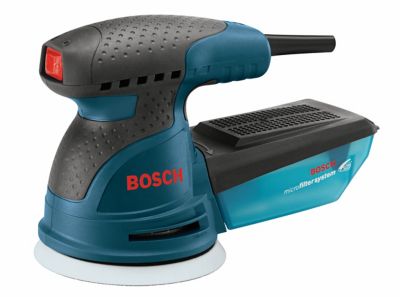
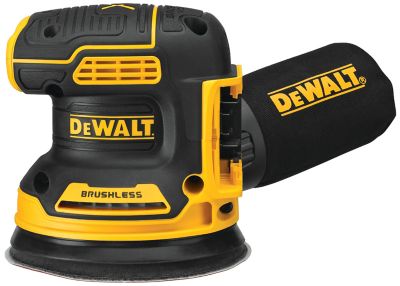
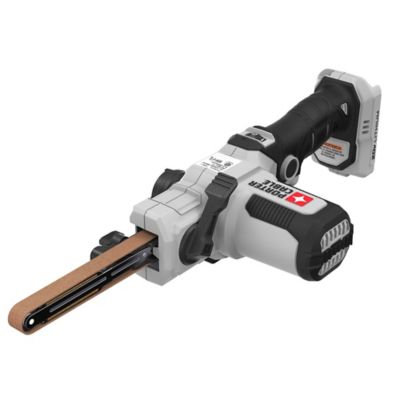
A hand sander is a manual or powered tool that uses abrasive sandpaper to smooth, shape, clean, or prepare a surface. Depending on the style, a hand sander can help take rough saw marks off a board, soften a sharp edge, remove old finish, smooth drywall compound, or prepare metal for paint. Manual sanding blocks are the straightforward choice for small repairs, touch-ups, and jobs where a steady hand matters more than speed. A block made from foam, rubber, or wood helps hold sandpaper flat while giving you good control along edges and broad surfaces. They are handy for smoothing a freshly cut shelf, knocking down a splinter on a gate, or feathering a patched spot before painting. Powered sanders make larger jobs less tiring, especially when working on furniture, cabinets, doors, fencing components, or other wide, flat surfaces. Random orbit sanders move the abrasive in a spinning and oscillating motion to help reduce visible swirl marks, making them a practical all-around option for many wood projects. Detail and corner sanders use a compact pointed pad that can reach into inside corners, narrow edges, and shaped areas where a round pad cannot. Belt sanders remove material quickly and are best suited to heavier shaping and aggressive sanding, such as leveling uneven boards or working down a stubborn layer of finish. For more ideas and options suited to shop projects, browse
Woodworking Sanders alongside the hand sander selections.
The right hand sander depends first on the material and the size of the job. Wood is the most common sanding surface, but the appropriate abrasive and tool can also be used for drywall, painted surfaces, and some metals. Softer materials generally call for a lighter touch, while rough lumber or thick finish may need a coarser grit at the beginning. Coarse sandpaper removes material faster, medium grits even out scratches and prepare a surface for the next step, and fine grits leave a smoother finish for paint, stain, or clear coating. Moving through the grits instead of jumping straight from very coarse to very fine usually gives a cleaner result. A large tabletop or long board is easier to handle with a powered sander that covers ground evenly, while a small repair, narrow trim piece, or delicate edge may be better served by a sanding block or compact detail tool. Consider the shape of the surface, too. Flat panels are fairly simple, but rounded rails, carved parts, beveled edges, and tight corners need a sander that can follow their contours without digging in. Hand size and comfort matter when a project may stretch across an afternoon. Look for a tool that is easy to grip, simple to control, and not so heavy that your wrist starts to tire before the work is done. If choosing a powered model, corded tools can provide steady run time in a workshop, while cordless options are convenient for moving between a barn, shed, garage, or jobsite. Dust collection, pad size, speed control, replacement sanding sheets, and the availability of compatible abrasives are also worth checking before making a purchase. A compact hand sander can be a thoughtful gift for someone setting up a first workshop, fixing up an older farmhouse, building hunting-camp furniture, or taking on weekend woodworking projects. For a seasoned do-it-yourselfer, fresh sanding discs or sheets in several grits are useful shop supplies that rarely go to waste.
Good sanding comes from patience and even pressure rather than forcing the tool into the material. Start with a clean, dry surface and secure the workpiece so it cannot shift while you work. Let the abrasive do the cutting; pressing down hard can slow the sander, wear out the paper, leave dips, and make the motor work harder. On wood, sanding with the grain by hand helps limit cross-grain scratches, while a powered sander should be kept moving steadily instead of sitting in one spot. Test an unfamiliar abrasive on a hidden area or scrap piece before tackling the finished surface. When smoothing a painted board or an older piece of furniture, take care around layers that may contain unknown coatings, and avoid creating unnecessary dust. Eye protection and a properly fitted dust mask or respirator are sensible additions, and hearing protection is helpful around powered tools. Keep loose clothing, hair, and cords away from moving parts, and unplug corded sanders before changing paper or clearing dust. Sanding can be especially useful during the cooler months, when indoor shop projects and repairs move to the garage or workbench, but these tools are just as useful for outdoor upkeep whenever a dry stretch makes it possible to refresh a gate, porch rail, planter, or picnic table. Whether the job involves a quick touch-up or a full surface makeover, choosing the right hand sander and abrasive helps turn rough, weathered, or unfinished material into a smooth surface ready for stain, paint, sealant, or everyday use.