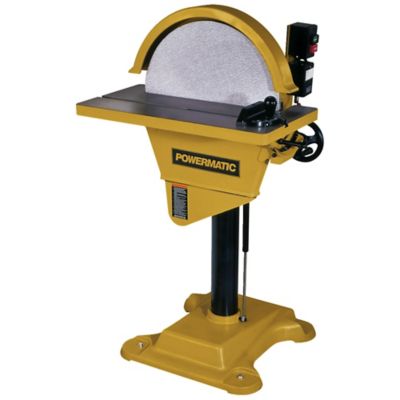
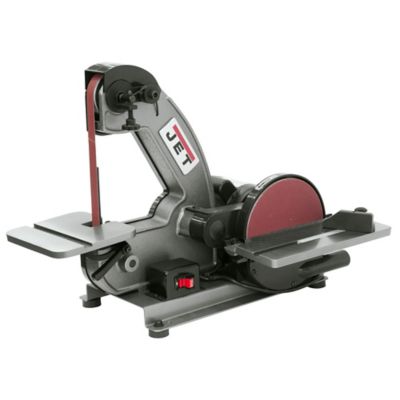
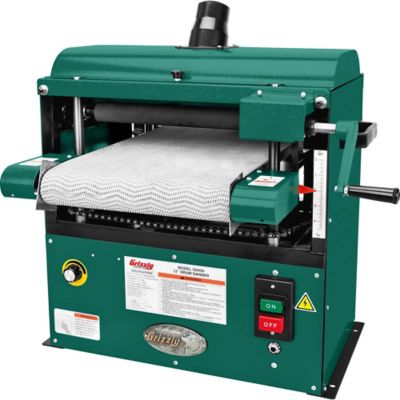
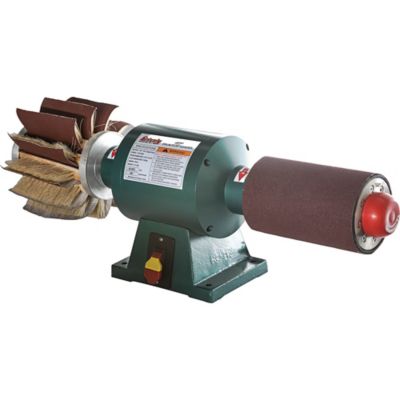
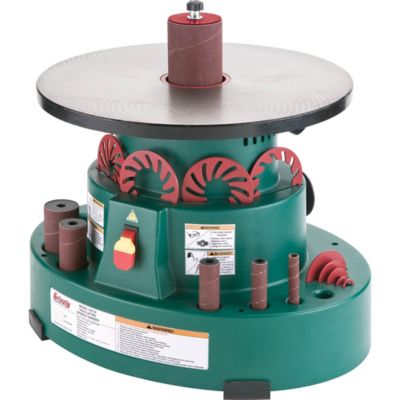
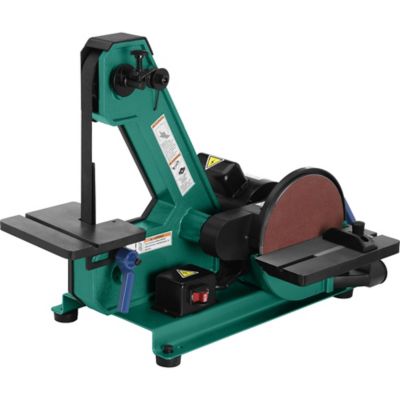
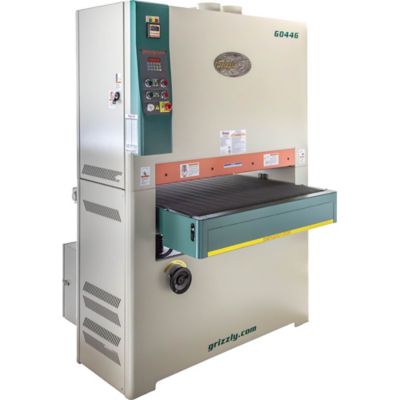
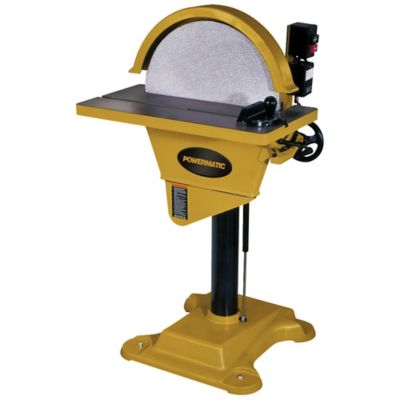
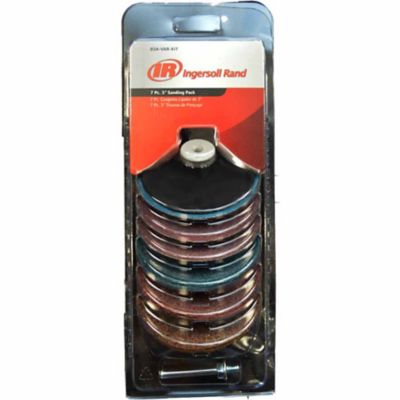
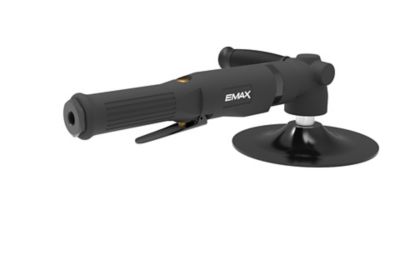
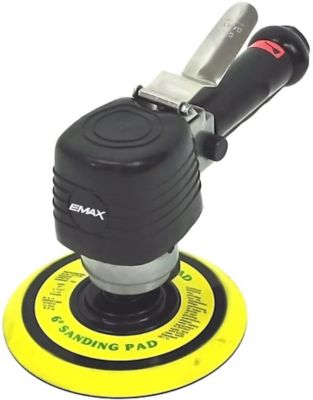
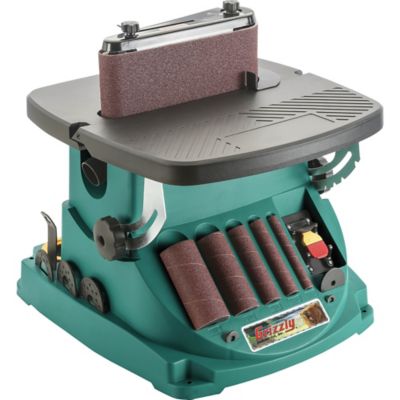
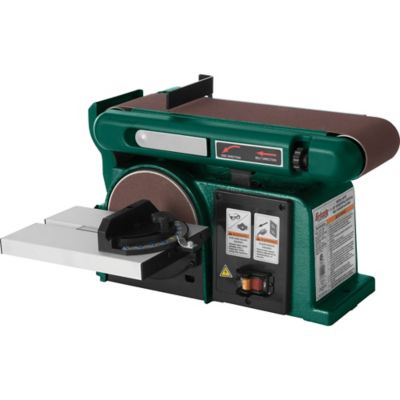
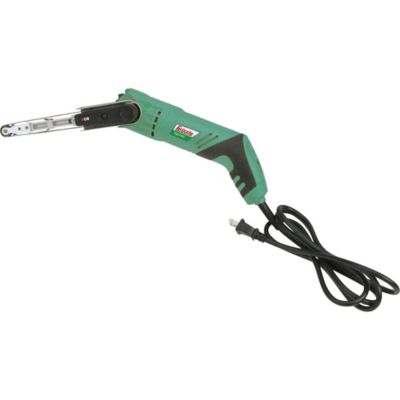
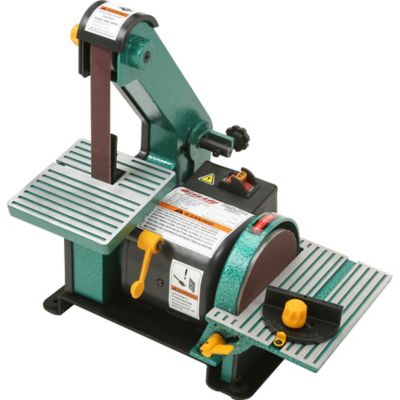
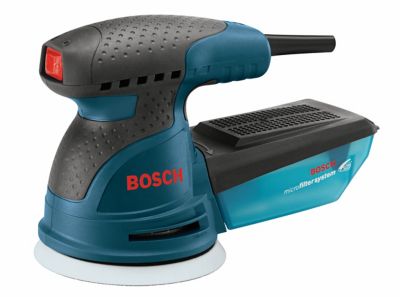
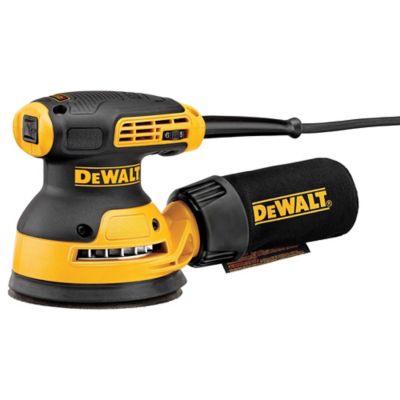
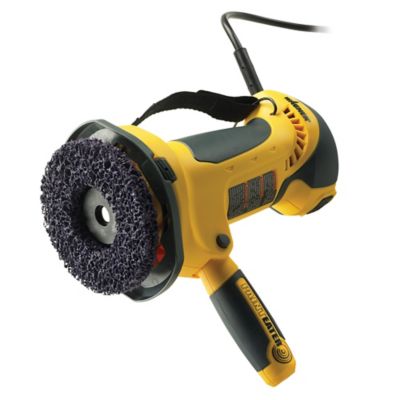
A professional sander is built for steady work on the shop floor, job site, or farm workspace, where a smooth finish and a dependable pace matter from the first pass to the last. These power tools are made for continuous commercial work, fine woodworking, repair projects, cabinet preparation, furniture finishing, and surface work that calls for more control than a basic palm sander can provide. Depending on the style, a professional sander may be suited to wood, metal, drywall compound, painted surfaces, or other materials that need leveling and smoothing. Orbital sanders are a common choice for broad, even sanding because their movement helps reduce visible swirl marks, while sheet sanders can be handy for detail work and final passes. Belt sanders remove material quickly from large, flat areas, and specialty edge or contour sanders can help shape narrow edges, curved parts, and hard-to-reach sections. For smaller touch-ups, trim work, and quick surface prep around the shop, a
Hand Sander can round out a well-stocked tool setup. A professional sander may be a practical pick for cabinetmakers, finish carpenters, flooring crews, construction contractors, maintenance teams, sign builders, and serious shop owners who spend long hours preparing surfaces. It can also make a thoughtful gift for someone setting up a woodworking space, expanding a tool collection, or taking on more repair and renovation work during the cooler months. Before choosing, consider the material being sanded, the size of the workpiece, the amount of material that needs to come off, and the finish you want when the work is complete.
Power source plays a major role in how a sander fits your routine. Corded models provide steady power for extended sessions and can be a strong match for a permanent workshop, production bench, or indoor finishing area with a nearby outlet. Cordless models offer freedom to move around a job site, barn, outbuilding, or unfinished room without dragging a cord across the floor. If you already keep batteries on hand for other tools, staying within the same voltage platform can simplify charging and help keep your gear ready for the next task. Motor design is another important point. Brushless motors are often selected for efficient operation, longer run times in cordless tools, and reduced maintenance compared with traditional motor designs. Variable speed control gives the operator more say over the pace of the abrasive, which is helpful when moving between softwood, hardwood, painted surfaces, plastic, or metal. A higher orbit rate can help with fast stock removal, while a slower setting may offer better control for delicate finishing work. Look for a sander with low vibration when the tool will be in your hands for hours at a time. Reduced vibration can ease hand fatigue, make it easier to keep the pad flat, and help produce a more even result across a wide panel. Grip shape, switch placement, balance, pad size, and overall weight all matter as well. A tool that feels comfortable during a short test may feel very different after a full afternoon of sanding, so pay close attention to how the body rests in your hand and how easily you can guide it along an edge.
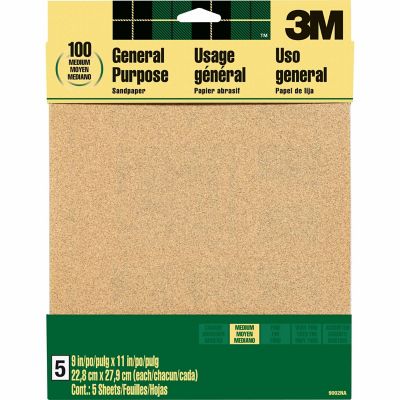
Dust management deserves special attention, particularly when sanding indoors or working with materials that create fine particles. A built-in collection bag can help keep the immediate area clearer, while a port that connects to a shop vacuum may provide stronger extraction for longer sessions and larger projects. Good dust collection can improve visibility, reduce cleanup around the bench, and help keep abrasive particles out of the air, though proper ventilation and protective equipment remain important. Match the sander to the abrasive system it accepts, including disc diameter, sheet size, belt length, grit range, and attachment method. Coarse grits are suited to removing old finish, glue, rough edges, or uneven material; medium grits help refine the surface; and fine grits are generally selected for the final smoothing stage before paint, stain, or clear finish. Let the tool do the work instead of pressing down hard, since excess pressure can slow the pad, load the abrasive, and create uneven spots. Keep the sander moving at a steady pace, work with the grain when the project calls for it, and make a test pass on scrap material before approaching a visible surface. Check the available cord length or battery run time, replacement pad and brush access, dust port size, speed range, and service support before placing an order. A professional sander should fit the way you work, whether that means long production runs in a woodworking shop, quick repairs on a working property, or careful surface preparation before a fresh coat of finish. With the right match of power, motion, control, and dust handling, sanding becomes a smoother part of the job rather than the step that slows everything down.