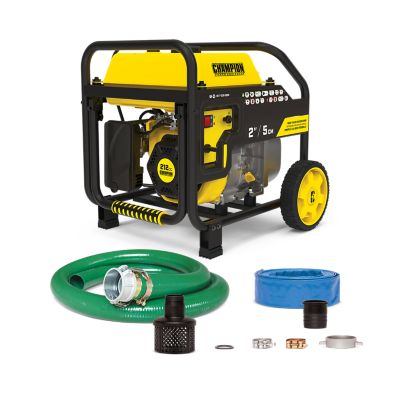
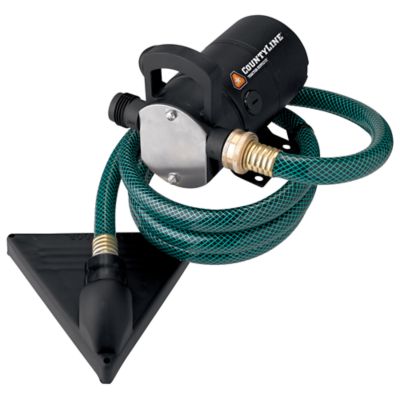
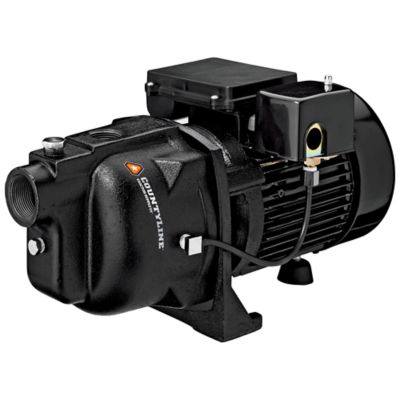
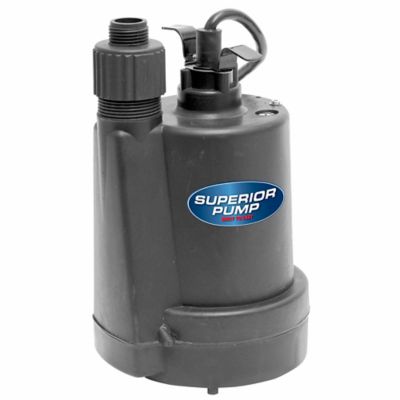
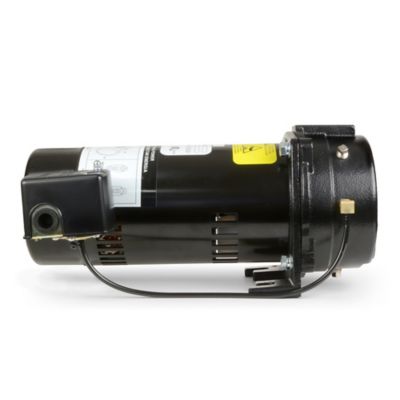
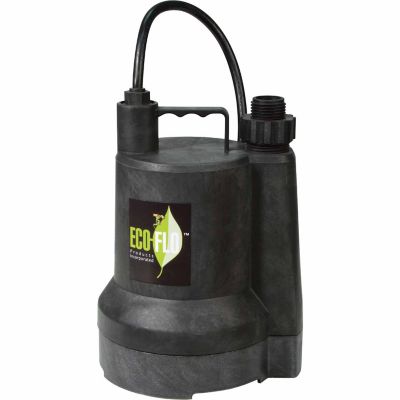
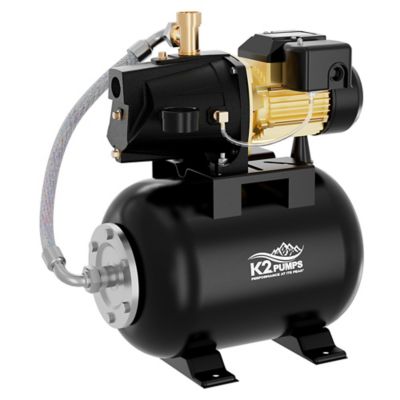
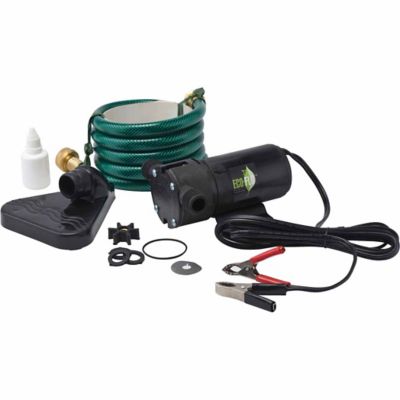
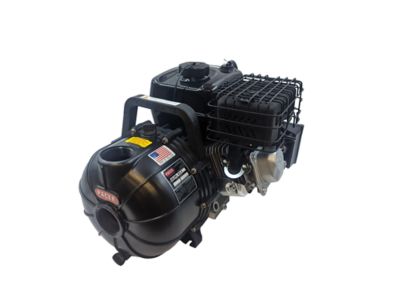
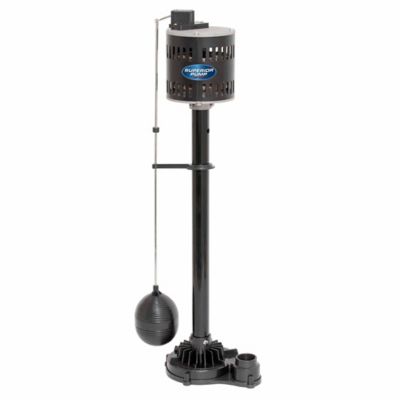
Water pumps for spring water help move a steady hillside seep or a collected underground flow to the places that need it, whether that means a garden tank, a livestock watering system, or a household supply with proper treatment. A natural spring may sit just below the barn or far down a wooded slope, and those two layouts call for different pumping arrangements. The main considerations are the spring’s flow rate, the vertical rise to the delivery point, the length and diameter of the pipe, and the power source at the site. A pump needs to deliver the required gallons per minute at the system’s total dynamic head, which includes elevation gain, pipe friction, and any pressure required at the outlet. Horsepower alone does not tell the whole story. For a surface-mounted shallow well jet pump, the practical suction lift is generally no more than about 25 feet under favorable conditions, with less lift possible at higher elevations or where pipe friction adds resistance. That measurement runs from the water surface to the pump, not from the pump to the barn or house. A submersible pump sits below the water level in a suitable spring box or collection tank and pushes water toward its destination, making it worth considering when suction lift would limit a surface pump. Neither arrangement can supply more water indefinitely than the spring produces. A spring that replenishes slowly may need storage to handle a morning round of trough filling without drawing the collection point too low. For acreage owners, small farms, and homes beyond a municipal water line, matching the pump to both the source and the daily demand helps keep water moving without asking too much of the spring. Think about the busiest stretch of use, too: filling a stock tank while irrigation is running takes more capacity than topping off a few garden barrels one at a time.
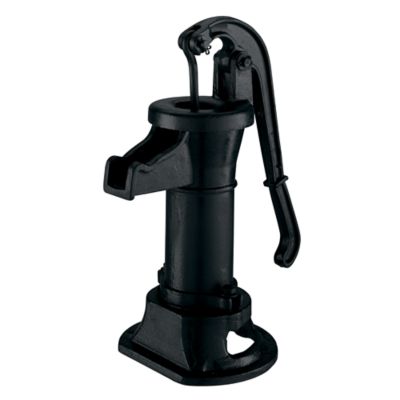
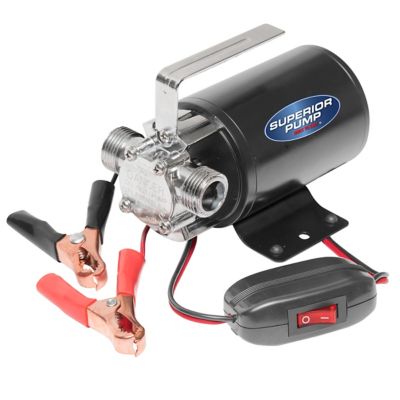
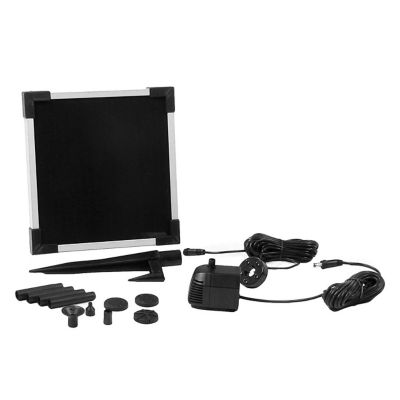
The collection point and power setup shape which spring water pumps make sense for a property. A properly designed spring box gathers water while helping keep surface runoff, leaves, and animals away from the source; a separate holding tank can add reserve capacity when demand comes in bursts. Tank size depends on the measured spring yield, expected draw, and how much reserve the property needs, rather than a single gallon figure that fits every site. Submersible pumps need enough water over the intake for their specified operating conditions, along with the clearances and cooling flow their manufacturers require. A pump intended for clear water is not a substitute for equipment rated to pass sand, silt, or other solids. An appropriate intake screen can keep larger debris out, while sediment filtration belongs where the pump and treatment-system specifications allow it without restricting flow excessively. Dry-run protection is especially helpful where the collection level can drop below the intake. At a site with electrical service, the motor voltage, circuit capacity, grounding, and required ground-fault protection all need to match the installation. Electrical connections belong in enclosures suited to the location, with a qualified installer handling wiring near water. For a spring beyond existing electrical service, a solar pumping system may be an option, but panel output, controller compatibility, lift, and daily water demand all matter. Some systems pump into storage during daylight rather than relying on batteries. Hydraulic ram pumps are another possibility where a continuous flow and enough downhill drop can drive a smaller portion of that water uphill; they need a suitable site and a place for the remaining water to discharge. Hand-operated pumps can suit limited tasks when the pumping depth and effort are manageable. For higher-demand farm or business applications,
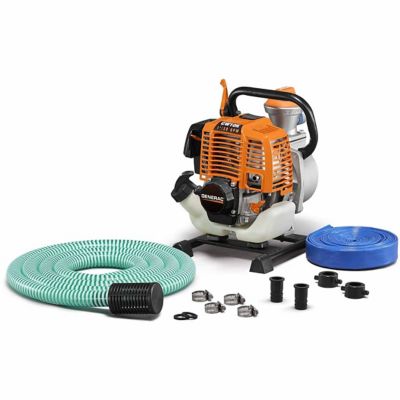
Commercial Water Pumps offer a related category to consider alongside the required flow, head, and operating schedule. Larger equipment still needs to fit the source rather than simply drawing harder from it.
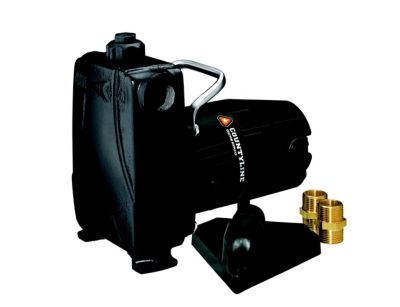
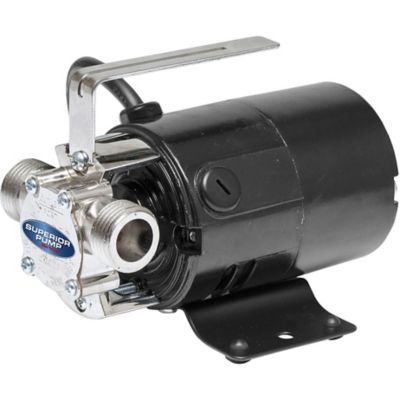
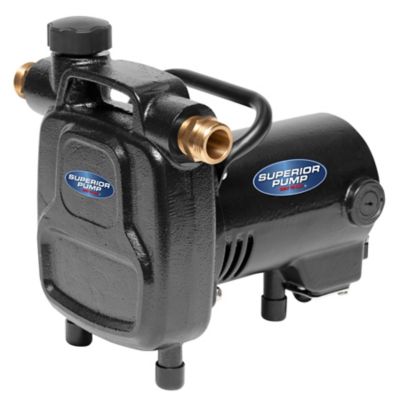
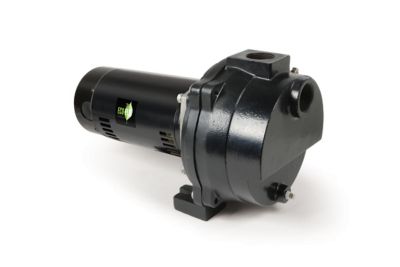
Materials, connections, and access for upkeep matter just as much as the pumping arrangement. Cast iron housings can bring weight and strength to a stationary setup, while stainless steel and engineered thermoplastics offer different advantages for corrosion resistance, handling, and water compatibility. The right choice depends on the water chemistry, installation location, and whether the pump will stay mounted or move between jobs. Seals, impellers, and other wetted components must suit the water being pumped, and equipment serving a drinking-water system needs the appropriate potable-water ratings. Clear spring water is not necessarily safe to drink; testing and treatment based on the results remain essential, along with any local requirements for source protection and plumbing. Port diameter, thread type, pipe pressure rating, and electrical requirements should line up with the rest of the system before installation. A long run of undersized pipe can take a real bite out of delivery, even when the motor sounds strong. Check valves or foot valves may be necessary for the chosen arrangement, while a pressure tank and compatible controls can reduce frequent starts in systems that supply water on demand. Surface pumps also need priming where their design requires it. Around a working property, practical details make a difference: a firm mounting surface, room to reach fittings, protected cable routing, and valves that let a section be isolated for service. A pump tucked behind a crowded tank may be harder to inspect than one with clear access from the shed door. Routine care includes checking for leaks, cleaning screens, inspecting cords and seals, and watching for changes in sound, pressure, or flow. Grit, an air leak on a suction line, or a falling collection level can each affect performance. Where freezing is possible, exposed pumps, tanks, and lines need protection appropriate to the climate and installation; insulation alone does not guarantee freeze protection. Drainable layouts or other approved measures may be necessary. A well-matched spring pumping setup brings the water source, storage, delivery line, and everyday chores together, whether the destination is a trough by the pasture gate or a tank beside the vegetable patch.