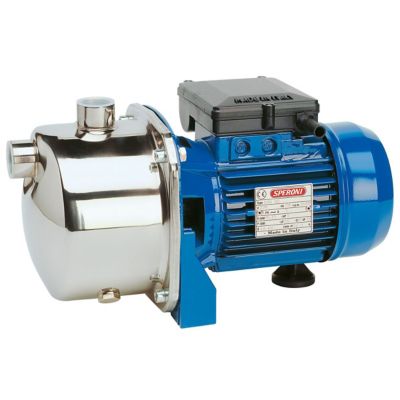
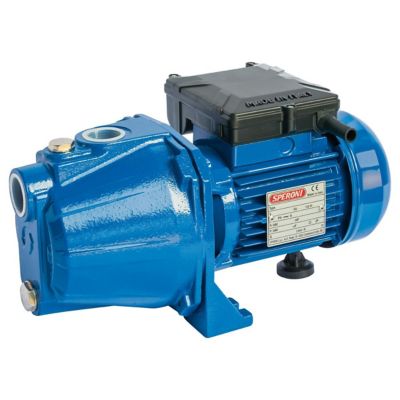
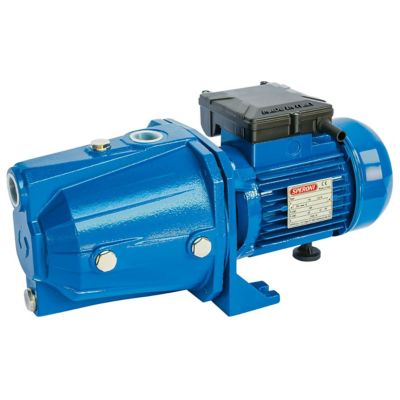
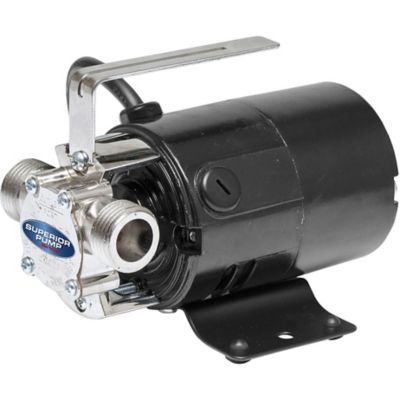
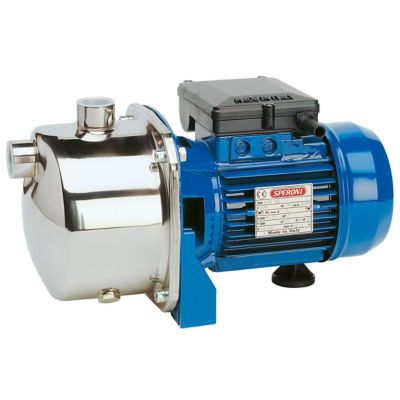
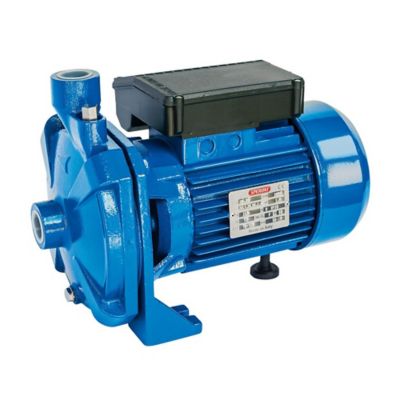
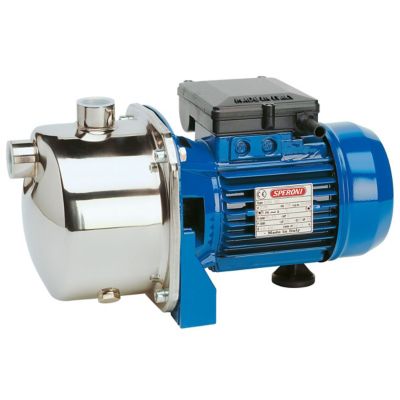
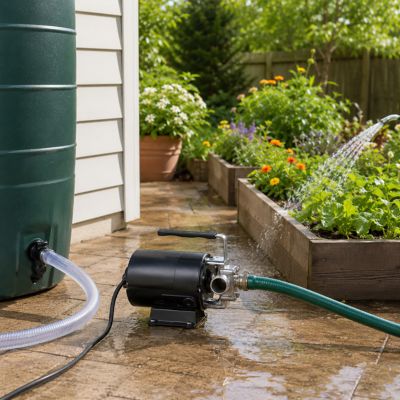
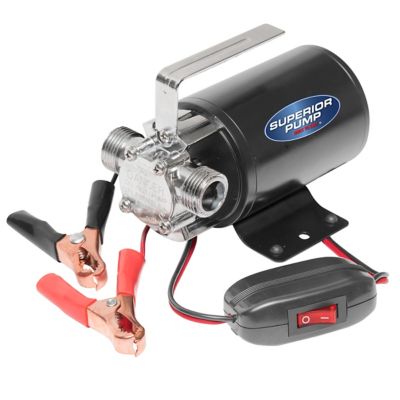
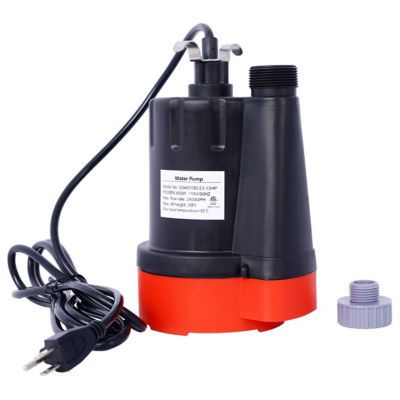
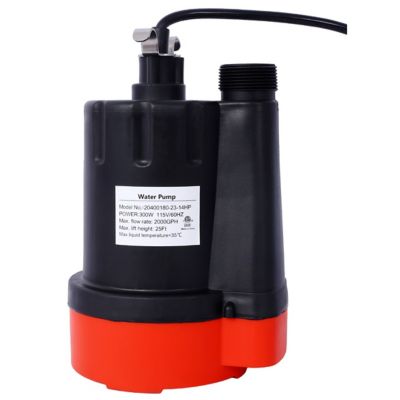
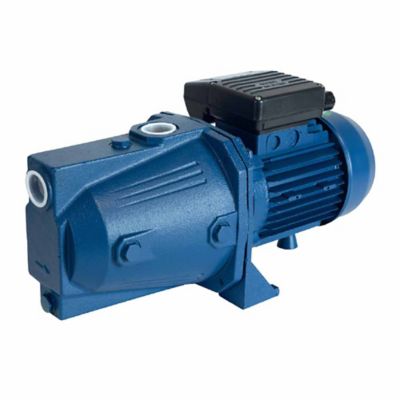
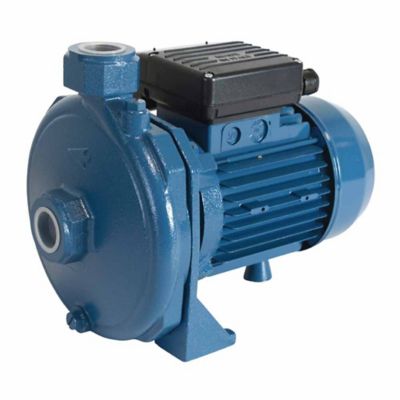
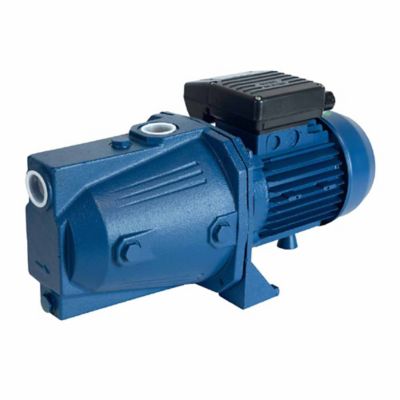
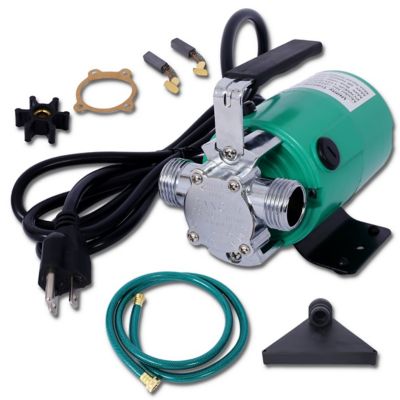
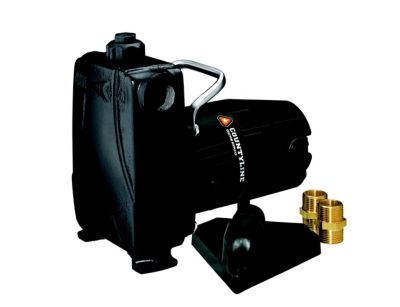
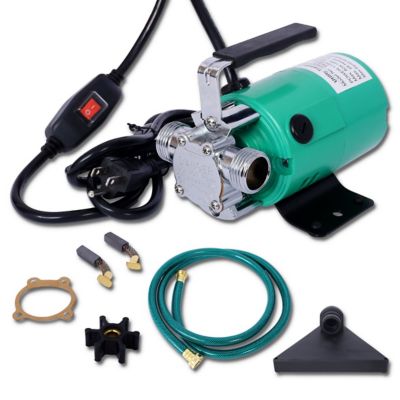
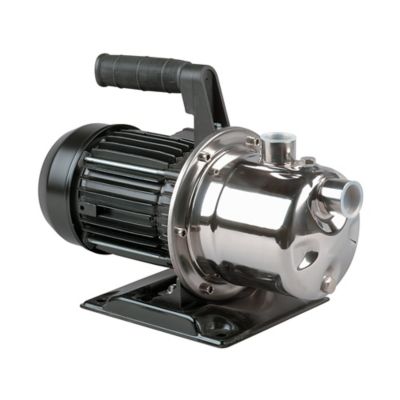
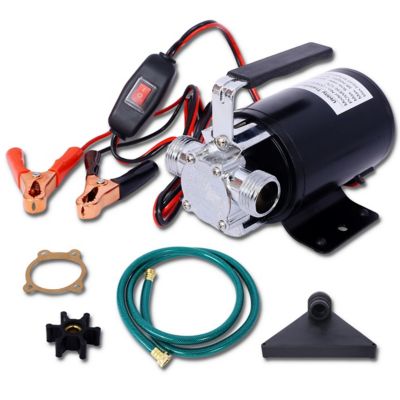
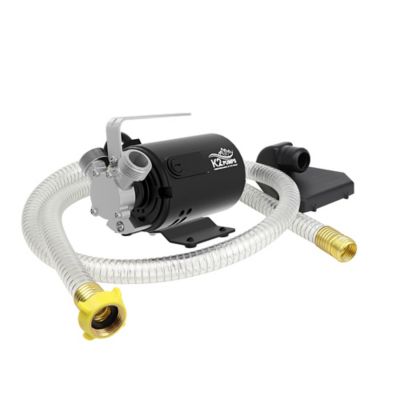
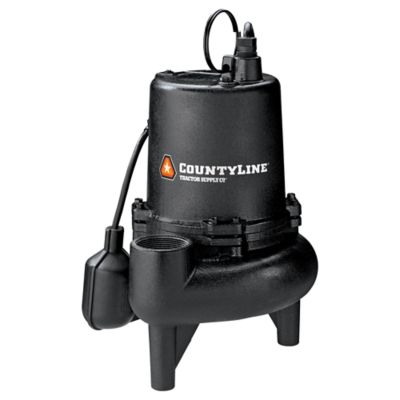
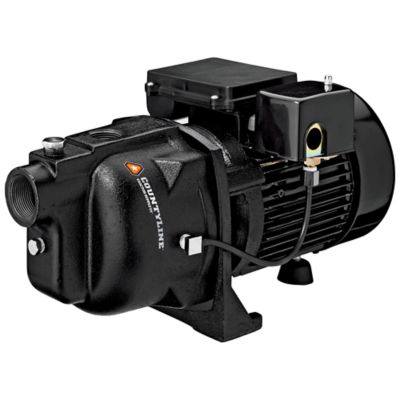
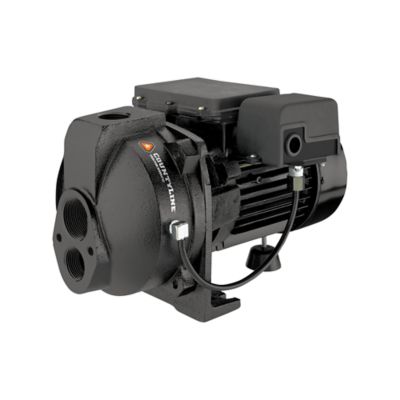
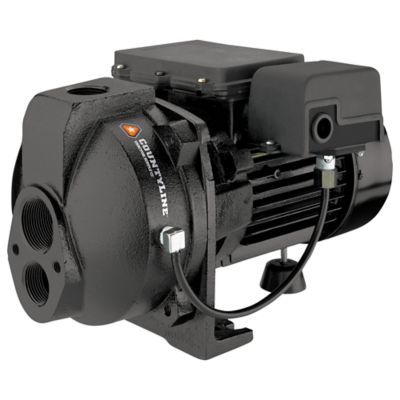
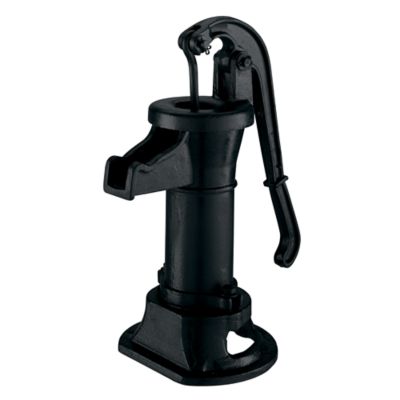
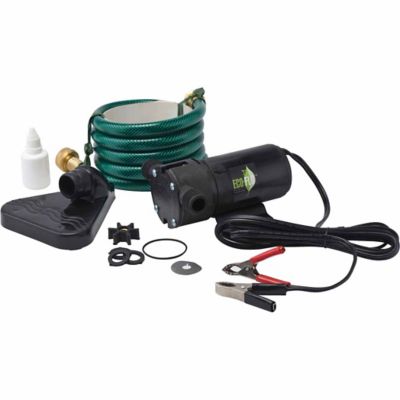
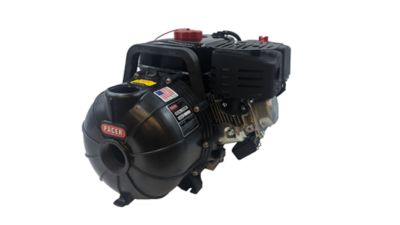
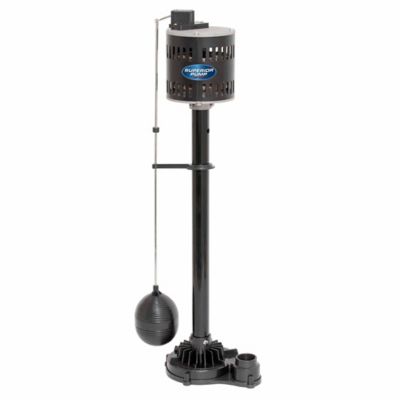
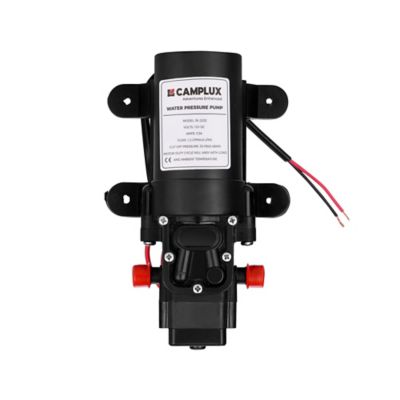
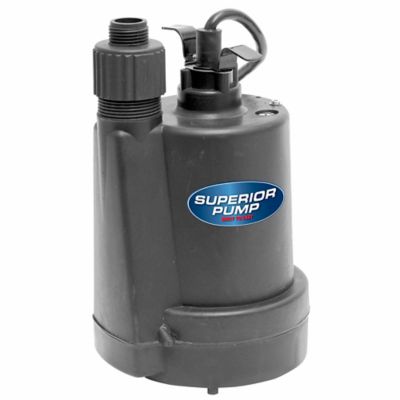
Water lifting pumps help move water from a lower place to a higher one, whether that means drawing from a well, pushing water into a storage tank, draining a low spot, or moving water away from a building after heavy rain. They’re useful on farms, acreages, rural homes, workshops, gardens and job sites where gravity does not do all the work. A pump may pull water from a shallow source, lift it from a deep well, transfer standing water, or keep a stock tank and other water containers supplied. The right choice depends on where the water is coming from, how far it needs to travel, how high it must rise and what power is available at the site. A small utility pump can be handy for clearing water from a low area, crawl space, pool cover or rain barrel, while a submersible pump sits underwater and pushes water upward through a discharge line. Surface pumps stay above the water and use suction to draw water toward the intake. Jet pumps are commonly used for well applications, with the pump style and setup matched to the depth of the water source. In places without reliable electricity, a ram pump can use the natural movement of flowing water to lift a portion of that water to a higher elevation without fuel or a motor. For more options suited to moving unwanted water from low spots, take a look at
Standing Water Pumps. Knowing the difference between these pump types makes it easier to narrow the selection before measuring hoses, checking fittings or planning the installation.
Pay close attention to flow rate and lift when comparing water lifting pumps. Flow rate is usually listed in gallons per minute (GPM) or gallons per hour (GPH), and it tells you how quickly a pump can move water under stated conditions. A pump with a high flow rating may be helpful for draining a large area, filling a tank or supplying several fixtures, while a lower-flow option can work well for controlled transfer jobs and smaller water sources. Lift is just as important. Suction lift describes how far a surface pump can pull water upward from the source to the pump intake, and surface pumps are generally limited to about 25 feet of suction lift in real-world conditions. Head height describes the total vertical distance the pump must push water, along with the resistance created by the hose, pipe, elbows and fittings. A long run across level ground still adds resistance, even when the final destination is not far above the pump. Start by measuring from the water level to the outlet or storage tank, then account for horizontal distance and any uphill sections. Check the pump’s performance chart rather than relying only on the maximum number printed on the box, since flow commonly drops as total head increases. Hose diameter matters, too: narrow or kinked lines can slow the water and make the pump work harder. A check valve may help prevent backflow in some setups, while a screen or filter at the intake can help keep leaves, gravel and other debris away from the pump. Before operating any electric model, use a properly rated outdoor connection, keep plugs and connections out of standing water and follow the manufacturer’s grounding and extension-cord guidance. Never run a pump dry unless it is specifically designed for dry operation, and make sure a submersible pump is fully positioned as directed before switching it on. In cooler weather, drain and store pumps, hoses and fittings where freezing temperatures cannot crack housings or leave ice trapped inside the lines.
The best water lifting pump is the one that fits the job from the start, not simply the one with the biggest motor or highest advertised flow rate. Think about whether the water will be clean, sandy, muddy or full of leaves, since debris-handling ability and intake design can affect dependable operation. Consider how often the pump will be used, whether it needs to be carried between locations, and how close the work area is to an outlet. Corded electric pumps can be convenient around a barn, basement or outbuilding with dependable power. Battery-powered choices can be useful at remote fence lines, garden plots or other spots where running an extension cord is inconvenient. Gas-powered equipment may suit demanding outdoor transfer work, but it must be used outdoors in a well-ventilated area and handled with care around fuel. A non-mechanical ram pump can be a practical fit for a property with the right steady stream and elevation. For well or household water service, installation details such as pressure requirements, pipe size, foot valves and pressure tanks may call for help from a qualified professional. For a simple transfer job, keep the intake submerged, secure the discharge hose so it does not whip around and direct the outlet away from foundations, driveways and areas that may erode. Water lifting pumps can also make a thoughtful gift for someone settling onto acreage, building a garden, caring for livestock or getting a workshop ready for the cooler months. A new landowner may appreciate one for moving water from a creek or collection barrel, while a seasoned homeowner may keep a dependable pump on hand for the next storm, spring thaw or unexpected plumbing leak. With the source, lift, flow, power supply and water conditions clearly in mind, it is easier to choose equipment that handles everyday chores and those wet-weather surprises with less fuss.