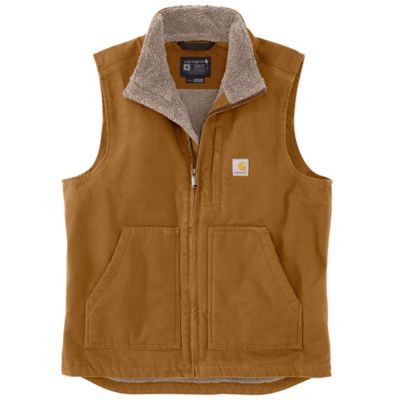
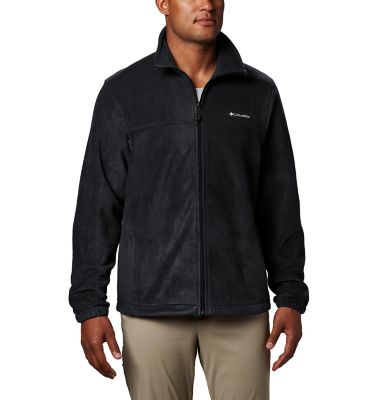
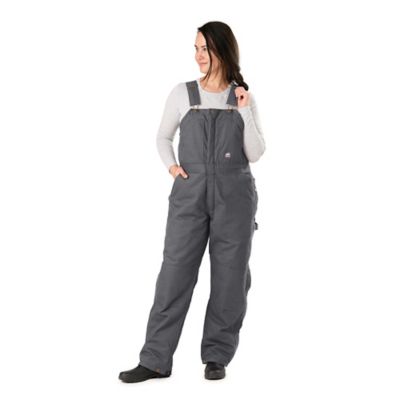
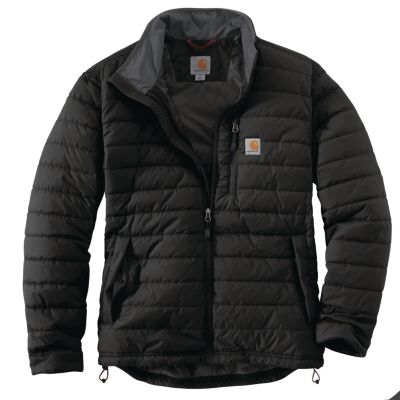
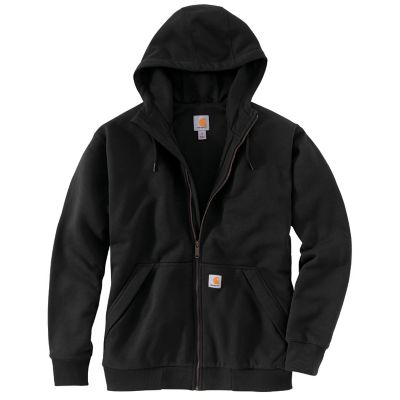
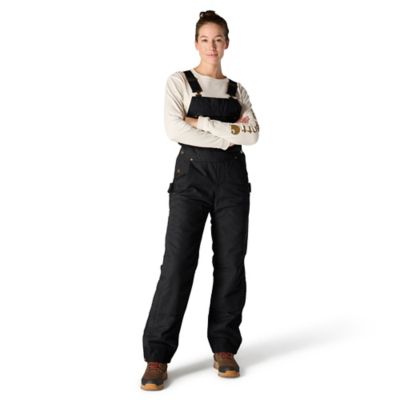
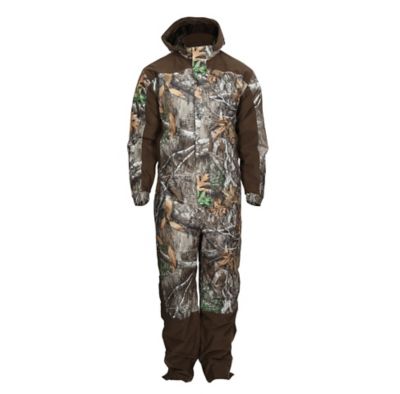
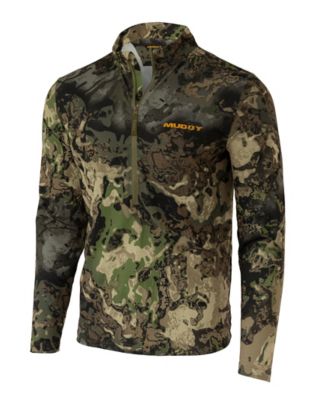
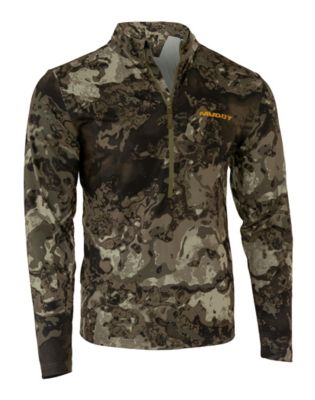
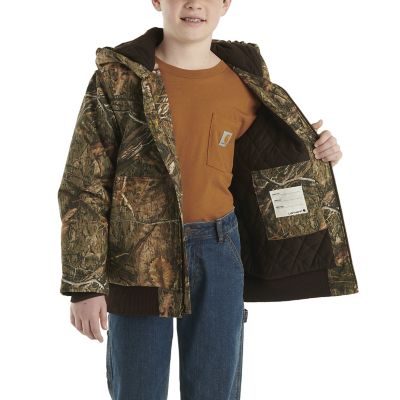
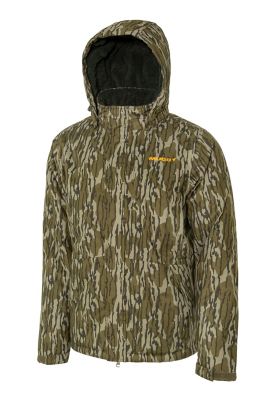
Warm outdoor gear helps make time outside more comfortable when the air turns crisp, the wind picks up, or a damp morning lingers longer than expected. Whether you’re feeding animals before sunrise, walking the dog, working around the property, hunting, camping, watching a ball game, or heading out for a weekend hike, the right combination of clothing and accessories can help you stay warm without feeling weighed down. A good place to start is with a three-layer system. The base layer sits next to your skin and helps move sweat away from your body, which matters even on cold days when chores or a long walk have you working up a little heat. Merino wool and synthetic polyester are dependable choices because they dry more quickly than cotton and continue to insulate when conditions get damp. Cotton shirts and denim may feel comfortable at the start, but they can hold moisture close to your skin and leave you chilled once the temperature drops. Over that moisture-wicking layer, add an insulating middle layer such as fleece, wool, or lightweight synthetic fill to hold warm air close to your body. The outer layer should help block wind and shed rain, sleet, or wet snow, especially if you’ll be out in an open pasture, on a wooded trail, or beside a chilly set of bleachers. Look for a fit that leaves room for your base and mid-layers without hanging loose, since extra gaps can let body heat escape. Adjustable cuffs, a well-fitting hood, a high collar, and a full front closure can make a noticeable difference when a gust cuts across the yard. For changing conditions, versatile pieces that can be added or removed throughout the day are often more useful than one heavy layer that feels bulky during active work.
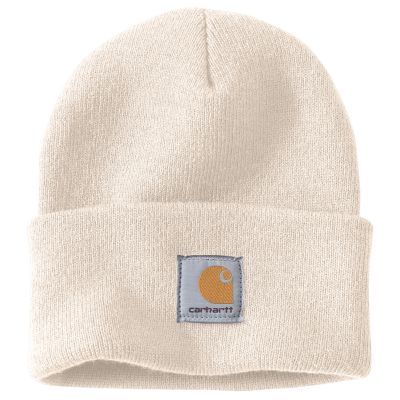
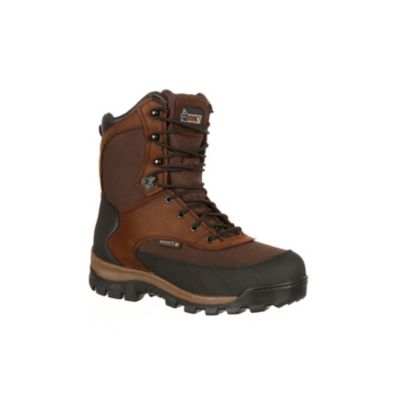
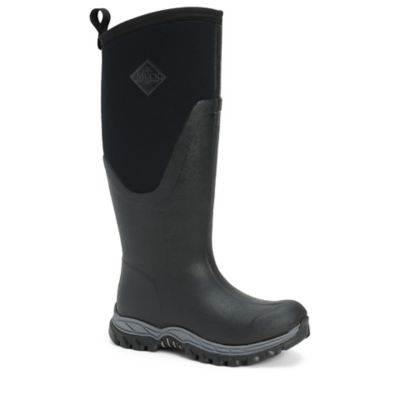
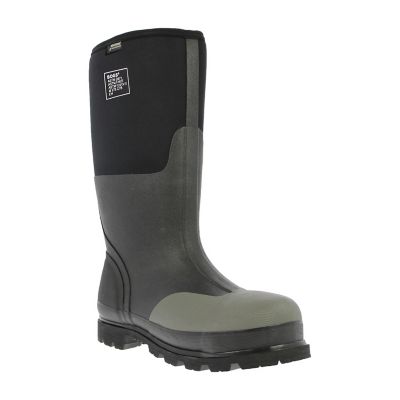
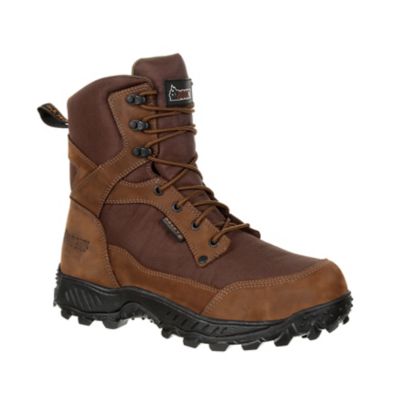
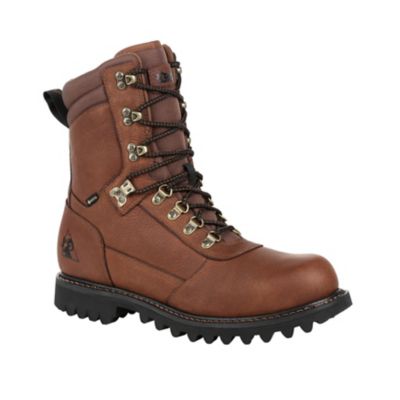
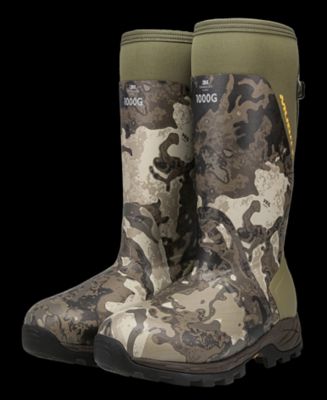
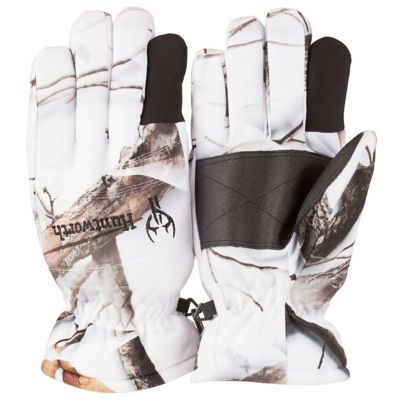
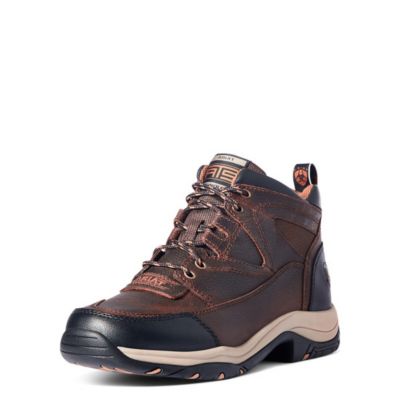
Warmth also depends on the parts of your body that are easiest to overlook. Thick wool or synthetic socks can help keep feet comfortable inside insulated, waterproof boots, while a moisture-wicking pair underneath can reduce clamminess during long hours outdoors. Choose boots with enough room to move your toes; overly tight footwear can restrict circulation and make cold feet feel even colder. Waterproofing matters when you’re crossing wet grass, cleaning stalls, walking through slush, or standing on frozen ground, while a sturdy sole with reliable traction helps on muddy paths, icy steps, and uneven terrain. Mittens generally keep fingers warmer than gloves because they allow fingers to share heat, though gloves may be more practical when you need to handle gates, tools, leashes, or tack. A warm neck gaiter, scarf, or face covering can seal the gap between your collar and chin, and a knit cap or insulated hat helps reduce heat loss around your head. For windy days, consider gear with a wind-resistant face fabric, sealed or covered closures, and a hood that moves with you instead of blocking your view. If rain or wet snow is part of the forecast, synthetic insulation can be a smart choice because it tends to retain warmth better than some natural fills when damp. Down can offer impressive warmth for its weight in dry conditions, but it needs protection from moisture. Pay attention to care instructions, too. Let damp layers dry fully before storing them, brush off mud when it has dried, and follow the garment’s washing directions so insulation does not clump or lose its loft. These small habits help outdoor clothing perform better through repeated wear.
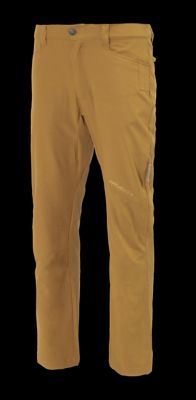
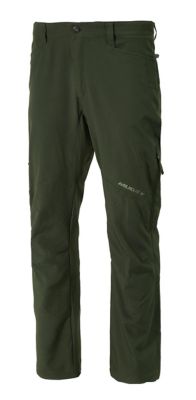
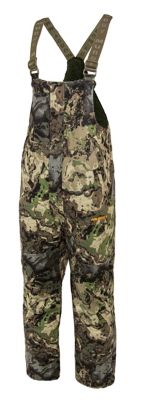
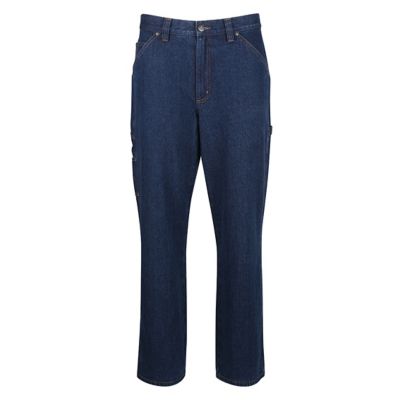
Warm outdoor gear can be useful for nearly anyone who spends time outside, from a ranch hand checking fences to a parent standing beside a chilly practice field. It also makes a thoughtful gift for a new homeowner, dog walker, camper, hunter, gardener, outdoor worker, or college student who walks across campus in cold weather. When choosing something for someone else, think about how they spend their time outdoors rather than focusing only on the lowest temperature they may encounter. A person who works hard and stays active may appreciate breathable layers that allow easy movement, while someone who spends long stretches standing still may need heavier insulation, wind protection, and warmer accessories. Fit is important, but flexible sizing, adjustable hems, and layering-friendly cuts can make a gift easier to get right. For lower-body comfort during barn chores, travel, hikes, or long days outside, browse
Warm Winter Pants as part of a complete cold-weather setup. Keep frequently used essentials where they are easy to grab: a spare pair of socks in the truck, an extra layer by the back door, and gloves tucked into a coat pocket can save a cold outing when weather shifts. Before heading out, check that zippers close smoothly, seams and closures sit securely, and footwear still has sound tread. Dress for the activity as well as the temperature, since a slow evening walk, a windy hunting stand, and a busy morning of chores all call for different levels of insulation. With moisture control next to the skin, dependable insulation in the middle, and protection from wind and wet weather on the outside, warm outdoor gear helps you stay ready for the cooler months while keeping everyday time outside comfortable, steady, and enjoyable.