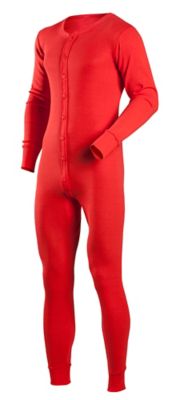
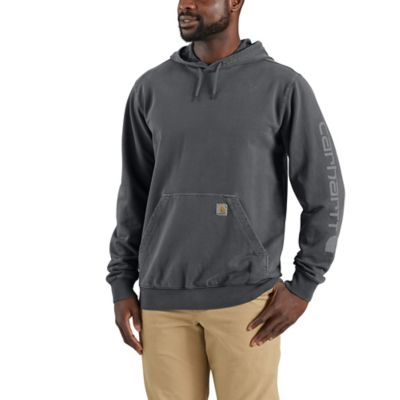
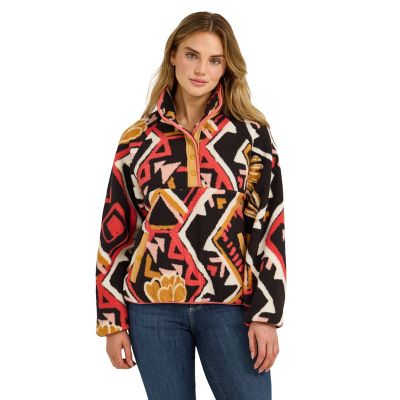
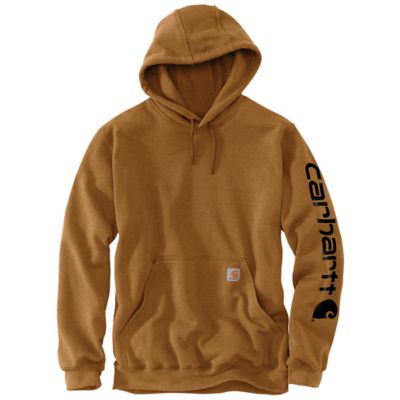
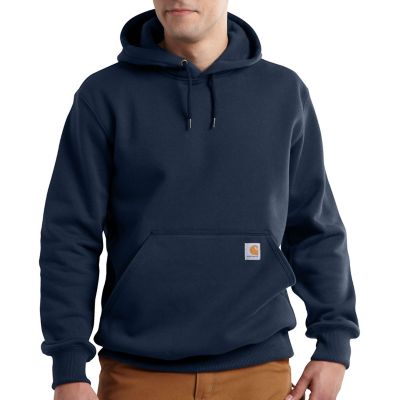
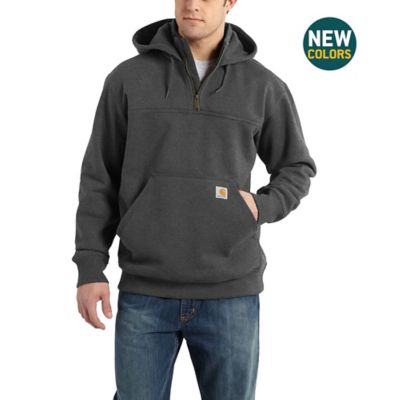
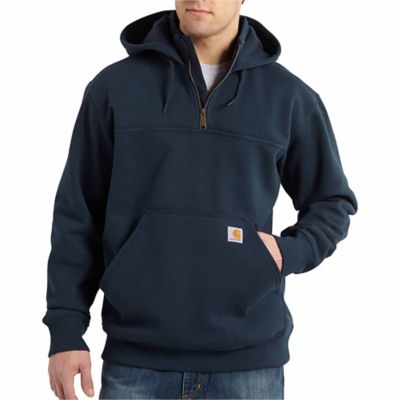
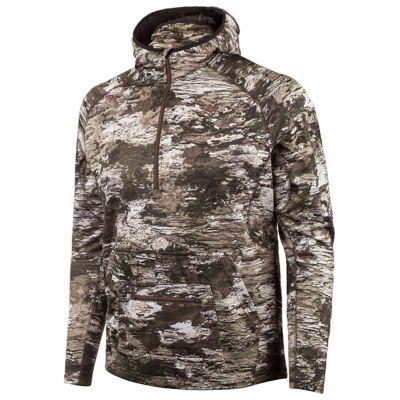
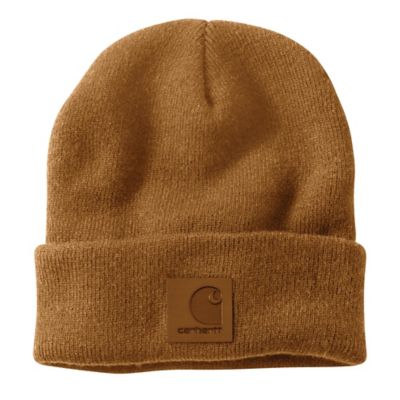
Winter apparel helps hold body heat close, manage sweat and keep cold wind, rain and snow from cutting a day short. For feeding livestock before daylight, walking the fence line or heading into town, comfort comes from clothing that matches both the conditions and the work ahead. A practical cold-weather outfit pairs a moisture-wicking base layer with an insulating middle layer and an outer layer suited to the forecast. Each part has a different job: the base moves moisture away from skin, the middle traps warm air, and the outside helps shield against wind and wet weather. Merino wool and synthetic fabrics are common choices next to the skin because they manage moisture better than cotton, which absorbs sweat and can leave a damp chill after activity slows. Wool can also help limit odors between washes, while many synthetic knits dry quickly and stretch easily through a long reach or deep bend. Midweight fleece adds warmth without much weight, making it useful for chores that alternate between lifting, walking and standing still. Wool knits offer another insulating option, with thickness and construction affecting how warm and breathable they feel. Down insulation provides substantial warmth for its weight, especially in dry cold, but loses much of its insulating ability when wet. Synthetic insulation generally handles damp conditions better, though any soaked clothing can make staying warm harder. The right amount of insulation depends on more than the thermometer. Someone stacking firewood generates more heat than someone sitting on a tractor, and exposed fields can feel much colder than a sheltered barn aisle. Several manageable layers give winter clothing more range than one heavy garment worn over a thin shirt. They also make it easier to stay comfortable when moving between an outdoor job and a heated cab. From everyday errands to a full stretch of outdoor work, winter apparel works best when warmth, moisture control and freedom of movement stay in balance.
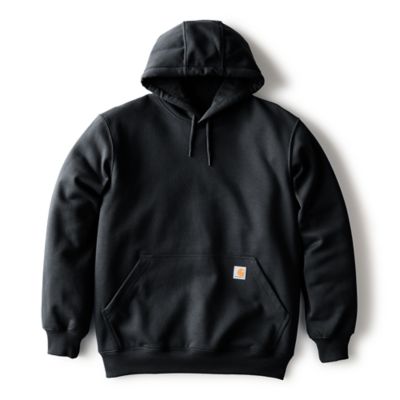
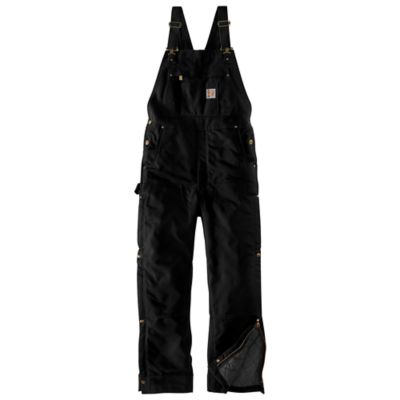
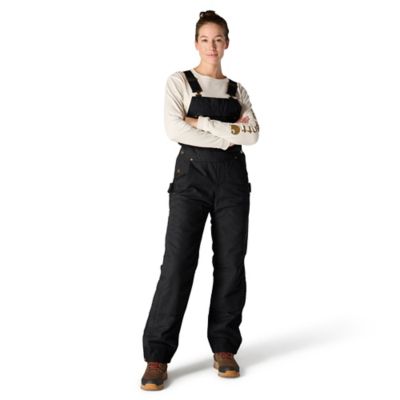
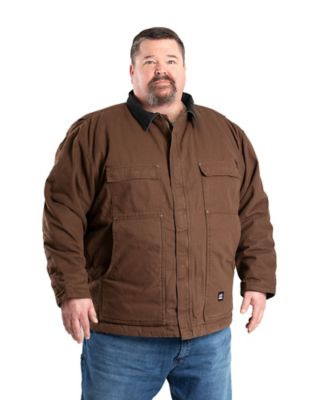
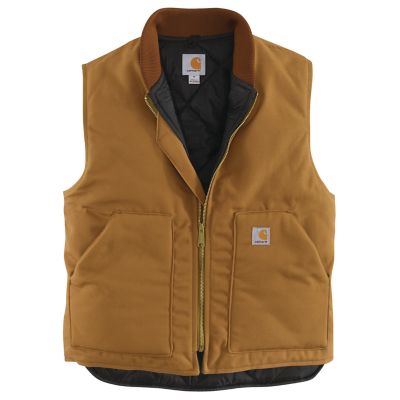
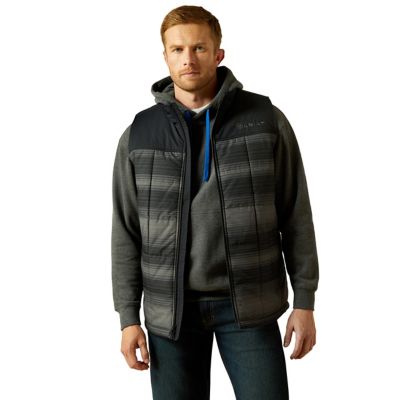
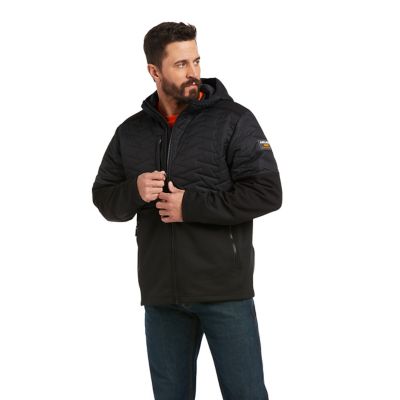
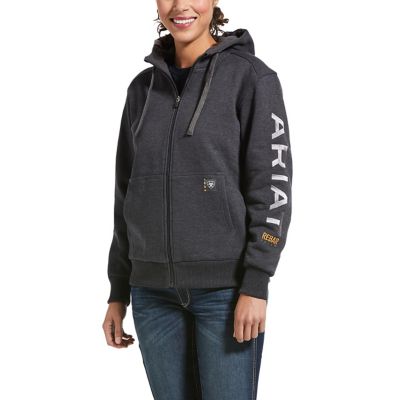
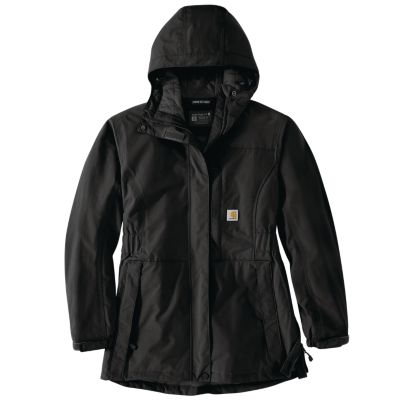
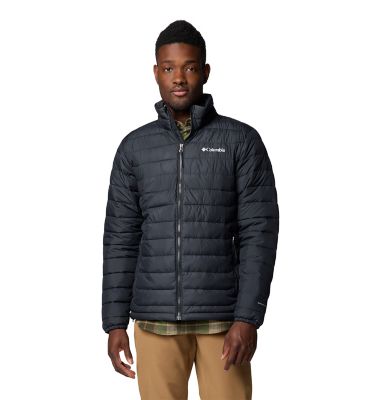
Outer layers take the brunt of rough weather and everyday wear, so fabric, construction and fit all matter. Tightly woven canvas and duck cloth offer a substantial feel for work around gates, feed sacks and firewood, while lighter woven shells can be easier to move in during brisk walks or repeated trips across the yard. Reinforced knees and elbows, strong seams and protected closures help clothing stand up to regular friction at hard-working spots. Fabric weight alone does not tell the whole story: a heavy outer layer may resist abrasion but still let water through unless it has the appropriate treatment or construction. Water-resistant materials can shed light precipitation, while waterproof clothing generally combines a protective fabric or membrane with sealed seams to keep water from entering. Breathability matters, too, because trapped sweat can leave the inside damp even when the outside keeps rain out. A wind-blocking shell helps preserve the warm air held by the layers underneath, especially where gusts sweep across open pasture. The
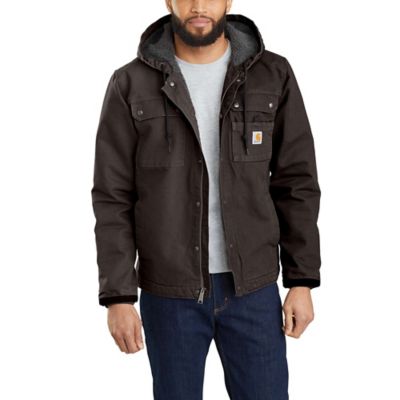
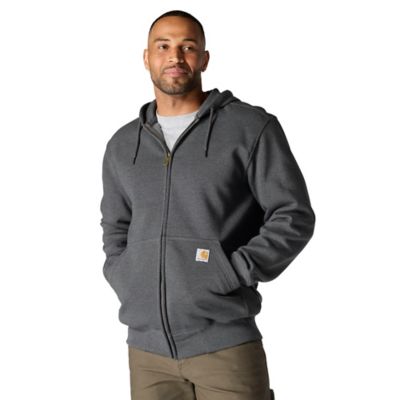
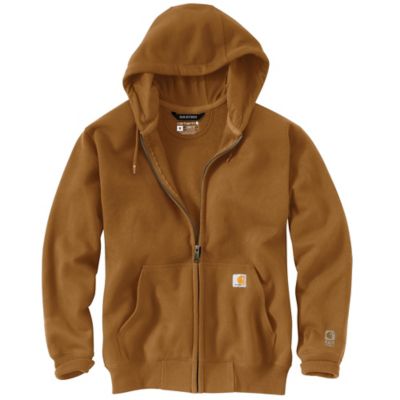
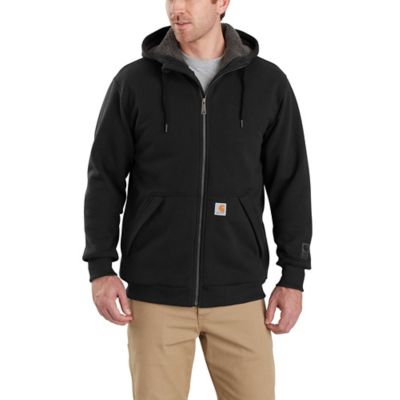
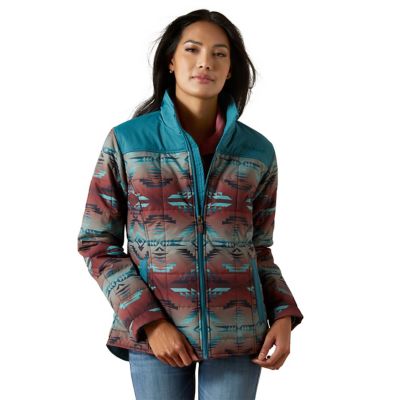
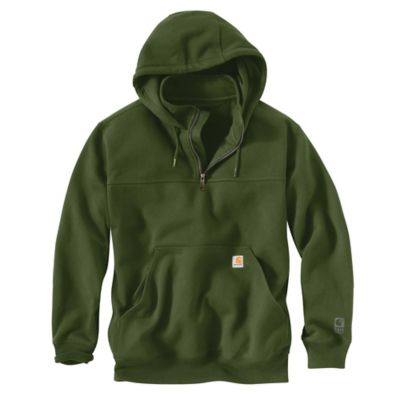
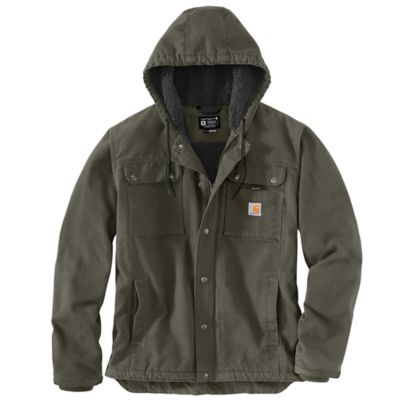
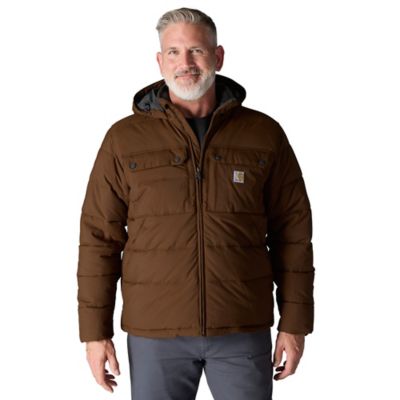
warm outerwear collection brings that extra layer of coverage into focus for cold-weather days. Room through the shoulders and upper arms allows space for insulation without pulling tight when carrying a bucket or reaching for a latch. An outer layer that compresses everything underneath can reduce comfort and limit the air space that helps provide warmth. Too much loose fabric, on the other hand, can get in the way, particularly around moving equipment. Sleeve cuffs that close neatly, hems that cover the waist when bending and collars that sit comfortably against the neck help limit drafts. A hood needs enough adjustment to stay put without blocking side vision. Pockets that are easy to reach with gloves on and zipper pulls that are easy to grasp can make an ordinary task less of a struggle. Those small details matter when fingers are cold and the next chore cannot wait.
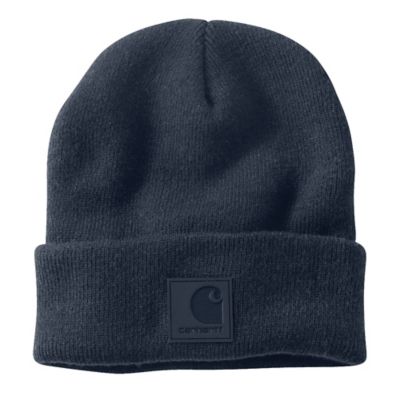
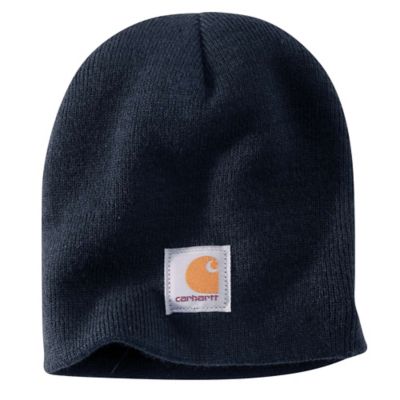
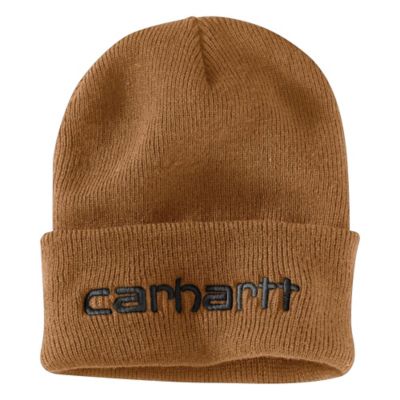
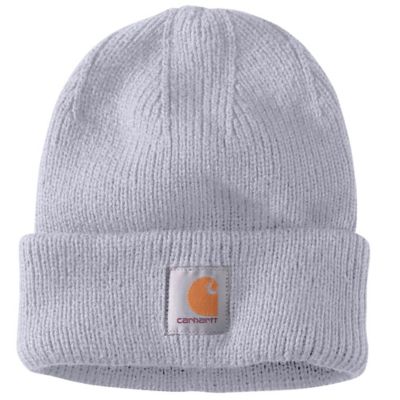
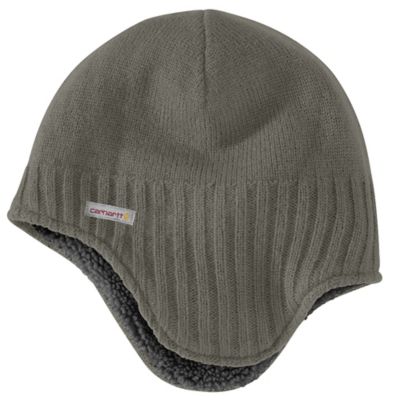
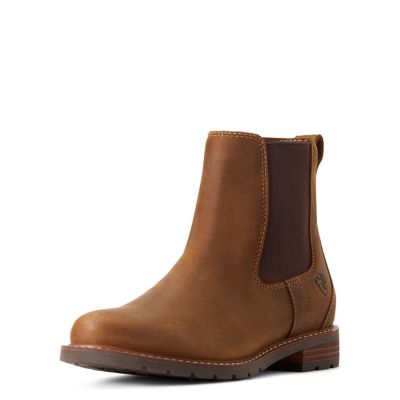
Winter accessories finish the job by covering the places where a good set of layers can still leave gaps. A close-fitting knit hat should cover the ears without sliding over the eyes, and a neck gaiter offers coverage without long, loose ends near tools or machinery. Gloves balance warmth with grip and finger movement; handling a small clip on a lead rope calls for more dexterity than carrying an armload of split wood. Mittens generally hold warmth better by keeping fingers together, though they allow less precise handling. For footwear, insulation is only part of the picture. Water protection, tread, ankle coverage and enough room for winter socks all affect comfort on wet ground or snow-covered paths. No sole makes ice risk-free, and traction needs can change between a barn floor, gravel drive and frozen walkway. Wool-blend or synthetic socks help manage moisture, while a fit that leaves room to wiggle the toes avoids squeezing the foot inside a lined boot. Adding thick socks to already snug footwear can create pressure rather than welcome warmth. Across winter apparel, care has a big effect on how well fabrics and insulation keep doing their jobs. The care label sets the washing and drying limits, especially for wool, down and waterproof materials. Fabric softener can interfere with moisture management or certain water-repellent finishes, and high heat can shrink fibers or damage garment components. Fully drying insulation before storage helps prevent musty smells and clumping; down may need extra drying time according to its care instructions. Brushing away dried mud, tending to small seam openings and keeping closures free of grit can help extend wear. Winter clothing also makes a practical gift for someone who spends time outside, whether that means morning chores, dog walks or cheering from the sidelines. Everyday fit, preferred fabrics and the recipient’s usual activities matter more than simply choosing the thickest option. Comfortable layers that suit the way a person moves can earn their place through plenty of cold starts and long days outdoors.