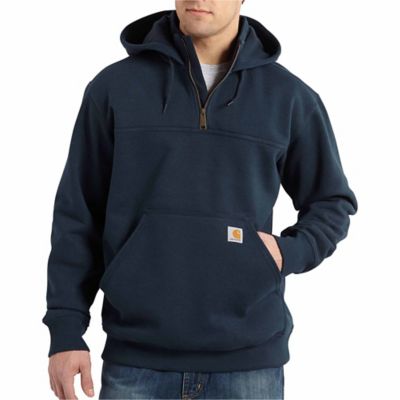
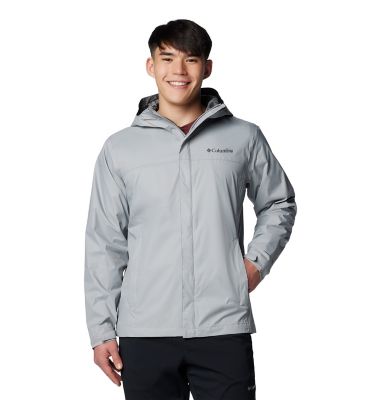
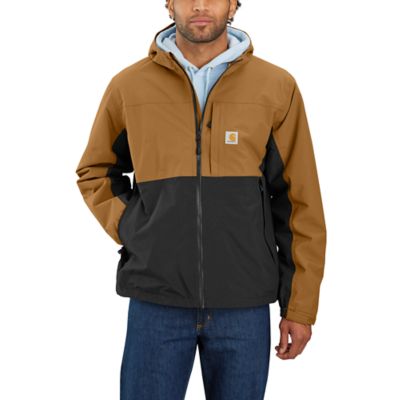
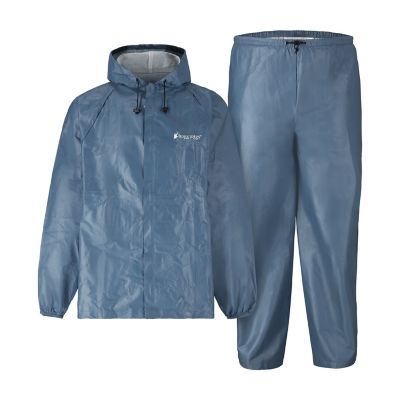
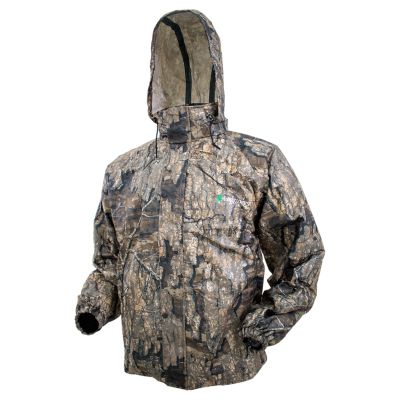
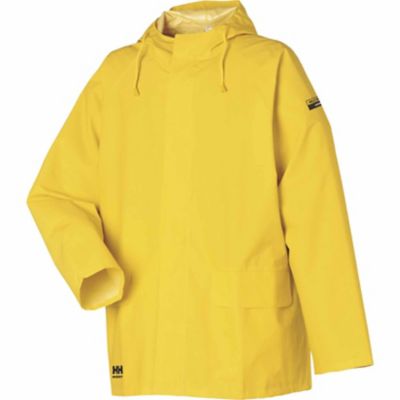
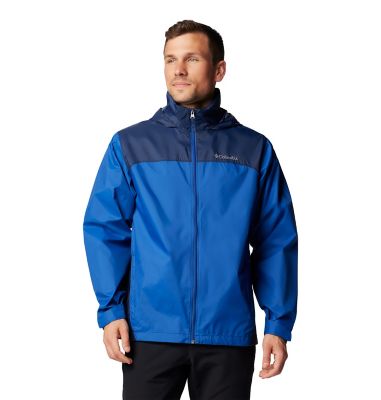
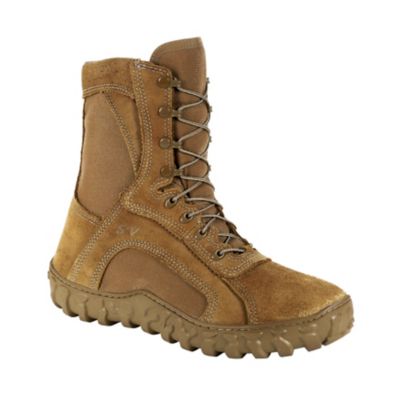
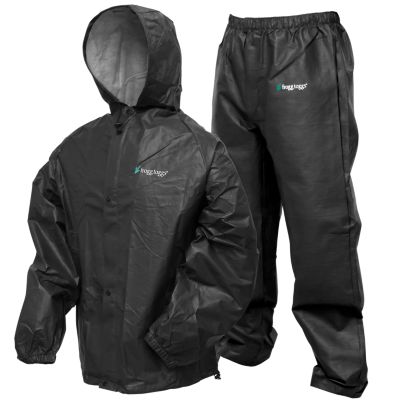
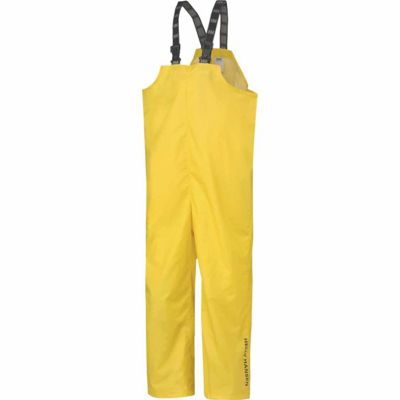
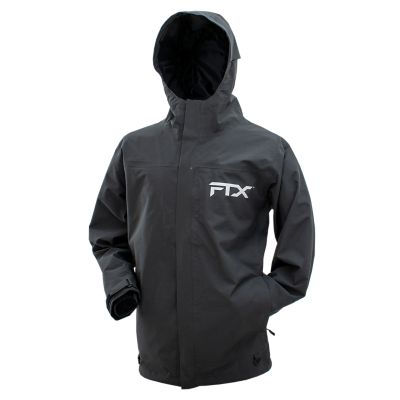
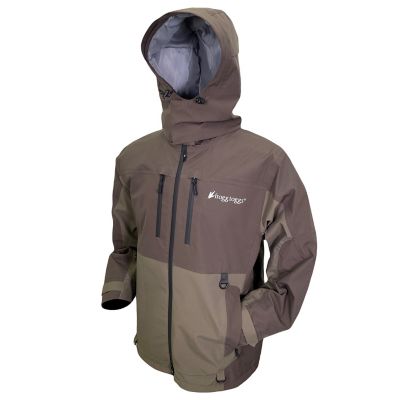
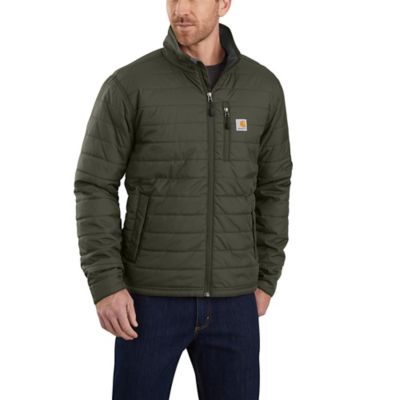
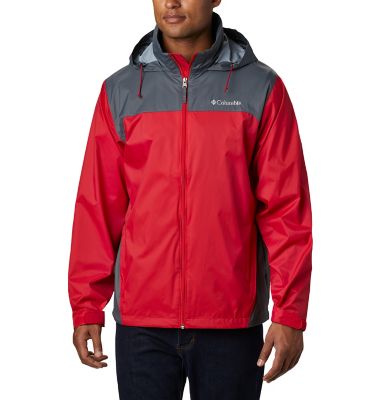
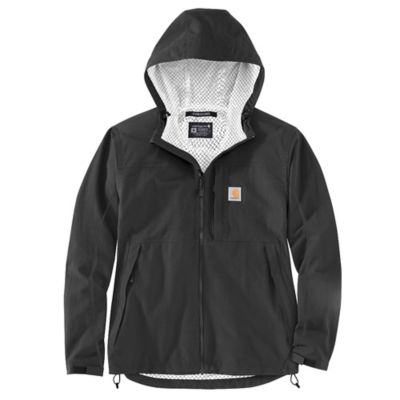
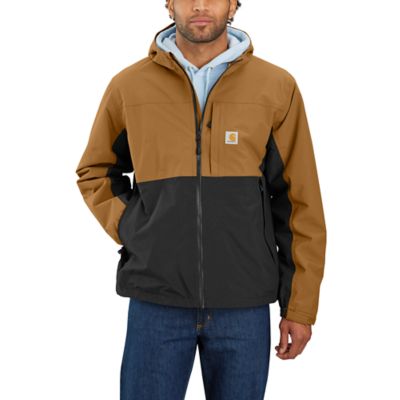
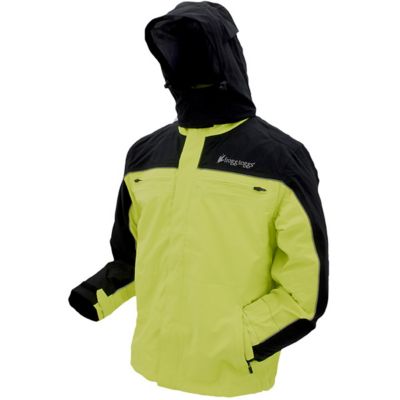
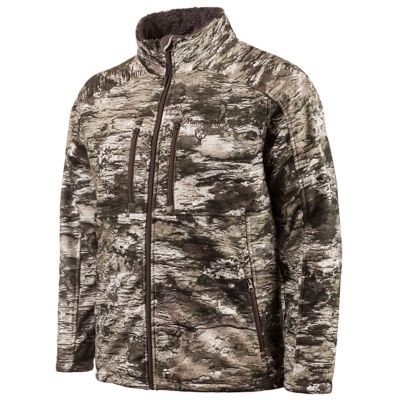
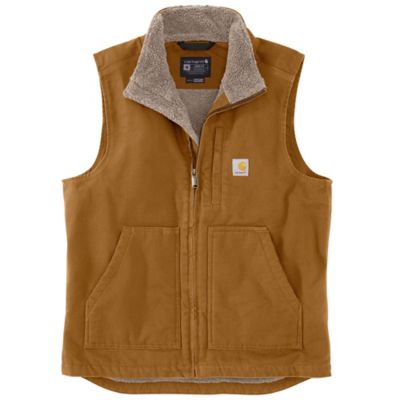
Gear for wet weather ranges from lightweight rain shells for hiking to heavier waterproof outerwear for farm chores, outdoor work and long stretches on the water. How long the rain is likely to last and how hard the person wearing the gear will be working matter more than how thick a jacket feels on the hanger. A water-resistant shell makes sense for a quick trip out to the feed shed in a drizzle. For a morning spent mending fence in steady rain, waterproof fabric, sealed seams and covered closures help keep water from working its way in. Seams across the shoulders and around the knees can take a soaking when someone bends over a gate or kneels to check a drain. A coated fabric with a smooth face can be handy where mud routinely gets splashed up to the waist, while a lighter, packable shell takes up less room behind a truck seat or in a daypack. A waterproof, breathable shell lets some moisture from sweat escape, which makes a difference when the job calls for hauling feed or walking a long stretch of pasture. Even breathable gear can feel clammy with every opening closed, so a vent that can be opened without exposing the front of the jacket has its place. Heavier rainwear may make more sense for someone working around rough boards or spending hours out in wind-driven rain, especially where extra material at the knees and elbows helps take the wear. A lined coat can be welcome when there’s more standing than moving, as on a windy bank waiting for a bite. An unlined shell leaves room to change what goes underneath depending on the conditions. Waterproof doesn’t necessarily mean warm, and a thick lining doesn’t necessarily mean waterproof. In a steady downpour, rain pants or bibs can make as much difference as the jacket. Bibs give more coverage at the waist when bending and reaching, while pull-on rain pants can be a simpler fit for a short job that starts out dry and ends in a shower.
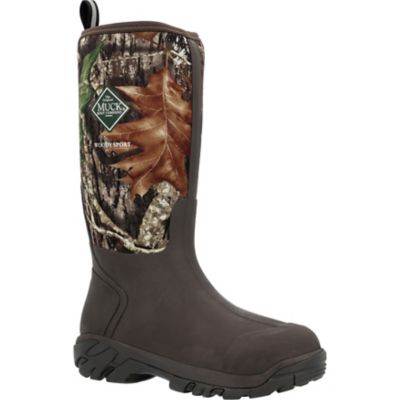
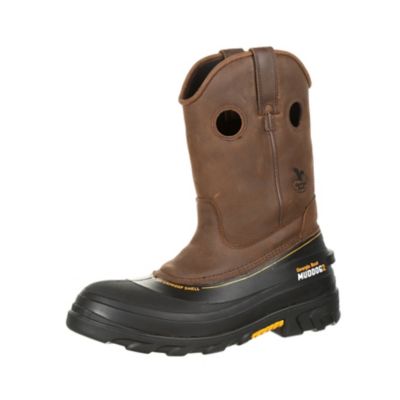
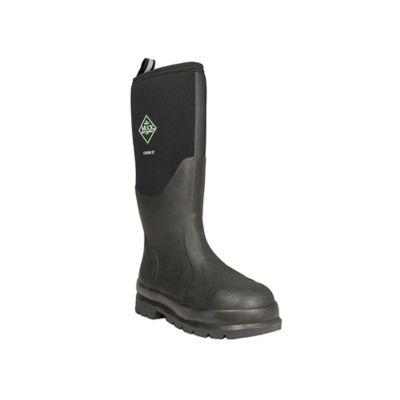
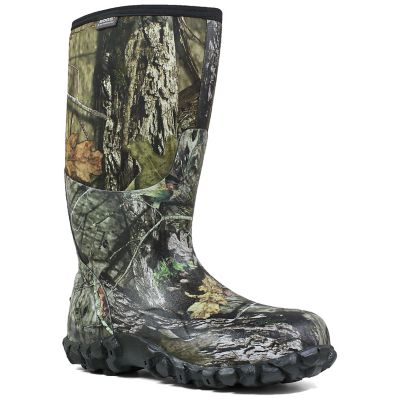
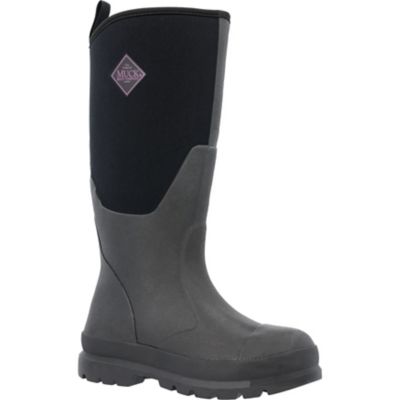
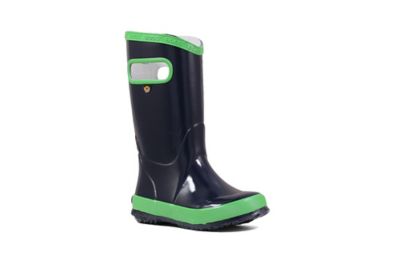
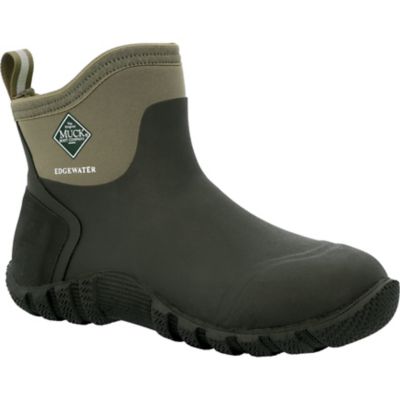
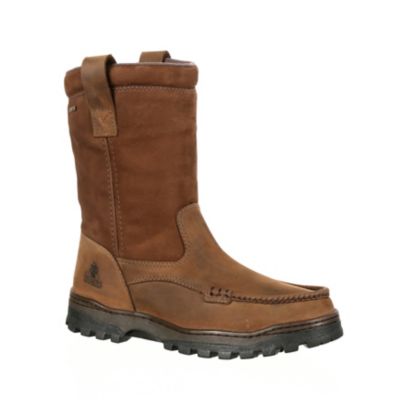
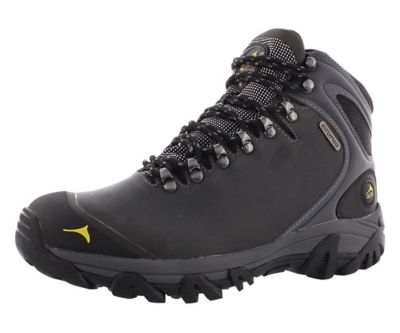
Fit shows up in the middle of a job, not just when someone is standing still. A jacket that feels fine at the shoulders can pull tight when there’s a sweatshirt underneath and both arms are up on a barn door. Sleeves with room to reach and cuffs that close around the wrists help keep rain from running down inside when hands are raised. A hood that turns with the head matters when looking sideways to back a trailer or checking footing along a ditch. A brim can help keep runoff out of the eyes, but the hood still needs to sit far enough back for a clear view to either side. On the lower half, enough room to squat or step over a low rail matters more than a trim fit. Rain pants that fall over the tops of boots help shed water to the ground rather than funneling it inside. Leg openings that unzip or open wide can make it easier to pull on an outer layer without taking muddy boots off first. For wet footing, boot height, flexibility and tread all play a part. A taller shaft helps where puddles are deep or wet grass brushes the calves, while a flexible boot with a snug heel can feel better on a long walk. Deep, open tread can help clear soft mud, but a sole that does well in pasture muck may feel different on slick concrete or wet decking. A little toe room with the socks normally worn for the job goes a long way, especially on walks where feet slide forward on descents. For people headed down a trail instead of across a barnyard,
Rain Gear for Hikers is a good place to look for packable layers and coverage that won’t get in the way on an uphill stretch. A whole afternoon on foot puts more emphasis on weight and airflow than a short walk from the truck to a muddy pen.
How rain gear holds up has a lot to do with where it rubs, what gets on it and how it dries between outings. Knees take a beating when there’s gravel underfoot, and the inside edges of pant cuffs can wear where they brush boots all day. Shoulder seams and fabric under pack straps are worth a look on gear that gets carried for miles in the rain. A jacket may start to feel damp and heavy because the outer fabric is soaking up water, even if the waterproof layer underneath hasn’t started leaking. On gear with a water-repellent finish, cleaning it as directed can help restore some of that surface beading. If the water still spreads out and darkens the fabric, the care label can say whether the finish can be renewed and what method suits it. Coated rainwear and rubber boots often need little more than a rinse after a muddy job, while breathable layers may call for a particular wash routine. Mud packed into a zipper or dried along a cuff is easier to deal with before it gets worked farther in. Boots, removable insoles and rain layers can dry with air moving around them, away from a hot stove or heater that could harm some materials. Leaving a wet coat balled up in the truck or stuffing damp layers straight back into a pack makes it harder for them to dry clear through. The same attention to how gear gets worn helps when it’s a gift. Someone who feeds animals before daylight may get more out of a roomy rain layer that slips on over work clothes than a close-fitting shell meant to save space in a pack. A fishing partner who spends hours on an open bank may care more about seated coverage and cuffs that keep water out, while a neighbor who walks the dog on gravel roads may want something light enough to grab on the way out. It comes down to where the rain catches them and what they still need to get done once it starts coming down.