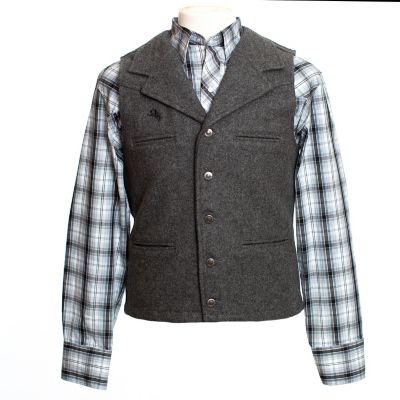
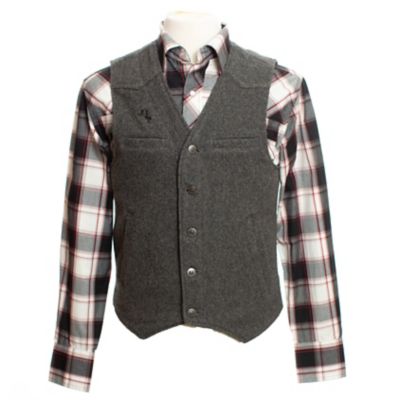
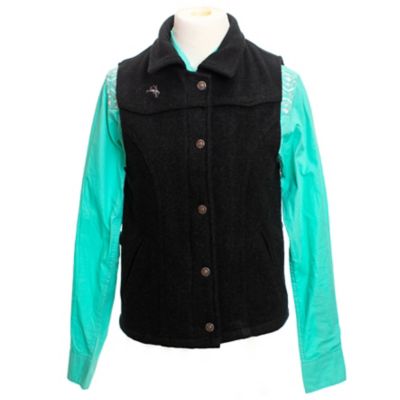
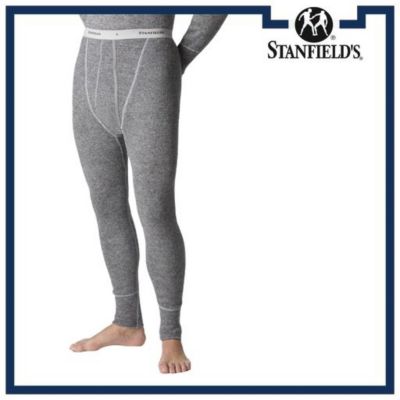
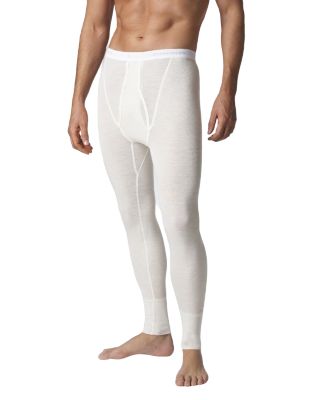
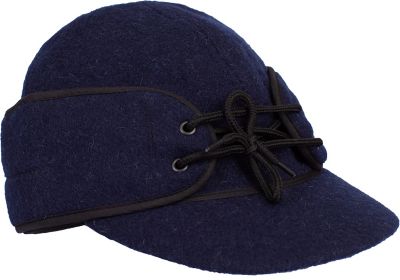
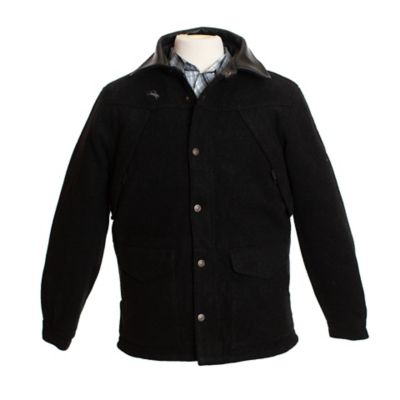
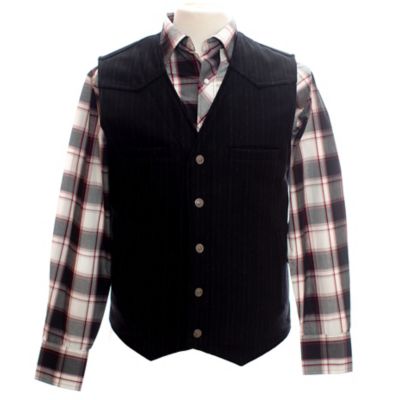
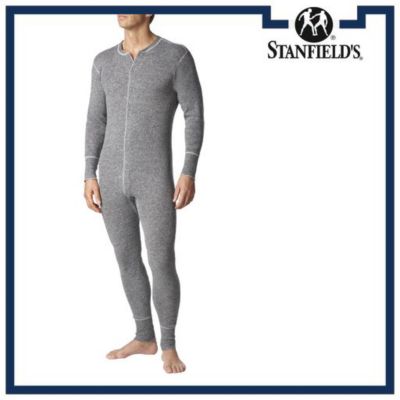
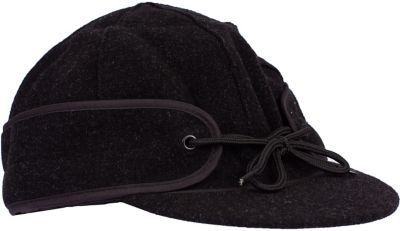
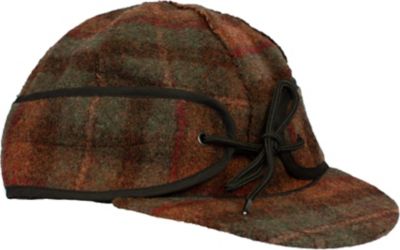
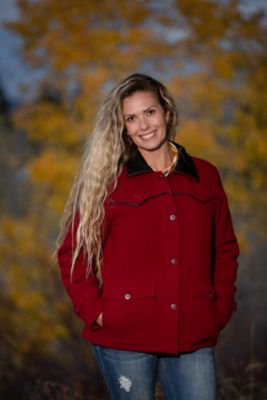
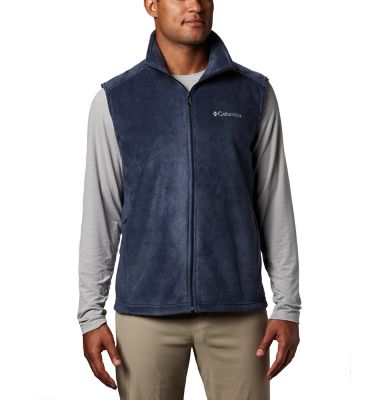
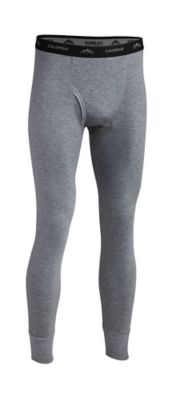
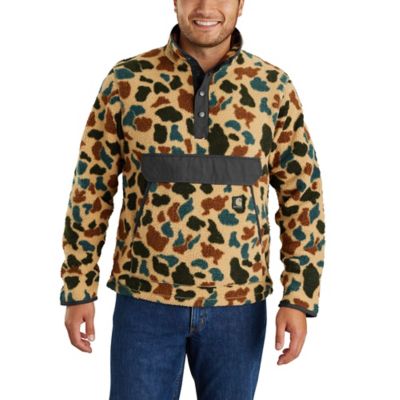
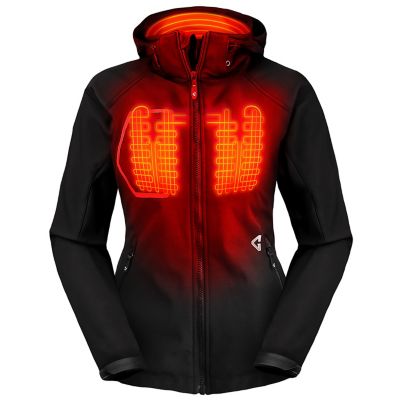
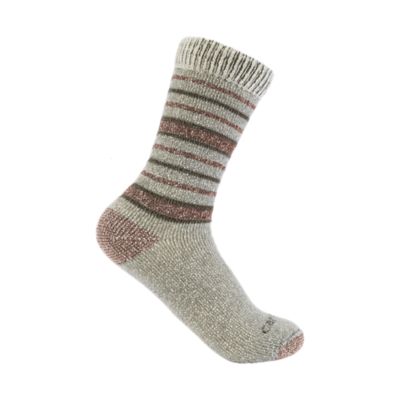
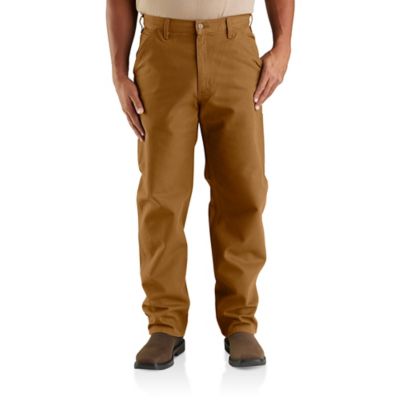
Wool outdoor clothing has earned its place in work trucks, hunting camps, hiking packs, and everyday closets because it handles changing weather in a way few other natural fibers can match. Wool fibers help regulate body temperature, holding warm air close when the air turns chilly while allowing heat and moisture to move away when you are walking, splitting wood, checking fence lines, or working around the farm. It can absorb a good deal of moisture vapor—often up to about 30% of its weight—without immediately feeling wet against your skin, and it continues to provide insulation if a passing shower, damp grass, or light snow catches you outside. Fine merino wool is often chosen for next-to-skin comfort, while thicker, denser wool is useful for added warmth and protection as an outer layer. Wool also naturally resists odor-causing bacteria, which makes it handy for long days outdoors, travel, and multi-day trips when a full change of clothes is not practical. Look for lightweight wool layers when you need flexible warmth for active use, such as hiking, walking the dog, scouting a property, or sitting in a tree stand during a cool morning. Heavier knit or tightly woven layers can provide more insulation for slow-paced work, camp chores, and time spent outdoors in colder conditions. A good layering setup may include a soft layer against the skin, a warmer middle layer, and a weather-resistant shell over top when wind or rain is expected. Wool works well in that system because it breathes better than many dense synthetic materials and helps smooth out the temperature swings that come with moving between a chilly barn, a sunny field, and a heated cab. When choosing wool outdoor clothing, pay attention to fiber weight, weave, fit, and intended use. A close but comfortable fit helps a base layer manage moisture, while a little extra room in a jacket or overshirt leaves space for layers underneath. Check the garment’s care instructions, too. Some wool can be machine washed on a gentle cycle, but other pieces do best with cool water, mild detergent, and careful air drying. Avoid high heat, which can shrink or felt wool, and give garments room to dry fully before folding them away. With sensible care, wool clothing can stay in the rotation for years, developing the soft, broken-in feel that makes a dependable outdoor layer hard to replace.
Wool outdoor clothing suits anyone who spends time outside in weather that cannot seem to make up its mind. Farmers and ranchers may appreciate a breathable layer for early chores that becomes just as comfortable once the sun is up. Hunters, anglers, hikers, campers, and trail riders can benefit from warmth that does not feel overly bulky when they are on the move. It is also a practical choice for travelers, outdoor workers, and folks who keep a pair of dependable layers in a vehicle for unexpected cold, wet roads, or roadside repairs. Wool socks can help manage moisture inside boots and cushion feet during long walks, while wool hats, gloves, and neck coverings help reduce heat loss around the head, hands, and neck when the wind picks up. For camp life, a substantial wool layer can add comfort while gathering firewood, tending a grill, or sitting around the fire after dark. Dense wool fabrics may also offer some resistance to wind and stray sparks, though no wool garment should be treated as fireproof or worn close to open flames. During the warmer part of the year, lighter wool layers can be useful on cool mornings, shaded trails, and high-country outings; as the weather turns cooler, heavier layers become helpful for hunting seasons, fall chores, travel, and weekend adventures. Wool clothing can make a thoughtful gift for a person who is always outdoors, especially someone who enjoys practical gear that gets better with regular use. It works for a new camper building a layering system, a dog walker who refuses to let a little weather change the routine, a parent preparing for outdoor activities, or a seasoned hand who knows the value of warm feet and a dry layer. When comparing options, consider the climate, activity level, and amount of time the wearer will spend standing still versus moving. A lightweight layer may be more comfortable for active hikes, while a thick outer layer can be the better choice for long periods of observation or slow work. Natural wool colors and classic outdoor styling also make these garments easy to wear with work pants, denim, insulated bibs, or casual weekend clothing. To round out a cold-weather setup, browse
Warm Outdoor Gear for additional ways to stay comfortable outside. Whether it is pulled on before dawn, packed for a trip, or kept by the back door for quick chores, well-chosen wool outdoor clothing brings steady warmth, useful breathability, and reliable comfort to the days when being outside matters most.