Most established landscape trees do not need routine fertilizer when their soil already supplies enough nutrients. Tree fertilizers are intended to fill a demonstrated nutrient gap, not serve as an automatic treatment for every tree in the yard. A soil test helps show which nutrients are lacking and whether soil pH may be keeping roots from taking up nutrients already present. That distinction matters around a farmhouse, along a driveway, or beside a fence line, where trees may share ground with grass, shrubs, and other plantings. Pale leaves, smaller leaves, and weak shoot growth can signal a problem, but they do not prove that a tree needs fertilizer. Root damage, compacted ground, poor drainage, and certain pests can cause similar symptoms, so feeding alone may not address the trouble. In nutrient-sufficient soil, extra fertilizer generally offers little benefit and can create problems when application rates exceed the tree’s needs. Decomposing leaves and other organic matter return nutrients to the ground, which helps explain why a well-established shade tree may get along without a regular feeding program. Trees growing where leaves are regularly removed, roots have limited room, or soil has been disturbed can have different needs, though those conditions still call for checking the soil rather than guessing. Tree fertilizer selection is therefore as much about matching the formula to the site as it is about the kind of tree. A large oak beside a pasture gate, a young maple near the house, and a fruit tree in a fenced planting area do not necessarily need the same nutrient balance or amount. Soil test results, tree size, root health, and the product label provide a more useful basis for comparing fertilizers than a promise of faster growth. When symptoms persist despite adequate soil nutrients, an arborist or local extension office can help sort out the cause before more fertilizer goes into the ground.
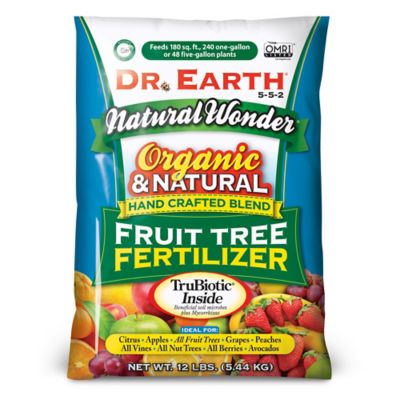
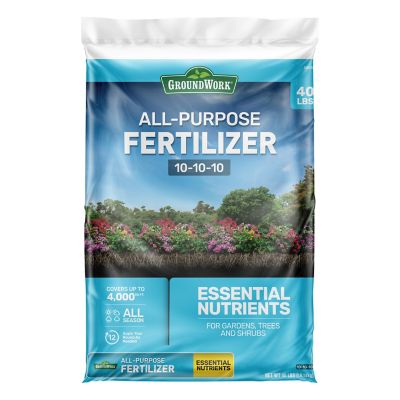
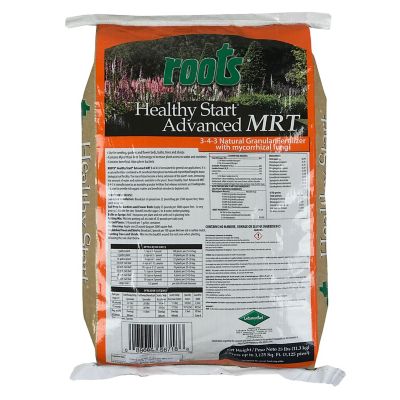
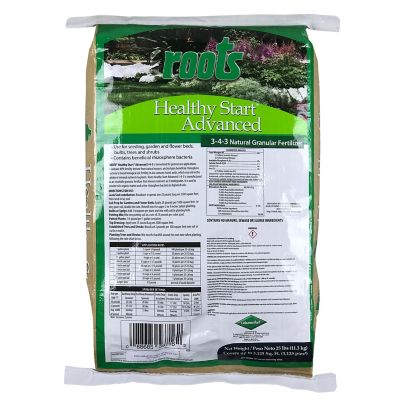
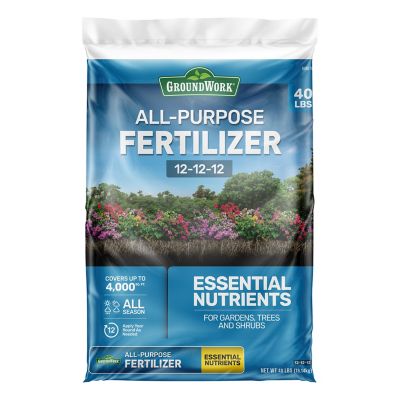
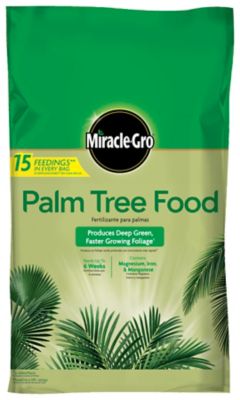
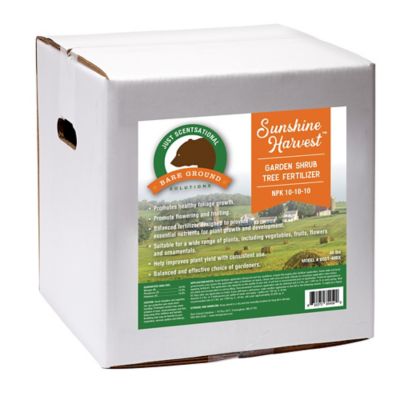
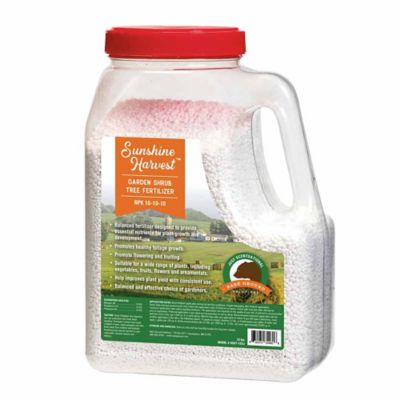
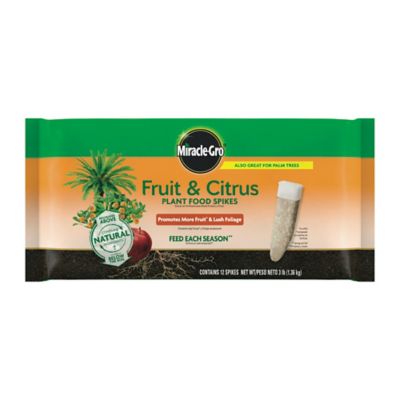
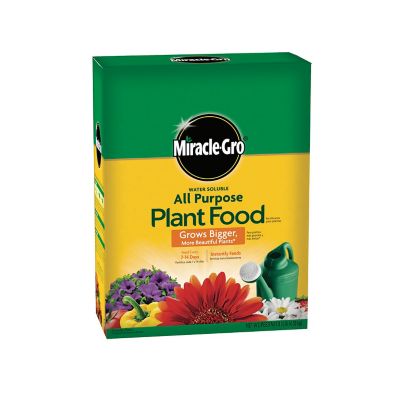
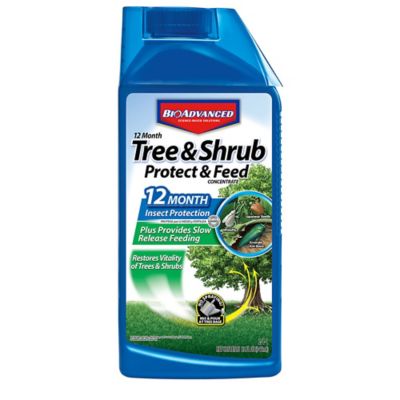
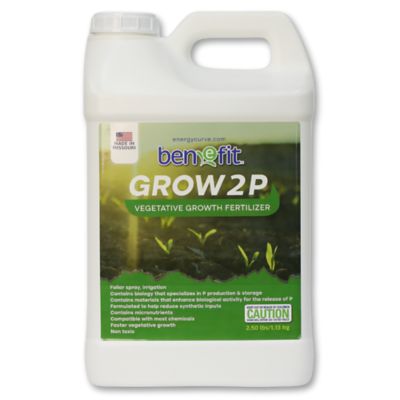
Tree fertilizers come in granular, liquid, water-soluble, and spike forms, each with handling and application differences worth considering. Granular formulas can be practical for treating a measured area of soil, while liquid concentrates and water-soluble powders require dilution according to the label. Spikes offer a premeasured format, although their number and placement still need to match the label and the tree’s root area. Feeder roots spread outward through the soil, often beyond the edge of the branches, so nutrient distribution matters more than simply placing fertilizer close to the trunk. Some formulas release nutrients quickly, while others contain slow-release components that supply nutrients over a longer period under the conditions listed on the package. Slow release does not mean unlimited application is safe; the total nutrient amount still matters. The three numbers on a fertilizer label represent nitrogen, phosphate, and potash, expressed as percentages by weight. Nitrogen supports leafy growth, phosphorus plays a role in root development and energy transfer, and potassium supports several normal plant functions. More of every nutrient is not automatically better, especially when a soil test shows that one or more are already sufficient. Formulas may draw nutrients from mineral sources, plant materials, animal-derived ingredients, or a blend of sources. These ingredients differ in nutrient concentration and how they become available to roots, and an organic source can still harm plants or contribute to runoff if overapplied. Some tree fertilizers also contain micronutrients such as iron, manganese, or zinc, but supplemental amounts are helpful only when a shortage calls for them. A fertilizer with added iron, for example, is not a blanket answer for yellow leaves when unsuitable soil pH is the underlying issue. Package coverage, application method, and the equipment needed to measure or spread the material are practical points for comparing formats. A homeowner caring for one yard tree may value a straightforward measuring method, while someone tending a larger property may be more concerned with distributing the labeled amount evenly across several separate root areas.
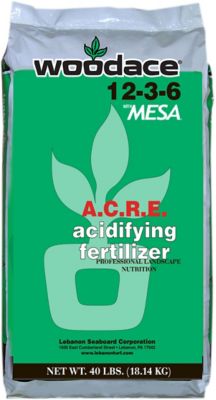
The right fit also depends on whether the tree is grown for shade, privacy, flowers, or an edible harvest. For fruit and nut trees that need feeding, the fertilizer label should cover the intended use, with nutrient rates matched to the tree and soil rather than a general push for more foliage. Excess nitrogen can favor leafy growth at the expense of fruit production in some trees. Evergreen trees are another broad group with differing needs; not every evergreen calls for an acidifying fertilizer, and changing soil pH without a reason can make nutrient problems worse. Newly planted trees deserve special care because establishing roots is the first priority, and concentrated fertilizer placed against roots can cause injury. For a property with garden beds near tree plantings,
Garden Fertilizer offers a related category to compare, but a formula suited to vegetables or flowers is not automatically the right match for a nearby tree. Existing fertilizer applications to the lawn also matter, since tree roots can extend into turf and take up some of those nutrients. Keeping those overlapping areas in mind helps prevent treating the same ground as though it needs separate full applications for every planting. Product labels explain the intended plants, application rates, placement, and any watering requirements, along with precautions for people, pets, and livestock. Those details are especially important around a horse paddock, chicken run, or yard where children play. Sealed storage in the original labeled container helps keep fertilizer dry, prevents mix-ups, and keeps nutrient materials away from feed and seed. Measuring tools and spreaders should be cleaned as directed, and spills should be gathered promptly rather than left on walkways or where they could reach a ditch or pond. Well-matched tree fertilizers have a clear place in property care when a nutrient shortage is holding a tree back. The goal is steady, appropriate growth supported by the soil, not extra feeding for its own sake, whether the tree anchors the front yard or shades a quiet corner of the acreage.