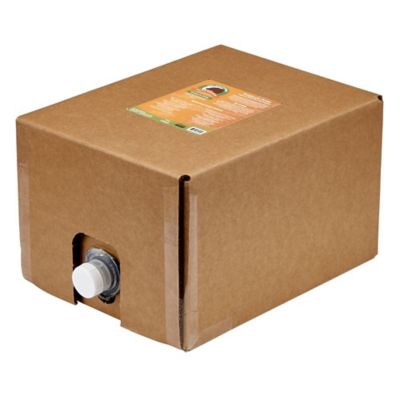
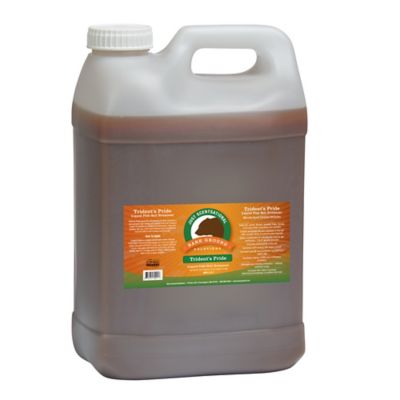
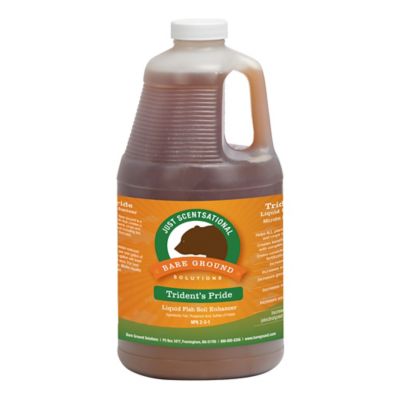
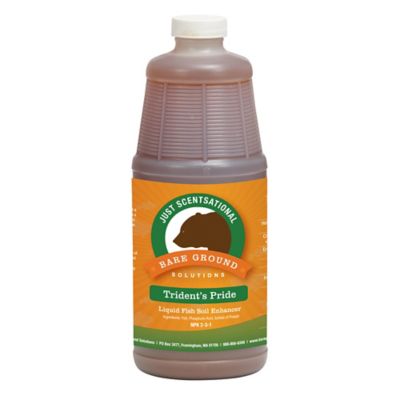
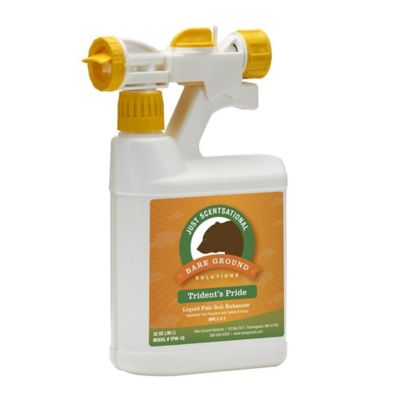
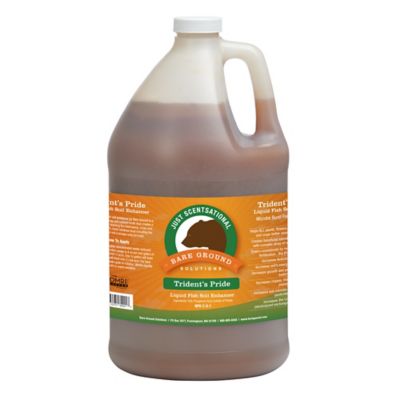
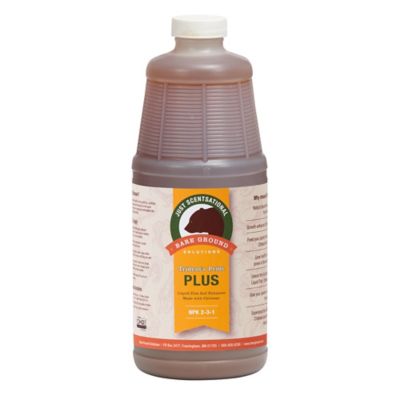
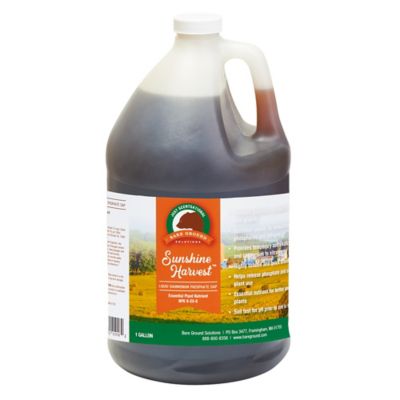
When it comes to giving your garden, yard, or pasture a boost as the weather warms and plants hit their stride, liquid fish fertilizers are a tried-and-true favorite for folks who want to feed their soil the natural way. Made from fish byproducts—either cooked down into fish emulsion or processed cold for fish hydrolysate—these liquid plant foods are packed with gentle, slow-release nitrogen, trace minerals, and amino acids that help everything from tomatoes to turf thrive. Whether you’re caring for a backyard vegetable patch, a few fruit trees, or sprawling lawns and pastures, liquid fish fertilizer is prized for being safe on roots and leaves, so you don’t have to worry about burning your plants. That makes it a great fit for both seasoned growers and folks just starting to dip their toes into gardening. Even houseplant enthusiasts and those with raised beds or container gardens can put these products to good use, since they’re easy to dilute and apply as a root drench or foliar spray. You’ll often find neighbors swapping tips about the best way to mix fish fertilizer, especially as the growing season stretches on and everyone’s looking for that extra push for their blooms, veggies, or even grass. If you’ve ever searched “fish fertilizer near me” or asked around about “tractor supply fish fertilizer,” you’re likely in good company—these products have a loyal following in farming communities and among backyard growers alike.
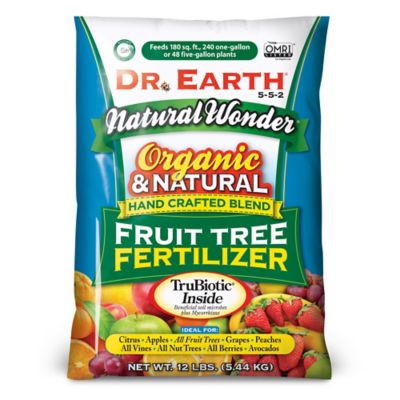
As you browse liquid fish fertilizers, there are a few things to keep in mind. The two main types—fish emulsion and fish hydrolysate—each have their own advantages. Emulsions are cooked and filtered, which can give them a strong fishy odor but makes them fast-acting for quick nutrient boosts. Hydrolysates, on the other hand, are made using a cold-enzymatic process that keeps more of the natural oils and amino acids intact, offering long-term soil health benefits and a milder smell. Both types are usually OMRI-listed for organic gardening, making them a solid choice for folks who want to keep their gardens chemical-free. Application is straightforward: just dilute with water according to the directions. For indoor plants, a small splash every couple of weeks keeps leaves green and healthy. Outdoor gardeners often mix up a batch every 2-3 weeks for veggies and flowers, while lawns benefit from a monthly dose—answering the common question, “is fish fertilizer good for grass?” with a resounding yes, especially when you want to green up your yard without harsh synthetics. Just be mindful that even deodorized versions can attract critters like raccoons, so it’s smart to apply early in the day or when pets and wildlife aren’t around. For those tending fruit trees or berry patches, liquid fish fertilizer is a go-to for supporting strong root systems and bountiful harvests. If you’re curious about giving your orchard a boost, you might want to check out this handy guide on
Liquid Fertilizer for Fruit Trees for more details.
Liquid fish fertilizers also make thoughtful gifts for gardeners, ranchers, or anyone with a green thumb. Whether you’re shopping for a neighbor who just put in a new vegetable bed, a friend with a collection of houseplants, or a family member who loves tending their fruit trees, a jug of fish fertilizer is a practical and appreciated present—especially as folks gear up for another growing season. With so many options available at Tractor Supply, it’s easy to find the right product for your needs, whether you’re searching for “fish fertilizer tractor supply” or just looking to stock up for the months ahead. These fertilizers are a reliable staple for anyone who values healthy soil, robust plants, and a more natural approach to gardening and lawn care. As late summer rolls into fall and you look to keep your landscape thriving, liquid fish fertilizers remain a steady companion, helping you get the most from your land, one feeding at a time.