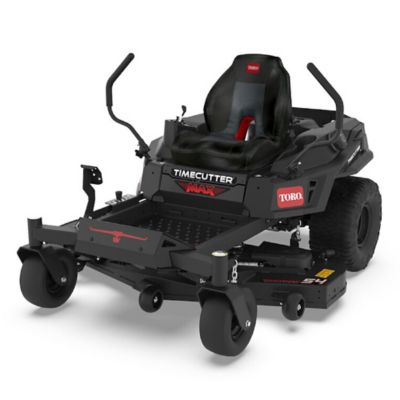
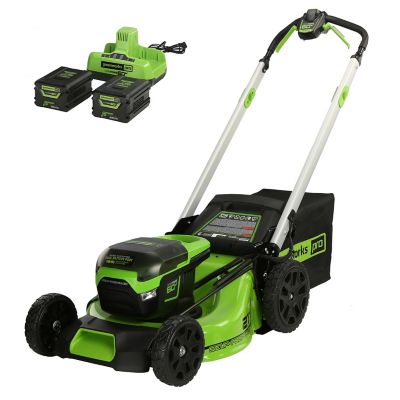
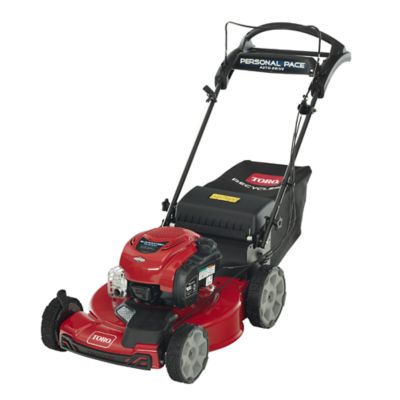
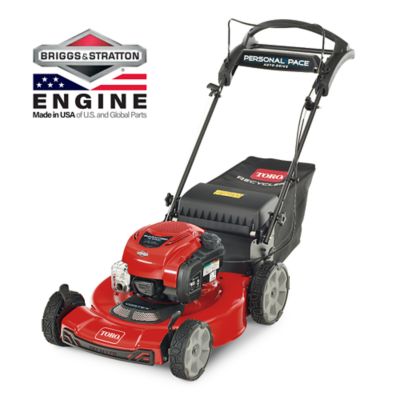
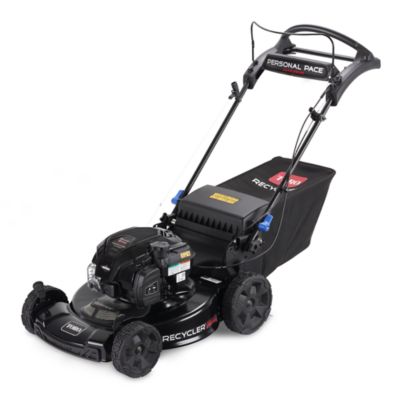
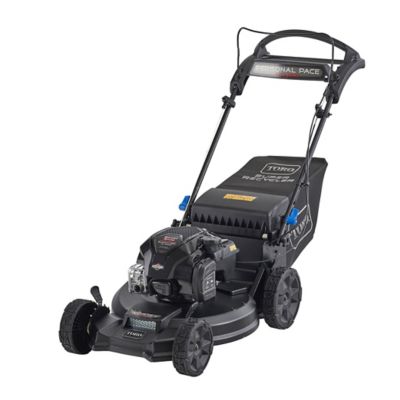
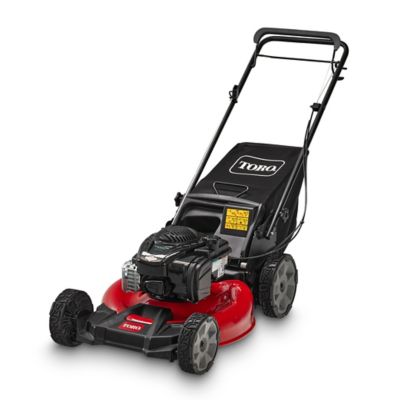
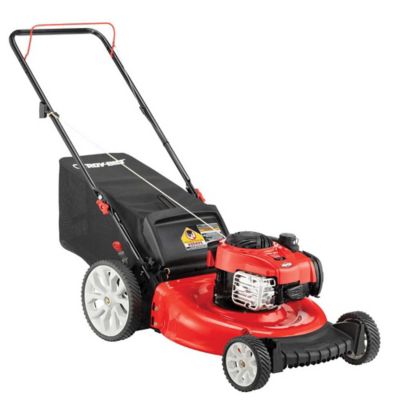
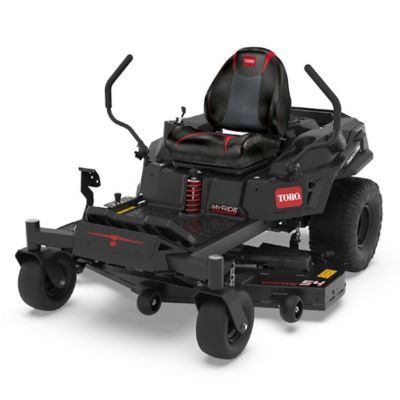
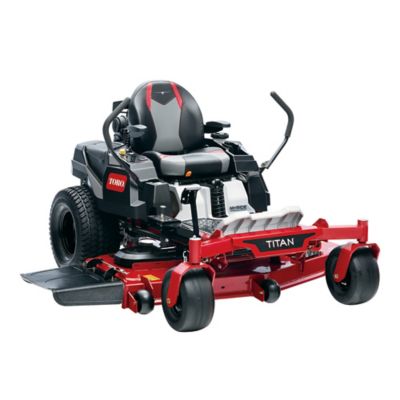
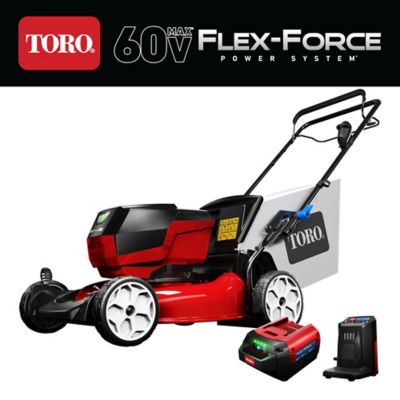
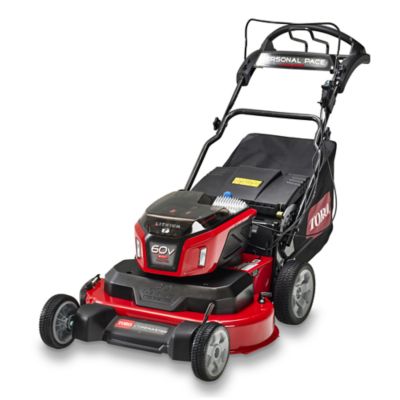
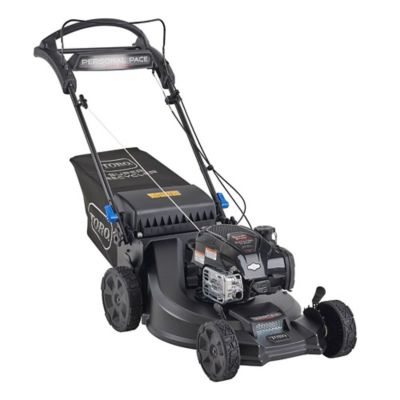
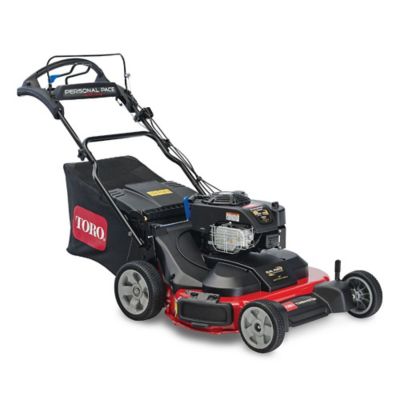
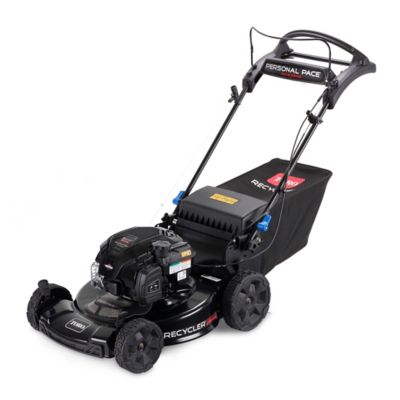
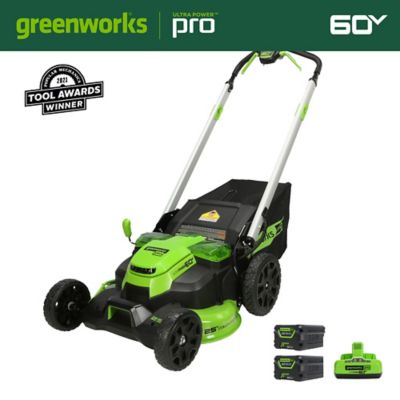
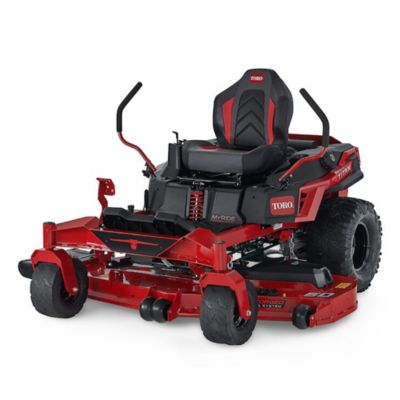
A mulching mower keeps grass clippings working for the lawn instead of turning every mowing session into a bagging job. Its cutting system combines the blade, deck shape, and airflow to hold clippings beneath the deck long enough for additional cutting before dropping the smaller pieces back into the turf. Those clippings settle between grass blades and break down, returning organic matter and some nutrients to the soil. That makes mulching a practical choice for homeowners who want a tidy yard with fewer stops to empty a collection bag and less grass to haul away. It does not replace every part of lawn care, but it can reduce the amount of material leaving the property after each cut. Around a farmhouse, along an open stretch beside the driveway, or inside a fenced backyard, the right mower should suit both the grass and the space it travels through. Cutting width matters here: a wider deck covers more ground per pass, while a narrower deck can be easier to steer between garden beds or through a gate. The mower’s full outside dimensions, rather than cutting width alone, determine whether it fits through a tight opening. Adjustable cutting heights help match the cut to the type of turf, and an easy-to-reach height adjustment can make that setting less of a chore. Mulching performance also depends on how much grass enters the deck at once. A lawn kept at a suitable height generally gives the mower a more manageable load than grass left to grow tall between cuts. Removing no more than about one-third of the grass blade at a time helps limit that load and supports lawn health. For someone who takes pride in the patch of green around the house but would rather spend less time handling clippings, mulching offers a straightforward approach to routine yard upkeep.
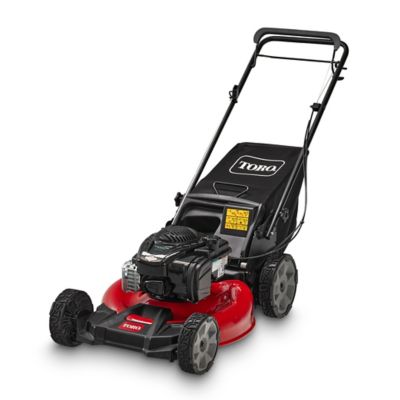
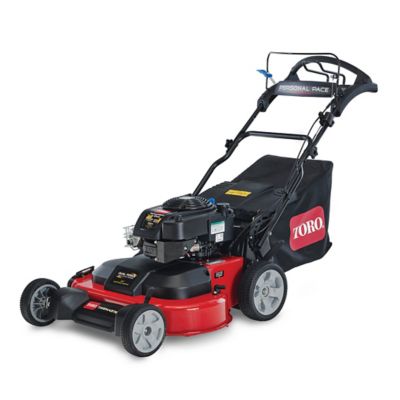
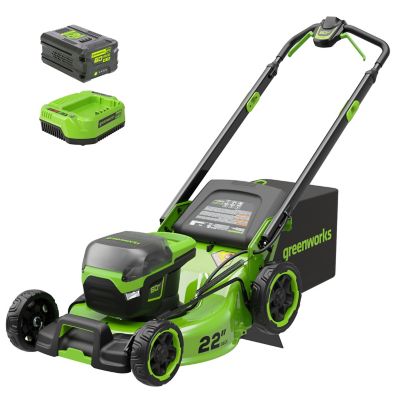
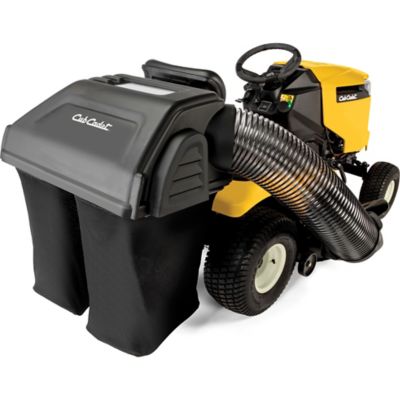
Power source, drive system, and clipping options all affect how a mulching mower fits into that routine. Gas-powered designs offer the flexibility of refueling to continue mowing, along with engine care that can include oil checks, air-filter service, and spark-plug attention according to the mower’s manual. Battery-powered designs avoid gasoline handling and engine oil maintenance, though mowing time depends on battery capacity, grass height, cutting load, travel speed, and whether the drive system draws power during operation. A stated runtime is best understood alongside its test conditions, not as a promise for every yard. Battery and charger compatibility matters as much as voltage, especially for households that already have cordless outdoor equipment. With either power source, a push mower may fit a smaller, relatively level lawn, while self-propelled operation can reduce pushing effort across a larger area. Variable travel speed helps the mower move at a comfortable walking pace around fence corners, trees, and other obstacles. Traction, balance, and the manufacturer’s slope limits deserve attention on uneven ground; powered wheels do not make every incline suitable for mowing. Some mower configurations support mulching, bagging, and discharge, but those functions depend on the deck design and the attachments specified for it. Bagging can be useful when collecting excess clippings or keeping cut grass away from a walkway where it might get tracked indoors. A
Toro Lawn Mower Bag is a related consideration for a mower designed to accept a collection bag, with fit determined by the mower’s model information and the bag’s mounting arrangement. Bag capacity, frame shape, attachment points, and clearance around the handle all matter. Likewise, a mulching plug or discharge chute needs to match the mower rather than simply look close in size. Checking which components come with a mower and which are required for another cutting mode helps clarify how it will handle the work around the property.
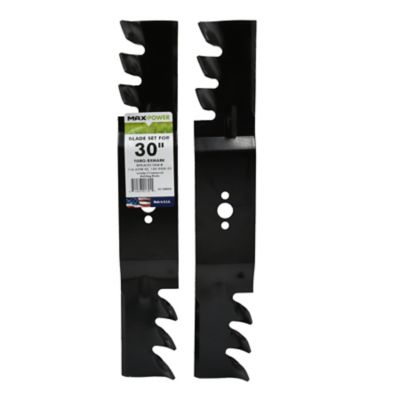
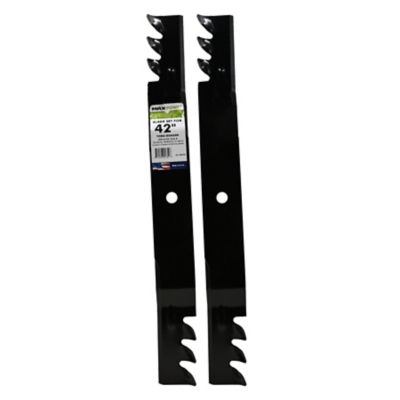
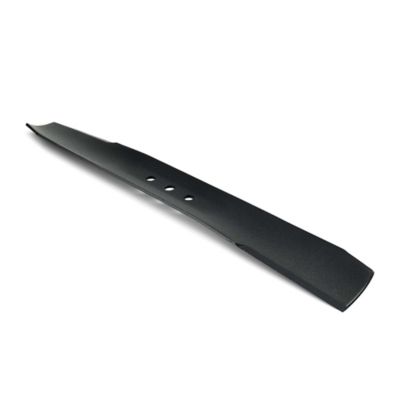
Construction and everyday handling deserve just as much attention as cutting features. Deck materials vary, and steel, aluminum, or composite construction can affect weight, corrosion resistance, and care requirements. The material name alone does not tell the whole story; the deck’s design, protective finish, wheel mounts, and access for cleaning also influence ownership over time. A mower that feels manageable on the lawn should also be manageable when backing out of a shed or turning beside a raised bed. Handle height, grip position, control placement, and mower weight all shape that experience. Larger rear wheels may help with maneuvering over small surface irregularities, but wheel size is only one part of how a mower handles. Storage features can be especially helpful where the mower shares floor space with feed bins, garden tools, and a wheelbarrow. Folding handles may reduce the storage footprint, while upright storage is appropriate only when the manufacturer explicitly permits it for that mower. A folding handle by itself does not establish that a gas mower can stand on end without leaking. Care access is another practical detail: built-up grass beneath the deck can interfere with airflow, and a dull or damaged blade can leave an uneven finish while making fine clipping reduction harder. The owner’s manual sets the proper cleaning method, blade specification, service schedule, and steps for preventing an accidental start before maintenance. Replacement blades must match more than length, since the center opening, mounting hardware, blade shape, and intended cutting function also matter. For a homeowner taking over lawn duties at a new place, or a family sharing mowing chores across a roomy yard, these details help distinguish a good fit from a machine that is awkward to live with. The strongest match is a mower with the cutting system, operating controls, power arrangement, and storage requirements suited to the property. That keeps the focus where it belongs: an even cut, manageable clippings, and equipment that fits the work waiting just outside the door.