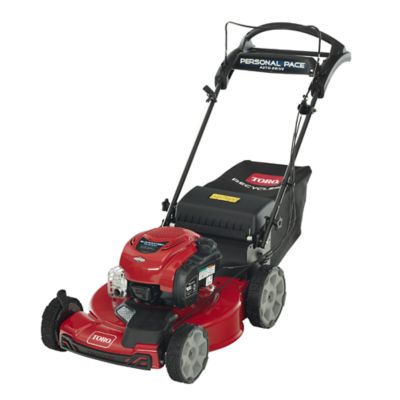
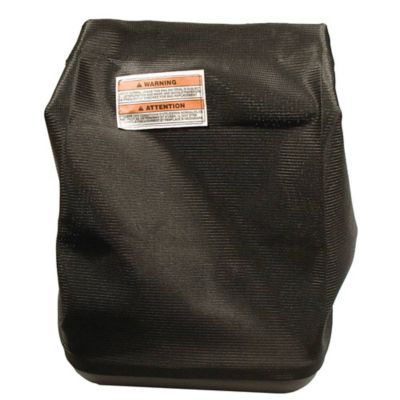
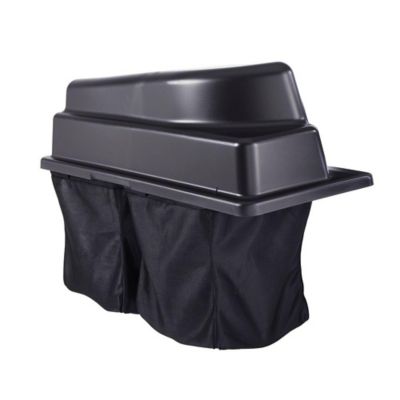
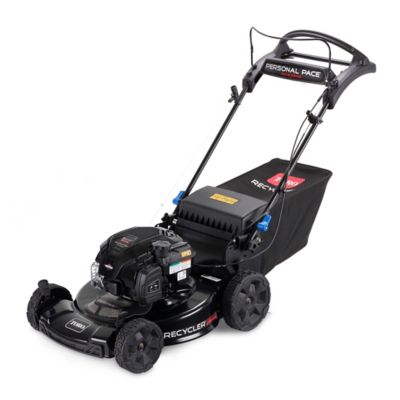
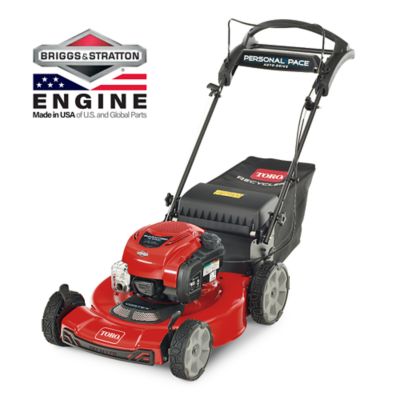
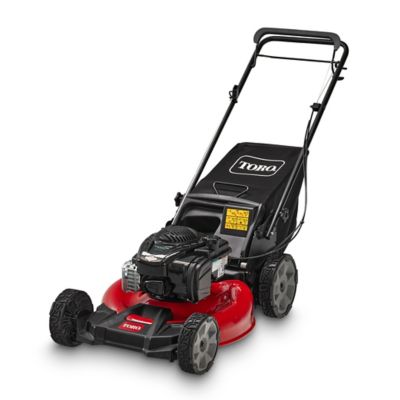
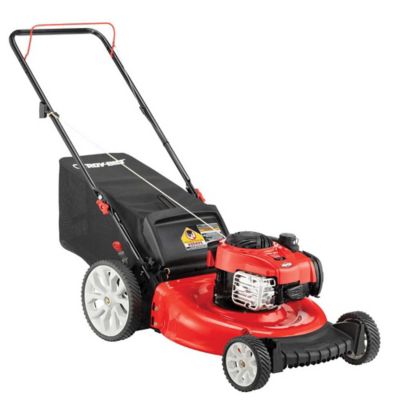
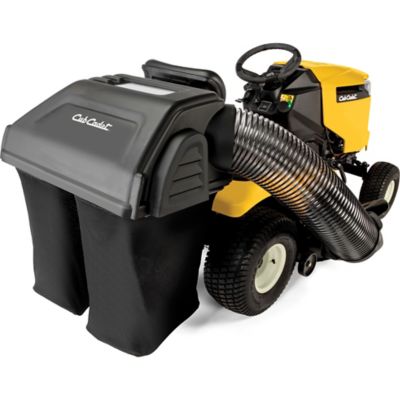
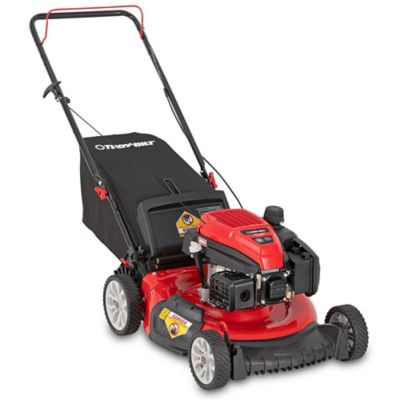
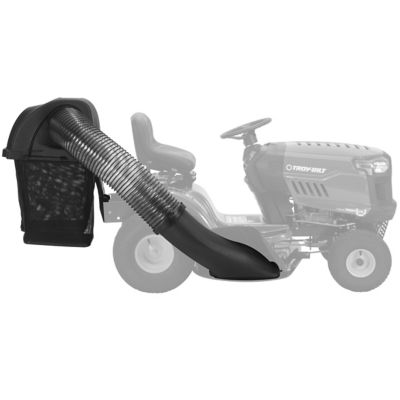
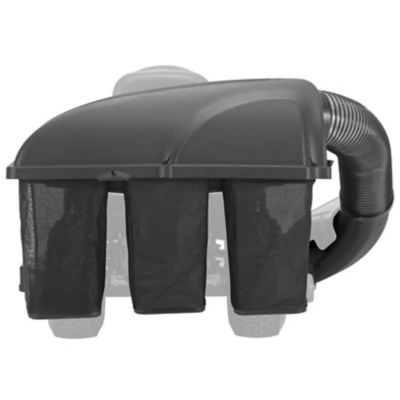
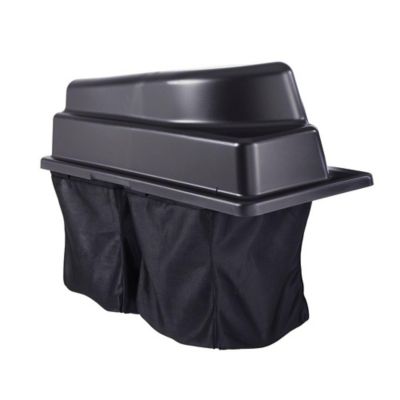
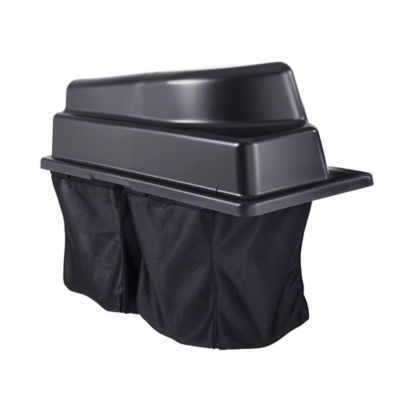
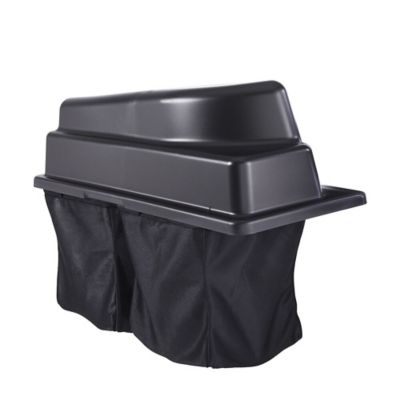
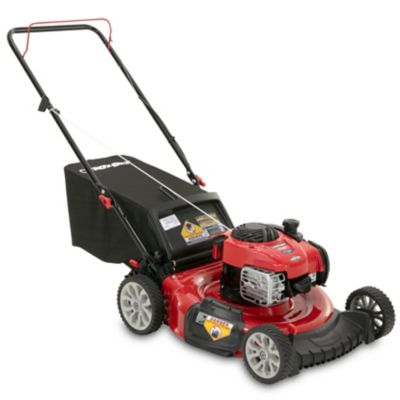
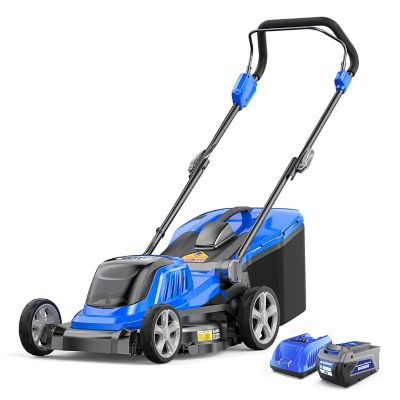
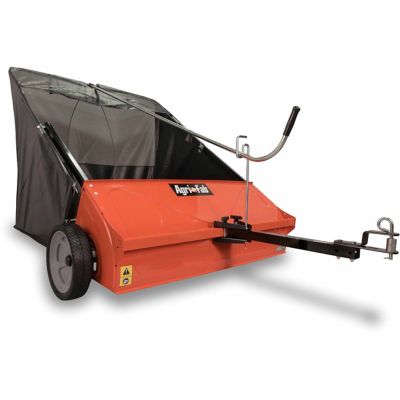
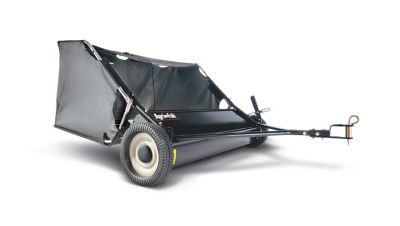
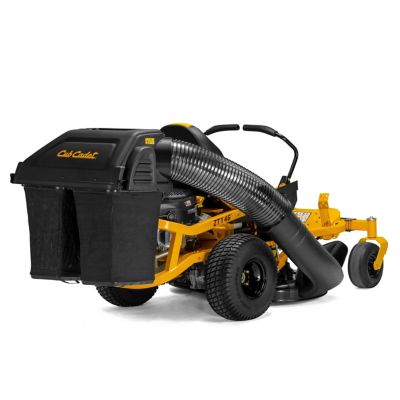
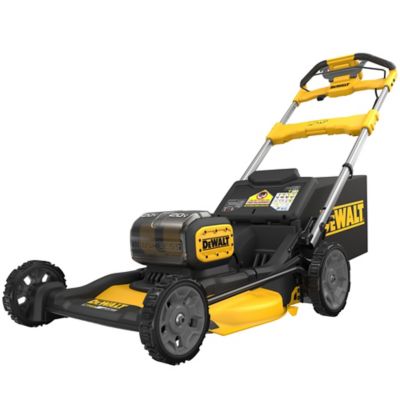
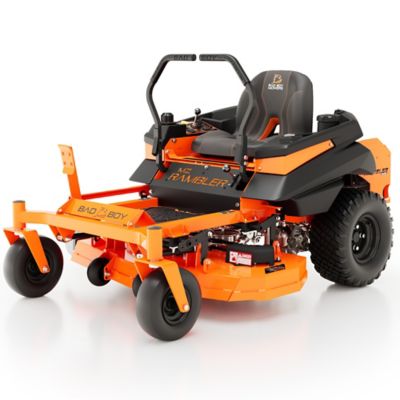
A lawn mower bag is a handy addition for homeowners who like a clean, finished look after cutting the grass. Instead of leaving rows of clippings scattered across the yard, a properly fitted bag collects them as you mow, making it easier to tidy up walkways, patios, driveways and garden edges. Collected grass can be added to a compost pile when it is free from chemicals and other debris, or placed with yard waste according to local guidelines. A mower bag is especially useful for properties with smaller lawns, landscaped beds or areas where clippings tend to blow onto hard surfaces. It can also help when mowing during the warmer part of the growing season, when grass may grow thick and quickly after rain. For households that take turns handling yard work, a grass catcher can make the job feel more manageable by reducing the amount of raking and sweeping afterward. It may also be a practical gift for a new homeowner, a family member caring for an older property or anyone who enjoys keeping a neat, well-maintained lawn without spending extra time on cleanup.
Before choosing a lawn mower bag, start by checking mower compatibility. Bags are made to attach in different ways, and the correct fit depends on the mower's deck design, discharge opening, mounting points and model specifications. A bag that matches the mower should attach securely, sit in the proper position and stay clear of the blade and wheels during operation. Look for information about the bag's capacity, since a smaller catcher may be convenient for a compact lawn while a larger one can reduce trips to the compost area or yard waste container. Material matters, too. Woven fabric allows air to move through as clippings collect, while sturdy panels, frames and reinforced seams help the bag hold its shape through repeated use. A full indicator, firm closure or easy-to-lift handle can make emptying more comfortable, especially when the bag is filled with damp or heavy grass. If the mower is stored in a shed or garage, consider the bag's overall size when attached and when folded or removed. Keeping the catcher in a dry place away from direct sunlight can help preserve the fabric, while brushing away loose clippings after each use helps prevent buildup.
Mowing technique also plays a part in how well a grass bag performs. Tall or wet grass may fill the catcher faster and can place more strain on the mower, so raising the deck slightly and making a slower pass can help in tougher conditions. Avoid packing the bag beyond its comfortable carrying weight, and empty it when airflow drops or clippings begin to trail behind the mower. After use, allow moisture to dry before storage and inspect the attachment points, frame and seams for signs of wear. A clogged chute can reduce collection performance, so clear it only after the mower is shut off, disconnected from its power source and fully stopped. Homeowners who prefer to return fine clippings to the lawn may also want to compare collection with mulching options;
Toro Mulching Kits can provide another way to manage grass during routine mowing. Whether the goal is a tidy suburban yard, a clean finish around a farmhouse or easier maintenance for a rental property, the right mower bag can save time and help keep outdoor spaces looking cared for through changing lawn conditions.