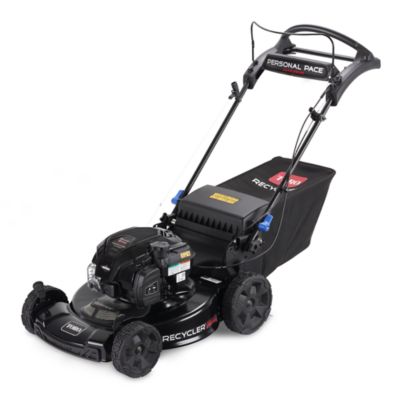
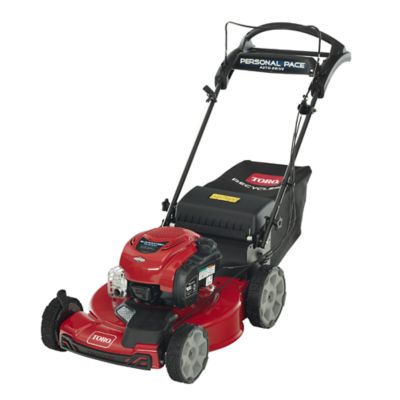
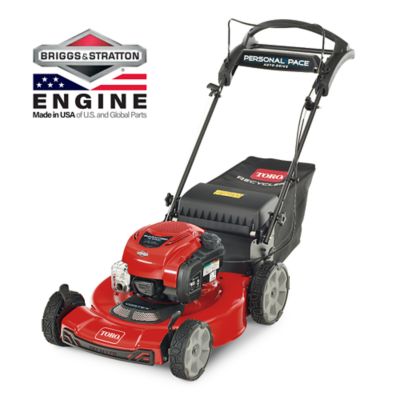
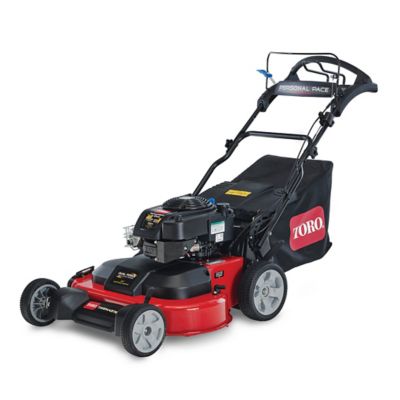
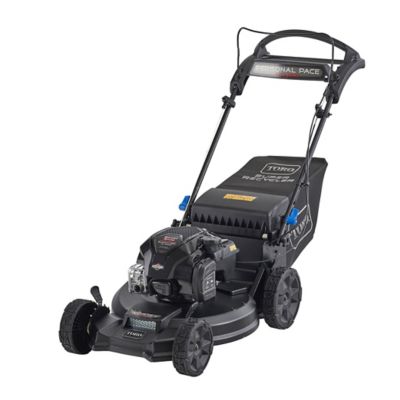
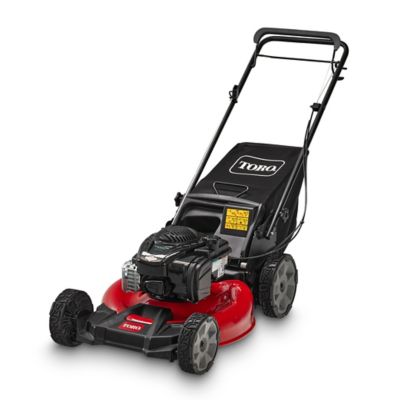
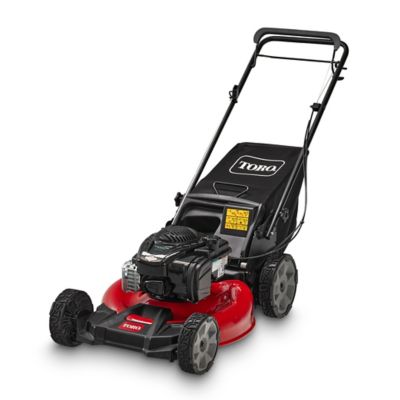
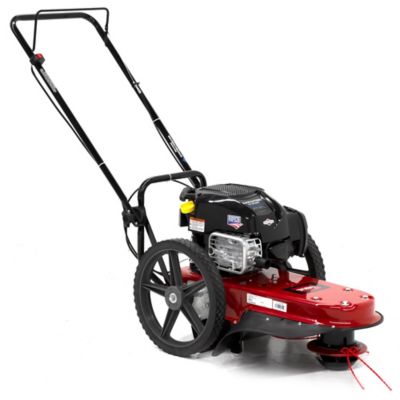
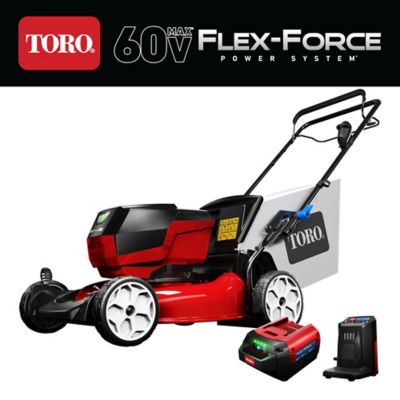
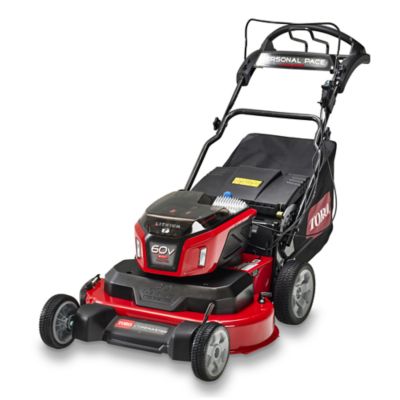
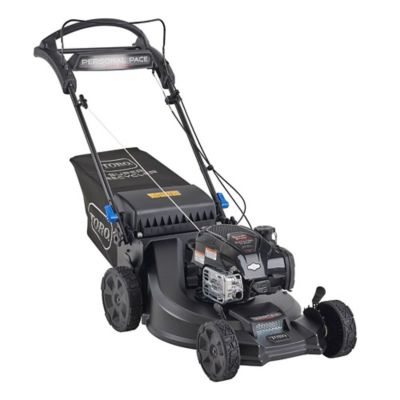
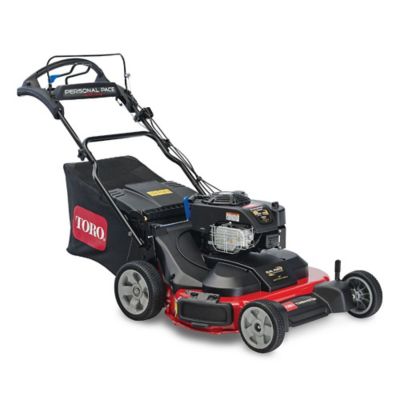
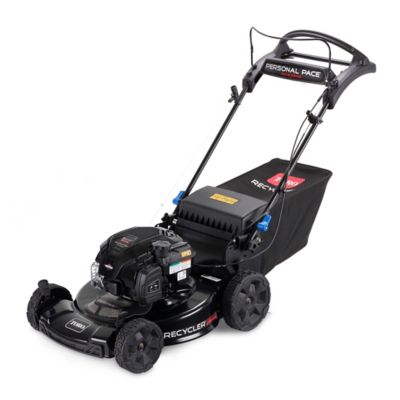
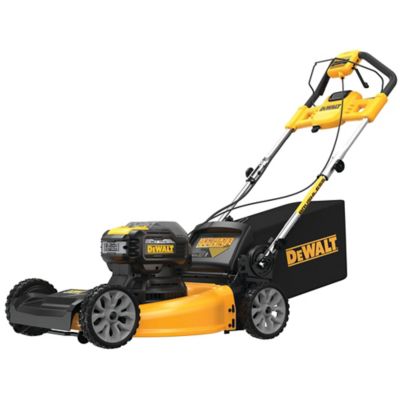
When comparing Toro lawn mower prices, it helps to look beyond the number on the shelf and match the mower to the work your property actually calls for. Walk-behind mowers commonly fall in the $380 to $700 range, with the final price shaped by deck size, engine or battery system, drive type, cutting features, and storage design. A basic gas push mower is often the most straightforward choice for a smaller, mostly level yard, while a self-propelled mower can make a noticeable difference on sloped ground, thick grass, or larger areas where pushing every pass starts to wear on your shoulders. Many entry-level 21- to 22-inch gas models land around $380 to $480, while upgraded gas mowers with easier drive systems, improved storage, or added convenience features may run from about $500 to $650. Battery-powered walk-behind mowers generally range from $500 to $700 when the battery and charger are included. That price can look higher at first, but cordless equipment may be a handy fit for homeowners who prefer less routine engine maintenance, quieter operation, and no need to keep a gas can in the shed. Before settling on a price, check what comes in the box, including the battery, charger, mulch plug, side-discharge equipment, and any collection bag. A mower that costs a little more but includes the parts you need may be the better value than a lower-priced machine that requires several add-ons. Battery shoppers can also compare compatible power systems and replacement costs through the
Toro Lawn Mower Battery selection, especially when planning to use one battery platform for more than one outdoor tool.
Lawn size and yard conditions are just as important as mower price. For a compact lot with narrow walkways, garden borders, and a few trees, a walk-behind mower with a modest deck is usually easier to turn and maneuver than a wider machine. On an open half-acre or larger yard, a wider cutting deck can reduce the number of passes and help get the job done before the afternoon heat rolls in. Self-propelled drive is useful on hills, uneven ground, and long stretches of grass, though it adds cost and weight, so it may not be necessary for a flat suburban lot. Consider the kind of grass on the property, too. Damp spring growth, tall weeds around fence lines, and thick patches beneath shade trees can place more demand on the mower than short, regularly maintained turf. Adjustable cutting heights are helpful when grass needs to be left a little taller during dry spells or trimmed lower when conditions are mild. A mower with a sturdy deck, comfortable handle, simple height adjustment, and easy-to-reach controls can make routine work feel far less like a chore. Storage matters in real life as well. Foldable handles or upright storage can free up valuable room beside feed bags, hand tools, and winter equipment in a crowded shed. For gas equipment, plan for fuel storage, oil checks, air-filter care, and seasonal maintenance. For battery equipment, remember to charge and store the battery according to the manufacturer’s instructions, keeping it in a dry place away from extreme temperatures. During the cooler months, cleaning packed grass from under the deck and checking blades before storage can help a mower start the next cutting season ready to work.
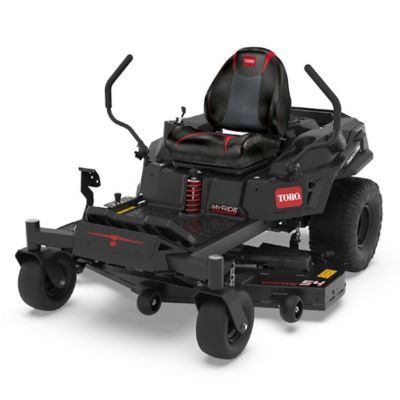
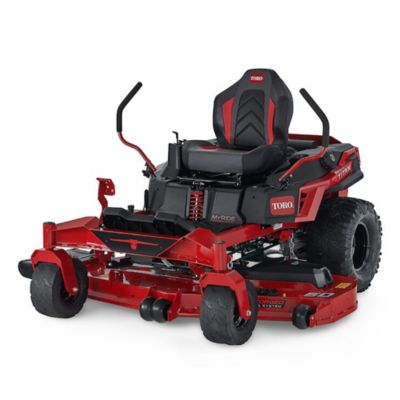
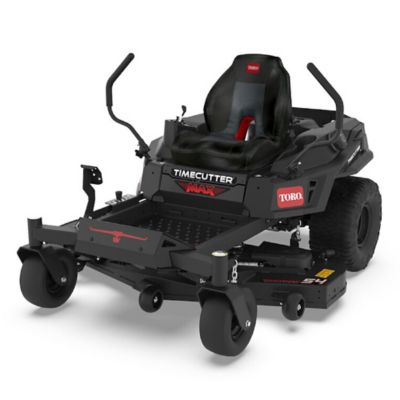
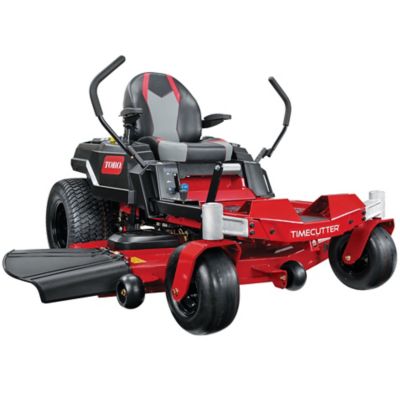
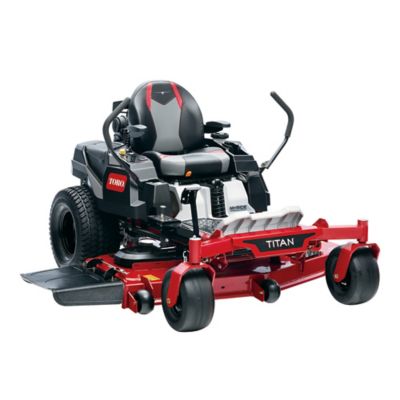
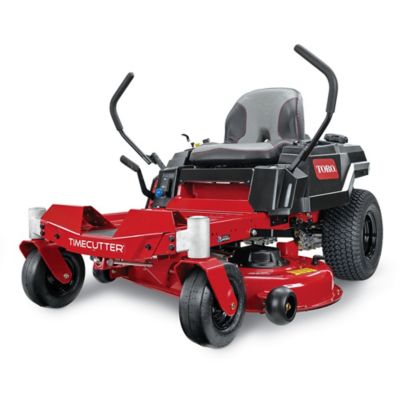
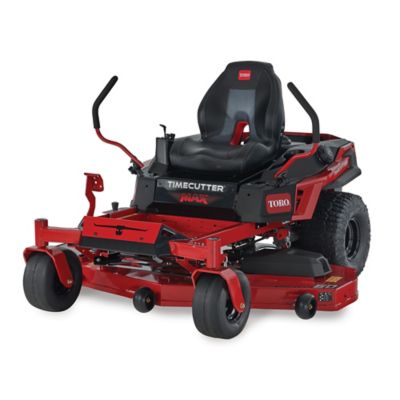
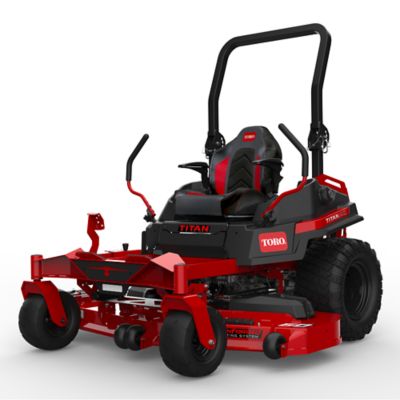
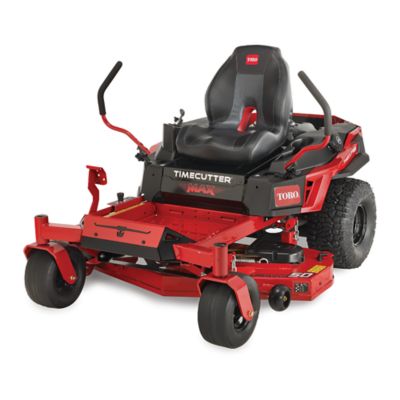
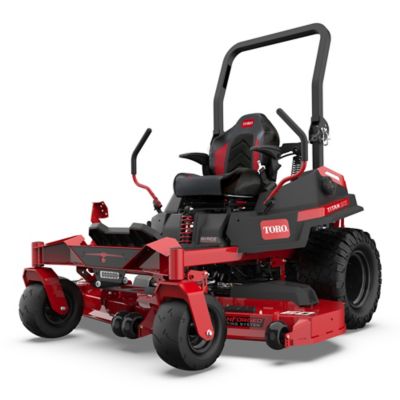
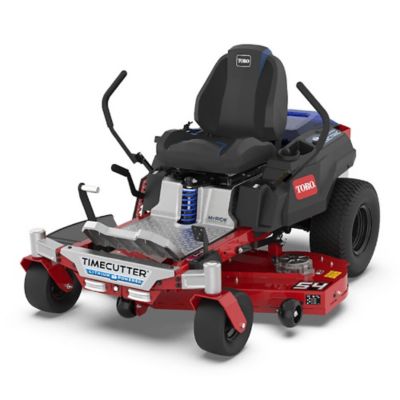
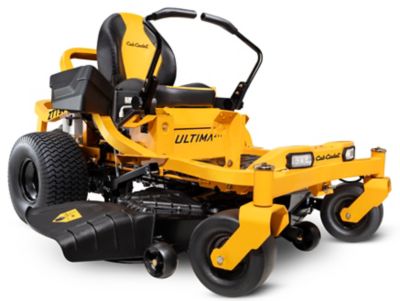
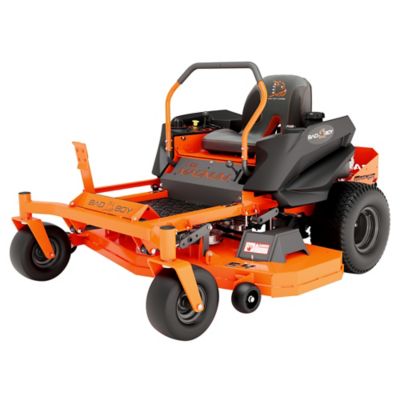
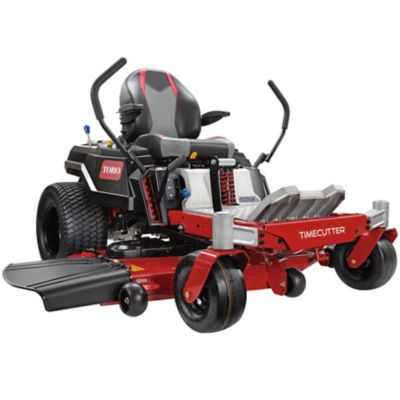
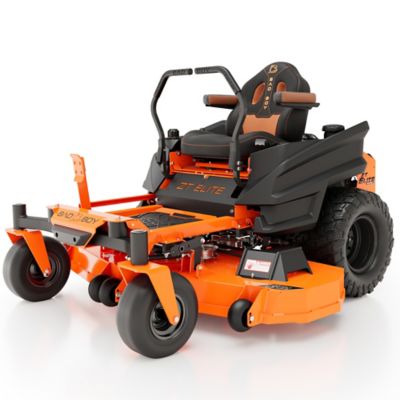
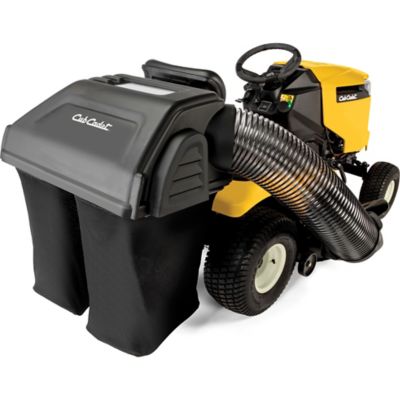
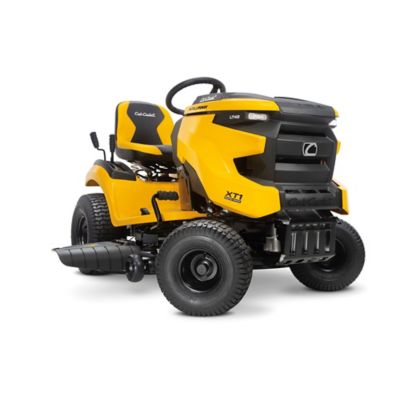
Riding and zero-turn mowers occupy a much higher price range, with residential options often starting around $3,699 and reaching beyond $4,699 when they include upgraded suspension or other comfort features. These machines may be worth considering for broad lawns, acreage, large outbuildings, or properties where a walk-behind mower would turn every cutting into an all-day job. A zero-turn design can save time around trees, landscaping, fence posts, and garden beds, while a comfortable seat and responsive controls make long mowing sessions easier on the back. Still, buyers should measure gates, storage doors, and narrow passages before choosing a riding mower, and should think about where the machine will be parked when rain and freezing weather arrive. A riding mower is also a serious investment, so factor in fuel or charging needs, routine service, blade replacement, tire care, and the cost of a suitable cover or storage area. For families, a dependable mower can be a practical gift for a new homeowner, someone moving onto rural property, or a relative taking on the care of a larger yard. It is the sort of present that earns its keep every time the grass is cut, though the recipient should have enough storage space and be comfortable operating outdoor power equipment. As the weather shifts from active growing to cooler conditions, shoppers can use the slower season to compare deck widths, power sources, drive systems, warranty coverage, and included accessories without rushing into a poor fit. Whether the job involves a small patch of lawn behind the house, a sloping country lot, or several open acres, the best value comes from choosing enough power and comfort for the property without paying for features that will sit unused. Proper mowing height, sharp blades, clear safety practices, and regular cleanup will do as much for a healthy-looking yard as the original purchase price, helping the mower remain a useful part of the work routine for seasons to come.