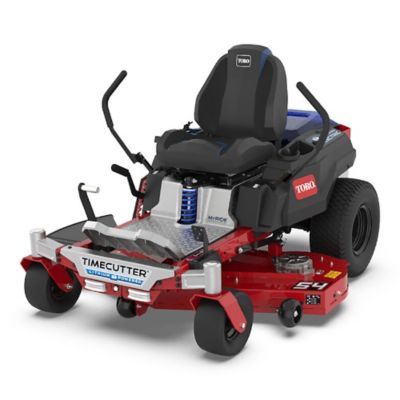
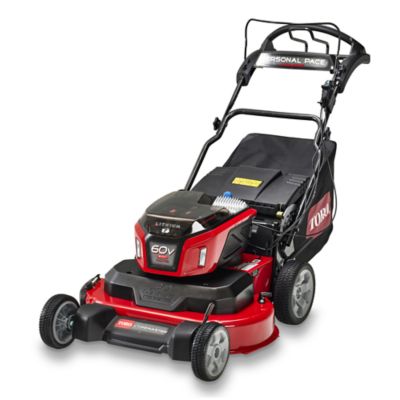
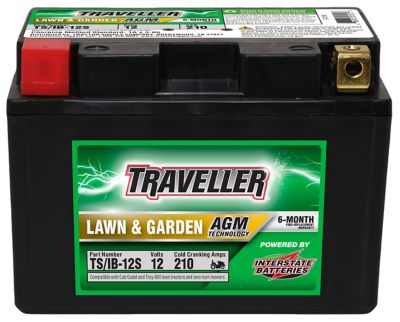
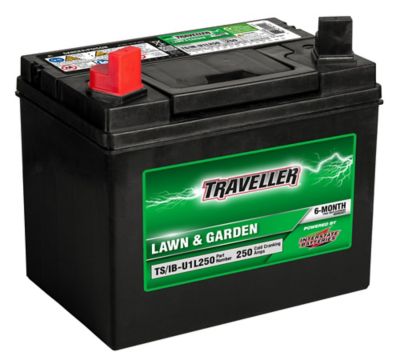
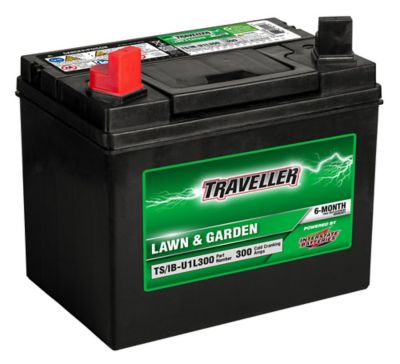
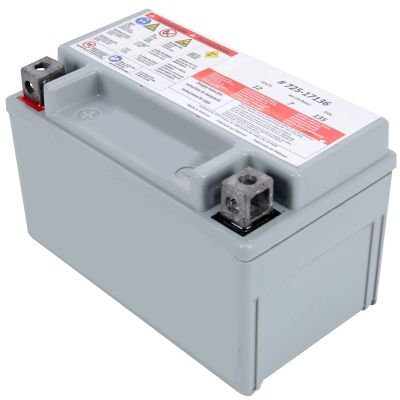
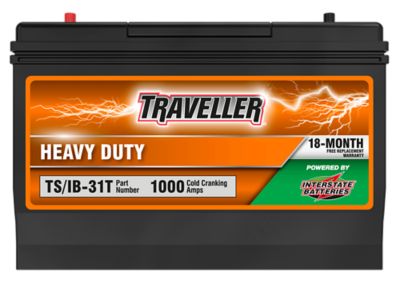
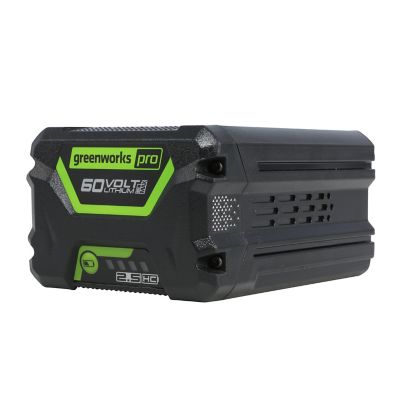
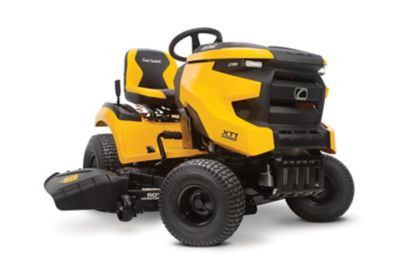
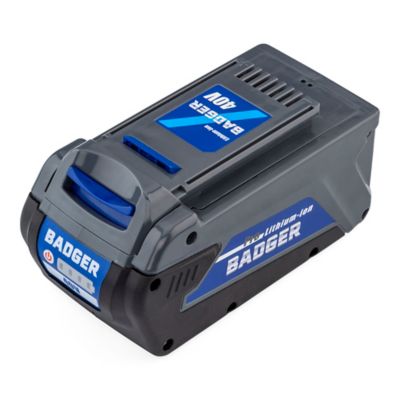
Lawn mower batteries fall into two main groups: batteries that start a gas engine and batteries that power an electric mower. Some electric-start walk-behind mowers call for a compact sealed lead-acid battery, sometimes rated at 12 volts and about 3.4 amp-hours. Many riding mowers take a larger 12-volt U1-style starting battery, while cordless walk-behind mowers run on rechargeable lithium-ion packs, including 60-volt systems. Those categories serve different jobs and are not interchangeable. A starting battery delivers a short burst of power to crank an engine; a cordless mower battery supplies energy throughout the cut. The mower’s model number, owner’s manual, and original battery label provide the starting point for matching a replacement. Voltage matters, but so do battery chemistry, case dimensions, terminal position, connector shape, and the manufacturer’s approved battery platform. Even two batteries with the same voltage rating may have different electrical connections or control systems. For a cordless machine, an
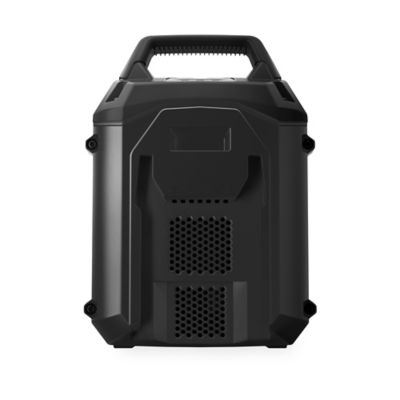
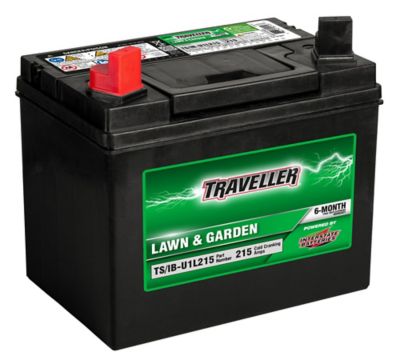
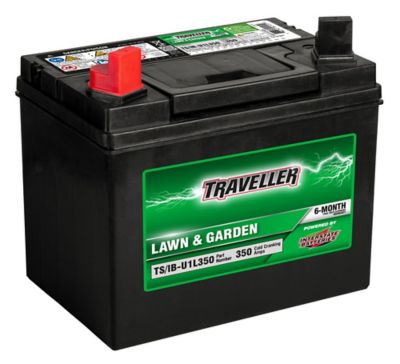
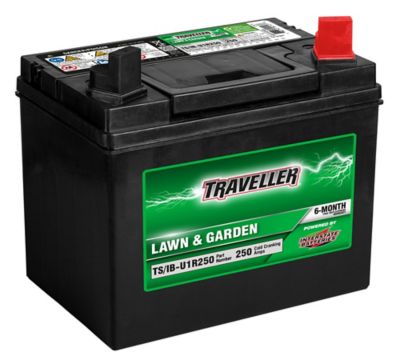
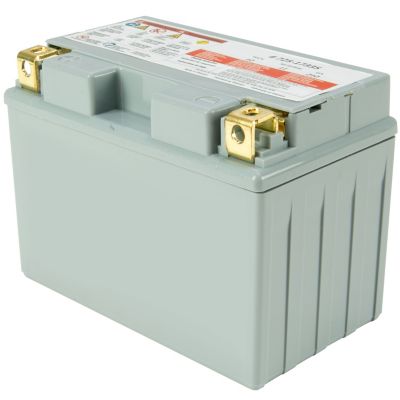
Electric Mower Battery needs to match the approved platform rather than simply look like it will slide into place. On a riding mower, the battery tray, hold-down hardware, and cable reach all affect fit. U1 and U1R designations generally indicate different positive-terminal locations, a small detail that makes a big difference when the cables only reach one way. Compact electric-start batteries may have their own connector and mounting arrangement instead of exposed posts. A correct replacement sits securely without pinching wires, stretching cables, or interfering with a cover. For anyone tending a yard around a house, barn, or outbuildings, getting those details right helps keep a routine mowing job from turning into an afternoon spent sorting out an electrical mismatch. The best fit starts with the machine’s requirements, not with the biggest battery that appears to fit the space. That distinction matters whether the mower handles a small fenced yard or travels between several grassy areas around a property.
Battery ratings tell different stories depending on the mower. For a gas-powered riding mower, cold cranking amps describe starting capability under a standardized test, while the required rating comes from the mower manufacturer. A higher number does not make up for the wrong voltage, case size, terminal layout, or battery type. On a small electric-start walk-behind mower, a compact sealed battery may only serve the starter, so its needs differ from those of a pack that drives the blade and wheels. For cordless mowing, amp-hours describe battery capacity, and watt-hours help compare stored energy, especially when voltage ratings differ. Neither figure promises a fixed mowing time. Thick grass, cutting height, blade condition, self-propelled operation, slopes, and frequent stops can all affect how much work a charge delivers. A broad, open stretch beside a driveway presents a different load than tight turns around fence posts and a patch of heavy growth behind the shed. A larger-capacity pack may support longer operation within a compatible system, but it can also add weight. That trade-off matters when lifting a battery from its compartment or carrying a spare across the yard. Some mowers accept more than one pack, though the manual determines the supported combination and whether all battery positions must be filled. Charger fit deserves the same attention as mower fit: the charger must support the exact battery platform and chemistry. Charging time also varies with pack capacity, charger output, and the battery’s condition when charging begins. For a homeowner managing several separate patches of lawn, the useful comparison is often how a compatible battery and charger fit the whole job, including any planned break between sections. For someone mowing a modest yard close to the house, manageable pack weight and straightforward charging may matter more than chasing the largest capacity. The right balance comes from the property, the mower, and the way the work gets done.
Construction and care matter just as much as the numbers on the label. Lawn mower batteries have housings that protect their internal components, but cracks, loose terminals, damaged contacts, and worn connectors can interfere with operation or create a safety concern. Lead-acid batteries contain lead plates and electrolyte, while lithium-ion packs contain cells and electronic controls inside a fitted enclosure. Those differences affect handling, charging, and end-of-life recycling. A sealed battery is not meant to be opened or topped off, and a lithium-ion pack should remain intact rather than having its housing or wiring altered. Secure mounting helps limit movement and vibration, particularly on a riding mower traveling over uneven ground. Clean connection points help electricity flow as intended, while buildup around a terminal can make a healthy starting battery seem weak. A mower that struggles to crank may also have a cable, starter, or charging-system issue, so replacing the battery does not address every starting problem. For removable packs, a latch that seats fully and contacts free of grass clippings help support proper connection. Charging and storage practices should follow the battery manufacturer’s directions; lead-acid and lithium-ion batteries do not share one universal maintenance routine. A maintainer suitable for one chemistry may be unsuitable for another, and an unapproved charger can damage a pack. A dry storage area away from combustible materials and loose metal objects helps protect batteries between jobs. Swelling, leakage, a cracked case, or unusual heat calls for taking the battery out of service and checking the manufacturer’s handling instructions. Spent batteries belong at an appropriate battery collection or recycling location, not in household trash. For homeowners, caretakers, and family members helping with property upkeep, a well-matched mower battery supports a familiar routine: finish the grass along the fence, circle the trees, and park the mower ready for its next job. Matching the electrical requirements, physical fit, and charging setup keeps the focus on that work rather than on whether the machine will start or finish the cut.