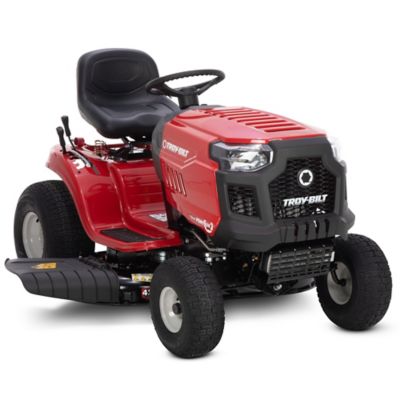
Replacement parts help keep lawn and grounds equipment ready for the work that comes with a well-kept property, from mowing around the house to tending wide stretches beside a fence line. For homeowners, acreage owners, and grounds crews, the right replacement restores a worn component’s function without changing how the machine was designed to operate. These parts range from routine maintenance components to pieces that support cutting, traction, steering, and power transmission. The best match starts with the equipment’s model number, serial number, and the part number listed in its parts diagram or operator’s manual. A machine’s name or cutting width alone may not provide enough detail, since equipment within the same family can have different assemblies across production runs. Identification tags may be on the frame, mower deck, or another location specified in the manual; engines can also carry separate identification numbers that matter when matching engine components. A replacement that looks right in a photo still needs the correct dimensions, mounting points, connections, and operating specifications. Even a small difference in shaft diameter or fastener spacing can make a part unsuitable for a particular machine. Clear compatibility information matters more than a general resemblance to the piece coming off the equipment. Original equipment manufacturer parts follow the manufacturer’s specifications, while aftermarket parts come from other suppliers and need the same careful fit check. Neither a familiar shape nor a broad compatibility claim takes the place of a model-specific listing. For someone maintaining a mower that handles both a small front yard and a larger stretch behind the barn, that attention to fit helps keep routine upkeep from turning into repeated trial and error. Replacement parts belong to the equipment’s full working system, so their value comes from matching the job, the machine, and the surrounding components—not simply from filling an empty mounting point. Keeping the equipment identification and service records together makes future part matching simpler, especially when several machines share space in the shed.
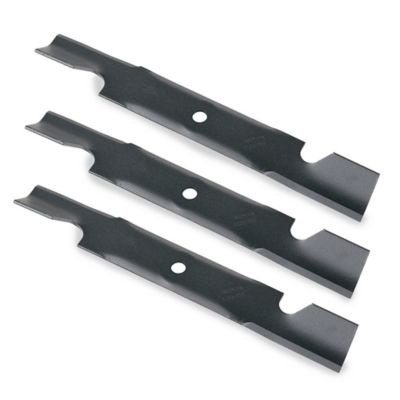
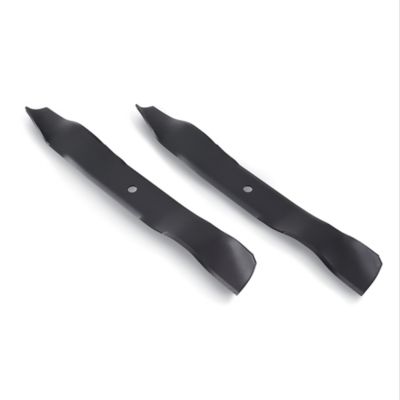
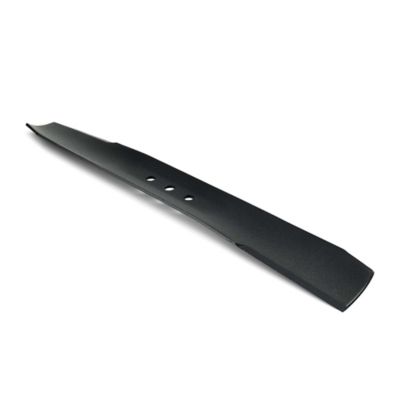
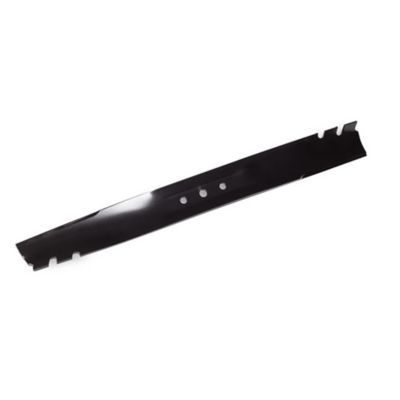
Materials and construction affect how a replacement component handles friction, vibration, impact, and repeated movement. Hardened steel is common in cutting and load-bearing applications, while reinforced rubber compounds support flexible power transmission where the design calls for them. Molded polymers can provide the shape and weight needed for housings, guides, and certain rolling components. No single material is the right choice everywhere: the important consideration is whether its construction suits the component’s intended role and the equipment manufacturer’s specifications. Cutting components, for example, depend on more than overall length. Their center opening, thickness, offset, and shape all contribute to proper mounting and operation beneath the deck. A mismatch can affect clearance, balance, and cutting performance, even when the part appears close in size. For mowing setups designed to recirculate clippings,
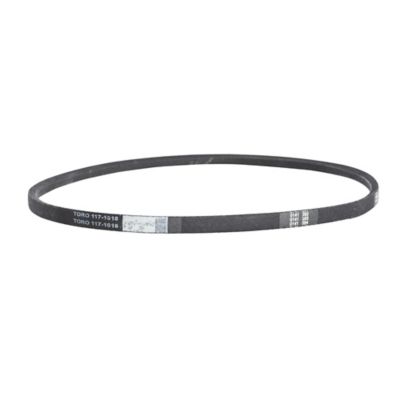
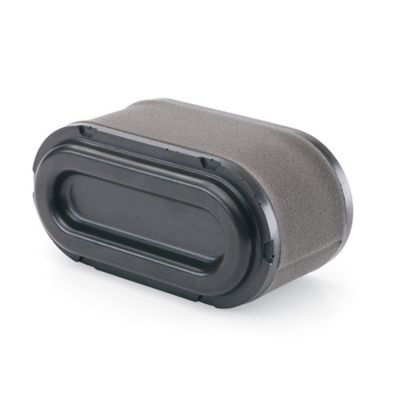
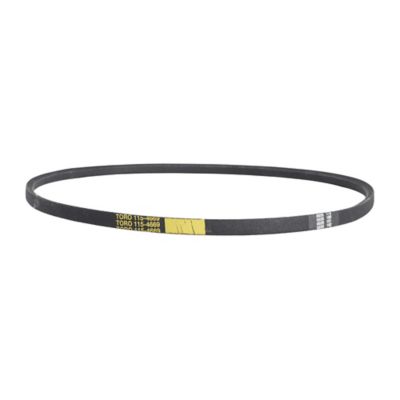
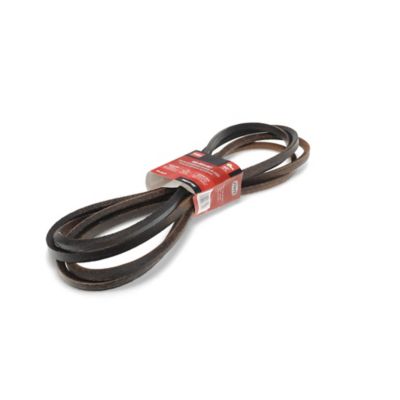
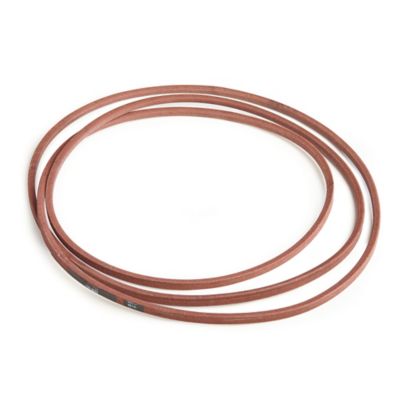
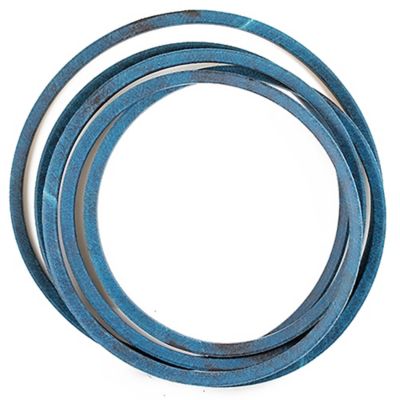
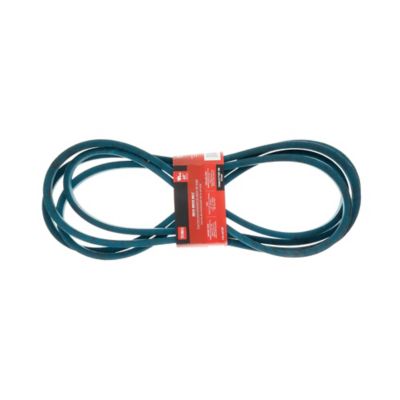
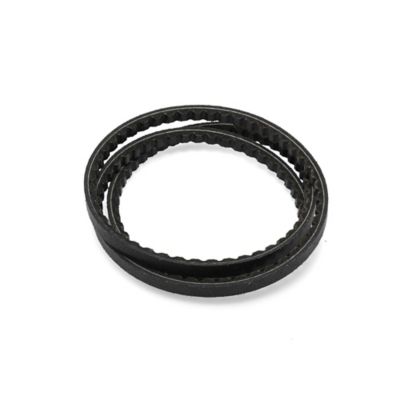
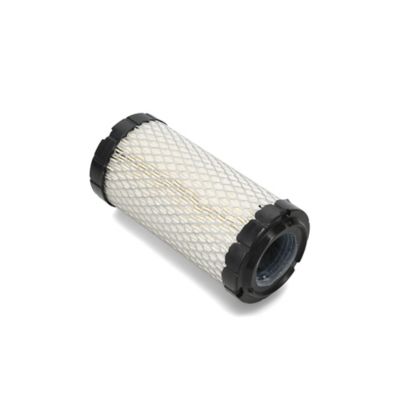
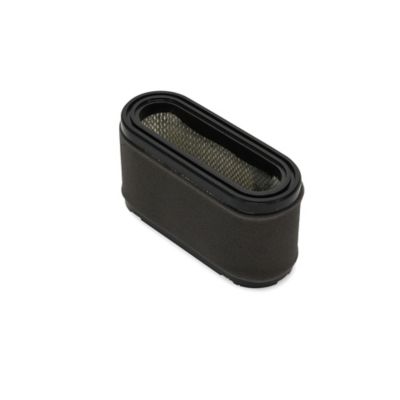
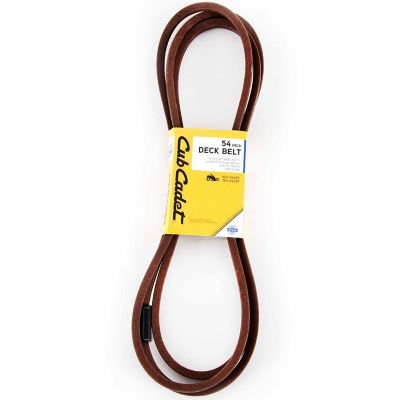
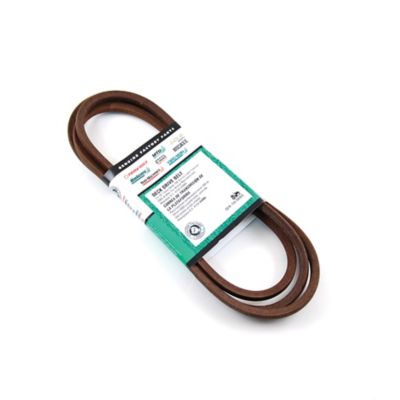
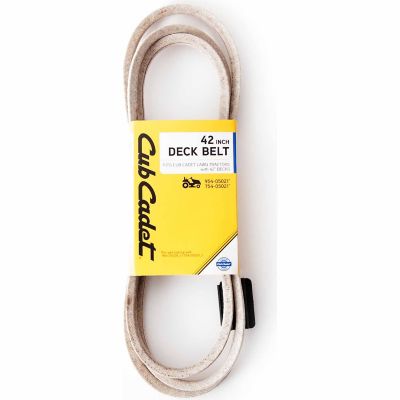
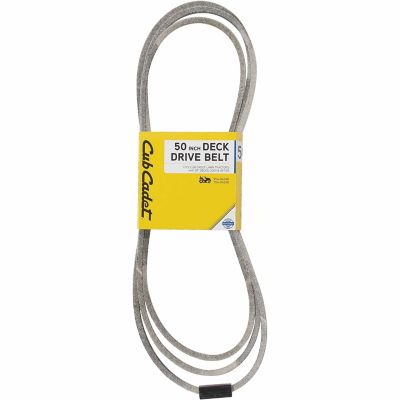
Toro Mulching Blades relate to a specific cutting function: keeping grass moving beneath a compatible deck so it can be cut into smaller pieces before returning to the lawn. That function depends on the complete deck configuration, including any required closure or mulching components, rather than blade shape alone. Power-transmission components have similarly exact requirements. Length, width, profile, and routing affect how they engage pulleys and transfer motion, and a near match can lead to slipping or interference. Filtration components also need the correct dimensions and sealing surfaces to keep unwanted debris from bypassing the filter. Around a property with fence corners, tree roots, and narrow passages between outbuildings, equipment encounters a mix of maneuvering, vibration, and changing loads. Parts selected for the machine’s intended operation help its systems work together through those demands. Service life also depends on the condition of nearby pieces: a fresh component cannot correct a bent mounting surface, a rough bearing, or an assembly that is out of alignment. Looking at the whole connection helps explain why fit, material, and installation requirements carry equal weight when comparing replacement parts.
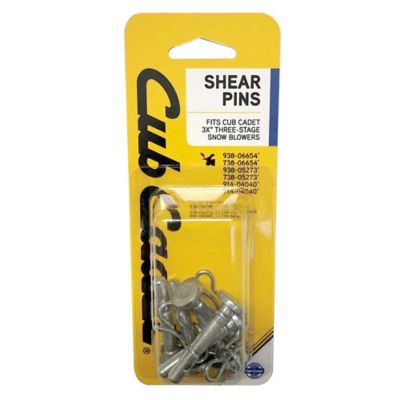
Care and maintenance play a big part in how long replacement parts stay in service. Grass buildup, grit, and loose hardware can add strain to assemblies that otherwise fit correctly, while neglected lubrication points can let friction take its toll. The operator’s manual remains the reference for cleaning methods, inspection intervals, approved lubricants, and tightening specifications, because those details vary across equipment designs. Some parts need regular attention; others are sealed or intended for replacement rather than adjustment. More grease or tighter hardware is not automatically better, and a component’s appearance does not always reveal the condition of its working surfaces. A mower that leaves uneven strips, develops a new vibration, or loses drive may have several possible causes, so a symptom alone does not identify the part that needs replacing. That distinction matters when a machine has a long service history or several components showing wear at once. A replacement can address damage or wear at one point, but it is not a substitute for checking the associated assembly. Before any hands-on inspection or service, the machine should be shut down and secured against unintended starting according to its manual, with moving parts stopped and stored energy addressed as directed. Cutting assemblies, tensioned components, and electrical systems can warrant professional service when the work goes beyond routine maintenance. For property owners who handle their own basic upkeep, useful product details include matching part numbers, dimensions, application notes, and whether mounting hardware is included or called for separately. For a grounds crew, those same details help keep records straight across multiple machines. A clean, dry storage spot and clearly labeled packaging also help protect spare parts and prevent mix-ups on the workbench. Whether the equipment covers a tidy patch around the porch or a broad lawn beyond the driveway, well-matched replacement parts support its intended operation and make ongoing maintenance more straightforward. The goal is practical: equipment that cuts, moves, and handles as its manufacturer intended, with each component suited to the work ahead.