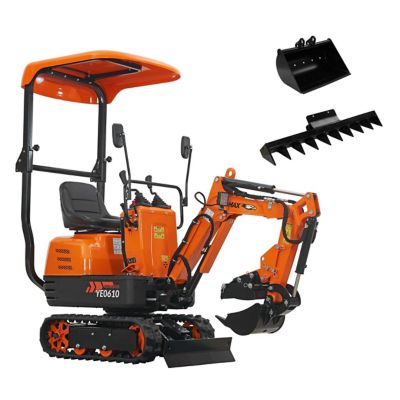
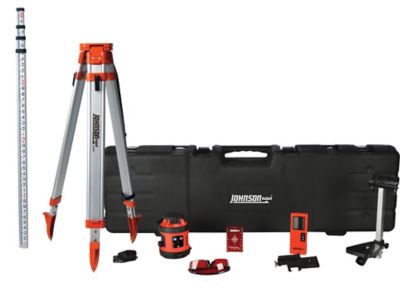
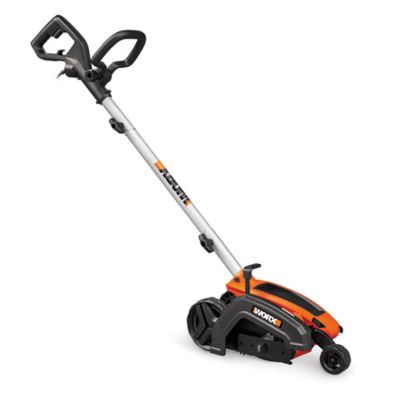
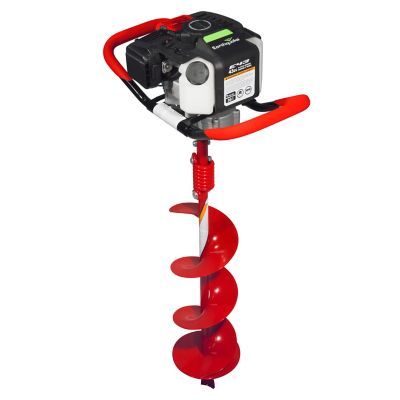
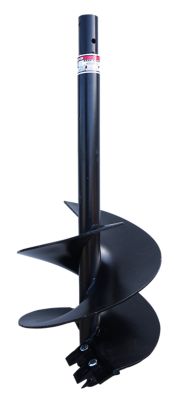
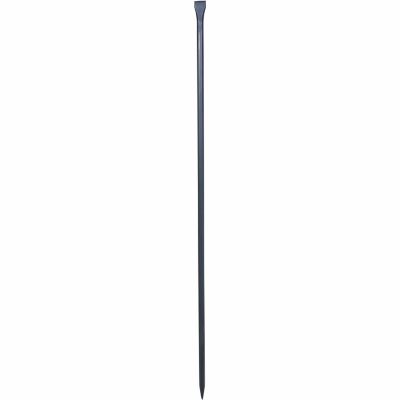
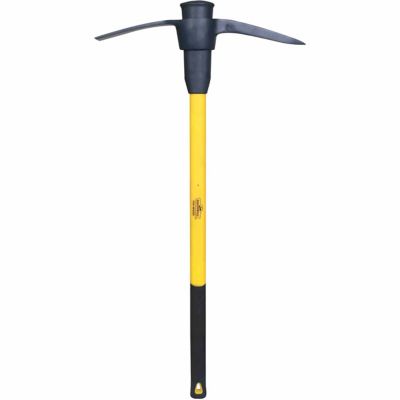
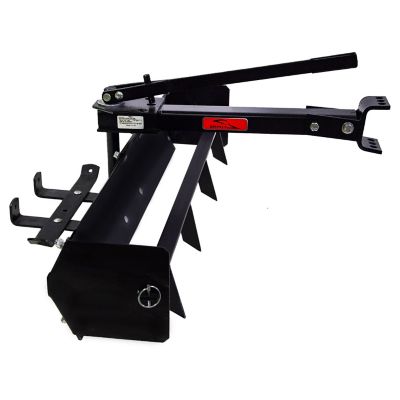
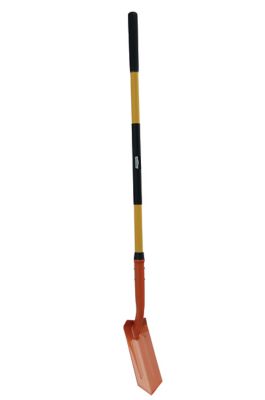
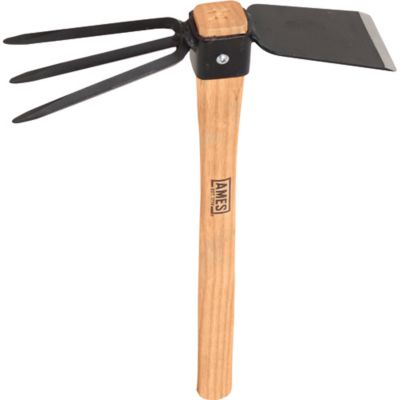
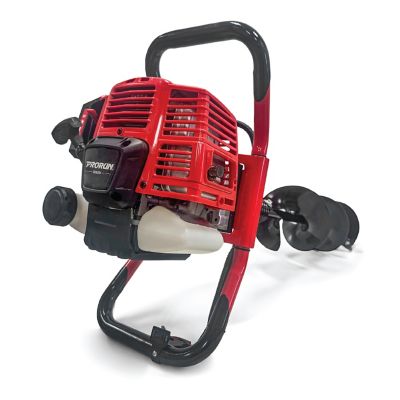
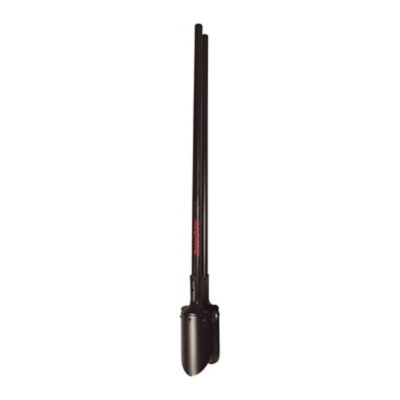
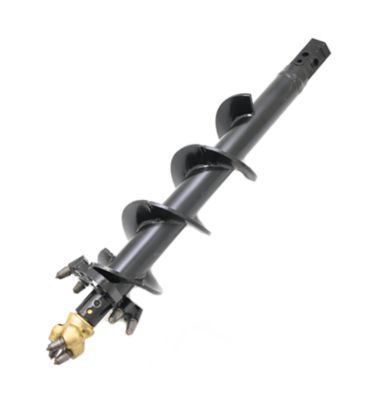
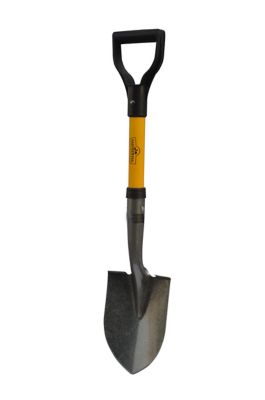
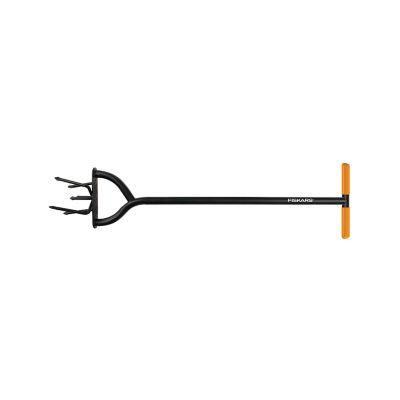
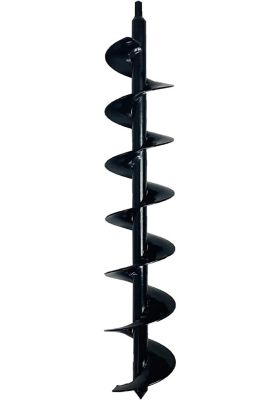
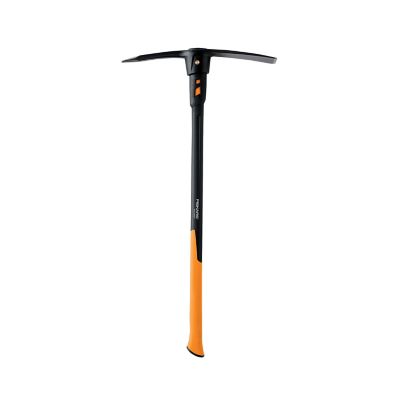
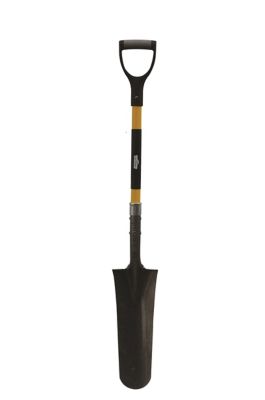
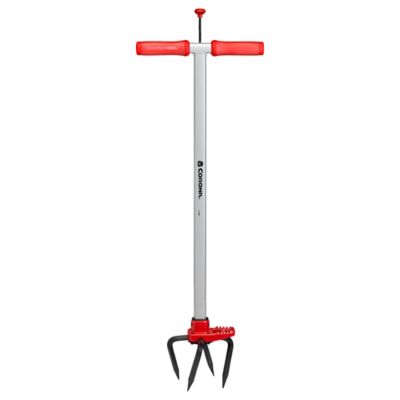
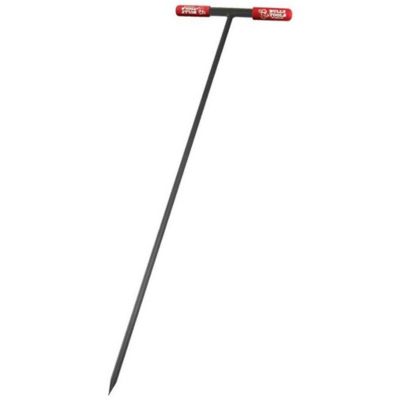
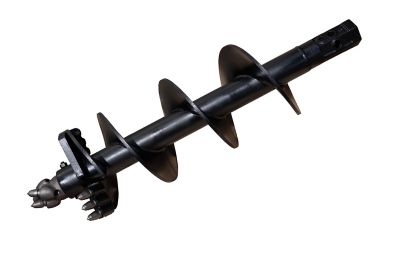
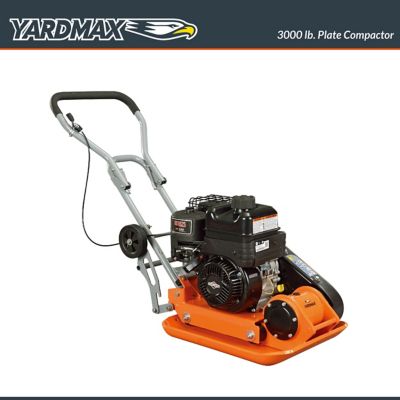
Tools for excavation help turn a rough patch of ground into a prepared work area, whether you are setting fence posts, clearing a planting bed, repairing a drainage path, digging around a barn, or tackling a larger construction job. The right tool depends on the ground beneath your boots and the kind of cut you need to make. A round-point shovel is suited to lifting loose, damp, or mixed soil, while a flat-edged spade can slice through sod and help form a straighter trench. For narrow, deep holes, post hole diggers let you remove soil in controlled bites, making them useful for fence work, mailbox posts, sign posts, and small structural projects. A digging bar can help loosen packed clay, gravel, stone, or ground that has stiffened during colder weather. Pickaxes and mattocks bring more force to stubborn soil, with pointed ends for breaking compacted ground and broad blades for cutting through roots or chopping into hard-packed earth. When a project covers more ground or meets especially firm material, powered breakers and pneumatic digging tools can reduce the hand labor involved, but they call for steady footing, hearing protection, eye protection, and careful attention to the tool’s operating instructions. Air excavation has a more specialized role, using a focused stream of air to remove soil around delicate tree roots, buried utility lines, or other areas where a metal blade could cause harm. Smaller hand trowels, brushes, and wooden tools are better suited to careful work around fragile objects, shallow roots, drainage components, or old stonework. Think about the soil you usually see on your property: sandy ground gives way differently than wet clay, rocky fill, hardpan, or frozen earth. A shovel that glides through garden soil may feel slow in packed gravel, while a digging bar that handles a rocky fence line may be more tool than needed for a simple planting job. Looking over
Construction Worker Tools can also help when an excavation project overlaps with framing, site preparation, repair work, or other jobs around a farm, acreage, or building site.
Before choosing excavation tools, consider the size of the job, how deep you need to dig, how often the tool will see action, and how much room you have to work. A compact hand tool may be the better pick beside a shed, along a garden edge, or in a narrow trench where a larger tool cannot swing freely. Longer handles can provide leverage in firm soil, while shorter handles offer more control in tight spaces. Look for a grip that feels secure with gloved hands, a shaft that sits comfortably at your working height, and a head shape that matches the material you need to move. For post holes, measure the post and plan the hole around its size, depth, and the type of soil holding it in place. For trenching, mark the path first and keep removed soil far enough from the edge that it does not slide back into the cut. Always contact the appropriate utility-locating service before breaking ground, even for a small project near a house, outbuilding, driveway, or fence line. Underground electric, gas, water, communications, and irrigation lines may not follow the route you expect. On a family property, a few minutes spent checking the work area can prevent a costly interruption and a dangerous surprise. Wear gloves that allow a firm grip, sturdy boots with good traction, eye protection when breaking rock or operating powered equipment, and hearing protection around air-powered or mechanical tools. Keep bystanders, children, and animals clear of the digging area, and stop when rain turns the ground slick or a trench begins to soften at the sides. During the cooler months, frost can make the top layer feel solid while lower soil remains wet, so work in manageable sections and watch for shifting ground. As the weather changes, clean soil from tool heads, dry metal surfaces, and store equipment where moisture will not sit against them. Excavation tools can make practical gifts for a new landowner, a homeowner preparing a fence project, a gardener expanding a bed, or a family member who enjoys taking on repair work around the place. They are especially useful when chosen for a real task, such as setting posts, opening a drainage channel, clearing roots, or preparing a small building site. With the right match between tool, soil, and job, digging becomes more controlled, less tiring, and easier to manage from the first cut to the final scoop.