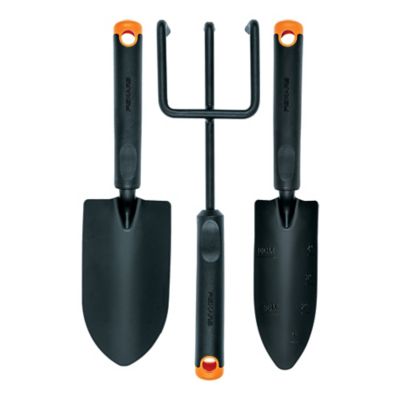
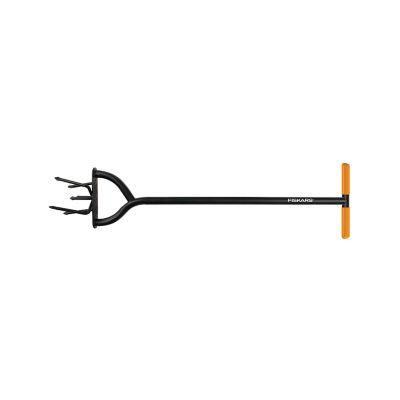
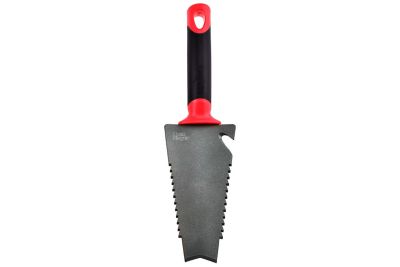
Soil tools help turn a patch of hard ground, a raised bed, or a row of containers into workable growing space. The right tool depends on the soil under your boots and the job at hand. A garden trowel is a handy starting point for planting bulbs, setting seedlings, digging small holes, and scooping potting mix into containers. Its narrow blade fits between plants and makes it easier to work around roots without disturbing the rest of the bed. A hand cultivator, with several sturdy tines, can loosen the surface after rain or break apart crusted soil before planting. It also helps blend compost or other soil amendments into the top layer where plant roots can reach them. For narrow trenches, stubborn weeds, and roots that have worked their way across a bed, a digging knife can give you more reach and cutting power than a small trowel. Look for a comfortable grip, a blade or head suited to the soil you work most often, and a size that feels balanced in your hand. Gardeners with containers and smaller beds may prefer compact hand tools, while people caring for larger plots often reach for long-handled tools that let them work while standing. A tool set can make a thoughtful gift for a new gardener, a neighbor tending a backyard plot, or anyone who enjoys spending time outside with their hands in the soil.
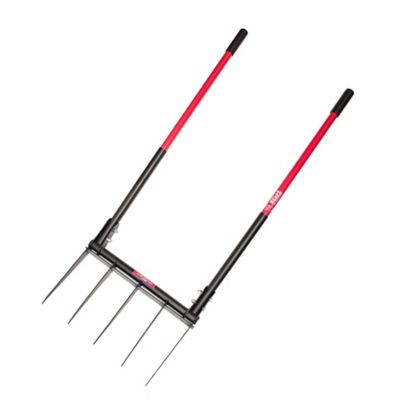
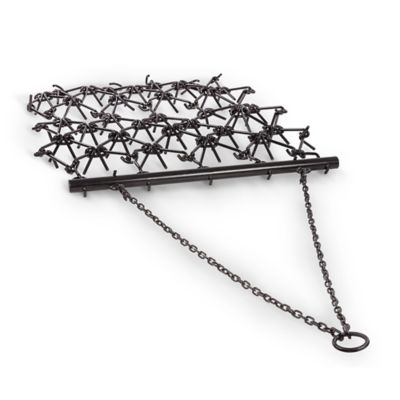
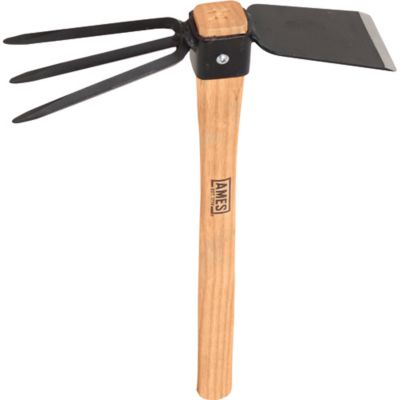
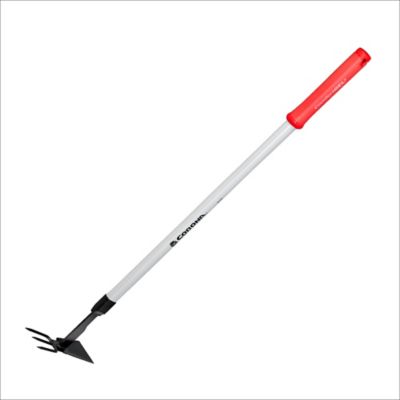
For heavier ground, long-handled soil tools can make preparation less tiring and help you get more done across a larger area. A garden fork is useful for loosening packed soil, lifting root-filled ground, turning material in a compost area, and working through beds where a flat spade may meet too much resistance. In clay soil, a fork can open the ground without slicing through every layer, while in lighter soil it can help lift and separate clumps. A broadfork offers a wider working span for loosening planting areas and improving airflow through the soil with less need to completely turn it over. A garden hoe is suited to shallow trenching, shaping rows, pulling soil around plants, and cutting young weeds at the surface. Different hoe shapes serve different tasks, so consider whether you need a narrow blade for rows and tight spaces or a wider head for clearing open areas. A rake helps spread topsoil, level compost, smooth a freshly prepared bed, and gather loose roots or plant matter. For beds that have settled after rain or for ground that has become firm during the cooler months, a few passes with the right rake or cultivator can make planting and cleanup easier. Handle length matters, too: a longer handle can reduce bending, while a shorter handle offers better control in containers, window boxes, and crowded beds. Check the head material, connection points, grip shape, and overall weight so the tool matches your strength and the scale of the work.
Before choosing soil tools, take a close look at your growing area. Heavy clay may call for a strong fork, hoe, or broadfork that can open compacted ground. Sandy soil usually moves easily but may need careful shaping and leveling, while potting mix calls for lighter tools that will not crush delicate roots or scatter material outside a container. Raised beds often benefit from a mix of hand tools and medium-length handles, and in-ground rows may be easier to manage with full-size tools. If water tends to collect after rain, soil work may go hand in hand with drainage work; explore
Drainage Tools for equipment that can help move excess water away from planting areas. Avoid working very wet soil when it clings to boots and tool heads, since pressing into saturated ground can leave hard clods behind. During early fall and the cooler months, soil tools can help clear spent plants, loosen areas for bulbs, spread compost, and prepare beds for a period of rest. When the weather warms again, the same tools are ready for opening rows, planting, weeding, and refreshing the top layer. Rinse off soil after use, let tools dry before storing them, and keep blades or tines free of built-up residue. A small set of well-chosen tools can serve a backyard gardener, homesteader, greenhouse grower, or farmhand through many seasons, making everyday soil work more comfortable from the first planting hole to the final bed cleanup.