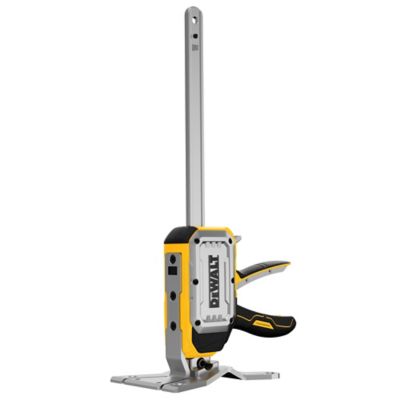
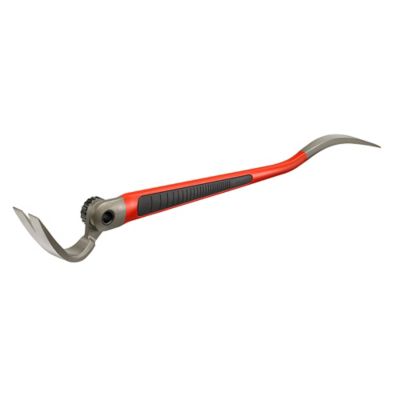
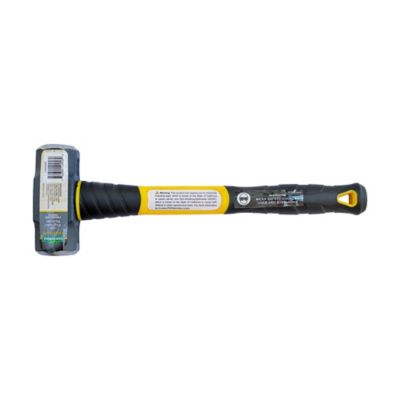
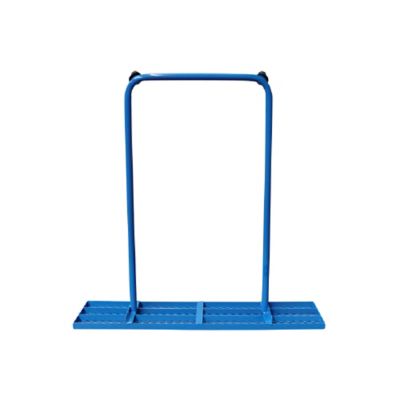
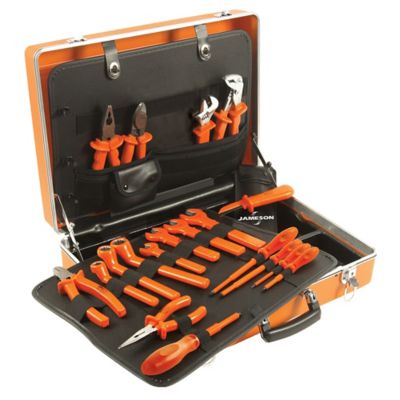
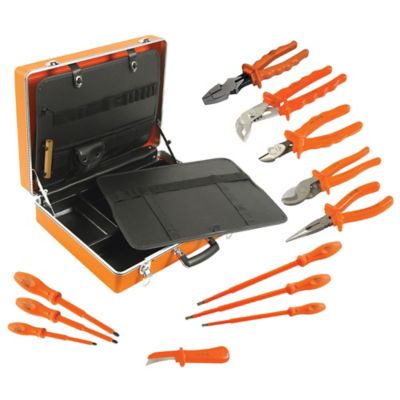
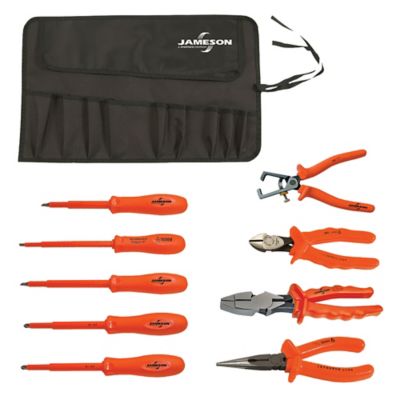
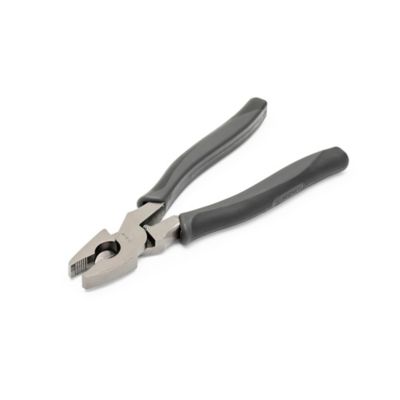
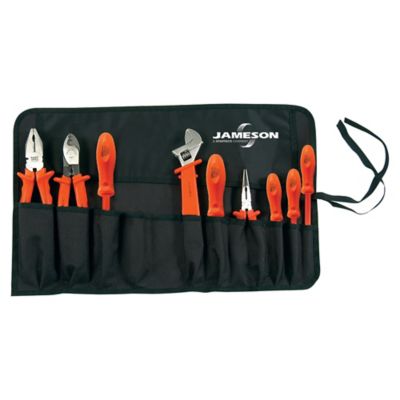
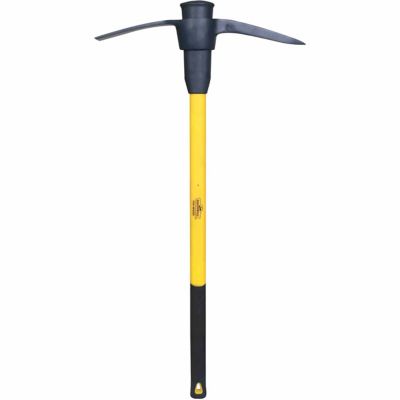
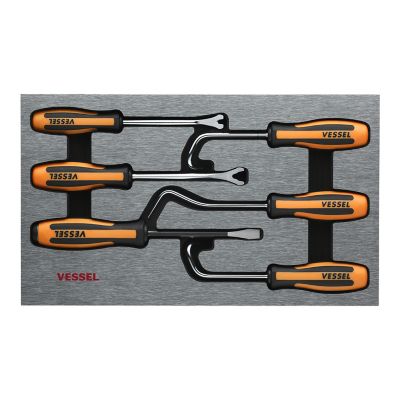
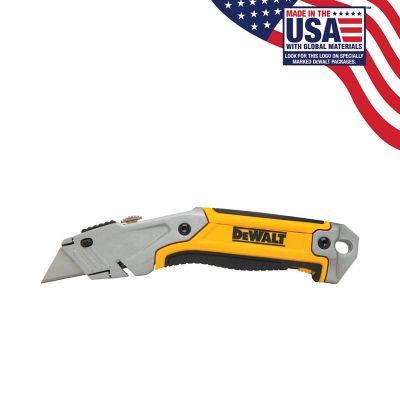
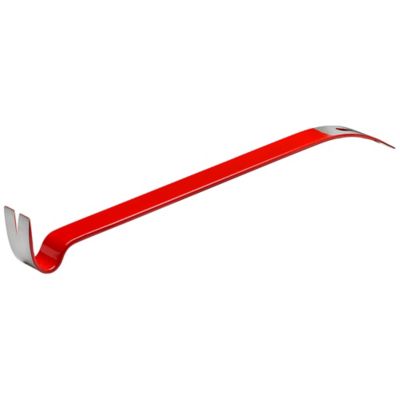
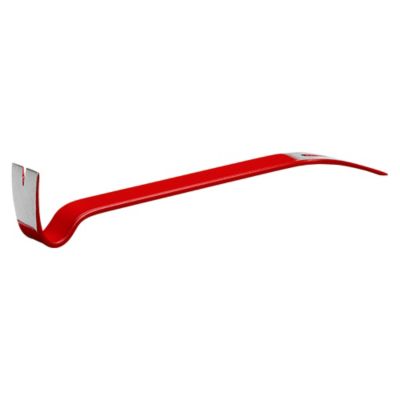
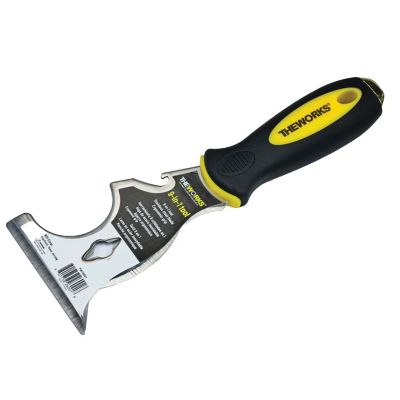
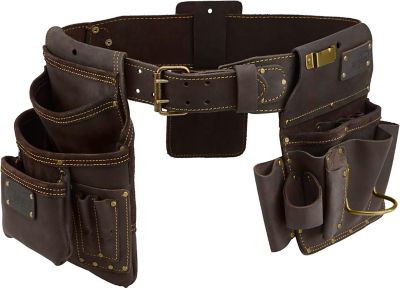
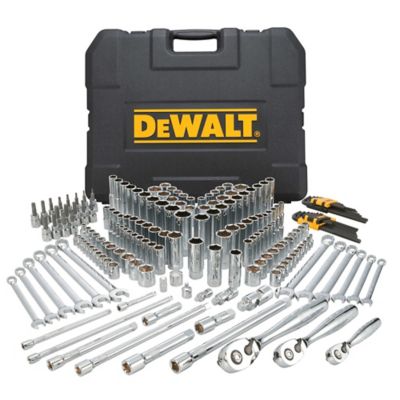
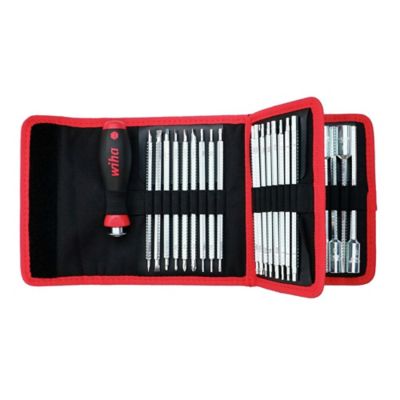
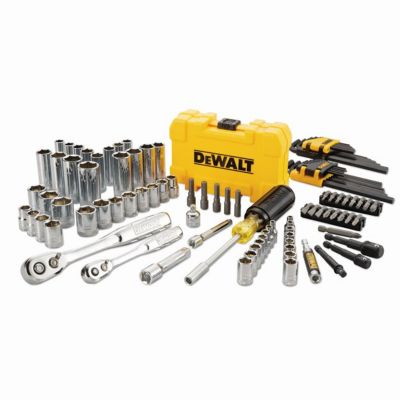
Construction worker tools help turn a rough plan into a finished job, whether the work is happening on a new home, a farm shop, a road crew, or a weekend repair project. A dependable tool kit usually starts with everyday hand tools that are easy to carry and ready for all kinds of tasks. A tape measure helps with everything from laying out wall framing to checking the fit of a replacement board, while a level helps keep shelves, posts, trim, and other surfaces straight. A claw hammer is useful for driving and pulling nails, setting fasteners, and handling light tear-out work. Utility knives make quick work of cutting wrap, tape, rope, insulation, drywall, and other job-site materials, and a pair of pliers can grip, twist, bend, or pull small parts when fingers simply will not do. Screwdrivers, adjustable wrenches, and socket tools round out the basics for fastening and repair. For longer layout lines, a chalk line can mark a clean path across lumber, concrete, or wall surfaces, helping a crew work accurately without stopping to measure every few inches. When choosing hand tools, pay attention to comfortable grips, easy-to-read markings, sturdy construction, and sizes that match the work at hand. A tool that feels balanced in the palm can make a long day easier, especially when it is used repeatedly while standing, kneeling, or reaching. Workers who move from one job to another may also appreciate a tool bag or organizer with separate pockets, since keeping measuring tools, fasteners, and small hand tools in their place saves time and prevents a frantic search at the bottom of a bucket. For more help sorting through common job-site essentials, visit
Best Tools for Contractors.
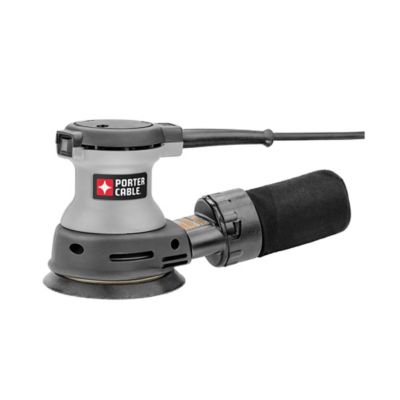
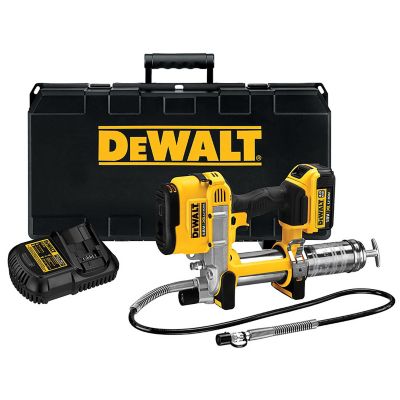
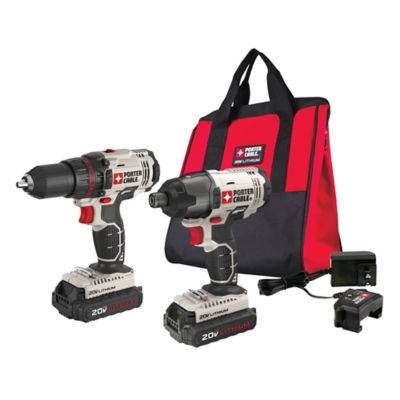
Power equipment adds speed and muscle when a project involves heavy fastening, repeated cuts, or tougher materials. A power drill can make holes and drive screws much faster than a hand tool, making it useful for framing, installing hardware, assembling forms, and completing general maintenance. An impact driver is designed for driving larger fasteners with strong turning force, which can be helpful when working with long screws, structural hardware, or dense lumber. Saws suited to construction work can handle jobs such as cutting boards, sheet goods, pipe, and other building materials, while a grinder may be used to smooth rough edges or work with metal when the proper wheel and setup are selected. Demolition and remodeling tasks often call for a reciprocating saw because its back-and-forth blade action can cut through old lumber, nails, drywall, or pipe in tight spaces. The right choice depends on the material, the number of cuts, the available power source, and how much control the job requires. Cordless tools are handy for moving around a property or working where outlets are scarce, while corded equipment may suit a stationary workspace with steady access to electricity. Batteries, chargers, blades, bits, and compatible accessories deserve attention before purchase; a tool is only as useful as the parts that keep it working. It is also smart to match the tool to the material rather than forcing one tool through every job. Use the correct blade, bit, or wheel, keep cutting edges in good shape, and follow the manufacturer’s directions for operation and maintenance. Before using any powered equipment, clear the work area, secure the material, inspect cords or batteries, and keep bystanders at a safe distance. During the warmer part of the year, outdoor crews may use these tools on fencing, decks, outbuildings, and landscaping structures, while cooler weather often shifts more work indoors to repairs, remodeling, and shop projects.
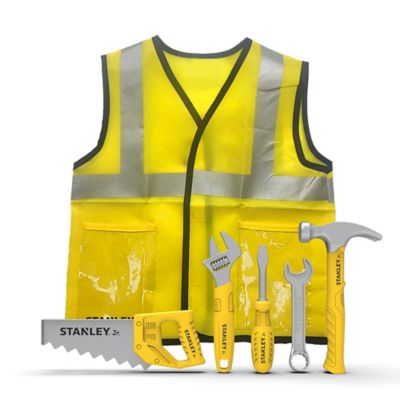
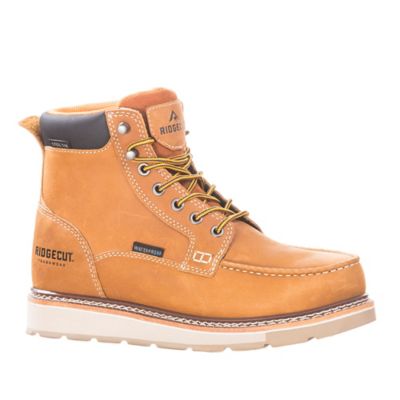
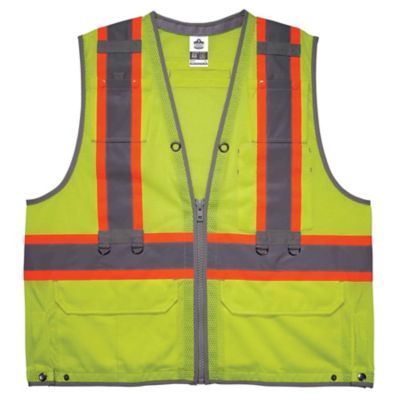
Safety gear belongs alongside every construction worker tool kit, not as an afterthought. A hard hat helps protect against falling or shifting objects, overhead bumps, and other common job-site hazards. Safety glasses keep dust, wood chips, metal fragments, and bits of broken material away from the eyes, while hearing protection helps reduce the strain caused by saws, grinders, compressors, and other loud equipment. Work gloves can improve grip and help shield hands from rough lumber, sharp edges, dirt, and minor scrapes, but the glove should fit the task and still allow good control. Durable work boots with slip-resistant soles provide support on uneven ground, and protective toe construction may be a wise choice where heavy materials or equipment are being handled. A high-visibility vest or shirt makes a worker easier to see around vehicles, machinery, driveways, and active work zones, especially in low light or dusty conditions. Clothing should allow room to move without loose sleeves, drawstrings, or other parts that can catch on tools and equipment. Workers may also want knee protection, dust masks or respirators suited to the material, and weather-ready layers for changing conditions from warm afternoons to cooler mornings. Always check that safety gear fits properly, is rated for the work, and is replaced when it is cracked, badly worn, or no longer provides a secure fit. Construction worker tools can make a thoughtful gift for a new apprentice, a dependable neighbor who tackles every repair, a contractor setting up a work truck, or a family member building up a home workshop. A basic measuring and fastening set is practical for someone learning the trade, while organizers, replacement accessories, and protective gear can be useful gifts for an experienced worker who already knows what belongs in the toolbox. Whether the job is a small fix near the barn or a full day on an active construction site, reliable tools and sensible safety equipment help workers stay prepared, work more comfortably, and take pride in a job built to last.