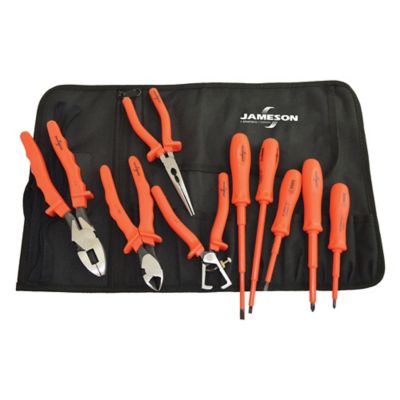
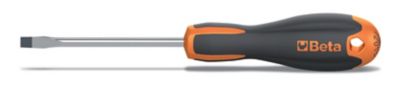
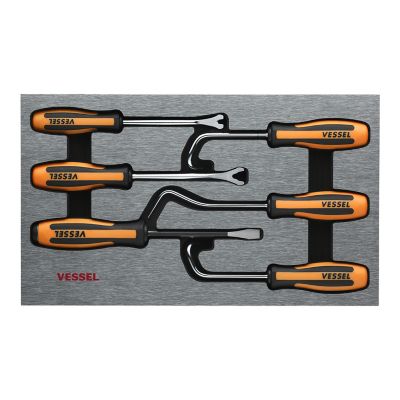
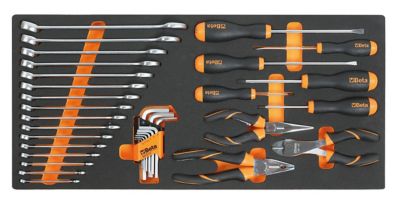
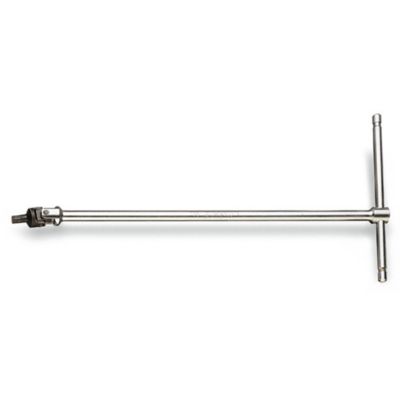
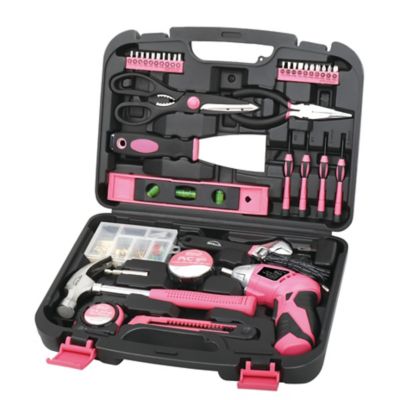
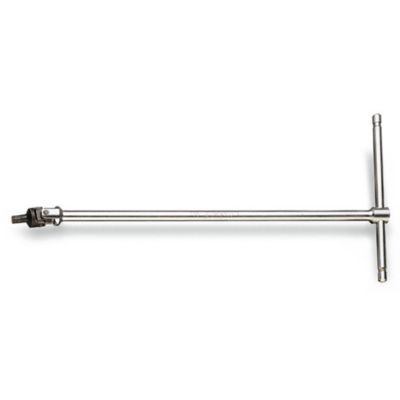
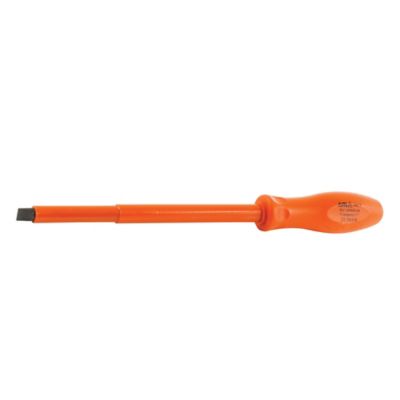
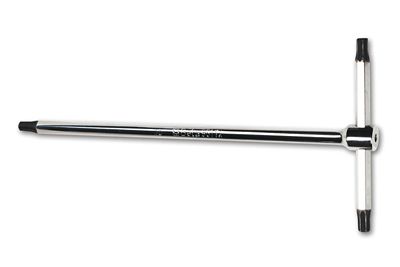
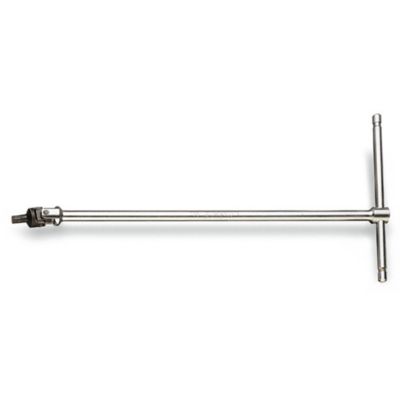
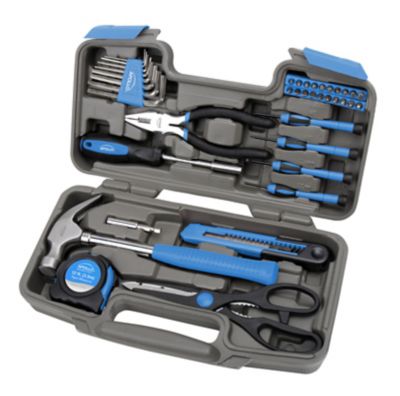
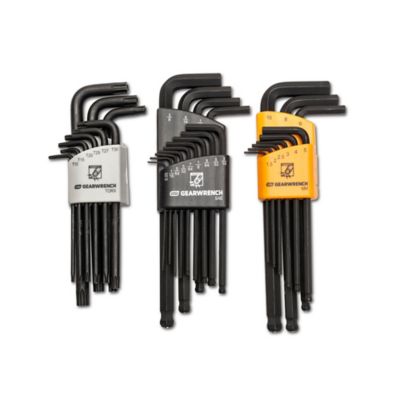
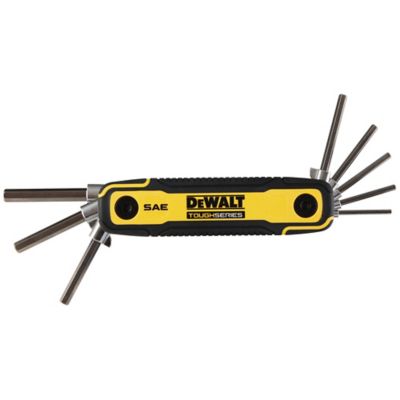
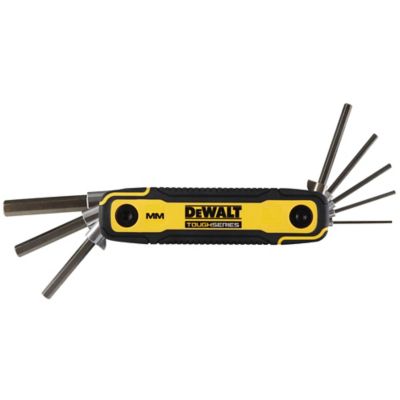
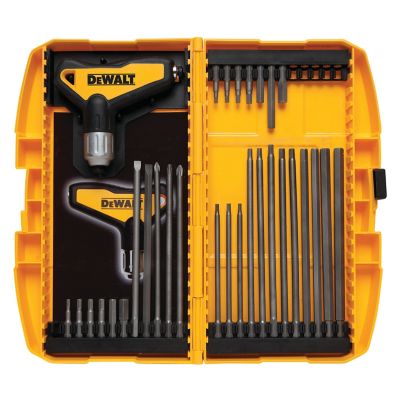
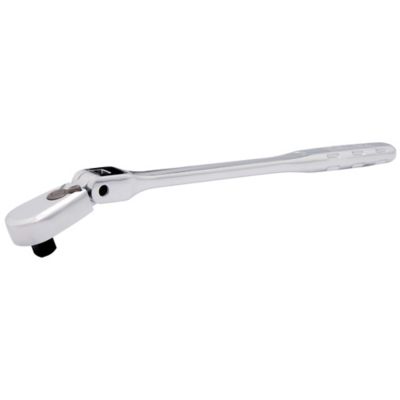
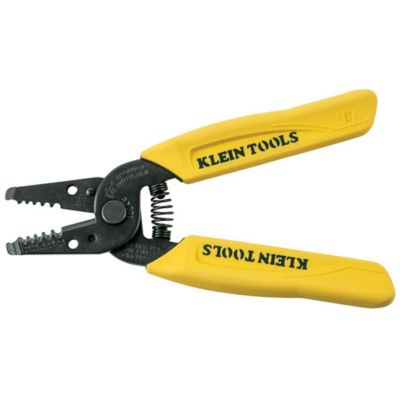
Work tools include hand tools, power tools, measuring tools and storage equipment that support repairs, building projects and everyday upkeep. They help turn a loose gate hinge, a worn mower part or a stack of lumber into a manageable job, whether the work happens at a bench, in a barn or across a jobsite. The right mix depends on the materials involved, the fasteners on the equipment and how often the work comes around. Hand tools offer direct control for tightening hardware, gripping parts, driving fasteners and making adjustments where a powered tool may be unnecessary or hard to fit. Wrenches and sockets need to match both the fastener size and its measurement system; metric and SAE sizes are not interchangeable just because two sizes look close. A snug fit helps limit slipping and damage to bolt heads. Pliers vary in jaw shape and reach, while screwdrivers depend on the correct tip style and size to seat properly in a screw. Hammers differ in head weight, striking surface and handle design, with those differences affecting control and the kind of work they suit. Measuring and layout tools belong in the same conversation, since square corners, consistent spacing and clear cut marks matter before the first fastener goes in. Materials also deserve a look. Heat-treated steel working parts can help resist wear, while protective finishes help guard against corrosion when care and storage are appropriate. Wood, fiberglass and cushioned handles each have a different feel in the hand. Handle length, grip shape and overall weight affect comfort, especially when the same motion repeats through a long repair. For tight spaces around equipment or behind a workbench, clearance can matter as much as strength. A longer handle may offer more leverage, but it also needs room to move and must suit the tool’s intended purpose. A well-matched selection balances reach, control and working strength rather than simply favoring the biggest tool in the box.
For repeated drilling, fastening, cutting and grinding,
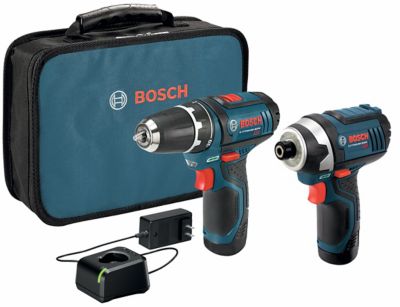
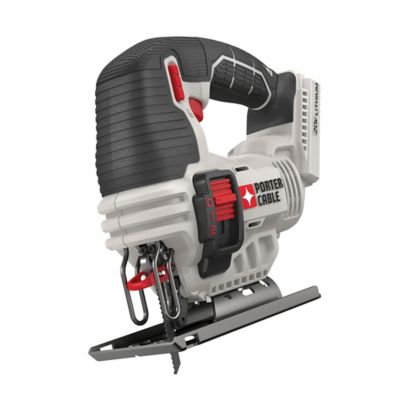
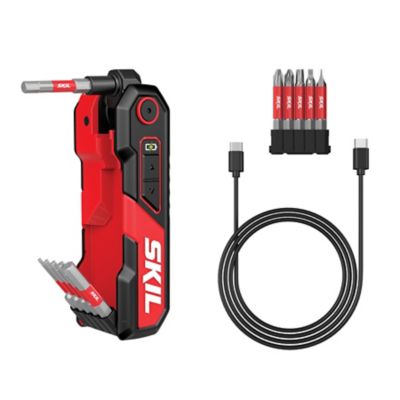
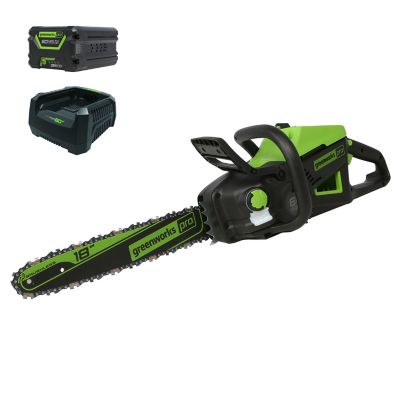
Power Tools bring motor-driven performance to jobs that would take more effort by hand. Their value comes from matching the tool’s action to the task, not just comparing power ratings. Drilling holes in wood, driving long fasteners and cutting metal call for different capabilities, accessories and operating controls. A drill’s adjustable clutch can help manage fastening force, while variable-speed controls allow a more measured start. Impact drivers deliver rotational impacts for fastening work, but they are not a substitute for every drilling or tightening task. Saws vary by cut style, cutting capacity and the materials their blades are meant to handle. Blade and bit compatibility matters just as much as the tool itself, including size, mounting style, material rating and permitted operating speed. Corded tools draw power from an electrical outlet and can suit longer stretches of work where an appropriate power connection is within reach. Cordless tools offer freedom to move between a shop, equipment shed and fence line without bringing a cord along. Battery capacity, tool demand and workload all affect runtime, so voltage alone does not tell the whole story. Battery and charger compatibility should follow the manufacturer’s requirements rather than appearance or a similar-looking connection. For either power source, weight and balance deserve attention. A compact tool can be easier to position inside a cabinet or between framing members, while a larger tool may provide the capacity needed for heavier work. Grip size, trigger placement and accessory changes also affect everyday handling. Combo kits can make sense when their included tool types match the work ahead, while a single-purpose addition may better fill a gap in an established setup. Dust collection connections, guards and other task-specific features are worth considering alongside performance. Safe operation still depends on the right protective gear, a supported workpiece and following the tool and accessory instructions; extra power does not replace a sound setup.
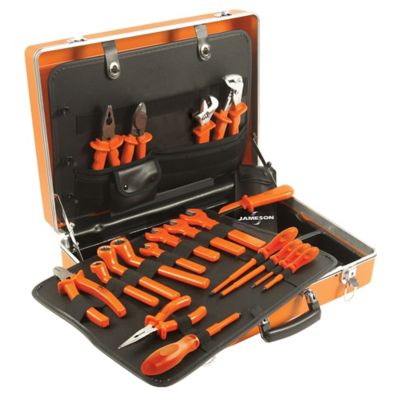
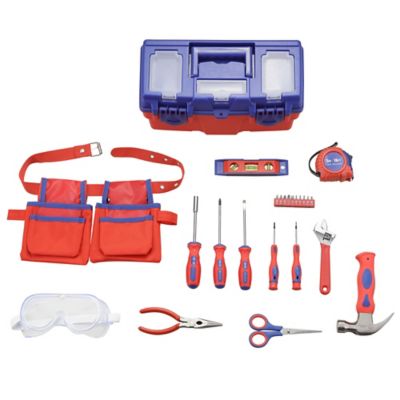
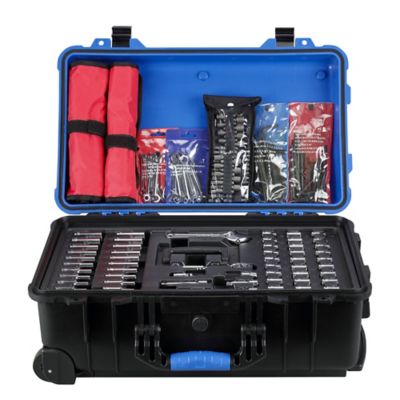
A practical work-tool collection also needs a place to land between jobs. Toolboxes, cabinets, bags and organizers serve different routines, from keeping a permanent shop bench in order to carrying a smaller repair kit out to equipment. Storage choices come down to carrying weight, compartment layout, latch operation and how easily the contents can be reached without unloading everything. Steel housings can suit stationary shop storage, while molded cases and fabric bags offer other balances of weight, structure and portability. Small-part compartments help separate fasteners and accessories, and fitted spaces make missing pieces easier to notice before leaving the work area. Keeping cutting edges covered and loose blades separated from other tools helps protect both the edges and the hands reaching into the box. Care matters just as much after the job. Clean working surfaces, clear ventilation openings and storage away from moisture help tools stay ready for the next repair. Lubrication, sharpening and replacement intervals vary by tool, so the manufacturer’s care directions are the right reference. Cracked handles, damaged cords, loose heads and worn gripping surfaces deserve attention before another task begins. Replacement parts and accessories also need the correct fit and operating ratings; a part that attaches is not necessarily a suitable match. For farmers, mechanics, tradespeople and homeowners, the most useful setup reflects actual work rather than a high piece count. Someone maintaining equipment may place more value on fastener coverage and access, while someone building shelving may focus on measuring, layout, drilling and cutting. For a gift, a tool type that fills a known need, or storage that fits an existing collection, can be more practical than a large assortment with little connection to the recipient’s projects. From quick fixes at the house to steady work around the property, thoughtful choices keep the focus where it belongs: having the right capability close at hand, with tools that fit the job and the person doing it.