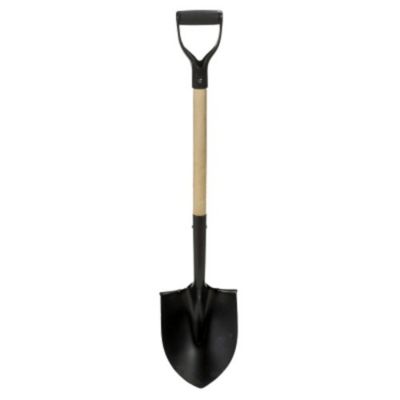
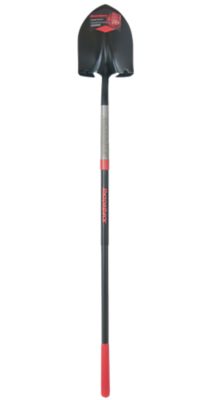
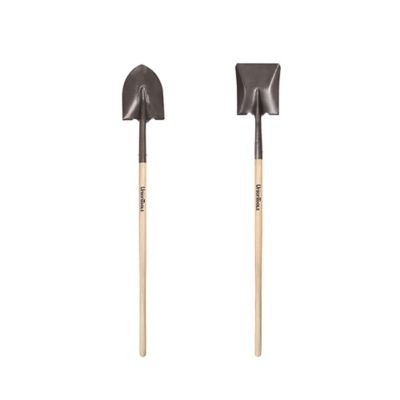
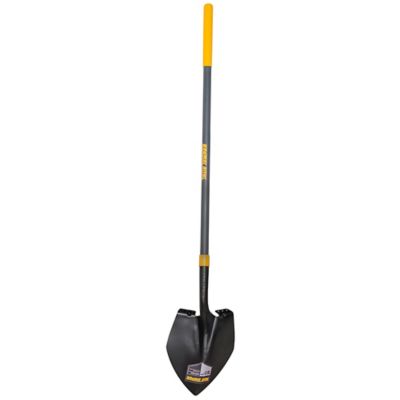
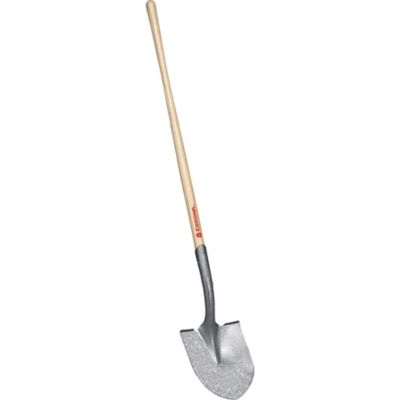
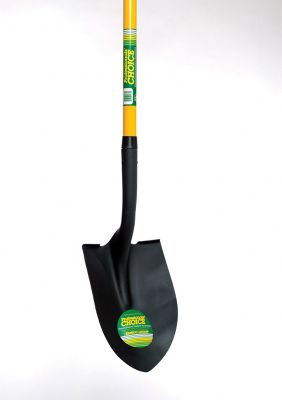
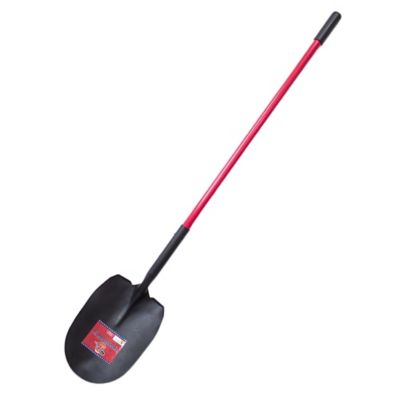
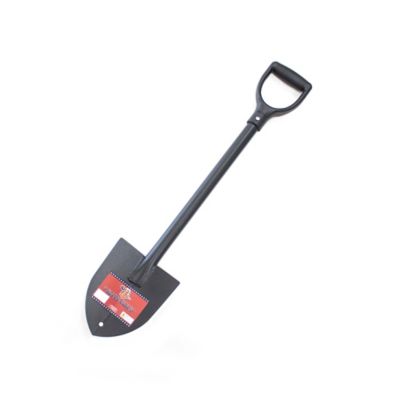
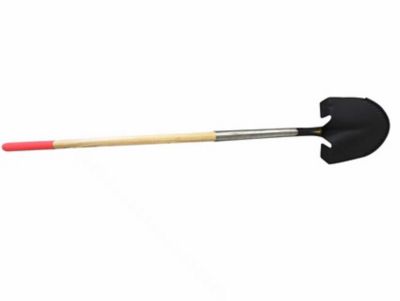
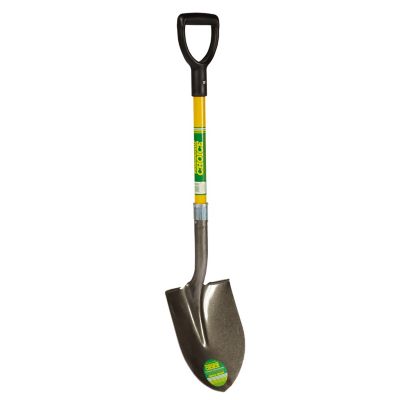
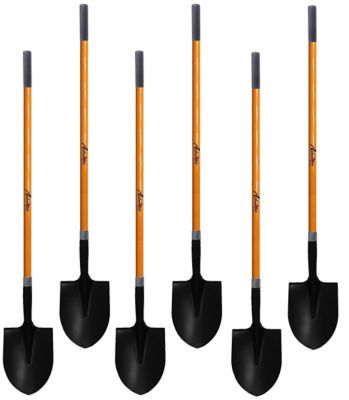
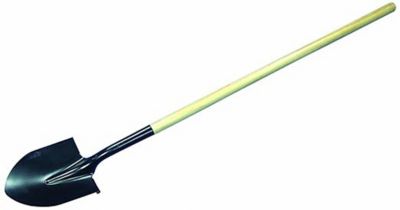
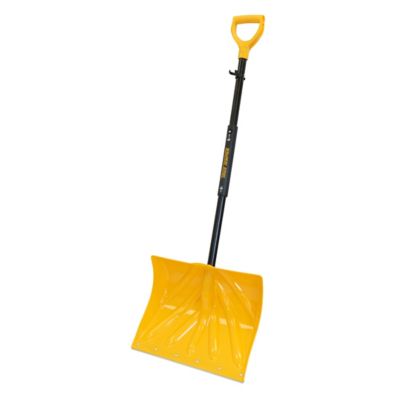
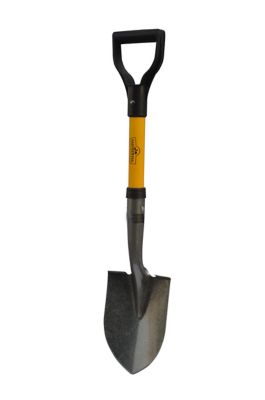
Construction shovels are built for the hard, dirty jobs that call for more than a light garden tool. On a worksite, farm, homestead, or big outdoor project, a dependable shovel may be used to break through compacted soil, move gravel, spread sand, clear a trench, mix or transfer materials, and clean up around a job after the heavy equipment has moved on. These tools are made to handle dense, abrasive material and repeated use, with sturdy steel blades, reinforced connections, and handles designed to stand up to pressure. A round point shovel is a practical choice when digging is the main task. Its curved, pointed blade can bite into firm soil, clay, turf, and packed fill, making it useful for setting posts, opening planting holes, cutting through roots, or loosening ground along a foundation. For general digging around a property, many people find that
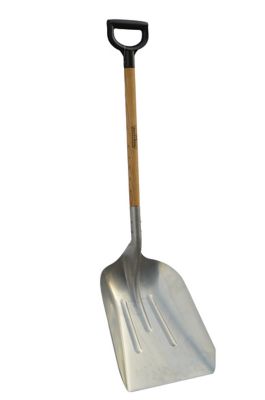
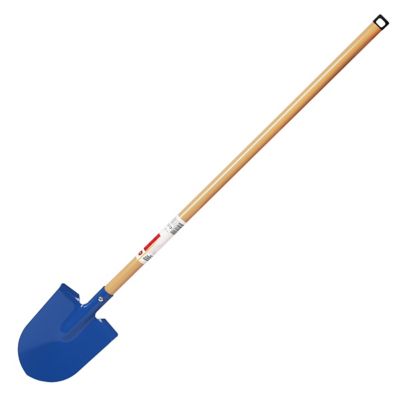
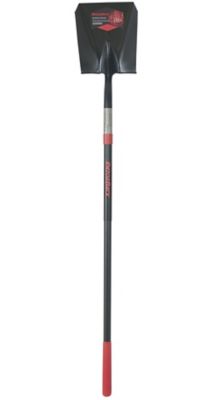
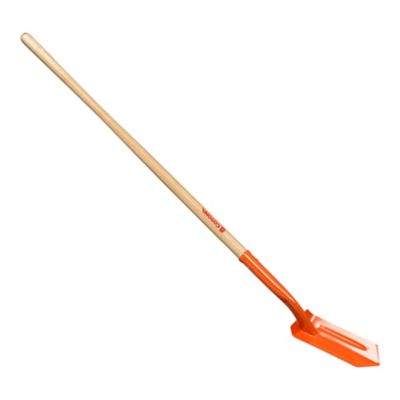
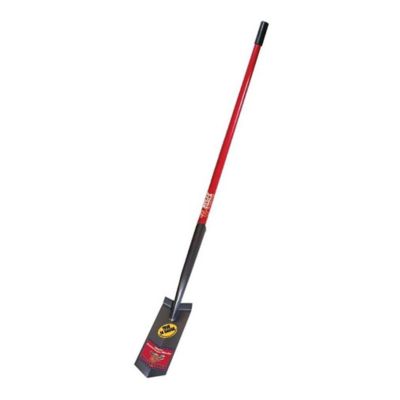
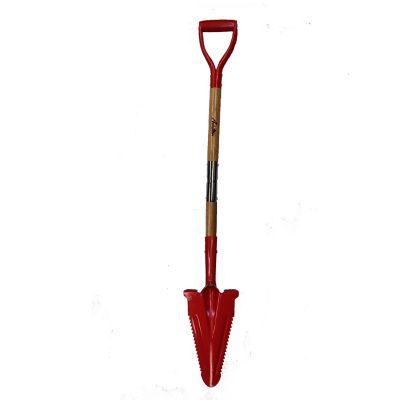
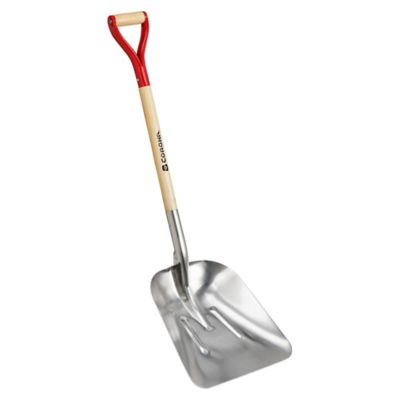
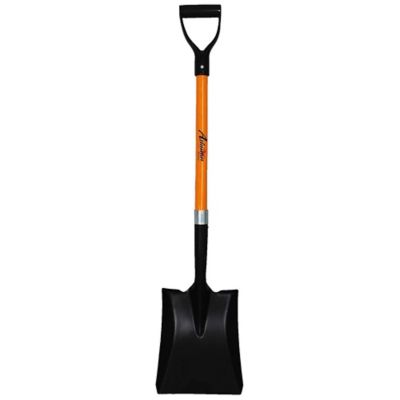
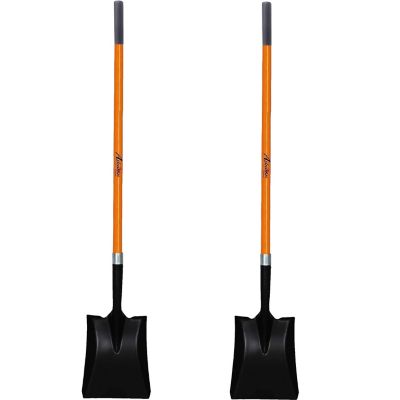
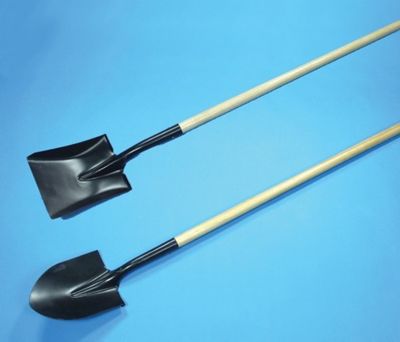
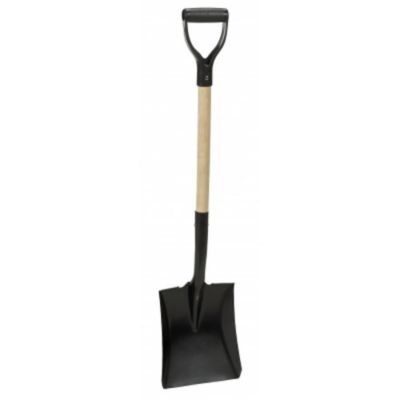
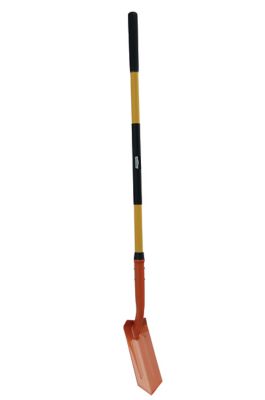
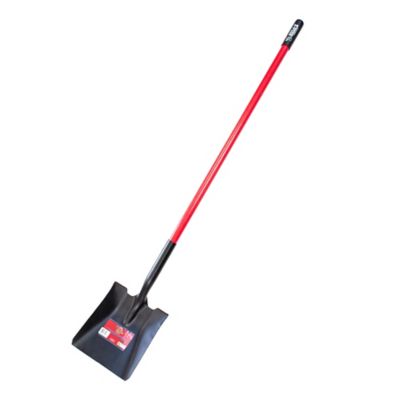
Round Shovels offer the versatility to move between garden work, drainage projects, and light construction cleanup. A square point shovel has a flatter edge that works well for scooping loose gravel, sand, topsoil, and other materials, while also helping scrape, level, and smooth a surface. For narrow utility or drainage work, a trenching shovel with a slim blade can help clear soil from tight spaces without disturbing as much ground on either side. Scoop shovels, with their broad and deeper bowls, are made to transfer larger amounts of loose material efficiently. Having the right shape can make a long day feel considerably easier, especially when every load has to be lifted, carried, and placed by hand.
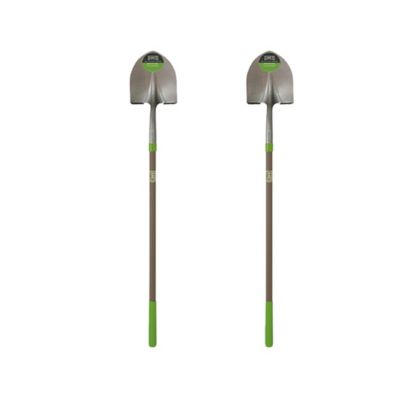
When comparing construction shovels, start with the material and overall build rather than appearance alone. Blade thickness is often described by gauge, and a lower gauge number generally indicates thicker steel that is better suited to demanding digging, prying, and material handling. A thick blade can be especially useful around gravel, packed fill, and rocky soil, where a thinner blade may bend more readily if it is used carelessly as a lever. Look closely at the socket, the area where the blade meets the handle, because this connection takes a great deal of strain. A reinforced socket and secure fasteners help the shovel hold together through repeated impacts and heavy loads. Handle choice comes down to the kind of work and the feel you prefer. Hardwood handles have a familiar, natural feel and can help absorb some vibration when the blade hits firm ground. Fiberglass handles are valued for their strength, weather resistance, and ability to hold up in changing conditions, which can be handy when tools are stored in an unheated shed or carried from one job to another. Long handles provide more reach and a wider swing, giving you room to work with both hands and use your legs and body for leverage. A D-grip handle offers added control in close quarters and can make it easier to guide a loaded blade, clear a narrow trench, or lift material into a wheelbarrow. Consider your height, the depth of the work area, and how much carrying you expect to do. A shovel that feels balanced in your hands is less tiring than one that is awkwardly weighted, especially during a full day of fence, drainage, landscaping, or site-preparation work.
Construction shovels are useful for contractors, utility crews, landscapers, road and maintenance workers, farmers, ranchers, and homeowners who take on their own repairs and improvements. They can help prepare a post hole, move aggregate around a gate or driveway, clean out a shallow ditch, load a trailer, spread bedding material, or tidy a jobsite when a loader cannot reach the last few feet. They also make a thoughtful gift for someone setting up a toolbox, building a new homestead, maintaining rental property, or tackling a steady list of projects around the place. A well-made shovel often becomes one of those tools that stays near the barn, truck, garage, or shed because it is useful in so many situations. During the cooler months, a sturdy blade can help with drainage work, moving firewood-area gravel, clearing mud from walkways, or preparing a work area before wet weather sets in. Before putting a shovel away, knock off caked soil and rinse away gritty material that can hold moisture against the steel. Dry the blade, check the handle and socket for damage, and store it where it will not be left standing in water or exposed to unnecessary weather. Use the blade for digging, scooping, scraping, or lifting within its intended purpose, and avoid forcing it sideways like a pry bar unless it is specifically designed for that kind of pressure. With the right blade style, handle, grip, and heavy-duty construction, a construction shovel can turn a stubborn job into steady, manageable work—the kind that leaves a clean trench, a level pile, and one more useful tool ready for the next project.