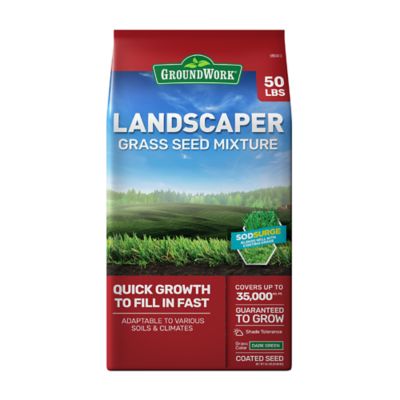
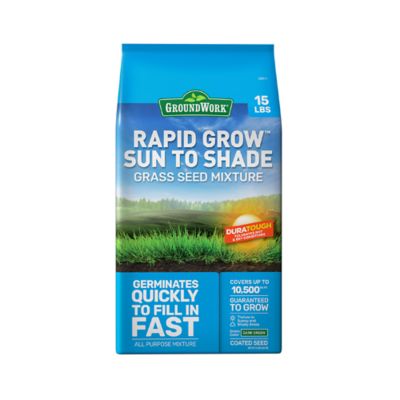
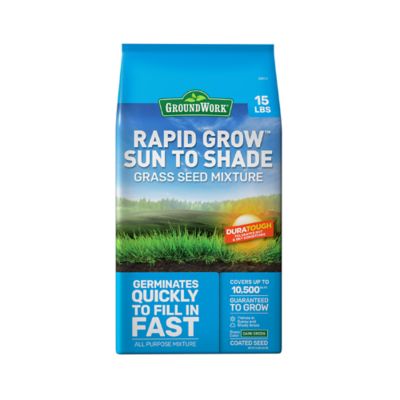
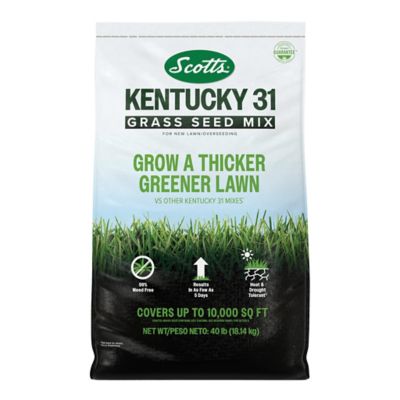
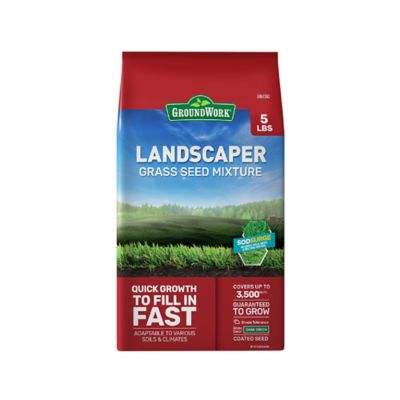
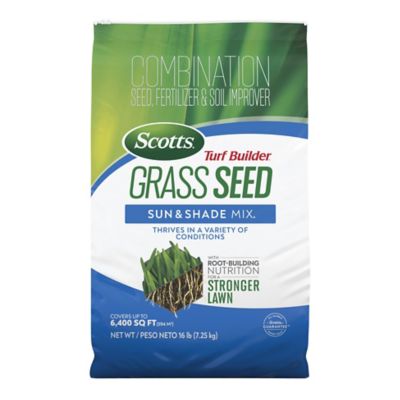
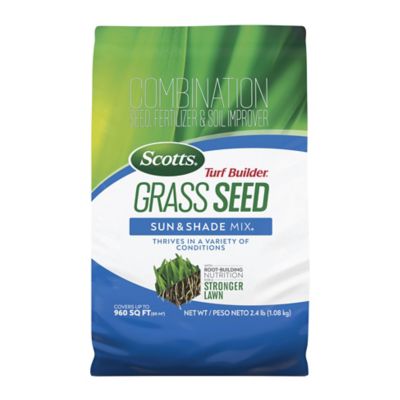
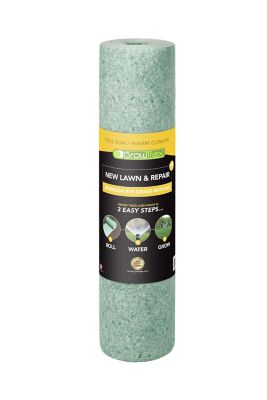
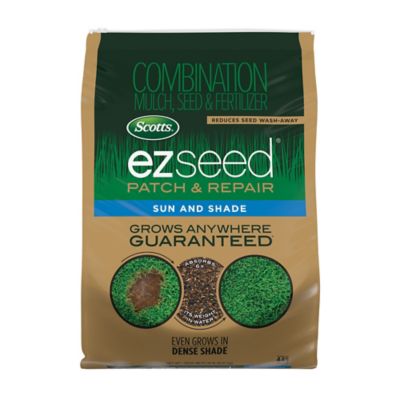
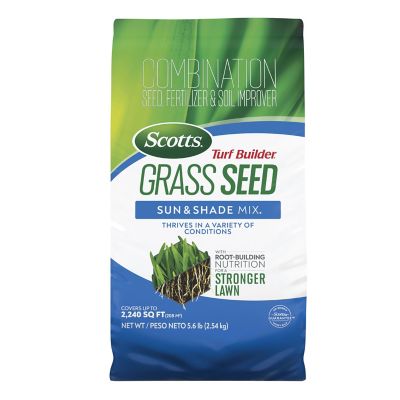
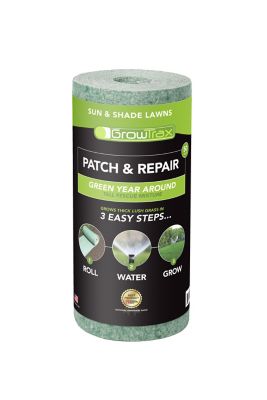
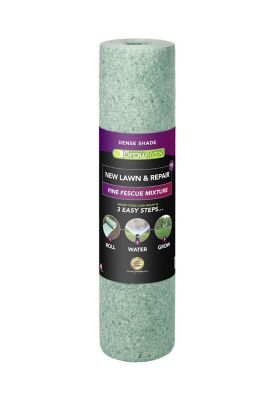
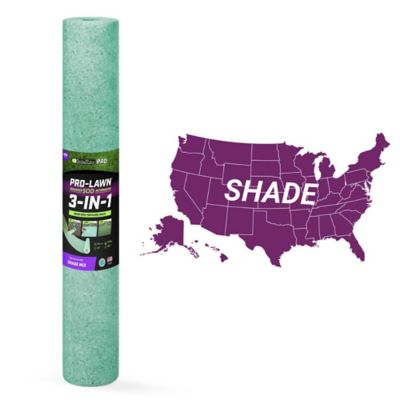
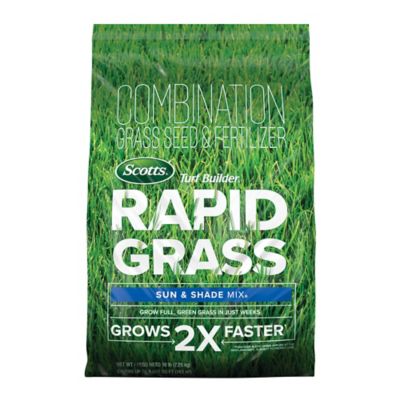
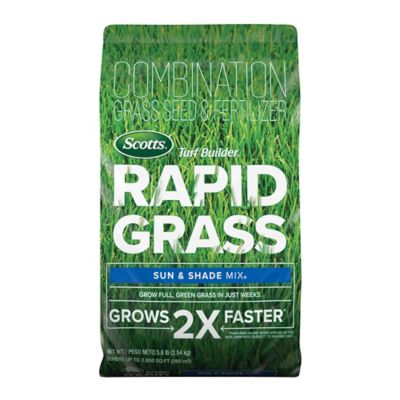
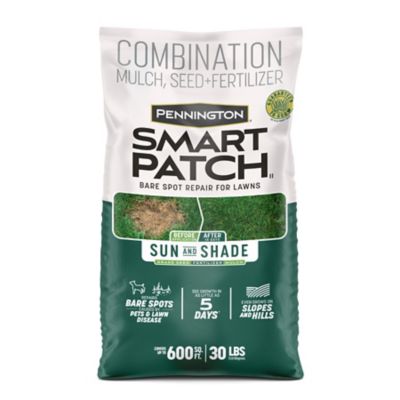
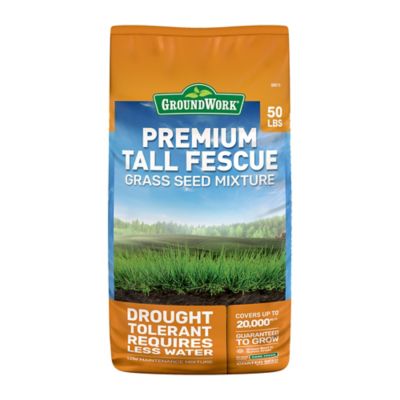
Sun and shade grass seed is a practical choice for yards where conditions change from one part of the property to the next. A lawn may get bright afternoon sun near the driveway, filtered light beneath scattered trees, and deeper shade along a fence line or behind the house. Rather than buying separate seed for every patch, a sun and shade mix is made with grass varieties selected to handle a range of light levels and growing conditions. These blends commonly include fine fescues for lower-light areas, perennial ryegrass for quick germination and everyday foot traffic, and deeper-rooted turf grasses such as tall fescue or Kentucky bluegrass for sunny spots. The right mix can help create a more even-looking lawn across those tricky transition areas where one grass type may struggle. It is a useful option for filling thin places, repairing bare soil, or overseeding an older lawn that has become worn from pets, children, weather, and regular use. Homeowners with mature trees often appreciate how a mixed blend works around changing shade patterns, especially as branches fill out and cast longer shadows. It can also suit rural homes, cabins, rental properties, and larger lots where the lawn includes open ground, tree borders, and lightly wooded sections. Seed can make a thoughtful housewarming gift for someone settling into a new place, and it is a handy addition to a care package for a first-time homeowner who is learning the ins and outs of keeping a yard in good shape.
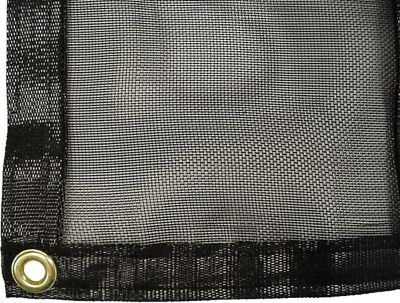
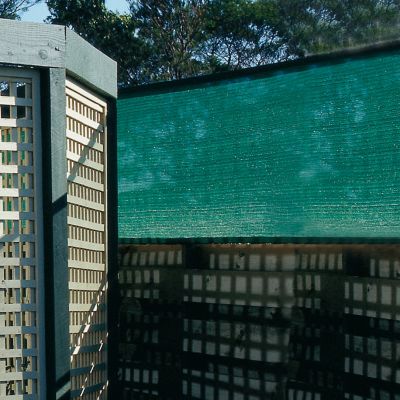
When choosing sun and shade seeds, start by looking at the conditions in the area you plan to cover. Note whether the ground stays sunny most of the day, receives only morning or evening light, or sits beneath dense tree cover. Also consider soil type, drainage, foot traffic, and the amount of care the lawn is likely to receive. A high-traffic area leading to a barn, shed, garden, or dog pen needs durable grass that can recover from regular use, while a quiet stretch under trees may benefit from fine fescues that tolerate reduced light. Drought tolerance matters in exposed areas, particularly where irrigation is limited, and shade-tolerant varieties are helpful where tree roots compete with grass for moisture. If the yard has compacted soil, poor drainage, or a thick layer of thatch, seed alone may not solve the problem; loosening the surface and improving the growing conditions gives new grass a much better start. Read the coverage rate on the package and measure the area before buying. Bare ground generally calls for more seed than overseeding an existing lawn, and spreading too much can leave seedlings competing for water and nutrients. A handheld spreader or push spreader helps distribute seed evenly, while a light pass with a rake works it into the top layer of soil. Avoid burying the seed deeply. Grass seed needs good contact with the soil and enough light moisture near the surface to sprout. For nearby garden plants that need relief from intense sunlight while you work on surrounding areas, browse
Shade Cloths For Plants as another way to manage changing light conditions.
For many cool-season lawns, early fall is a dependable planting window because the soil remains warm enough for germination while cooler air reduces stress on young grass. This timing also gives seedlings a chance to establish roots before the coldest weather arrives. Spring can work as well when soil temperatures are consistently in the mid-50s to around 70 degrees Fahrenheit, though new grass may need extra attention as heat and dry conditions develop. Before spreading seed, clear away leaves, sticks, dead grass, and other debris, then rake the topsoil loose. On bare ground, a rough guideline is about 4 to 7 pounds of seed per 1,000 square feet; for overseeding, roughly 2 to 4 pounds per 1,000 square feet is often suitable, depending on the mix and the condition of the existing lawn. Always follow the package directions for the exact coverage rate. After planting, water lightly and often enough to keep the top layer of soil damp without washing seed into low spots. Daily watering may be needed until seedlings appear, followed by deeper, less frequent watering as roots develop. Try to limit heavy traffic until the new grass is established and reaches mowing height, generally around 3 to 4 inches. The first mowing should remove only the top third of the blades, and sharp mower blades help prevent young plants from being pulled out. Keep an eye on areas beneath trees, where falling leaves can block sunlight and hold too much moisture against the soil during cooler weather. Raking gently and keeping the seedbed open to air and light can make a noticeable difference. With a little preparation and steady care, sun and shade seed can help turn a patchy, mixed-light yard into a thicker, more useful stretch of green for walking, playing, working, and enjoying the view from the porch.