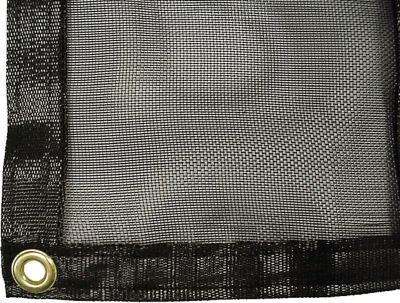
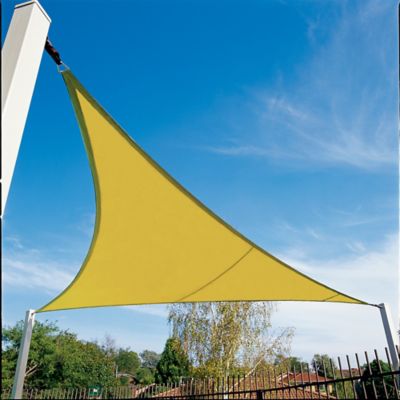
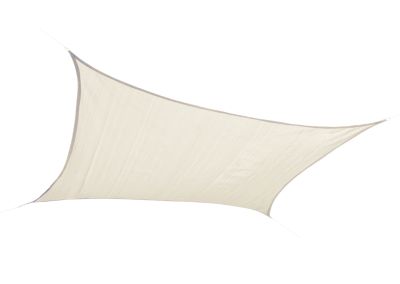
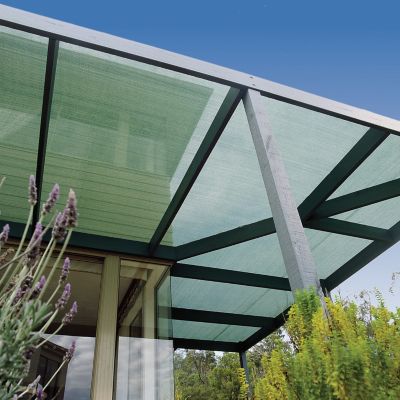
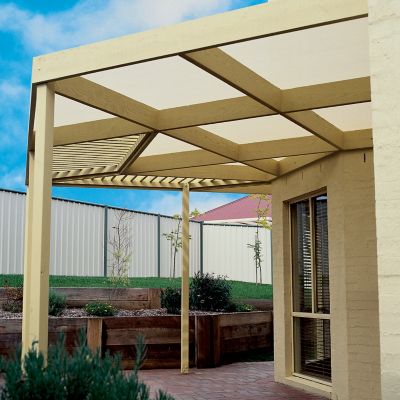
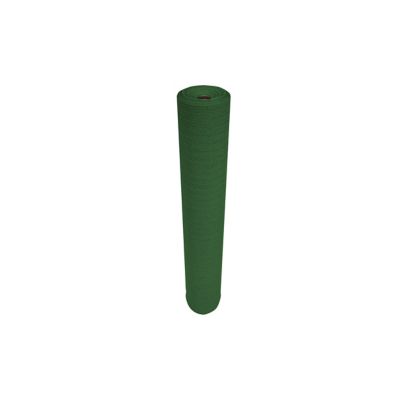
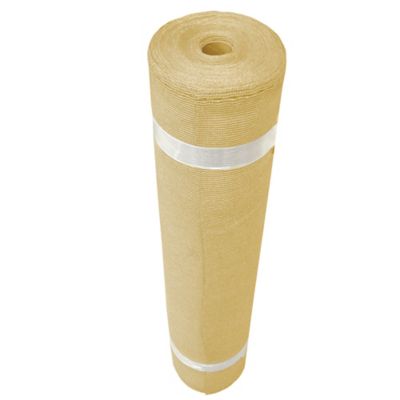
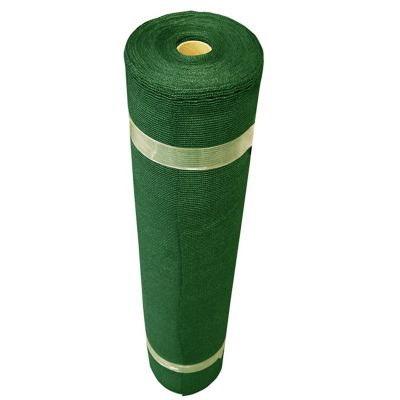
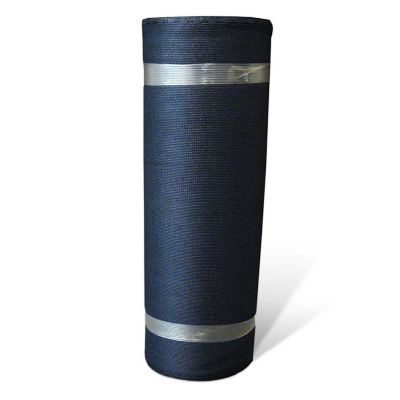
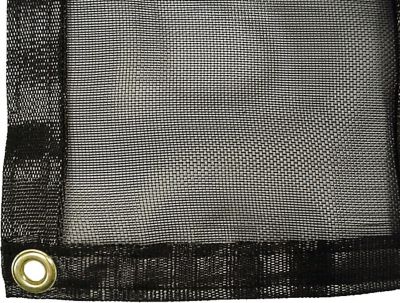
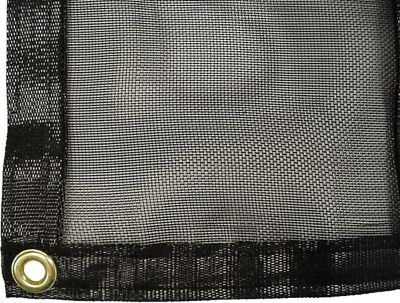
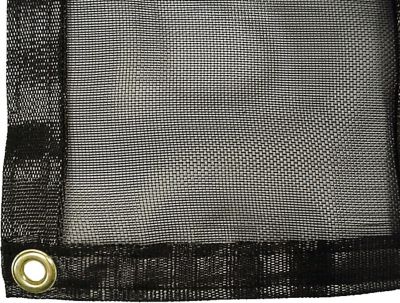
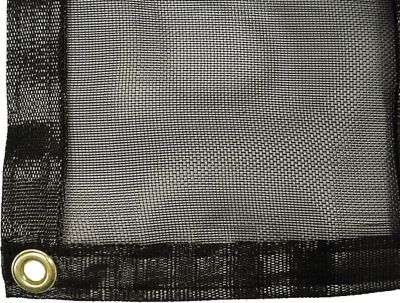
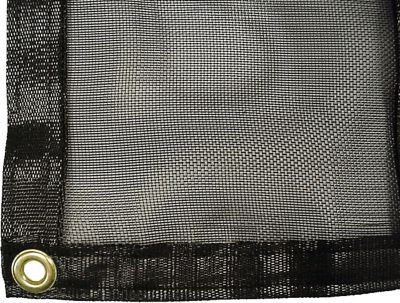
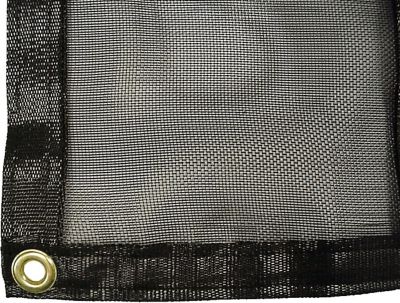
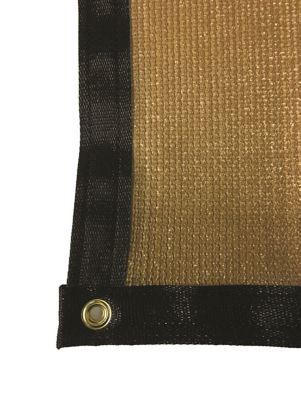
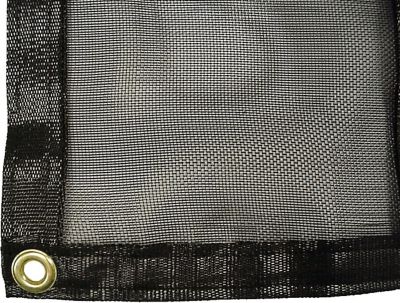
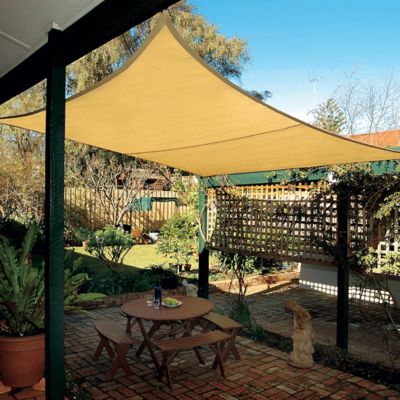
As the days grow longer and the sun gets stronger, keeping your plants cool and protected becomes more important than ever, whether you’re tending a backyard vegetable patch, a greenhouse, or a row of prize tomatoes along the fence. That’s where plant shade cloth comes in handy. Folks who garden in areas with hot summers, dry wind, or unpredictable heat waves know just how quickly delicate greens, young seedlings, or tender flowers can get scorched without a little extra help. A garden shade cloth acts like a lightweight shield, filtering out just enough sunlight to prevent heat stress and sunburn while still letting your plants soak up what they need to stay healthy and productive. You’ll find that the best shade cloth for plants comes in different densities, or percentages, each suited for a specific job: a lighter 30-40% shade is perfect for tough veggies like tomatoes and peppers or for gradually hardening off new transplants, while a 50-60% shade cloth is the sweet spot for leafy greens, herbs, and most general garden beds. For those raising livestock or wanting to cool down a patio, heavier 70-90% options will block out more sun and provide a comfortable retreat, though that’s usually more shade than most plants want.
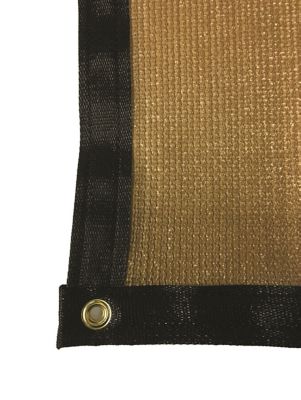
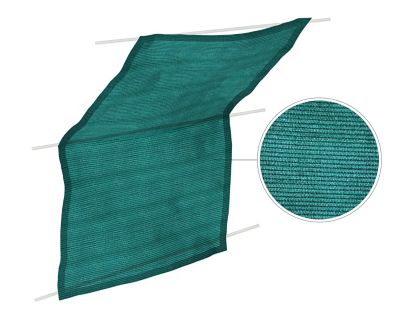
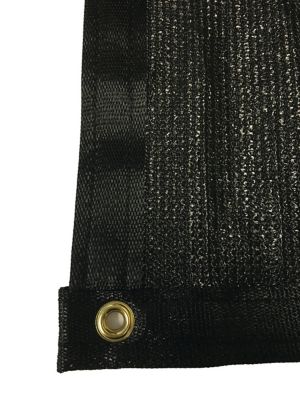
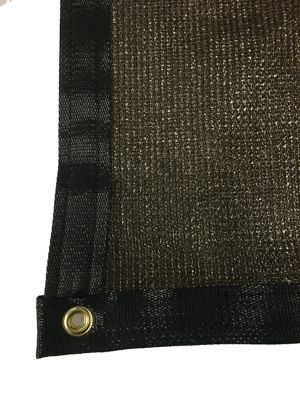
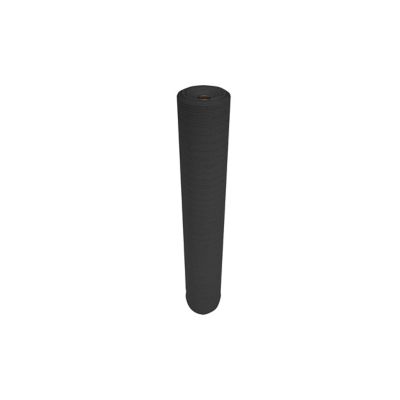
Choosing the right shade cloth for plants near me often means thinking about local weather, the types of crops you’re growing, and how much sunlight your garden usually gets. Folks living in hotter climates might reach for white or reflective aluminum cloths, which bounce back the heat and keep things cooler under the canopy—ideal for greenhouses or fruiting crops that risk sun-scald. On the other hand, black shade cloth absorbs and traps warmth, which can be a blessing in cooler regions or for heat-loving plants that thrive with a bit of extra warmth. When it comes to materials, knitted shade cloths are a favorite for many rural gardeners since they won’t unravel if you cut them to fit your raised beds or hoop houses, making them easy to customize on the fly. Woven cloths are extra tough and built to last, perfect for spots that see a lot of wind or need more permanent coverage, though they may fray if trimmed without sealing the edges. Setting up your shade cloth is straightforward—just build a simple frame with PVC, wood, or metal stakes, then stretch the cloth overhead, securing it with zip ties, bungee balls, or even brass grommets. The key is to keep the cloth suspended above the plants, so air can circulate and heat doesn’t get trapped underneath. Whether you’re a seasoned grower, a backyard hobbyist, or looking for a thoughtful gift for a gardening friend, shade cloths are a practical investment that can help ensure a bountiful harvest and happier, healthier plants all season long.
Shade cloths aren’t just for the big garden beds, either. If you’re starting seeds or nurturing young plants, you might want to check out specialized options designed just for that purpose. For more details on protecting your seedlings as they get established, take a look at our
Shade Cloths for Seedlings page. No matter the size of your operation, shade cloth tractor supply options are easy to find and simple to use, making them a go-to solution for anyone wanting to beat the heat and keep their plants thriving from early summer through the cooler months of fall. Whether you’re growing for the farmers market, stocking your pantry, or just enjoying the satisfaction of a healthy, vibrant garden, the right plant shade cloth can make all the difference when the sun is at its strongest.