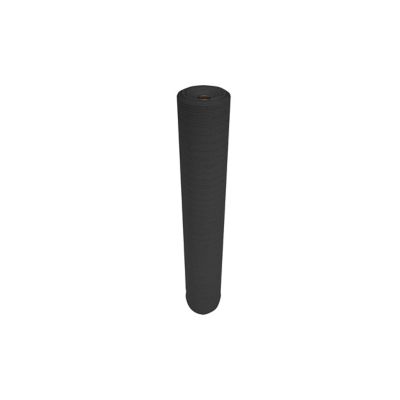
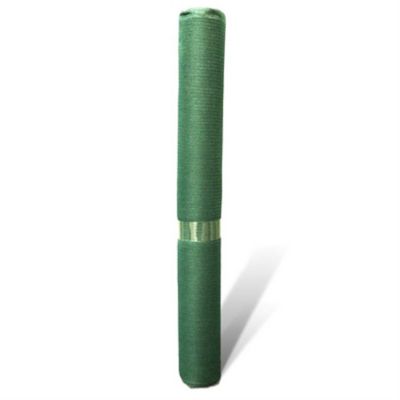
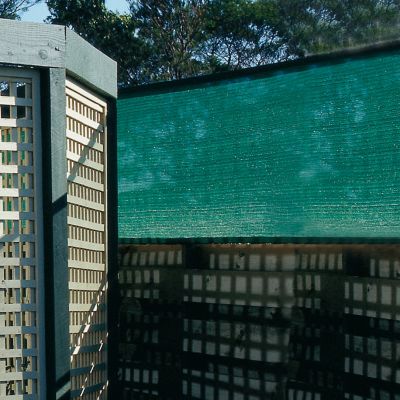
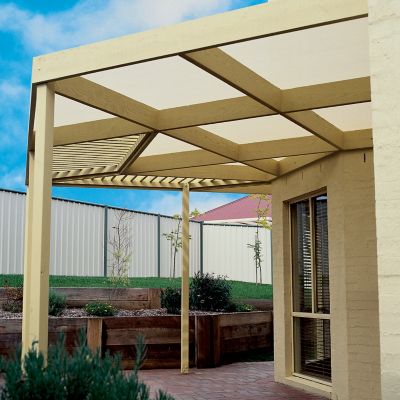
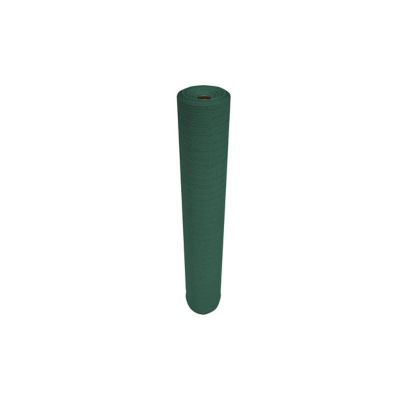
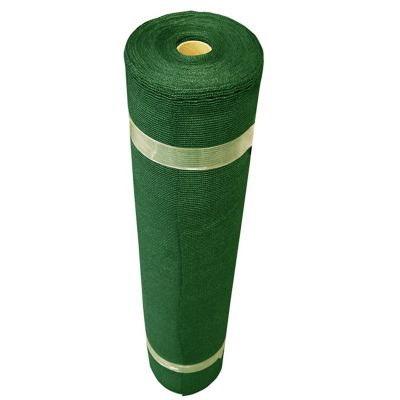
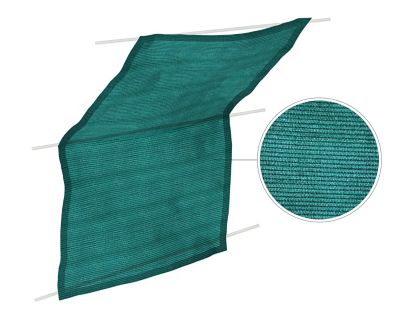
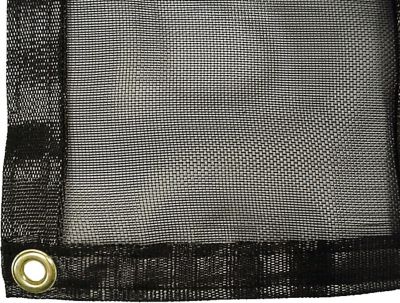
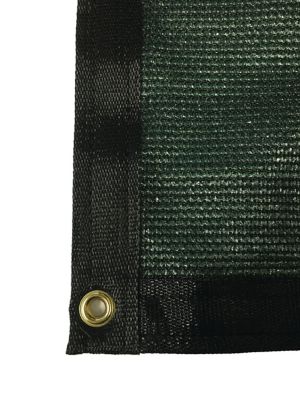
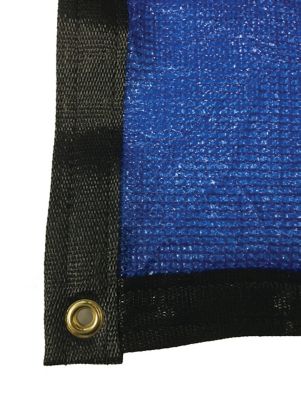
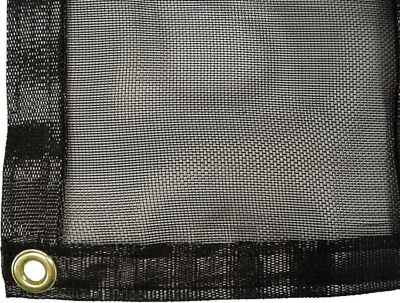
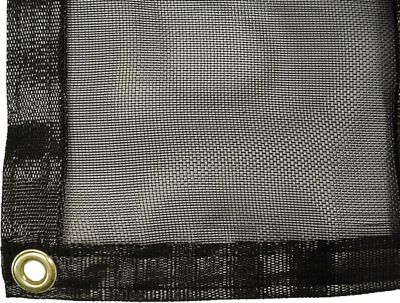
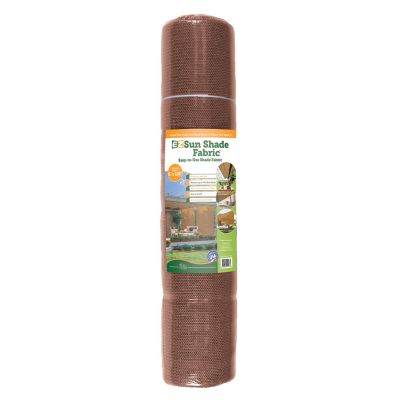
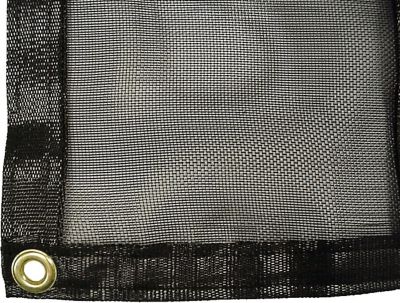
When it comes to getting seedlings off to a strong start, shade cloths are a real game changer for folks who are serious about their gardens, greenhouses, or even a backyard patch of veggies. As the weather heats up and the sun starts beating down, young plants can get scorched or dry out before they ever get a chance to thrive. That’s where shade cloths come in handy—giving your tender starts just the right amount of protection from harsh rays, keeping soil temperatures steadier, and helping hold onto precious moisture. Whether you’re working with trays of tomatoes and peppers out in the open, or you’ve got delicate greens and flowers under a hoop house, picking the right shade density makes all the difference. Most growers will find that a 40% to 50% shade cloth is the sweet spot for vegetables and flowers, while a lighter 30% cover works best if you’re hardening off sun-loving crops that need to toughen up before transplanting. And for those really sensitive seedlings—like lettuce, young herbs, or tender root crops—a 50% cloth can help keep them cool and happy even during the hottest part of the season.
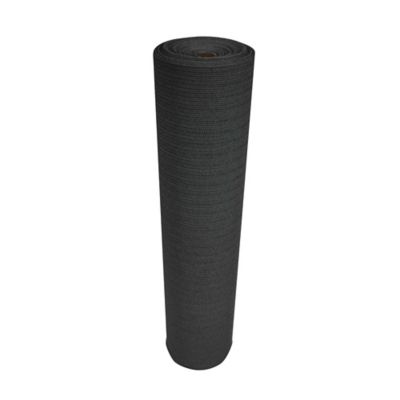
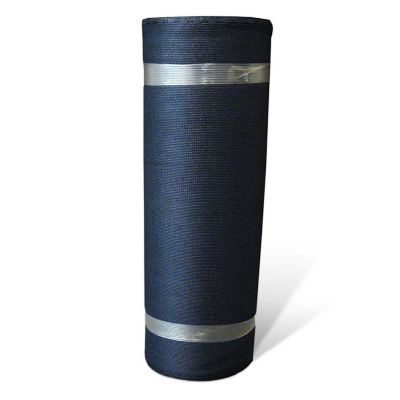
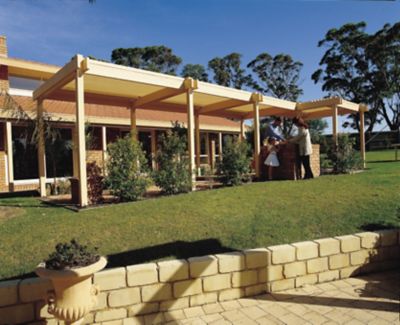
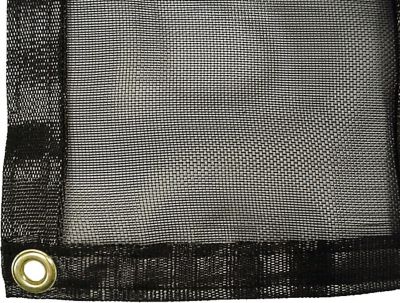
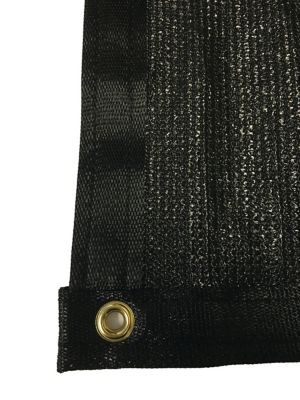
Setting up a shade cloth doesn’t take fancy equipment, but a little know-how goes a long way. It’s best to hang the cloth about two or three feet above your seed beds or trays, whether you’re outside or inside a greenhouse, to keep air moving and prevent heat from getting trapped underneath. Some folks swear by black shade cloth for general use, but if you’re dealing with relentless summer sun, a white cloth can help reflect heat and keep things even cooler for your plants. These cloths aren’t just for big farm operations, either—anyone with a backyard garden, a few raised beds, or even a row of seed trays on the porch can see the benefits. And if you’re looking for a practical gift for a gardening neighbor or family member, shade cloths are a thoughtful choice that’ll get plenty of use through the growing season and into those early fall plantings. For more tips and to see a full range of options, check out
Shade Cloths For Gardens—you’ll find something to suit just about every setup, whether you’re running a small hobby plot or managing a bigger operation.
No matter if you’re starting your own vegetable patch, tending to flower seedlings, or helping a neighbor get their plants going, shade cloths offer a simple, effective solution for beating the heat and keeping those young plants healthy. As the season rolls along and the days go from warm to downright hot, having a reliable shade setup lets you focus more on growing and less on worrying about sunburned seedlings or dried-out soil. Folks who’ve been gardening for years know that a little bit of shade at the right time can mean the difference between a bumper crop and a patch of stunted starts. With the right cloth and a simple setup, you’ll be giving your seedlings the best shot at a strong, healthy season—whether you’re planting for the family table or just enjoying the satisfaction of watching something grow.