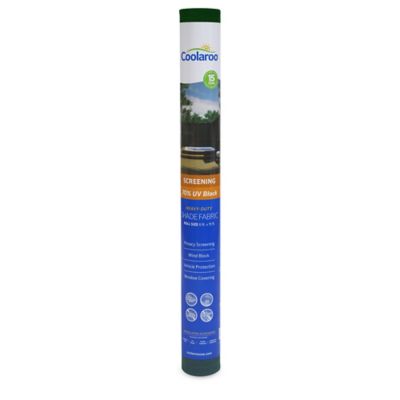
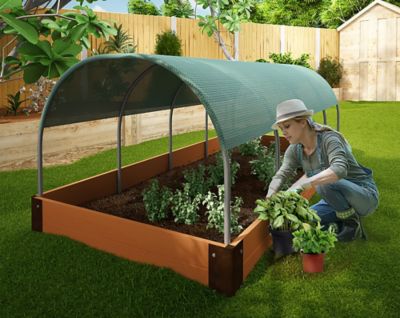
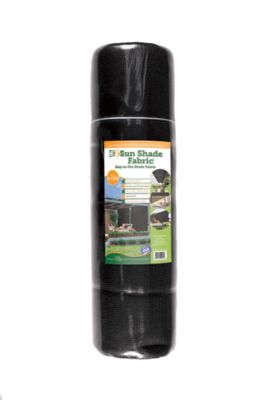
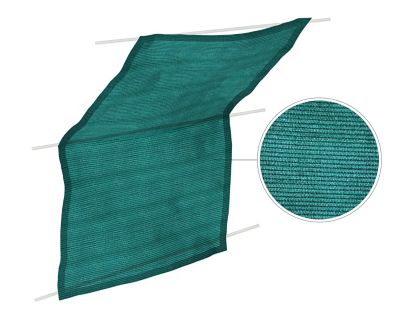
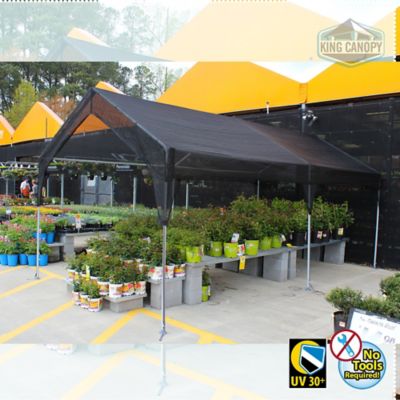
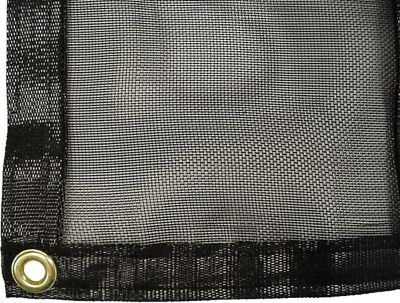
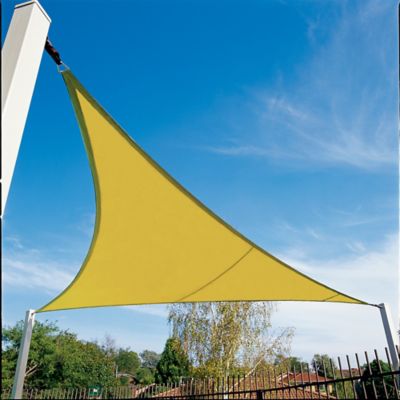
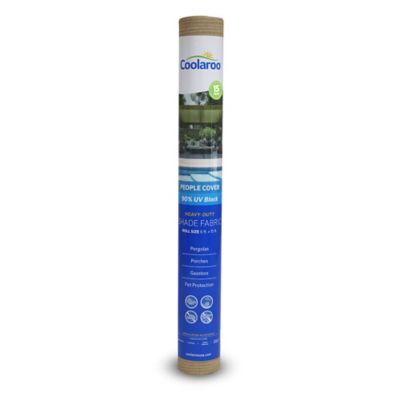
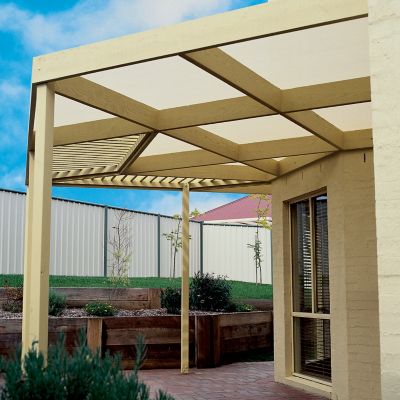
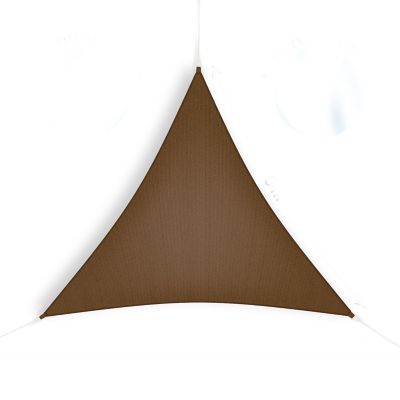
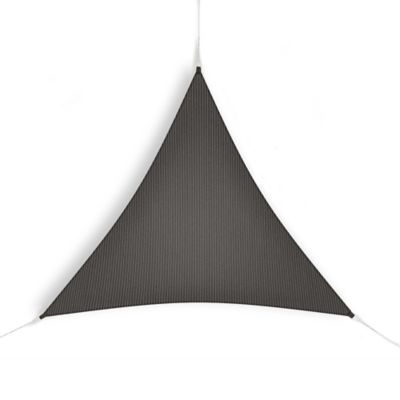
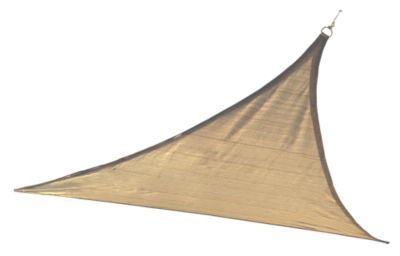
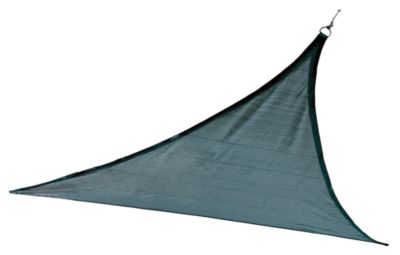
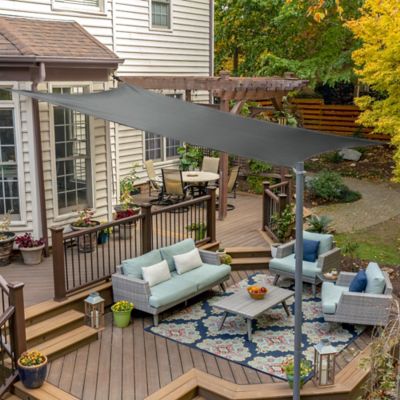
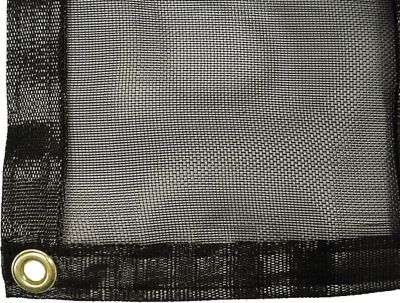
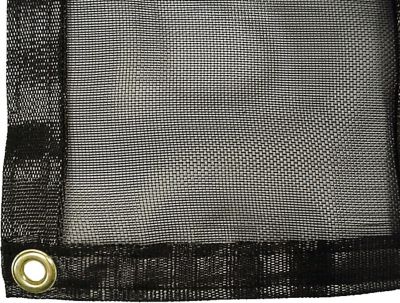
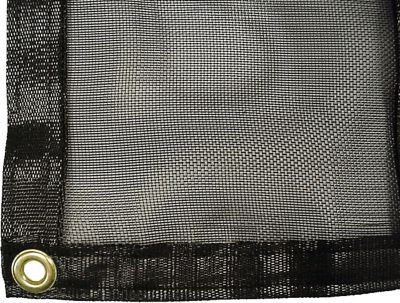
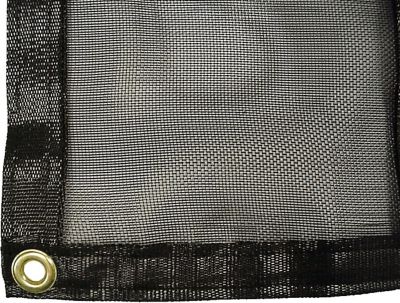
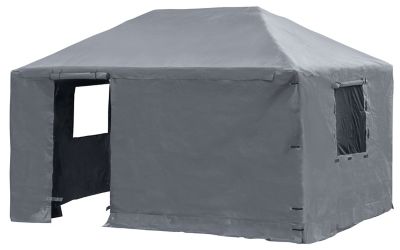
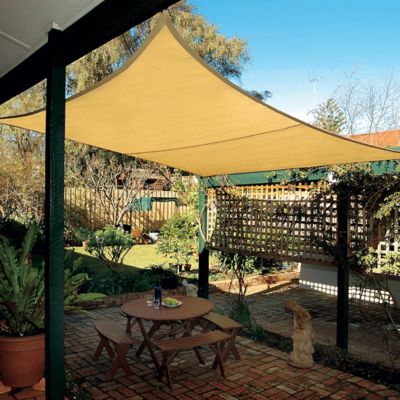
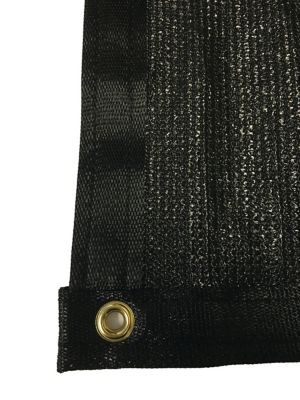
Shade cloths for gardens are a handy way to give plants a break from strong sunlight, high temperatures and drying winds. They work by filtering a portion of the sun’s rays, helping lower the temperature around the leaves and soil while slowing moisture loss. Gardeners use them over raised beds, vegetable rows, seed-starting areas, container plants, hoop houses and small backyard greenhouses. They can be especially helpful for tender seedlings, leafy greens and newly transplanted crops that are still getting established. Fruiting plants such as tomatoes, peppers and cucumbers generally need plenty of sunlight, but a lighter shade cloth can help protect them from harsh afternoon heat without blocking too much light. A cloth with about 30% to 40% shade is often a good fit for sun-loving crops and young plants, while a 50% shade rating can suit lettuce, spinach, herbs and other partial-shade plants during the hottest part of the growing season. Shade ratings describe how much sunlight the fabric blocks, so choosing the right percentage depends on the plants, your local weather and how much direct sun reaches the garden. In cooler areas, lighter coverage may be enough, while gardens in hot, bright locations may benefit from more protection. During the cooler months, shade cloth can still be useful for newly seeded beds, delicate greens and garden areas exposed to drying breezes, though it should be adjusted or removed when plants need more available light. A good setup leaves room between the fabric and the plant tops, allowing air to move freely and preventing the cover from resting on leaves. Simple supports made with garden stakes, PVC hoops, T-posts or a basic wood frame can keep the cloth raised above the canopy and make it easier to lift, roll back or reposition as conditions change.
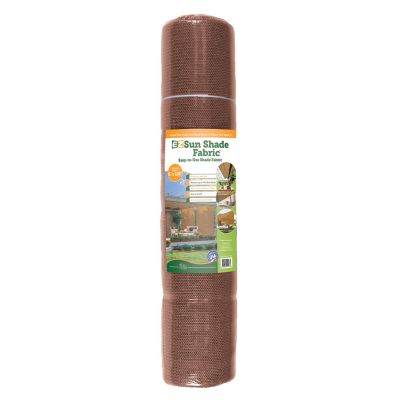
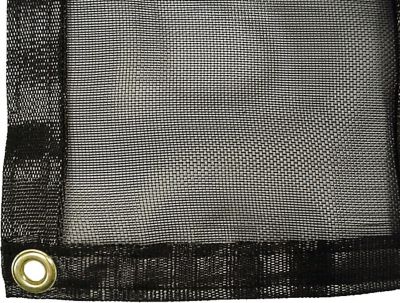
When comparing shade cloths for gardens, start with the size and shape of the growing area. Measure the bed or frame, then allow extra fabric for overlap, attachment points and a little room around the sides. A piece that is too small may leave hot spots along the edges, while an oversized piece can be folded, gathered or trimmed if the material allows. Look for reinforced edges, strong stitching and evenly spaced grommets when you plan to hang the cloth or move it regularly. Knitted high-density polyethylene fabric is lightweight, flexible and less likely to fray, making it a practical choice for seasonal garden structures and covers that are installed and removed throughout the year. Woven polypropylene is typically heavier and has a tighter, more substantial feel, which can work well for a more permanent frame or a larger growing area. Color also affects how the cloth manages light and heat. Black fabric absorbs some heat while reducing the amount of light that reaches plants, making it useful where intense light is the main concern or where the climate is not extremely hot. White fabric reflects more sunlight and can help create a cooler environment in areas that deal with strong heat. Neutral and lighter-colored options may also make it easier to check plants beneath the cover. Pay attention to the fabric’s weather resistance, expected service life and care instructions, especially if the cloth will stay outdoors through wind, rain and changing temperatures. A durable material can be a smart choice for a homestead garden, community plot or backyard grower who wants to use the same cover season after season. Anyone who enjoys raising vegetables, growing flowers from seed or tending a few patio planters can put one to work, and a well-sized shade cloth can make a thoughtful gift for a new gardener, greenhouse hobbyist or neighbor who likes sharing homegrown produce.
A secure installation matters just as much as the fabric itself. Wind can turn a loose cover into a sail, so attach the cloth firmly with heavy-duty zip ties, bungee cords, woven nylon rope or other fasteners suited to the frame and the fabric’s grommets. Keep the cover tight enough to limit flapping, but avoid pulling so hard that the edges or attachment points bear unnecessary strain. In open gardens, positioning the cloth to block the strongest late-day sun can provide protection when heat and evaporation are at their peak, while leaving the morning side open can help plants receive gentler light and fresh air. Check beneath the cover from time to time for trapped heat, excess moisture, pests or plants that have outgrown the space. Shade cloth is not a replacement for regular watering, healthy soil or good spacing, but it can help make those routines more manageable by reducing stress on plants. For gardens near a porch, fence or outbuilding, it may be useful to pair the growing setup with
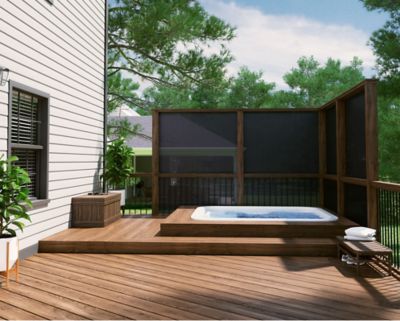
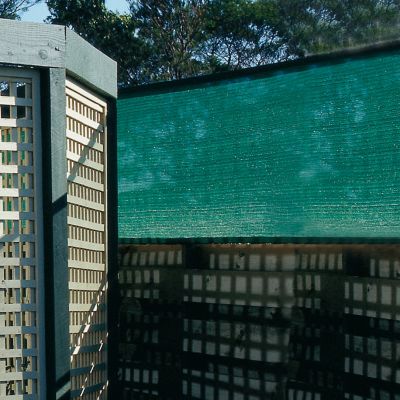
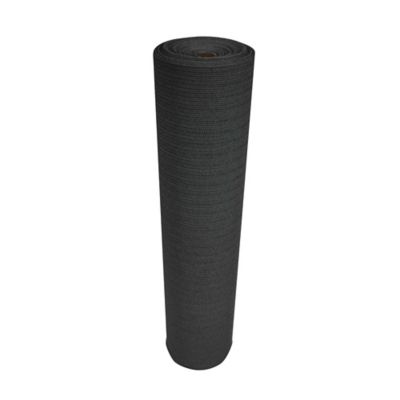
Privacy Screens For Gardens to create a more comfortable, sheltered corner for potting, seed starting or keeping supplies close at hand. When the garden no longer needs coverage, brush away dirt, let the fabric dry completely and store it in a cool, dry place away from sharp tools and rodents. Rolled storage helps prevent deep creases, and a quick inspection before the next growing season can reveal worn stitching, stretched grommets or small tears before they become larger problems. With the right shade percentage, sturdy support and dependable fasteners, shade cloth can help protect plants through changing conditions and give gardeners a little more control over light, heat and moisture in the growing space.