A submersible water pump operates below the water’s surface, pushing water through a discharge line rather than drawing it up through an above-water suction hose. Its sealed motor housing allows it to work underwater within the manufacturer’s operating limits, making it a practical choice for moving water out of a basin, drawing from a well, or keeping a pond circulating. The right type depends on where the water starts, where it needs to go, and what it carries along with it. For temporary draining jobs,
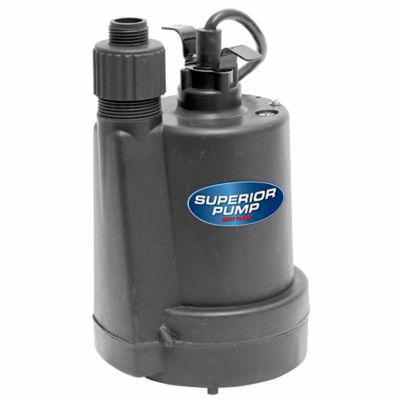
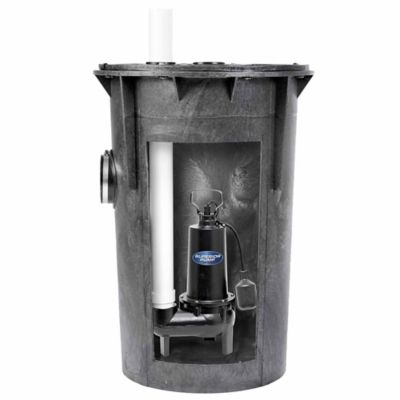
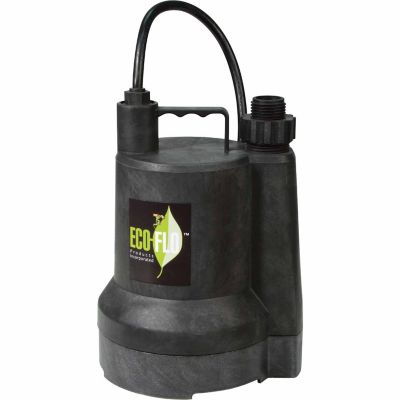
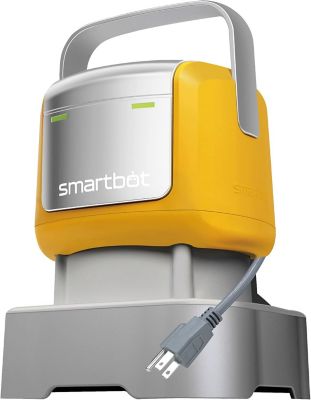
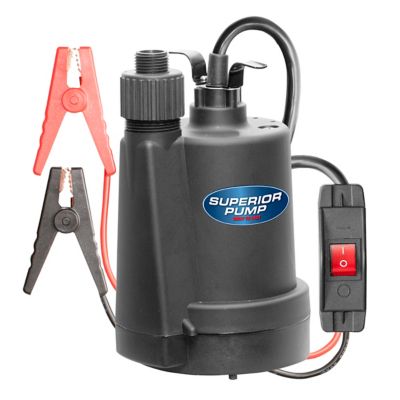
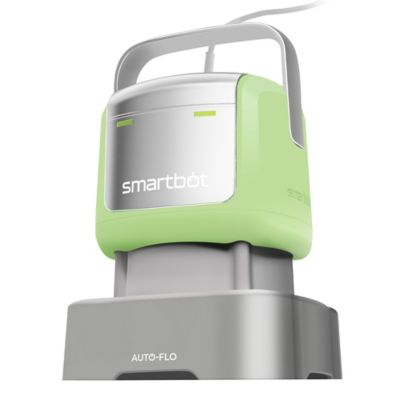
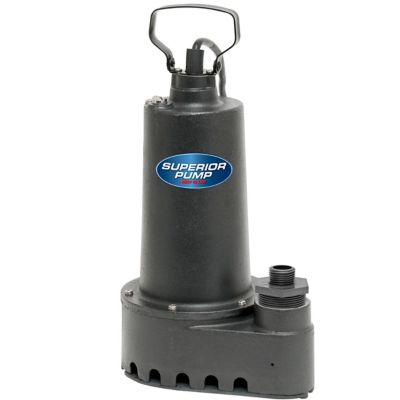
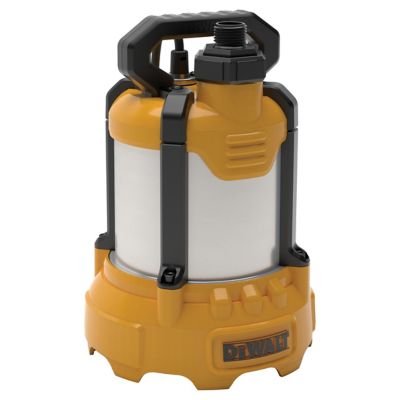
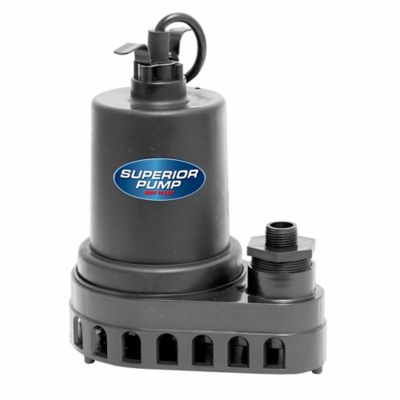
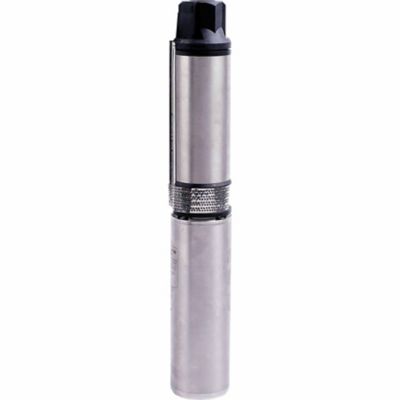
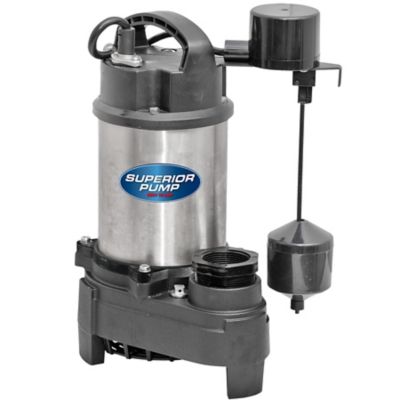
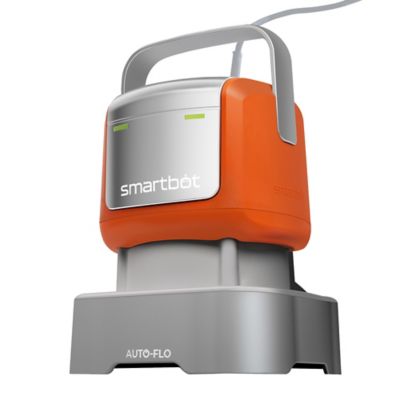
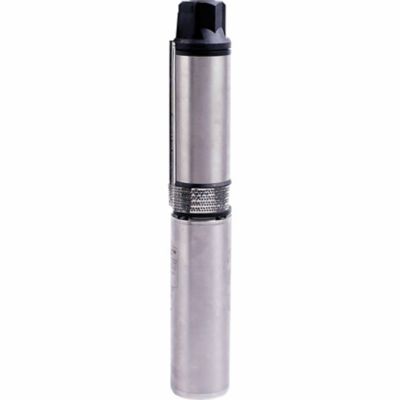
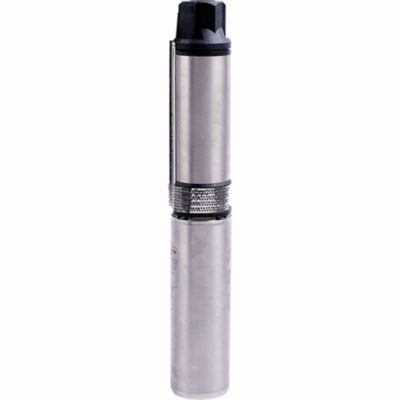
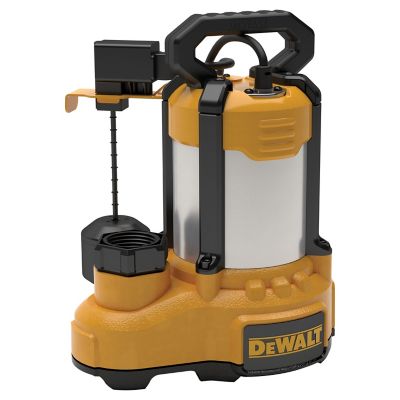
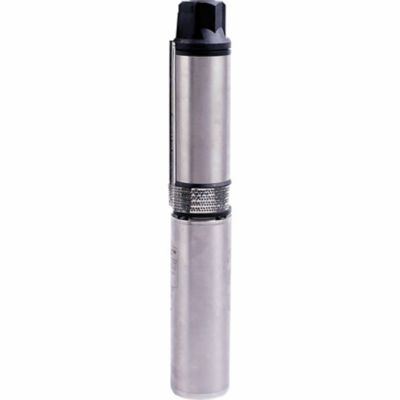
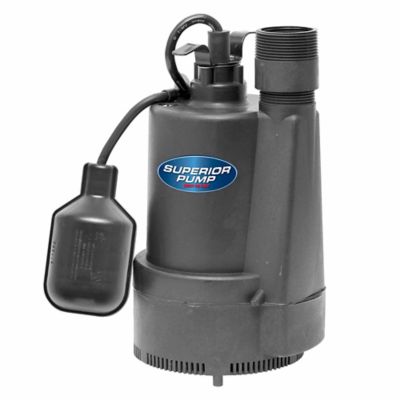
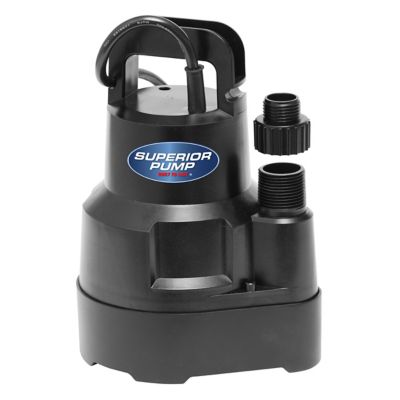
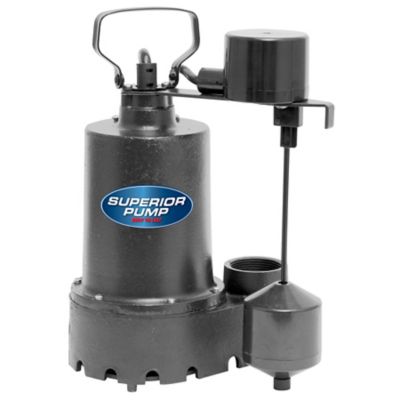
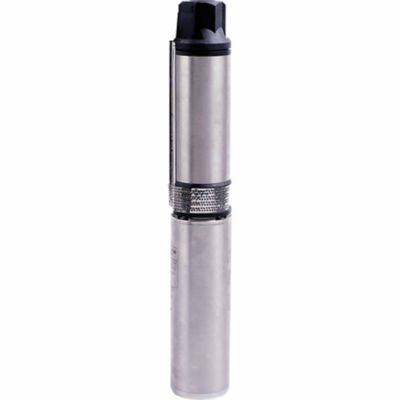
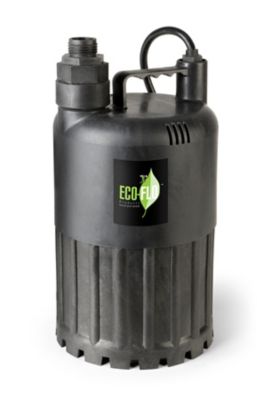
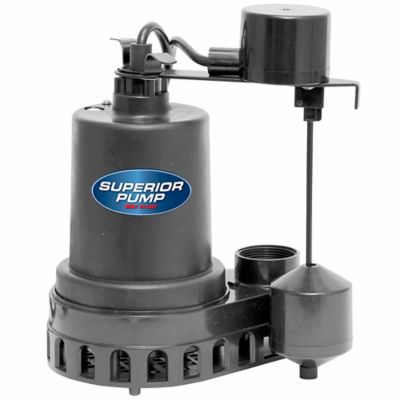
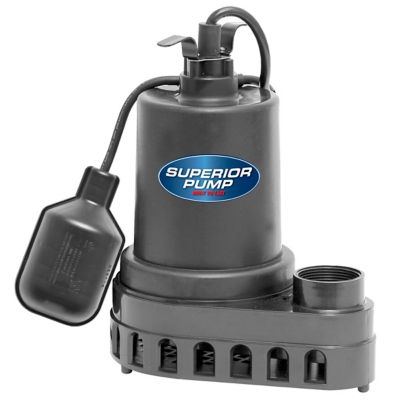
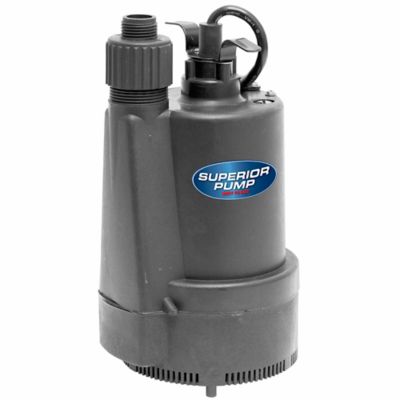
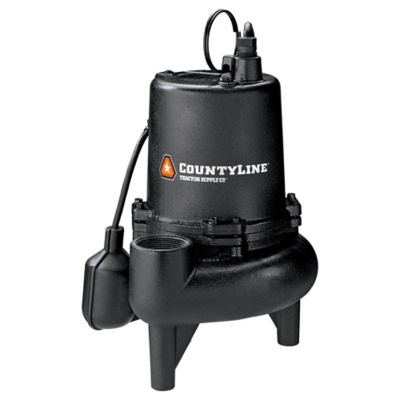
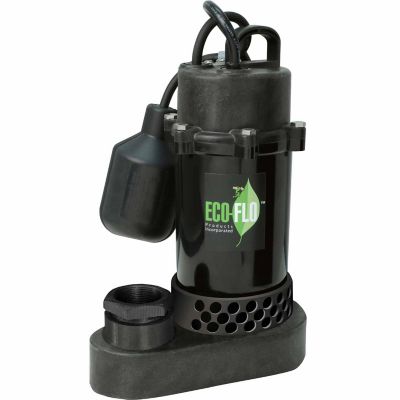
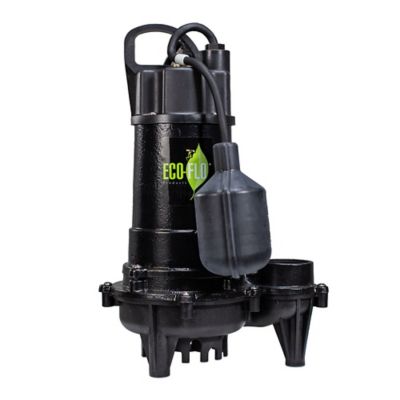
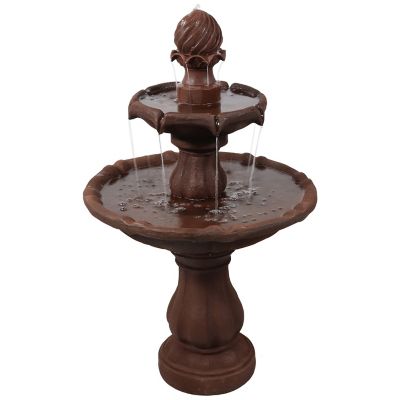
submersible utility pumps offer a portable approach to emptying holding tanks for cleaning, lowering water in collection basins, and handling other water-removal chores around a home, barn, or shop. Submersible sump pumps serve a different purpose: they sit in a sump basin and discharge collected groundwater away from a building through a suitable drainage arrangement. Automatic controls allow a properly configured sump pump to respond as the water level rises. Deep well pumps have a narrow, cylindrical shape that fits inside a well casing, with pumping stages designed to lift water toward a household pressure system or agricultural supply line. Pond and fountain pumps focus on circulation, often running for extended periods in systems with filters, tubing, or water features. These categories share an underwater operating position, but their jobs are not interchangeable. A pump intended for relatively clear water may not handle mud, grit, or stringy debris, and a standard utility pump is not a substitute for equipment rated for sewage. Drinking-water applications also call for pumps and connected components approved for that purpose. For homeowners, acreage owners, livestock keepers, and maintenance crews, the most useful distinction is not simply how powerful a pump looks, but whether its design matches the water source and the work ahead.
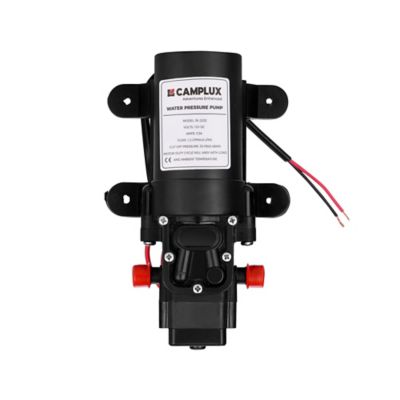
Flow rate and lift help explain how a submersible water pump will perform once the discharge hose leaves the basin. Flow is commonly expressed in gallons per minute or gallons per hour, while head describes the resistance the pump must overcome, expressed in feet. That resistance includes vertical lift, friction through the hose or pipe, and any required discharge pressure. A pump that moves plenty of water through a short hose at ground level can deliver substantially less when sending it uphill through a longer, narrower line. Maximum flow and maximum head represent different ends of a performance curve, not conditions the pump delivers at the same time. Matching the expected flow to the actual lift gives a clearer picture than horsepower alone. Discharge diameter, connection style, hose length, and fittings all affect fit and performance, especially when a pump needs to connect with existing plumbing around a well house or outbuilding. Electrical requirements matter just as much: voltage, circuit capacity, grounding, and control equipment must suit the pump and its installation. Deep well systems may also require a compatible control box, pressure tank, and pressure switch, depending on the motor and system design. Housing materials bring their own tradeoffs. Cast iron adds weight and can help a stationary pump stay planted, stainless steel offers corrosion resistance in suitable water conditions, and thermoplastic keeps many portable designs easier to carry. The impeller, shaft, seals, and intake construction also influence resistance to wear. Sand and abrasive sediment can shorten service life even when the outside housing looks stout. Intake screens help keep larger debris away from the pumping components, but they do not turn a clear-water pump into a solids-handling model. For drainage applications, the stated solids capacity and minimum operating water level help separate a good match from a pump that will clog or stop short of the job.
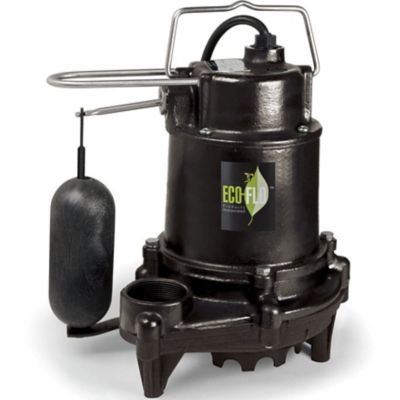
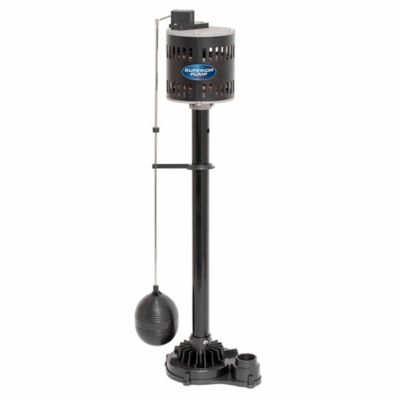
Everyday handling and the layout of the work area make a difference long after a submersible pump is in place. A compact pump can be easier to lower into a narrow collection area, while a broad base helps support a unit in an open basin. Float-switch clearance deserves particular attention in tight spaces. A tethered float needs room to swing without catching on a wall, pipe, or cord; a vertical float follows a more confined path but still needs unobstructed travel. Manual operation may suit an attended tank-draining task, while automatic switching better fits a basin that collects water without someone standing nearby. Continuous-duty ratings matter for circulation or extended pumping, and low-water protection can help prevent operation below the pump’s permitted level. Submersible does not mean a pump can safely run dry, handle every liquid, or remain neglected indefinitely. Mud packed around an intake, mineral buildup, damaged cords, and worn seals can all interfere with operation. Routine care generally includes disconnecting power before inspection, clearing the intake as directed, checking hoses and connections, and keeping electrical plugs and connections protected from water. A lifting handle or manufacturer-approved lifting line supports handling; the power cord is not a lifting rope. Proper grounding, ground-fault protection where required, and installation that follows the manufacturer’s directions and local electrical requirements belong in any setup. A flooded space with possible electrical hazards calls for qualified help before anyone enters the water. For a permanent sump installation, accessible piping, appropriate backflow control, and room for inspection make ongoing upkeep less of a chore. For portable work, manageable weight, a secure handle, and a discharge connection that suits the job help when moving between a tank, basin, and work area. Whether the task is supplying a farmhouse from a well or moving collected water out of the way, a properly matched submersible water pump brings together the right pumping capacity, suitable construction, and controls that fit how the property runs.