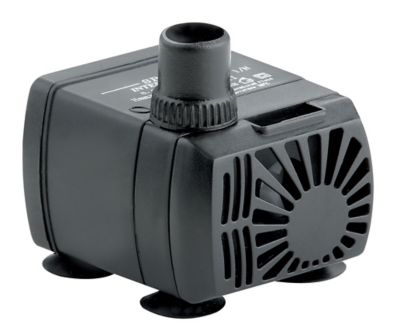
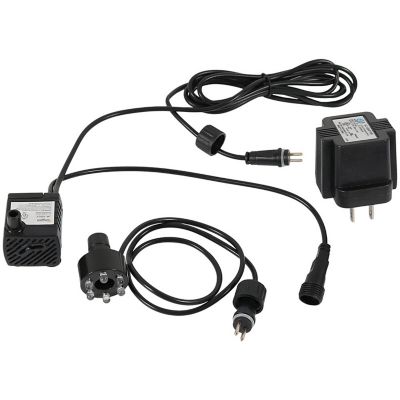
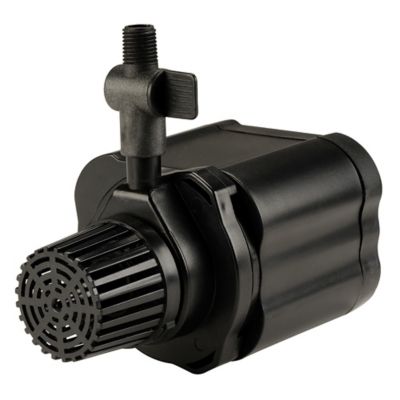
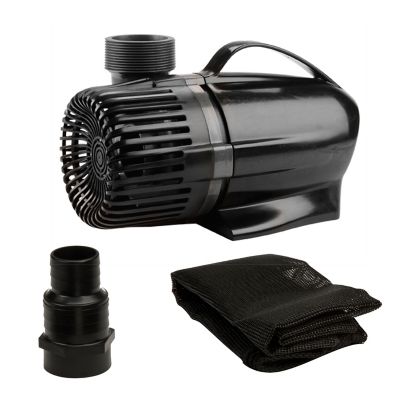
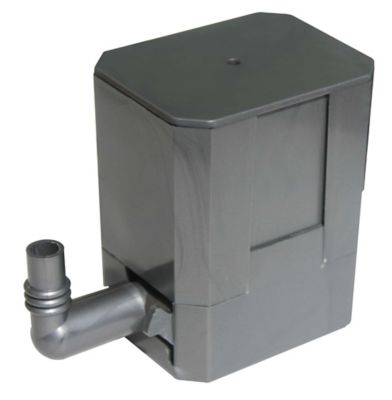
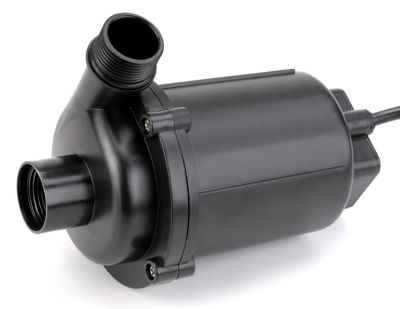
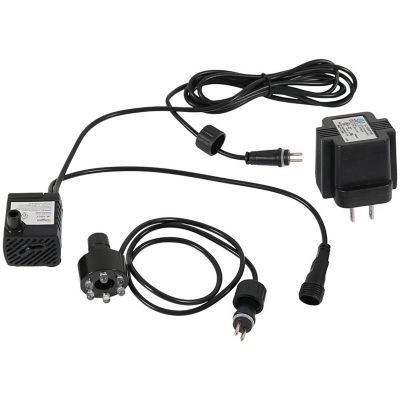
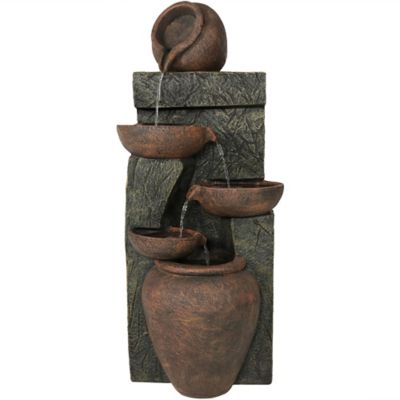
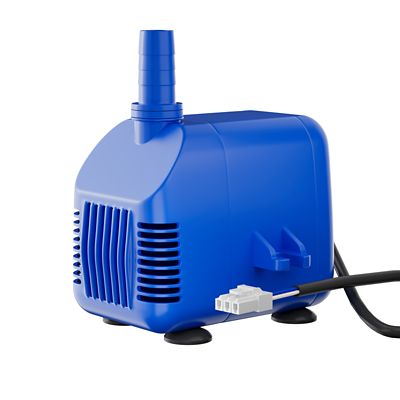
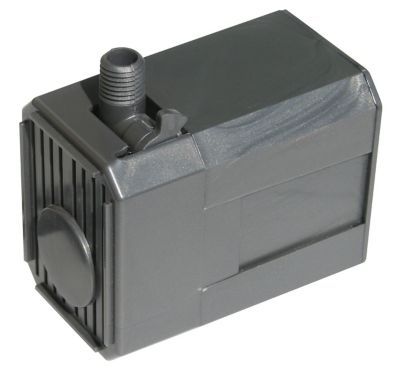
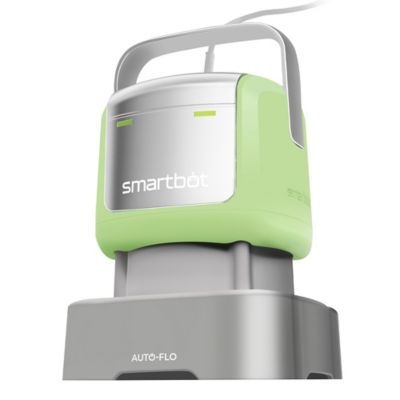
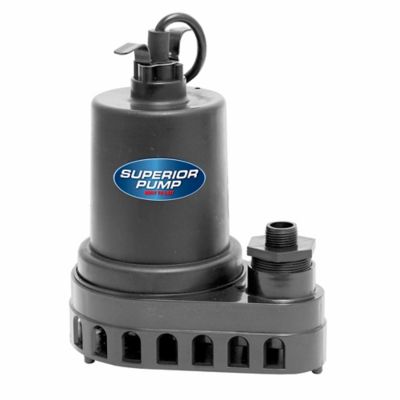
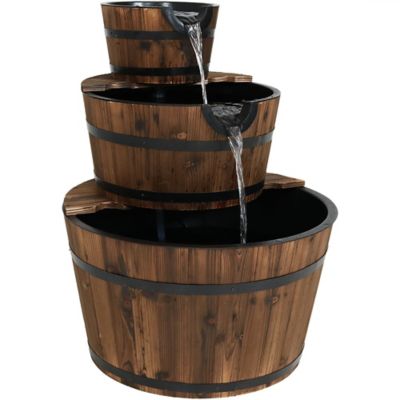
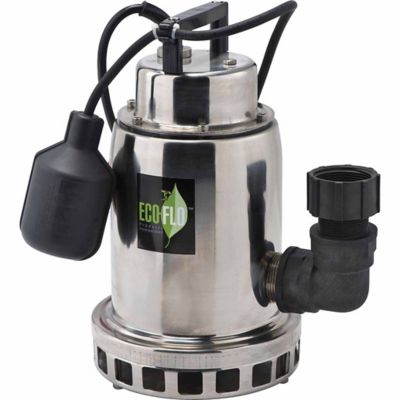
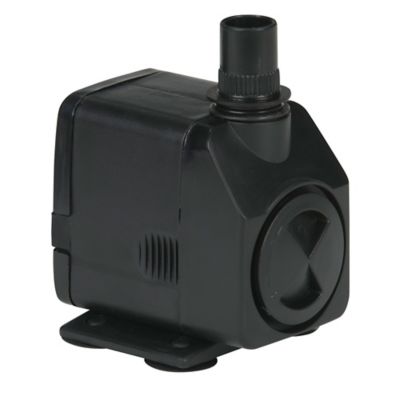
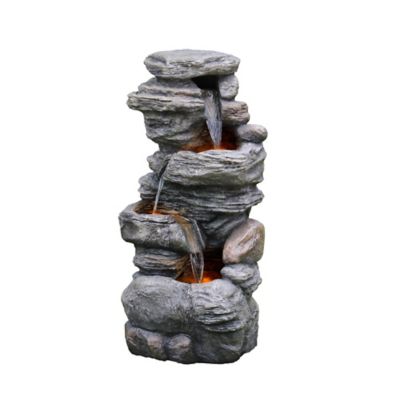
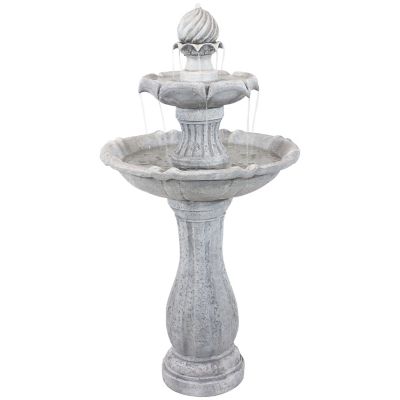
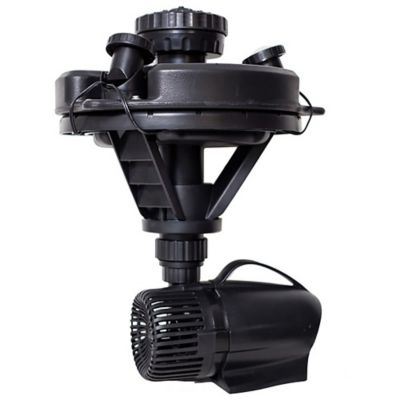
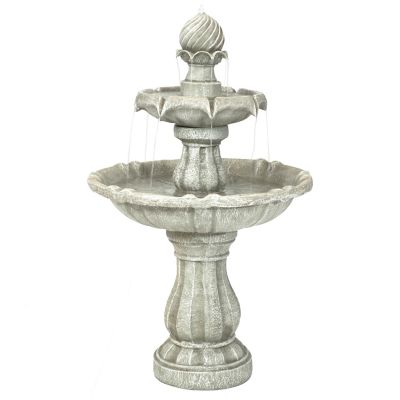
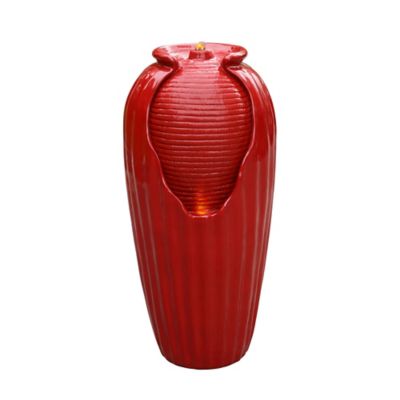
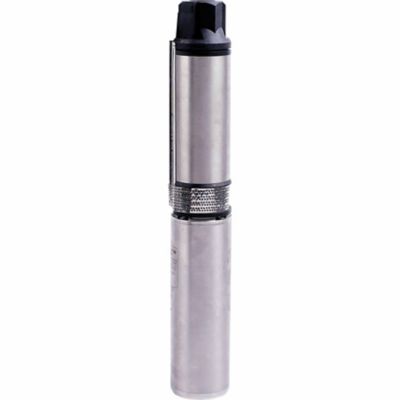
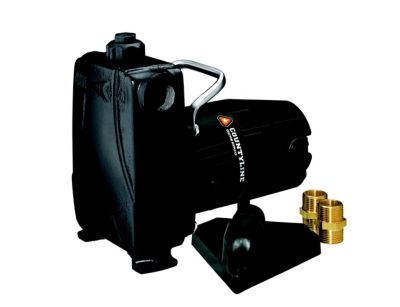
Submersible fountain pumps sit underwater and move water through a fountain nozzle, bubbling feature, small waterfall or decorative stream. They are a handy choice for birdbaths, patio fountains, garden ponds and other water features where a quiet, compact pump can keep water moving without taking up space beside the basin. Because the pump operates below the waterline, it stays out of sight while creating the gentle sound and motion many folks enjoy near a porch, garden path or back patio. Moving water can also help keep a feature from becoming completely stagnant, though it does not replace regular cleaning or proper care for fish and aquatic plants. When shopping for submersible fountain pumps, start with the size and depth of the fountain, the amount of water it holds and the kind of display you want. A small tabletop fountain usually needs only a modest flow rate, while a wider basin or taller spray may need more power. Flow rate is measured in gallons per hour, or GPH, and it tells you how much water the pump can move over time. A lower GPH can create a soft trickle suited to a quiet sitting area, while a higher GPH may be better for a waterfall, larger basin or stronger spray. Matching the pump to the fountain keeps the water from splashing over the sides and helps the feature look natural instead of sending water across the walkway.
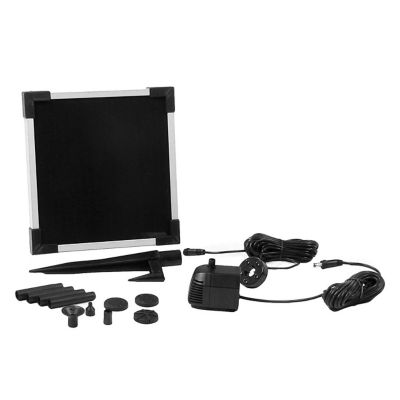
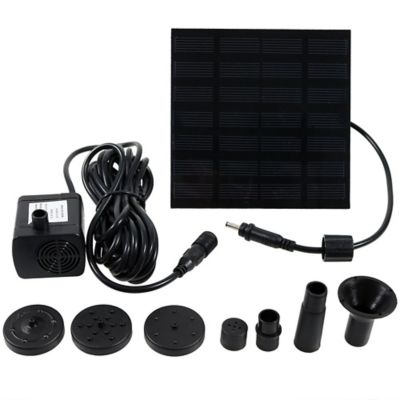
Max head lift is another important detail to check before buying. This rating describes how high the pump can push water vertically, measured from the water level to the outlet, and the pump’s flow usually decreases as that height increases. For example, a pump that moves plenty of water at a low lift may produce a much gentler stream when it has to push water through a tall tube, raised nozzle or waterfall channel. Measure the lift needed for your setup and choose a pump with enough capacity to reach that height while still providing the look you want. Adjustable flow control is useful when the fountain needs fine-tuning, especially in a shallow bowl or a spot where wind can carry spray onto furniture, siding or a walking surface. Also consider the included tubing, nozzle options, cord length and the size of the intake area. Some fountains need a narrow fitting, while others work with broader tubing for a waterfall. A compact pump can fit neatly into a small basin, and larger setups may call for a stronger unit with a more substantial pre-filter screen. Corded electric pumps are a common choice for dependable operation near an outdoor-rated outlet, but the cord and plug should be protected from standing water and connected according to local safety practices. Solar-powered options may suit a sunny garden location, although their output can vary with cloud cover and the amount of available daylight. For a small pond or water garden that needs steady circulation beyond a decorative spray, take a look at
Small Pond Pumps for another useful option.
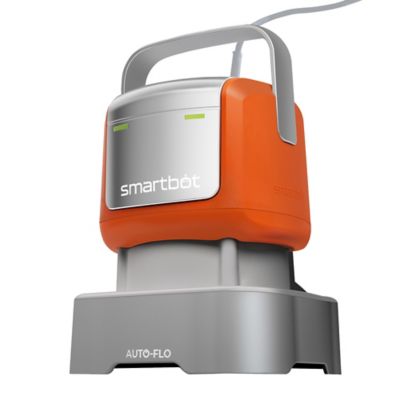
These pumps work well for homeowners adding a little life to a plain stock tank, gardeners building a tucked-away water feature among hostas and stones, and anyone refreshing a porch fountain before guests arrive. They can also make a thoughtful gift for a gardener, bird lover or do-it-yourselfer who enjoys turning a quiet corner of the yard into a place for birds to visit. A pump is especially useful when replacing a worn-out fountain motor, upgrading from a weak stream or building a simple water feature from a basin, liner, tubing and decorative stones. Place the pump on a level surface or on a small stand if the intake needs to sit above silt and sediment, and keep the motor fully submerged whenever it is running. Running a submersible pump dry can overheat or damage the motor, even during a brief drop in water level. Check the basin regularly, since evaporation, splashing and thirsty plants can lower the water faster than expected during warm, breezy weather. Leaves, grass clippings, algae and bits of potting soil can collect around the intake screen, reducing flow and making the motor work harder. Unplug the pump before handling it, then rinse the screen and remove buildup with a soft brush. Avoid harsh cleaners that could leave residue in a birdbath, pond or feature used by animals. A low-water auto shut-off can add protection by turning the pump off when the water level falls, but it is still wise to inspect the feature as part of routine yard care. During the cooler months, remove outdoor pumps before freezing weather settles in, drain the housing and store the pump in a protected place. Ice can damage the pump body, tubing and fountain basin, while a clean, dry setup is easier to put back into service when the weather warms. With the right flow rate, adequate head lift and a little regular maintenance, a submersible fountain pump can keep water dancing over stone, rippling through a garden feature and adding a familiar bit of motion to the landscape.