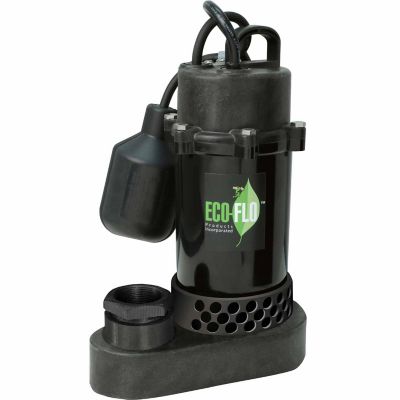
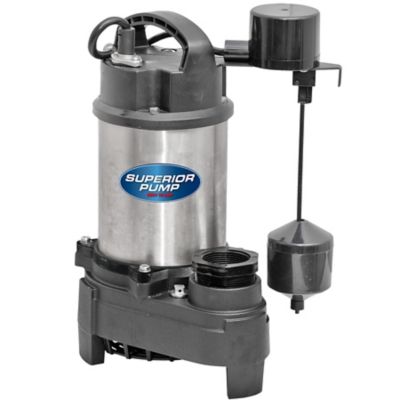
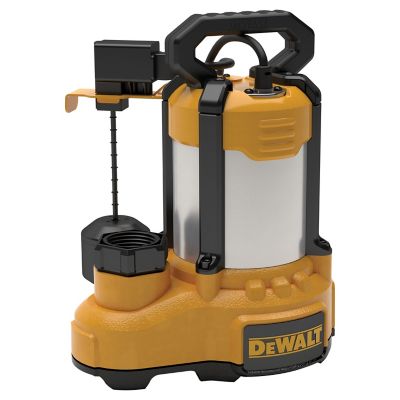
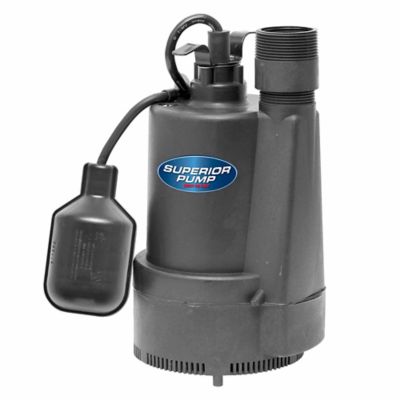
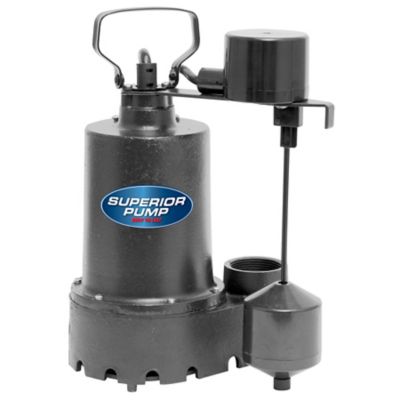
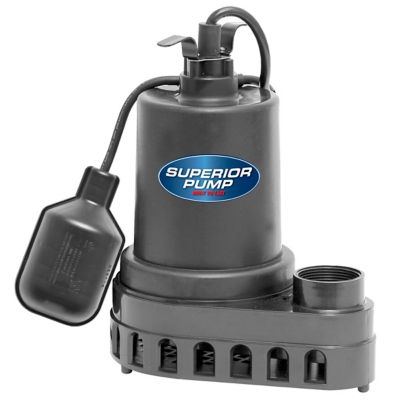
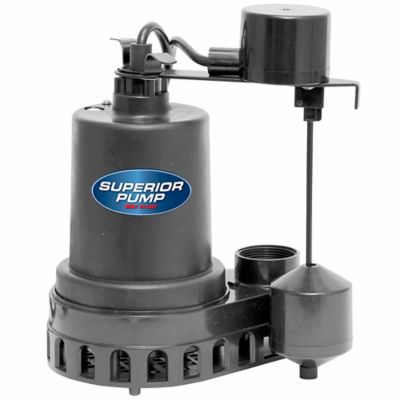
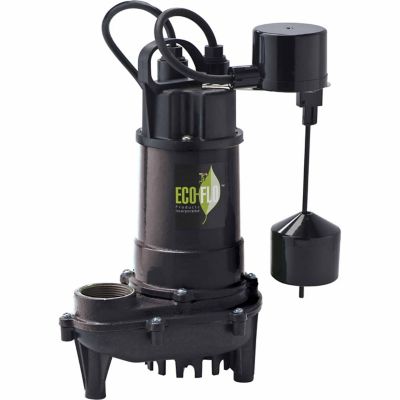
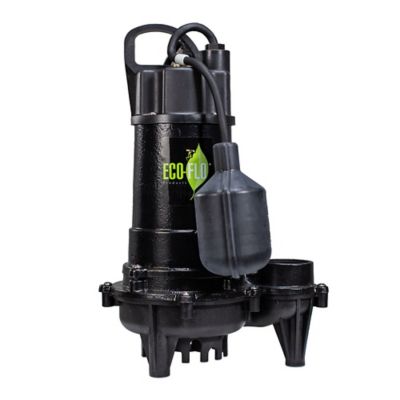
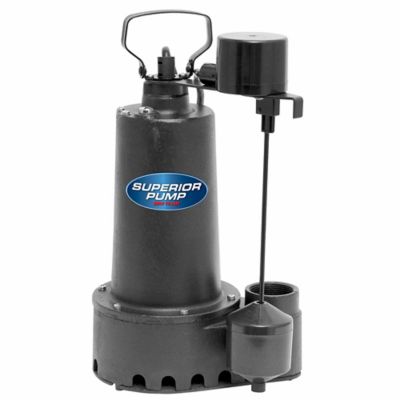
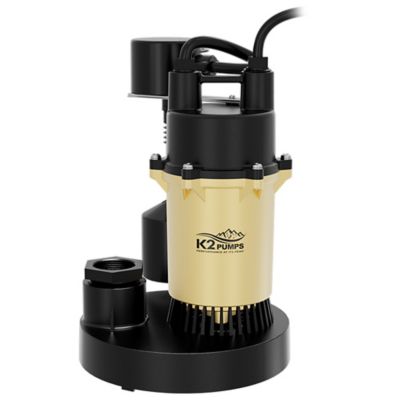
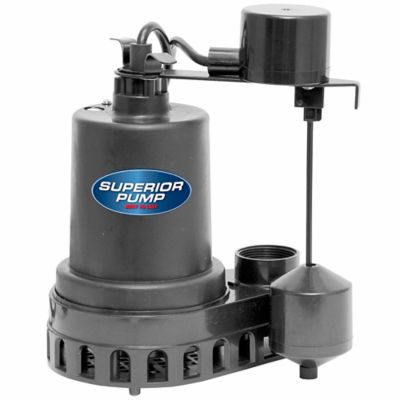
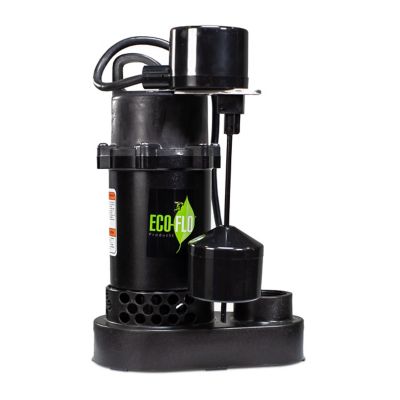
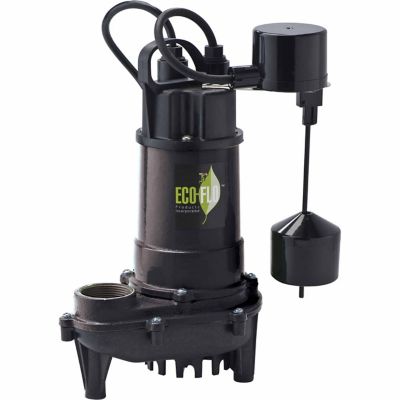
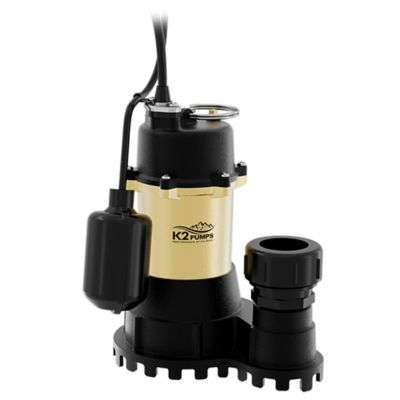
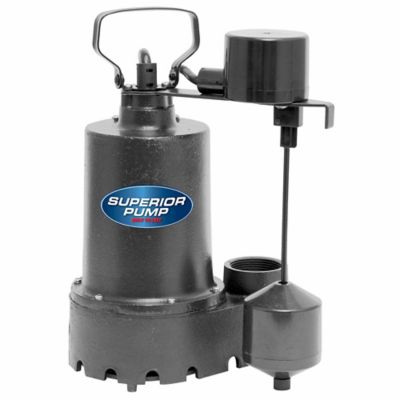
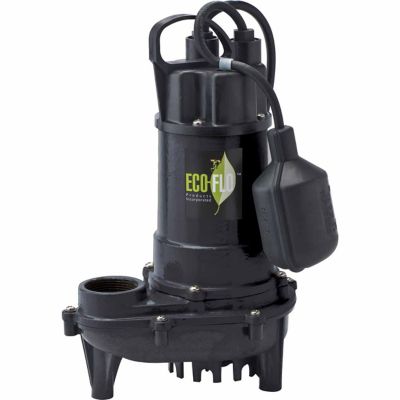
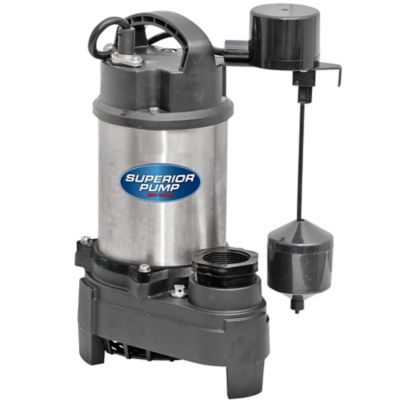
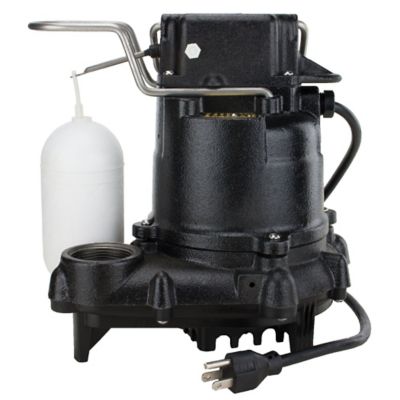
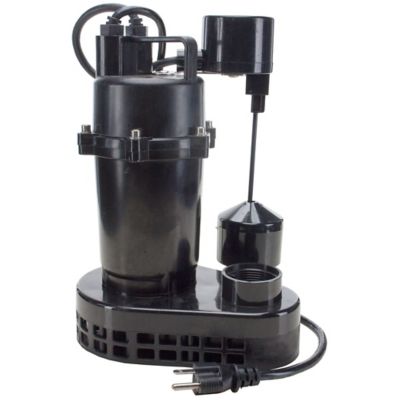
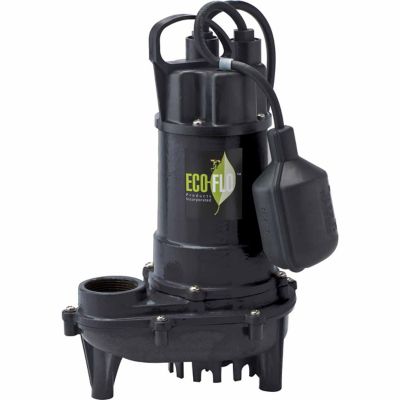
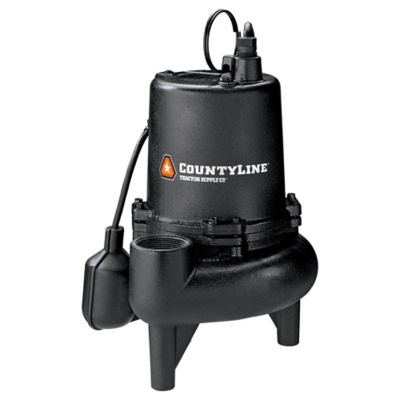
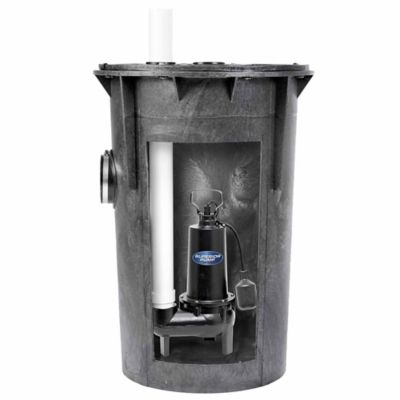
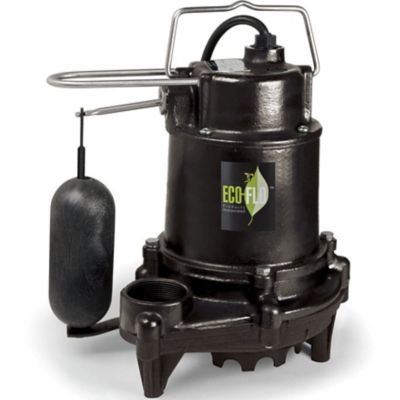
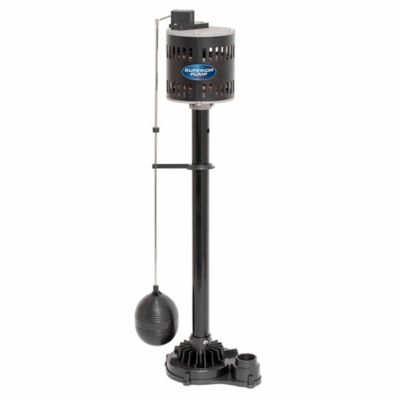
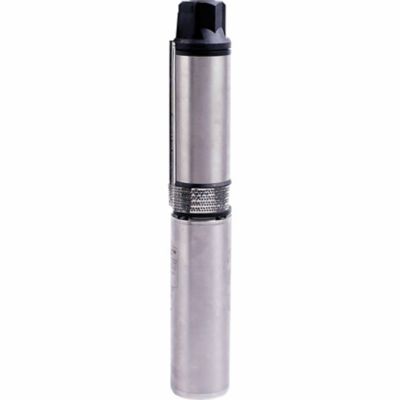
A submersible sump pump sits inside a sump pit and moves collected water through a discharge pipe to an approved outlet away from a building’s foundation. Its sealed motor and pump assembly are built for submerged operation, keeping the working parts down in the basin rather than above it. On automatic models, a float or another water-level control starts the motor when water reaches a set point and stops it after the level drops. Inside the pump, a rotating impeller pushes water toward the discharge outlet and into the piping. Water surrounding the housing helps carry away motor heat, while the below-floor placement can soften operating noise compared with a pedestal-style pump. That makes submersible sump pumps a practical fit for basements, crawl spaces and other below-grade areas with a properly installed collection basin. On a rural property, that might mean protecting the basement beneath a farmhouse or helping manage groundwater beneath a workshop where tools and supplies need to stay off a wet floor. These pumps handle water that reaches the basin; they do not seal foundation cracks or replace proper drainage around the building. Pumping capacity is usually listed in gallons per hour or gallons per minute, but that number matters most when it matches the actual discharge setup. A pump moves less water as the required lift increases, and pipe length, elbows and other fittings add resistance. The performance chart shows how flow changes at different head heights, giving a better picture than horsepower alone. A short lift from a shallow basin calls for different performance than a discharge route that climbs well above the basement floor. The right match balances incoming water, discharge requirements and basin size. A larger motor is not automatically the better choice, especially where a small basin could cause frequent starts and stops. Clear specifications for flow, lift and permitted solids size help separate a suitable sump pump from equipment meant for a different job.
Housing materials, switch design and physical dimensions all affect how a submersible sump pump fits into daily service. Cast iron brings weight and a sturdy feel, which can help the pump stay settled in its intended position. Stainless steel offers corrosion resistance, while thermoplastic housings are lighter and do not rust. Each material has its own handling and maintenance considerations, and the housing alone does not tell the whole story about service life. Motor protection, shaft seals, bearings and the conditions inside the basin matter, too. Sand, grit and other abrasive material can wear working parts, so a pump’s stated limits deserve attention when the collected water carries sediment. Sump pumps are generally intended for groundwater and similar drainage water, not sewage, stringy waste or large debris. Fit involves more than finding enough floor space for the pump body. The basin must also allow the control to move or sense water without interference. A tethered float swings outward as water rises, so it needs clearance from the basin wall, discharge pipe and other equipment. A vertical float travels along a guide and may fit a narrower basin, though minimum dimensions still depend on the pump. Electronic controls have their own placement requirements and should be matched to the conditions described by the manufacturer. Discharge outlet size, connection type, cord length and electrical requirements are also part of a sensible fit. A properly matched check valve helps keep water in the discharge line from flowing back into the basin after the motor stops, reducing unnecessary repeat cycles. Pipe supports can limit vibration and keep strain off the pump connection. Basin covers should leave room for piping and cords without pinching them or blocking the switch. For a permanent installation, the electrical supply and drainage route need to meet the pump’s instructions and local requirements. A cord that reaches the proper receptacle without stretching is a better fit than a setup that depends on an extension cord.
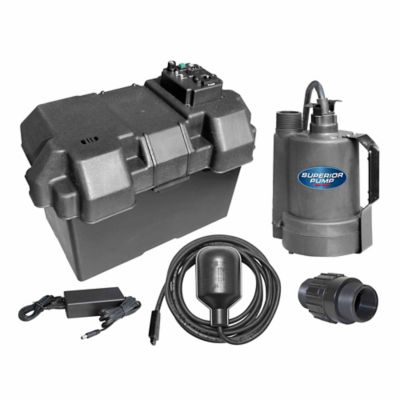
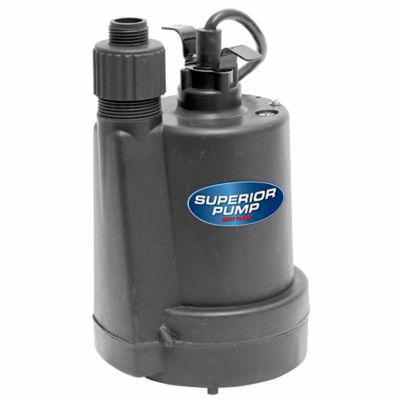
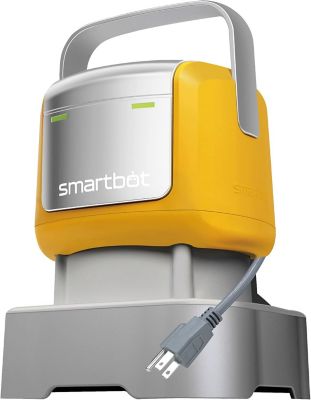
Ongoing care is mostly about keeping the basin, intake and water-level control clear enough for the pump to do its job. Loose gravel, scraps and sludge can collect at the bottom of a pit, while buildup around a float can interfere with automatic operation. A stable base keeps the intake positioned as the manufacturer specifies rather than buried in debris. Periodic checks can confirm that rising water starts the pump, water leaves through the discharge line and the motor shuts off at the intended level. Power must be disconnected before handling the pump or reaching into the basin, and the discharge piping should be checked for restrictions whenever operation changes. A lifting handle, where provided, is there for moving the unit; the power cord is not a carrying strap. Pumps with thermal overload protection can stop the motor if it becomes too hot, but that feature does not make dry running or a blocked intake acceptable. Minimum water levels and duty ratings still matter, particularly where the pump runs for extended stretches. For buildings where an interrupted pump could leave a basement floor under water, backup planning is another part of the purchase. A battery-powered backup pump can provide a separate pumping path during a power outage when its battery, charger and installation are properly maintained. Backup capacity and runtime depend on the system, and a second electric pump connected to the same power source does not solve a loss of power. Water alarms can add notice when the basin rises above its normal range, giving property owners another way to keep tabs on a tucked-away installation. For temporary water removal rather than a permanent sump-basin setup,
Submersible Utility Pumps are a related category, with operating controls, discharge connections and minimum water depths that may differ from sump equipment. Keeping that distinction in mind helps match the pump to the job, whether the priority is automatic groundwater removal beneath a home or moving standing water from a separate work area.