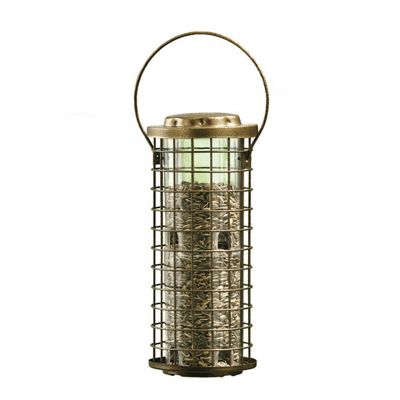
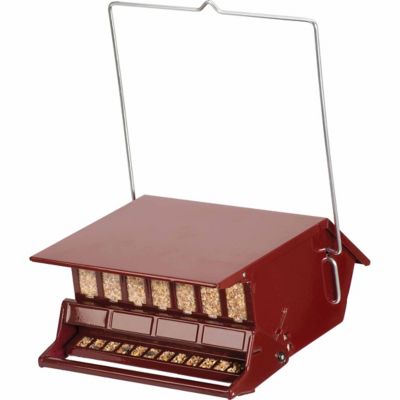
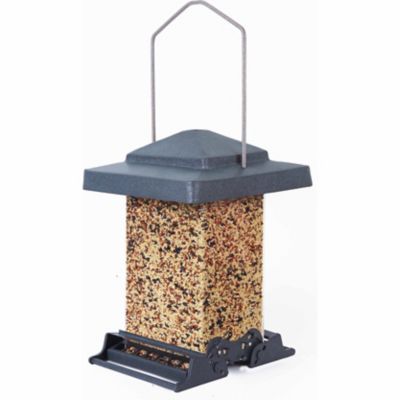
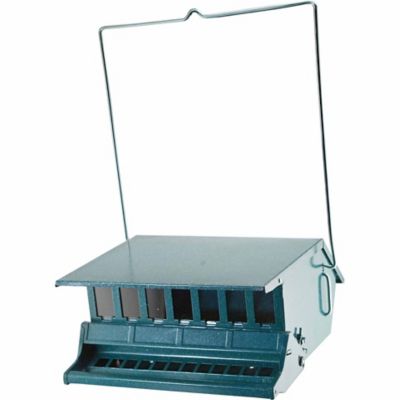
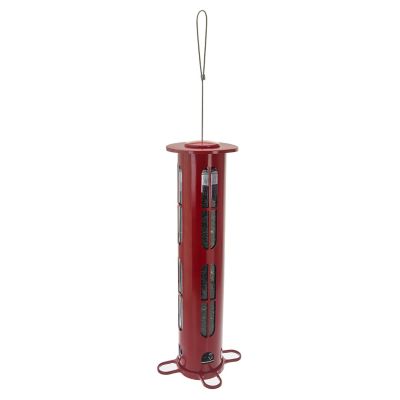
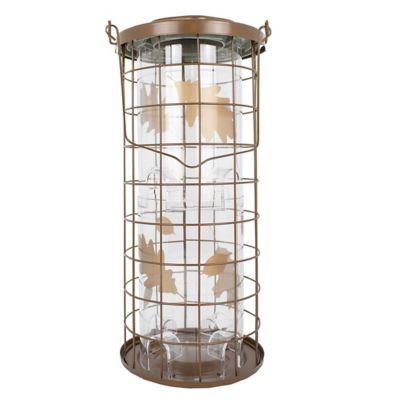
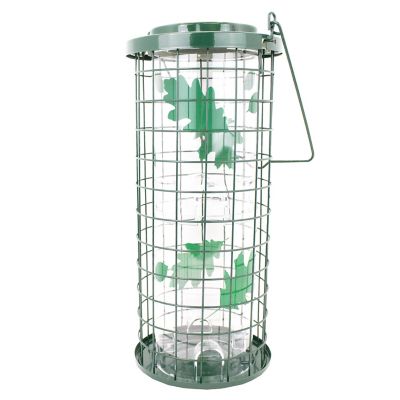
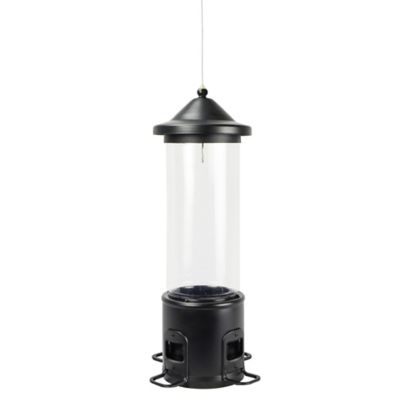
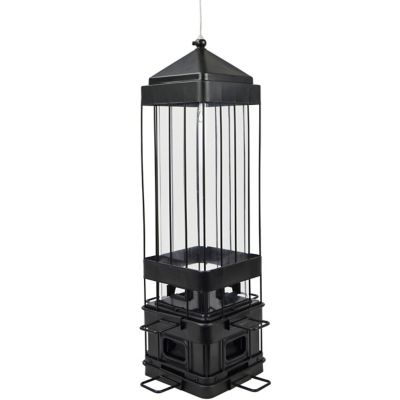
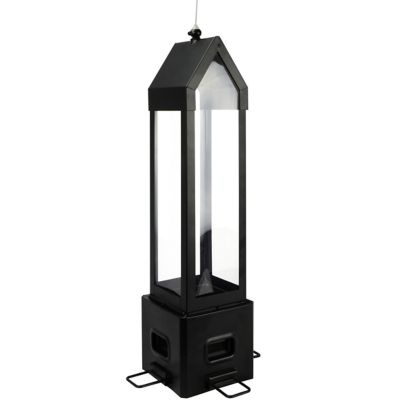
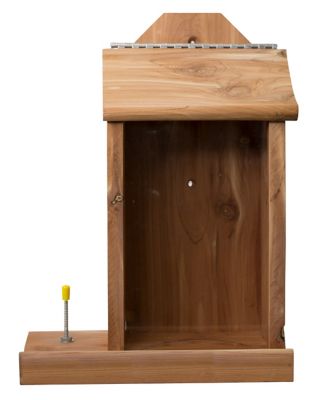
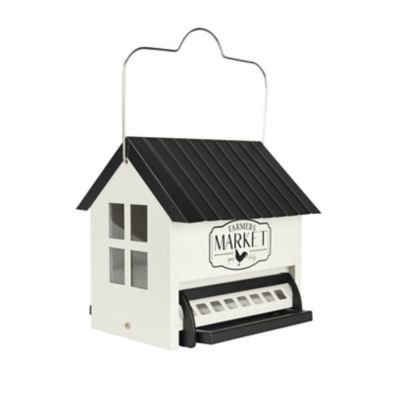
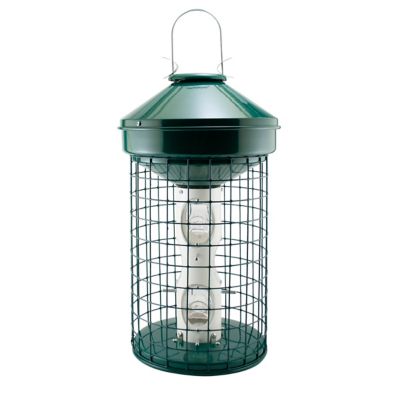
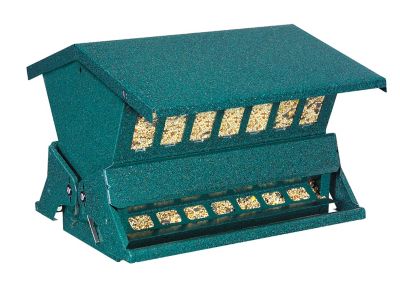
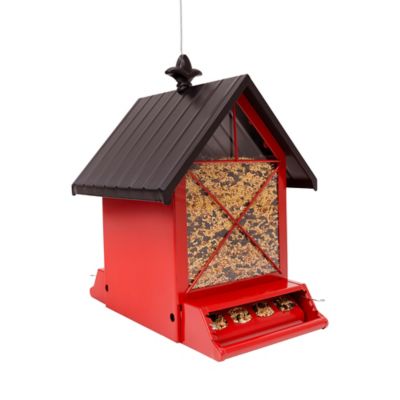
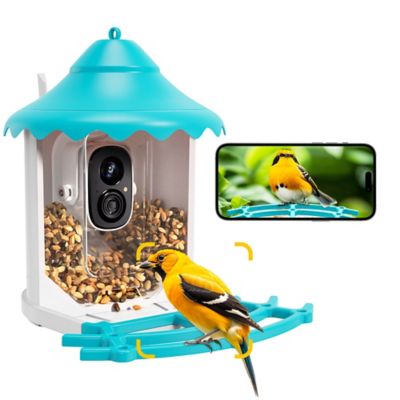
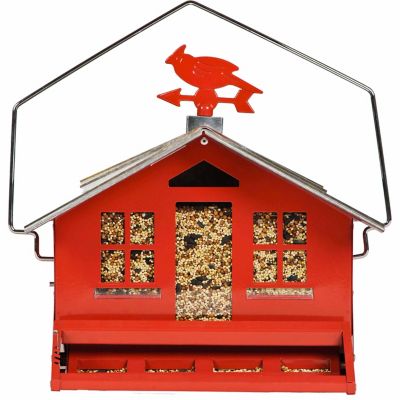
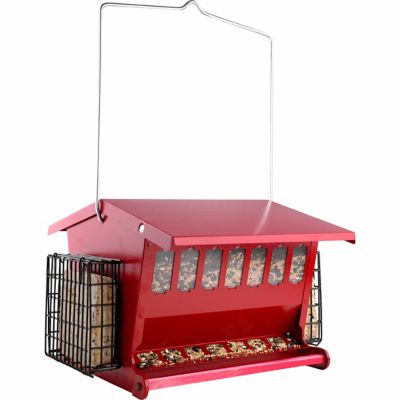
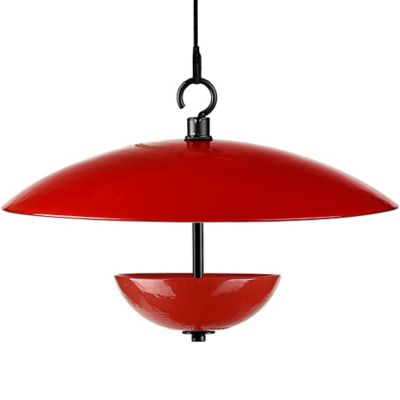
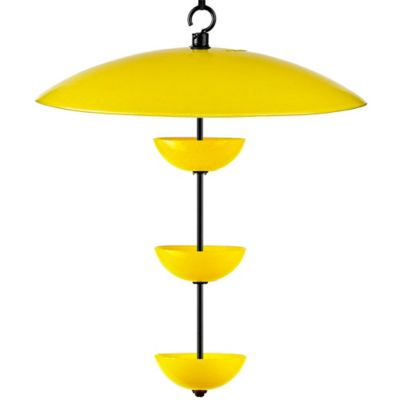
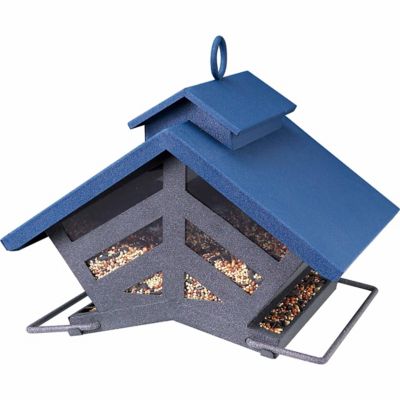
A squirrel bird feeder can make backyard birdwatching a whole lot more enjoyable by giving songbirds a better chance to reach the seed you put out for them. Squirrels are clever, determined climbers, and they can empty an ordinary feeder in short order, chew through some materials, or knock seed onto the ground as they scramble around. The right squirrel-resistant design helps direct food toward smaller birds while reducing access for heavier animals. Weight-activated feeders use a perch mechanism that closes the seed ports or lowers a protective cover when a heavier animal steps aboard. Caged feeders surround the seed tube and feeding ports with sturdy wire, allowing small birds to slip through while keeping larger pests at a distance. Spinning or balanced feeders use movement to discourage squirrels from settling in. Each design works a little differently, so consider the birds in your yard, the size and persistence of the squirrels nearby, and how often you want to refill and clean the feeder. A model with a wide opening may be convenient to fill, while a tube-style design can help keep seed protected from rain. Metal parts, chew-resistant construction, secure perches, and a roof that sheds water are useful features for a busy feeder station. A clear seed tube makes it easy to see when supplies are running low, and removable parts can make routine cleaning less of a chore. For a broader look at feeder styles and setup ideas, visit
Best Bird Feeder.
Placement matters just as much as the feeder itself. Squirrels can launch from a nearby branch, fence, roofline, deck railing, or shed, so hang a squirrel bird feeder roughly 8 to 10 feet away from those jumping-off points whenever your yard allows. If the feeder is mounted on a pole, choose a smooth metal pole and add a properly sized baffle several feet above the ground, commonly around 4 to 5 feet high, to make climbing more difficult. Keep the pole away from low branches and other structures that provide a shortcut. A wraparound, cone-shaped, or cylindrical baffle can help, but it works best when the entire setup is positioned with squirrel travel routes in mind. Feeders should also be placed where you can see them from a window without putting birds in an exposed spot. A location near natural cover, such as shrubs or brush, gives songbirds somewhere to retreat, but leave enough space between the feeder and thick cover to reduce surprise attacks from cats. During the warmer part of the year, check seed regularly for dampness, clumping, mold, and insects. As the weather turns cooler, birds may visit more often and go through seed faster, especially when natural food becomes harder to find. Clean the feeder on a regular schedule, brush away old hulls, and let all parts dry before refilling. Safflower seed is often less appealing to squirrels than many common mixes, while sunflower chips and other high-energy foods can attract a wide variety of backyard birds. Avoid adding anything that could harm wildlife, and follow the feeder and seed manufacturer’s care instructions. A squirrel-resistant feeder does not have to eliminate every squirrel from the yard; it simply helps limit waste and gives smaller birds a fairer share of the food.
These feeders suit anyone who enjoys a little more life around the porch, garden, pasture edge, or kitchen window. They make a thoughtful gift for a neighbor settling into a new home, a grandparent who likes watching wildlife, a gardener who welcomes birds among the plants, or a family looking for an easy outdoor activity. Pairing a feeder with a bag of appropriate seed, a hanging hook, a pole, or a baffle can help the recipient get started without having to gather every part separately. They are also handy for experienced birdwatchers who want to improve an existing feeding station or reduce the amount of seed lost to persistent squirrels. Expect some trial and error as local birds learn a new feeder and squirrels test its weak spots. Moving the feeder a few feet, adjusting the height, changing the seed, or adding a baffle can make a noticeable difference. Keep an eye on the surrounding ground, since spilled seed can attract squirrels, raccoons, and larger nuisance animals even when the feeder itself is well protected. A catch tray may help reduce mess, though it should be emptied and cleaned along with the rest of the station. With steady upkeep and thoughtful placement, a squirrel bird feeder can turn an ordinary view into a lively one: finches and chickadees moving in quick flashes, cardinals stopping for a bright splash of color, and woodpeckers clinging to the side while leaves rustle overhead. During the cooler months, that dependable spot can offer birds an extra source of energy and give folks a simple reason to slow down, look outside, and enjoy the wildlife close to home.