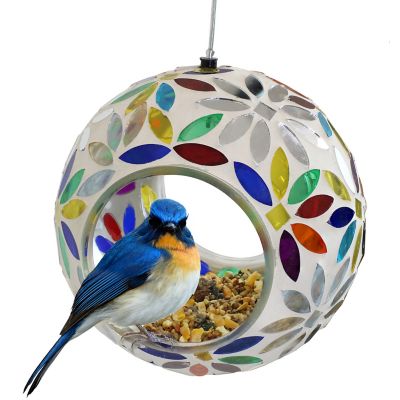
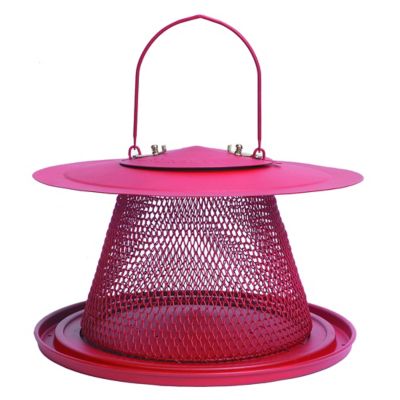
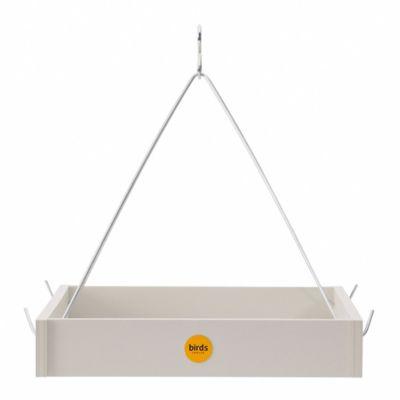
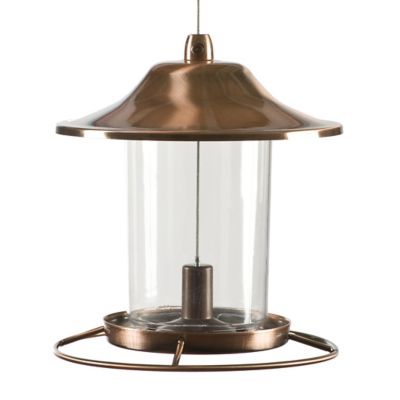
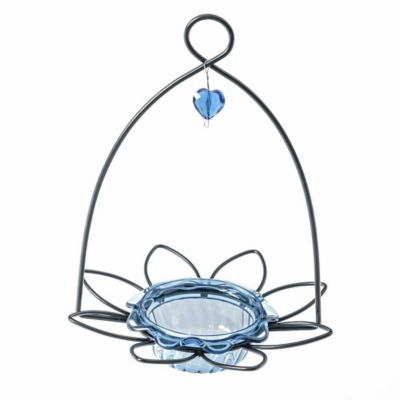
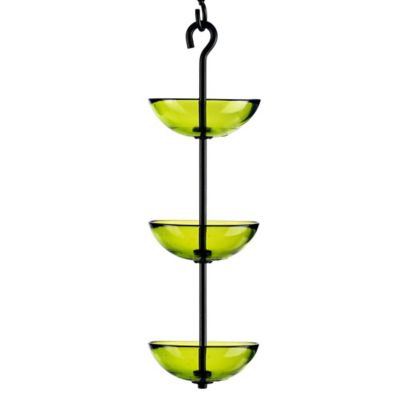
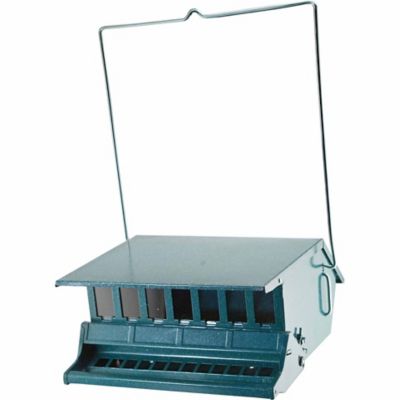
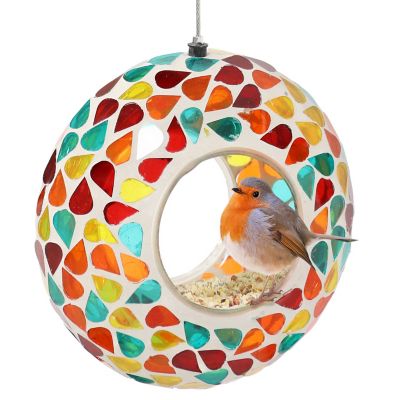
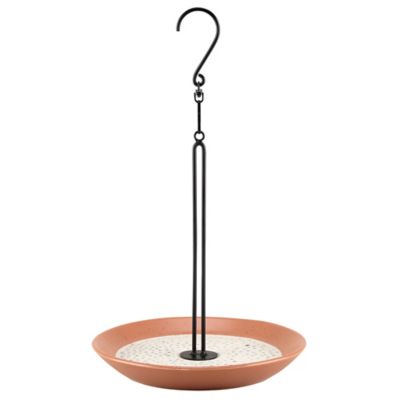
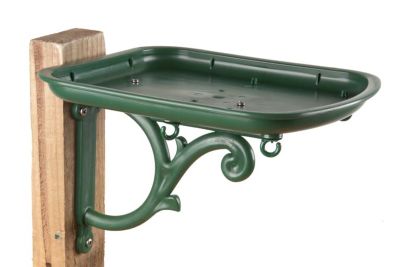
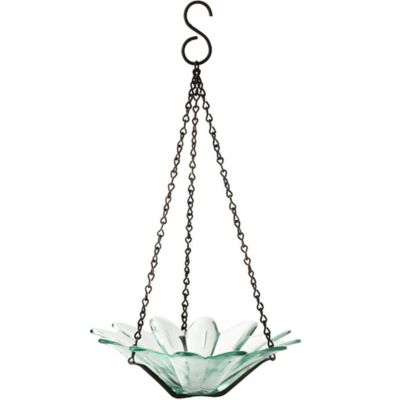
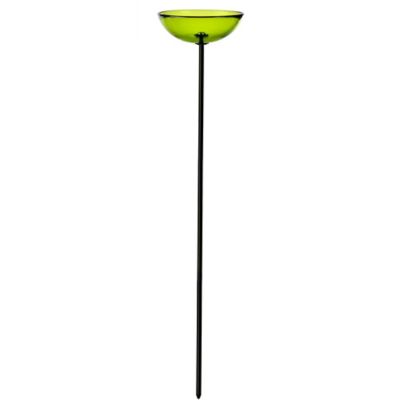
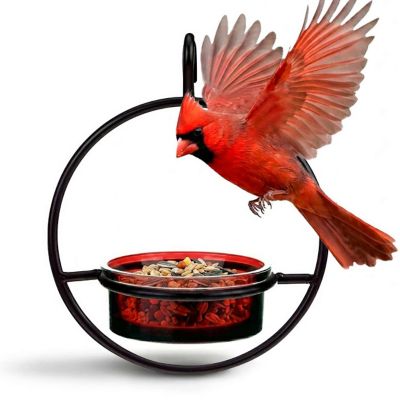
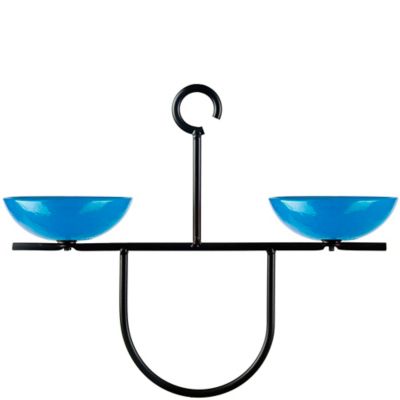
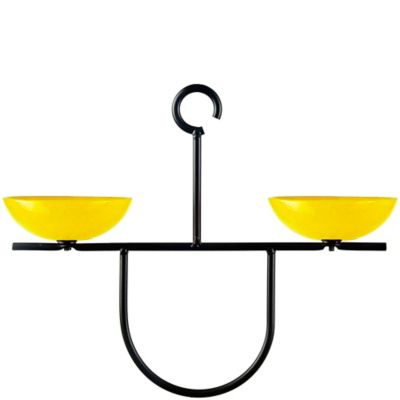
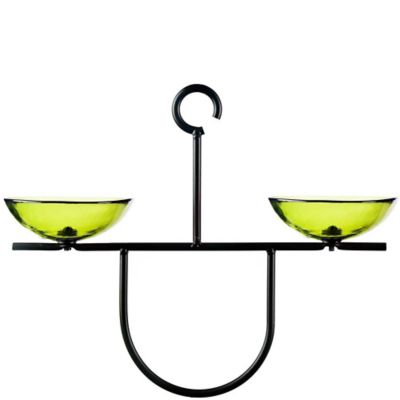
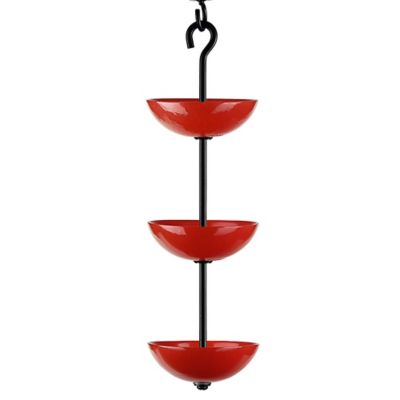
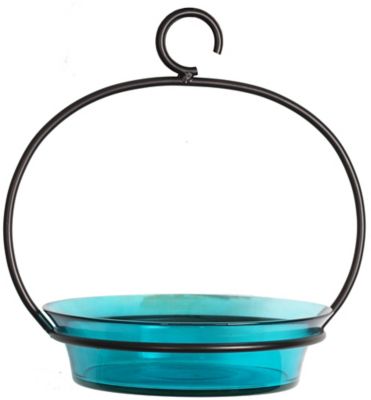
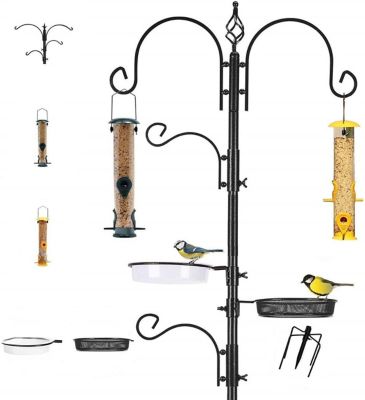
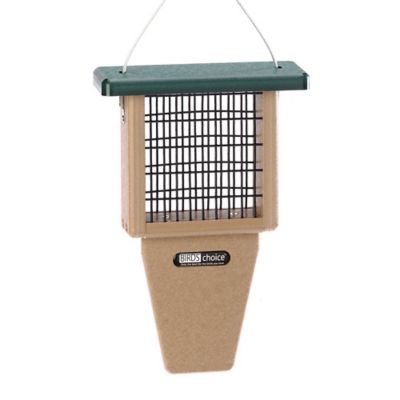
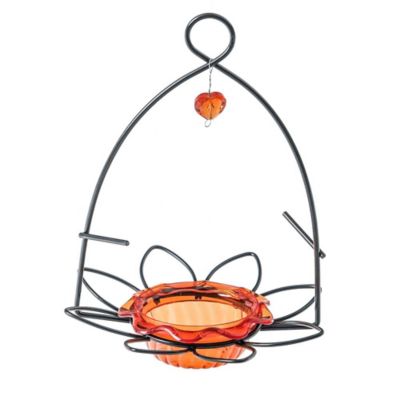
Garden bird feeders bring the small happenings of the yard into plain view, from a chickadee grabbing one sunflower seed to a cardinal settling onto a roomy perch. The best match comes down to the birds that visit your area, the food you want to offer, and the space you have for a feeding station. Tube feeders hold seed in an upright chamber with feeding ports along the sides, giving finches, chickadees, and titmice places to perch without needing a broad landing surface. Port size matters: tiny nyjer seed needs openings that keep it from spilling freely, while sunflower seed needs enough clearance to move through without getting stuck. Hopper feeders store seed above a feeding tray and release more as birds eat, making them a practical choice for a shared backyard feeding spot. Broad ledges give cardinals and other birds more room to stand. Platform and tray feeders offer an open feeding surface with a clear view of approaching visitors, and low platforms may appeal to doves and ground-feeding sparrows. Their open layout also makes leftover hulls and scattered food easy to see. Suet feeders take a different approach, holding cakes in a cage or similar holder that woodpeckers and nuthatches can cling to while feeding. A tail prop adds support for woodpeckers that brace themselves as they eat. Nectar feeders serve hummingbirds rather than seed-eating birds, with feeding ports connected to a liquid reservoir. Red accents can help draw attention without adding dye to the nectar. Each style has its place around a garden, and more than one feeder type can accommodate different feeding habits. A modest tube feeder beside a separate suet holder, for example, gives seed eaters and clinging birds their own spots. Visits still depend on local bird populations, nearby habitat, and food preferences, so a feeder that suits the birds already passing through is a sensible starting point.
Materials and construction make a difference in how a garden bird feeder holds up to daily activity and how much effort goes into keeping it clean. Metal feeding ports and reinforced edges can stand up to pecking and help limit chewing damage, while clear plastic seed chambers make it easy to check the fill level from the porch. Glass nectar reservoirs offer a clear view of the contents, though their weight and breakability deserve consideration when choosing a hanging location. Wood brings a familiar, natural look to a garden setting, but rough surfaces and deep joints can take more work to scrub than smooth, accessible parts. Recycled plastic bodies offer another option, with surfaces that do not absorb moisture like unfinished wood. Across materials, look for snug connections, secure lids, smooth edges, and hanging hardware suited to the feeder’s filled weight. A large seed chamber may stretch the time between refills, but capacity should match the number of birds visiting rather than simply the amount of seed it can hold. For a quiet yard, smaller portions help keep food from sitting too long. Drainage openings in trays let moisture escape, and feeding areas without deep corners make debris easier to remove. Lift-off tops, removable bases, and parts that separate without a struggle are especially helpful when regular cleaning rolls around. Seed feeders generally need cleaning at least every two weeks, with more frequent attention when buildup appears or bird traffic is heavy. Empty old food rather than topping it off indefinitely, follow the feeder maker’s cleaning directions, rinse thoroughly, and let parts dry before refilling. Nectar feeders need more frequent care; the reservoir and feeding ports should be cleaned every few days, sooner if the liquid becomes cloudy or residue appears. Wide openings and brush-accessible ports make that job less of a chore. Checking fasteners, perches, and hanging loops during cleaning also helps catch loose or worn parts before they cause trouble. A feeder that comes apart easily is often a better everyday fit than one with lots of hard-to-reach details.
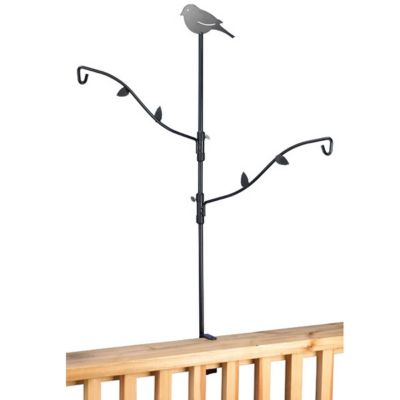
The right mounting setup helps a feeder fit into the way your yard works. Hanging feeders can attach to a suitable garden hook or sturdy branch, while pole-mounted feeders give you more say over the feeding station’s location. Check whether a feeder needs a particular bracket, threaded fitting, or mounting plate, and account for the weight of both the feeder and its contents. A spot visible from a kitchen window or porch chair makes birdwatching part of an ordinary day, but easy access for refilling matters just as much. Carrying seed across a flower bed or reaching above shoulder height gets tiresome fast. Leave enough room to open the lid, lift the feeder off its hanger, and clean beneath it without trampling plants. Nearby trees and shrubs give birds places to pause and retreat, while some open space around the feeder helps them spot approaching trouble. Avoid locations where outdoor cats can hide directly beneath the feeding area, and consider exterior window markings where reflections could lead to collisions. Squirrels call for another look at placement. A baffle on a properly positioned pole can block climbing access, while weight-activated feeders can close feeding ports under a heavier visitor. Neither approach works as well when a fence, branch, or railing offers an easy route around the barrier, and squirrel resistance does not mean every determined visitor will stay away. For a tidy feeding corner, removable catch trays can help contain hulls, though they need cleaning along with the feeder. Native plantings nearby add natural seeds, berries, insects, and shelter beyond what any feeding station provides. Appearance can matter, too, especially beside a favorite sitting spot;
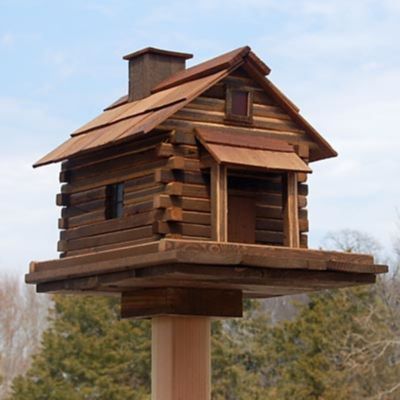
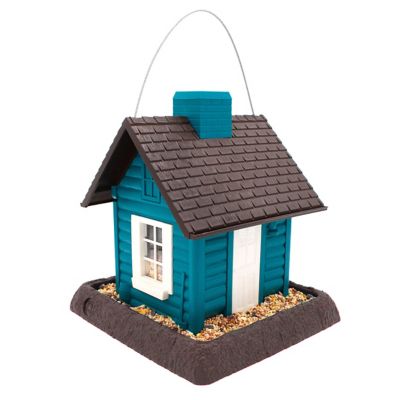
bird feeders with extra character can bring a playful touch while still offering useful feeding space. Garden bird feeders also make thoughtful gifts for birdwatchers, gardeners, and folks who enjoy watching the yard with a cup of coffee. A manageable size, straightforward refill opening, and mounting style that fits the recipient’s space help make that gift a welcome part of the daily routine.