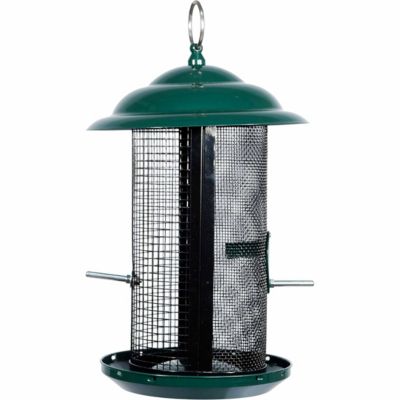
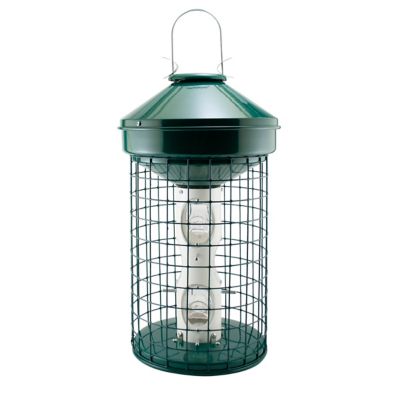
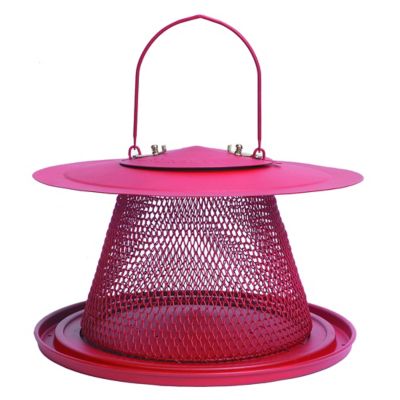
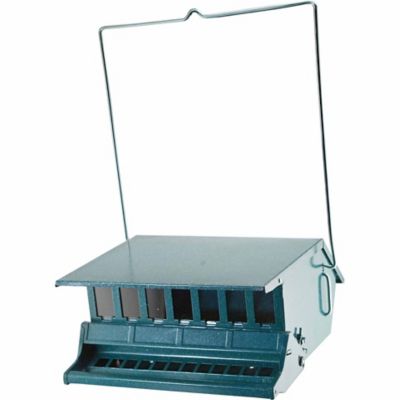
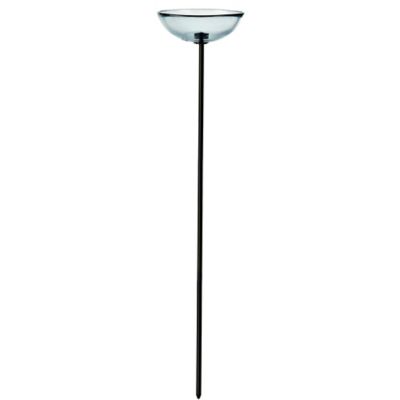
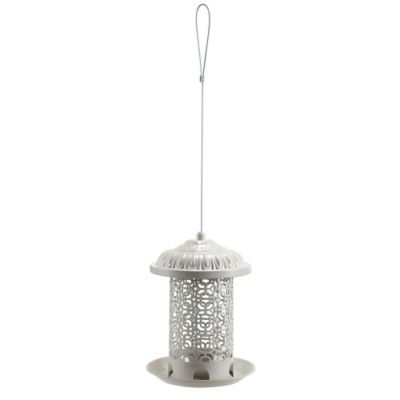
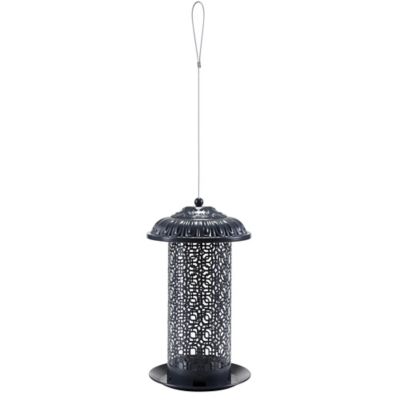
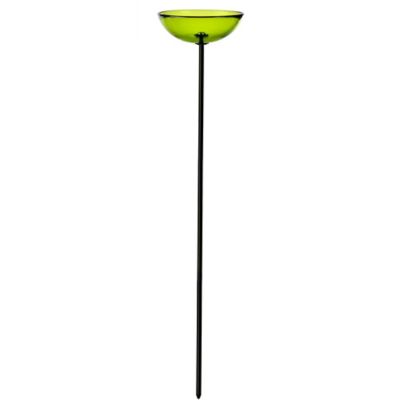
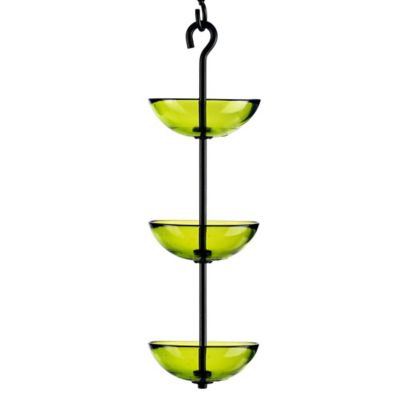
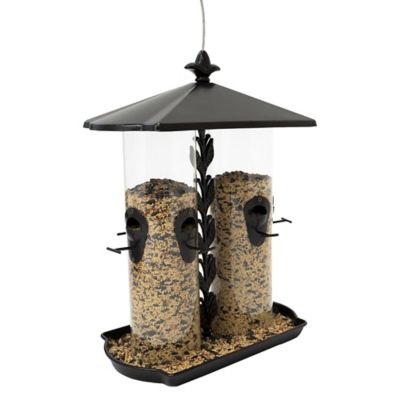
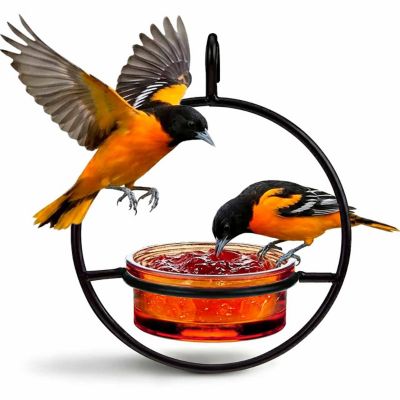
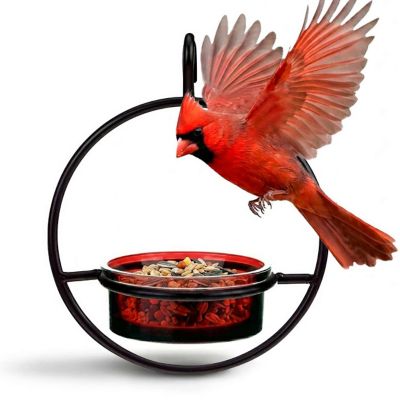
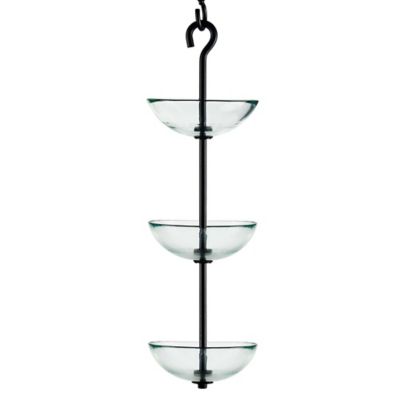
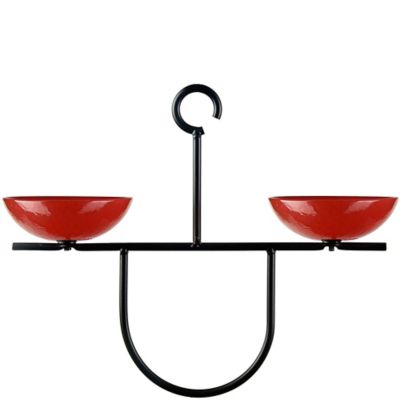
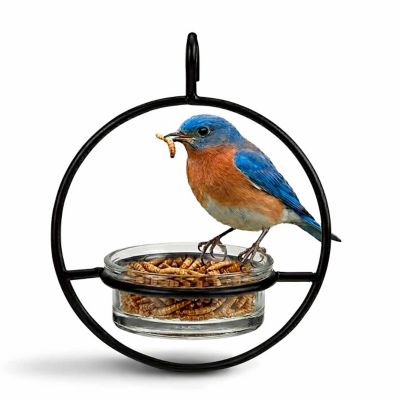
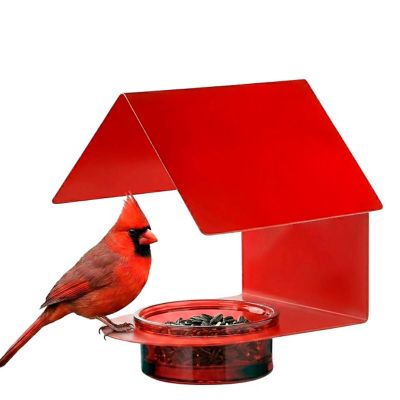
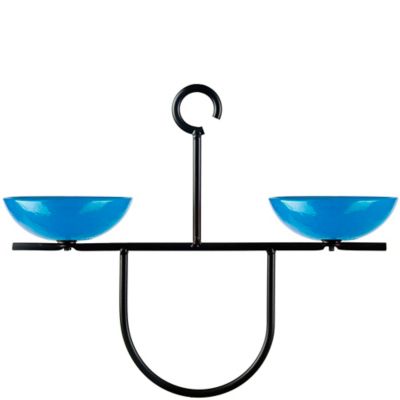
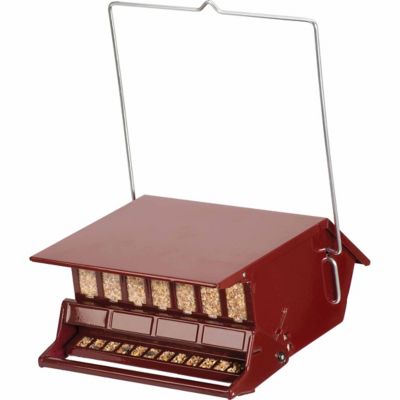
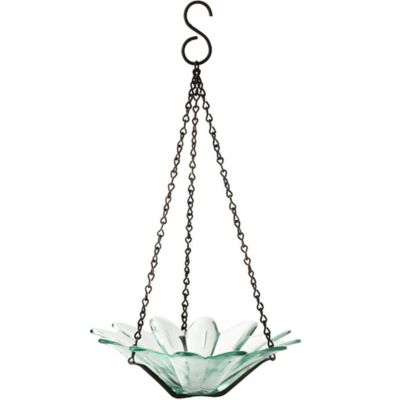
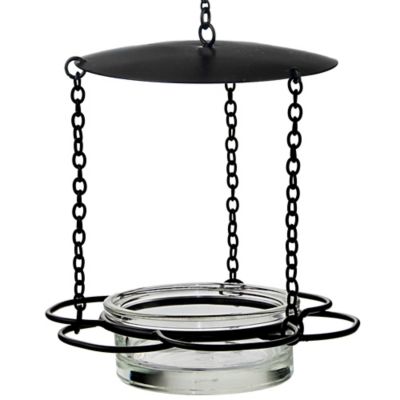
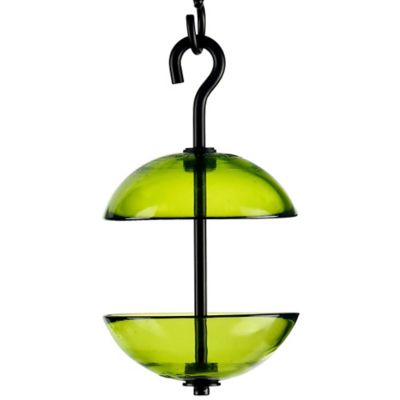
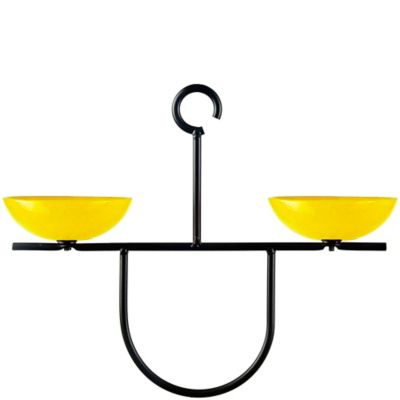
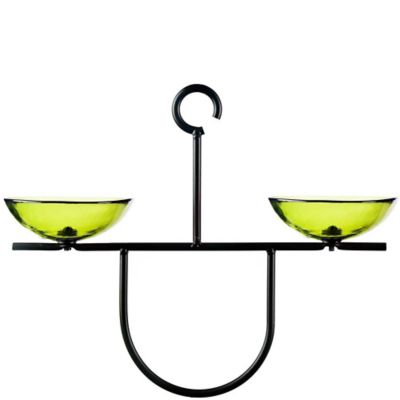
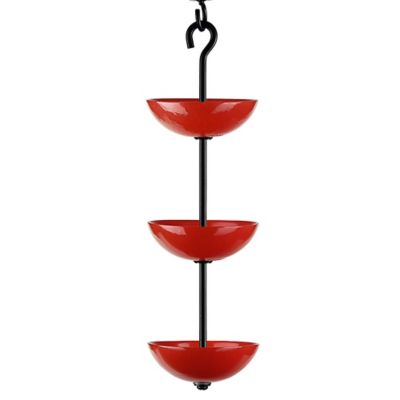
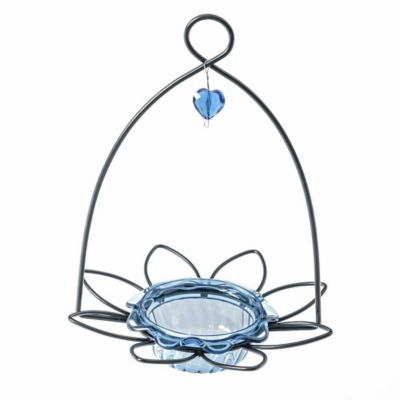
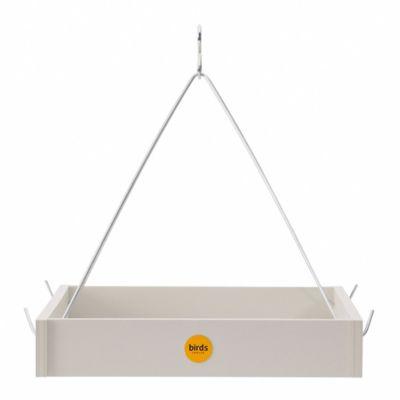
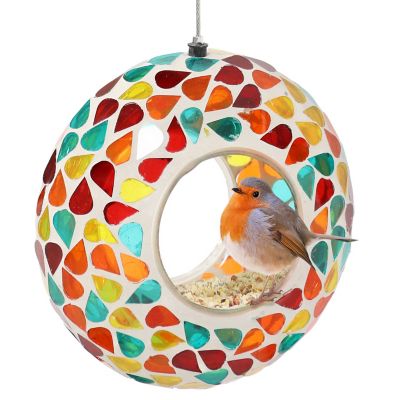
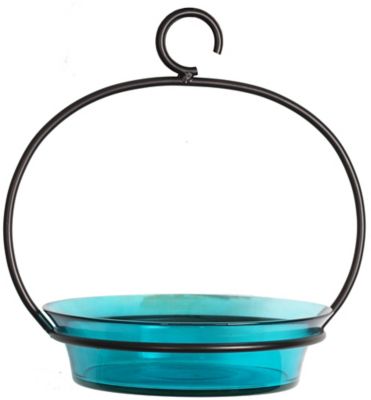
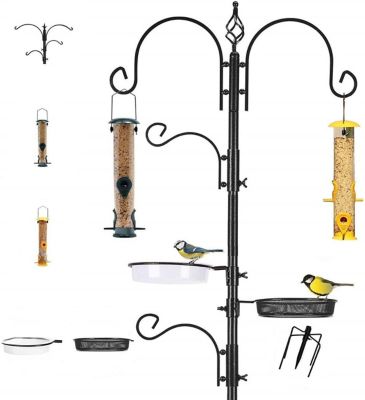
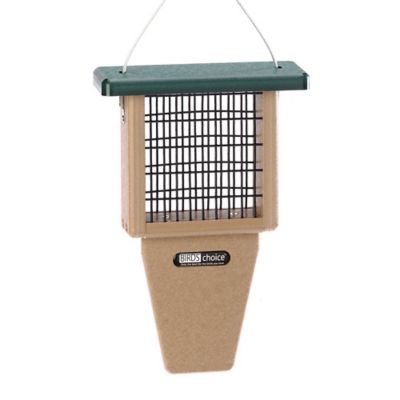
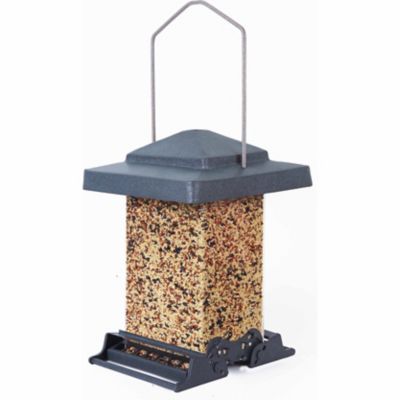
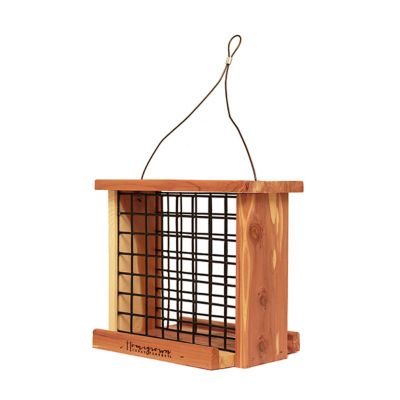
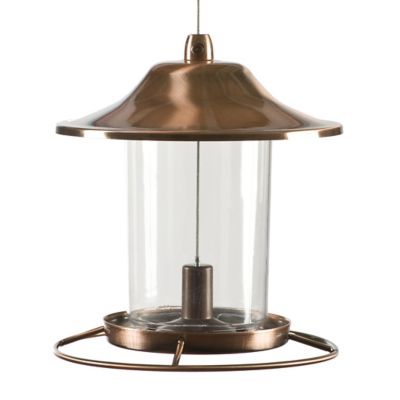
Metal bird feeders are a sturdy, dependable way to bring songbirds closer to the porch, garden, or pasture fence. Built with metal frames, perches, roofs, trays, or mesh panels, these feeders can stand up to the everyday wear that comes with outdoor use. Rain, wind, sun, and curious squirrels are all part of life in the yard, and a well-made metal feeder is ready for the job. Unlike some softer materials, solid metal is difficult for squirrels to chew through, while powder-coated or weather-resistant finishes help protect the feeder from rust and fading through changing conditions. Many designs also include drainage holes in the seed tray or base, allowing rainwater to escape so seed is less likely to turn damp, moldy, or spoiled. Metal bird feeders come in several useful styles, including mesh feeders for sunflower seed and peanuts, tube feeders with metal perches and feeding ports, caged feeders that give smaller songbirds a little more protection from larger birds and squirrels, and hopper or house feeders with a roof to help keep seed dry. A mesh feeder can be a fine choice for clinging birds such as chickadees, nuthatches, and finches, while a tube or hopper design may work well when you want to offer a steady supply of mixed seed. Caged styles are helpful in busy yards where smaller birds need a better chance to feed without being crowded out. When comparing options, look closely at the feeder’s capacity, opening size, hanging hardware, drainage, and access for cleaning. A feeder that is easy to take apart or wipe down is more likely to stay in regular use, especially when the days are busy and chores already fill the schedule.
Placement makes a big difference in how well a metal bird feeder works. Hang it where you can enjoy the activity from a kitchen window, screened porch, or favorite chair, but give birds nearby cover as well. Trees and shrubs offer a quick place to retreat when a hawk passes through, though the feeder should not sit so close to dense branches that squirrels can leap onto it. A sturdy shepherd’s hook, porch bracket, or tree limb can all work when the support is strong enough to handle the feeder, seed, and a busy flock. Keep the feeder high enough to discourage pets from bothering feeding birds, and avoid placing it directly over walkways, tables, or areas where seed hulls and droppings would be a nuisance. Different birds prefer different feeding spots, so a yard with more than one level of cover may see a wider variety of visitors. Black oil sunflower seed is a popular all-around choice for many songbirds, while peanuts and other larger offerings appeal to species that can cling to a mesh surface or handle bigger pieces. Always store extra seed in a cool, dry container with a tight-fitting lid. This helps protect it from moisture, mice, and the occasional raccoon that has learned a little too much about backyard feeding stations. Empty old seed before adding fresh food, brush away hulls, and clean the feeder regularly with mild soap and water. Let every part dry completely before refilling. During warmer weather, frequent cleaning helps keep seed fresh, and during cooler months, it helps prevent wet food from lingering after rain or frost. A small amount of routine care keeps the feeder looking better, protects visiting birds, and makes the whole setup more pleasant around the house.
A metal bird feeder can suit a first-time backyard birder, a longtime gardener, a rural family with room around the barn, or anyone who enjoys watching wildlife from home. It also makes a thoughtful gift for a neighbor, grandparent, teacher, new homeowner, or friend who likes spending time outdoors. For someone moving into a new house, a feeder can help make an unfamiliar yard feel lived in, especially when the first chickadee or cardinal arrives at the window. Gardeners often enjoy seeing birds work around raised beds and fruit trees, while children can learn patience and observation by keeping track of the different birds that visit. A durable metal style is especially handy for a recipient who wants something useful rather than decorative clutter; it offers a simple way to add life to the yard and can be used season after season. If you are shopping for a particular setting, consider the local bird population, available hanging space, and the kind of seed you plan to offer. A covered hopper can be practical in an open yard exposed to rain, a tube feeder can fit neatly near a porch, and a caged feeder can help direct food toward smaller songbirds. For more unusual shapes, materials, or feeding arrangements, browse
Unique Bird Feeders to compare other ways to make a feeding station part of the landscape. Whether it hangs beside a gravel drive, near a flower bed, or just outside the breakfast room, a metal bird feeder adds a bit of motion and music to ordinary chores. The flash of a goldfinch, the busy hop of a sparrow, or the soft tap of a nuthatch can turn a quiet stretch of morning into one of those small outdoor moments worth noticing.