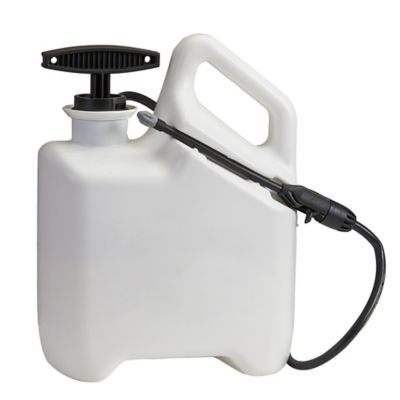
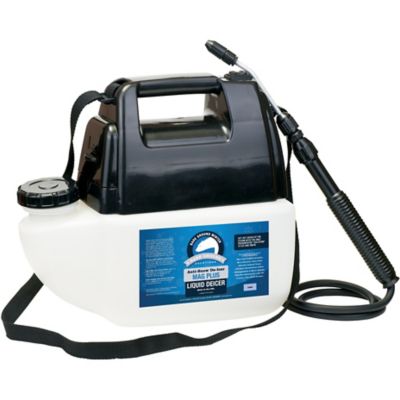
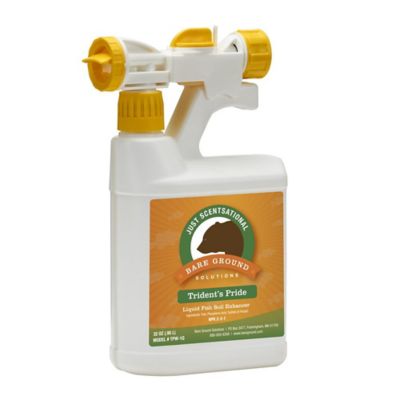
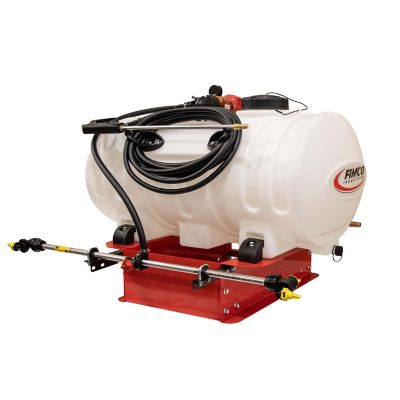
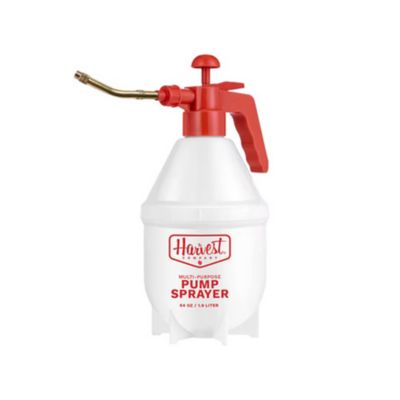
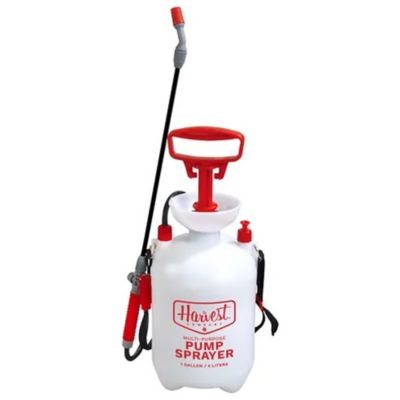
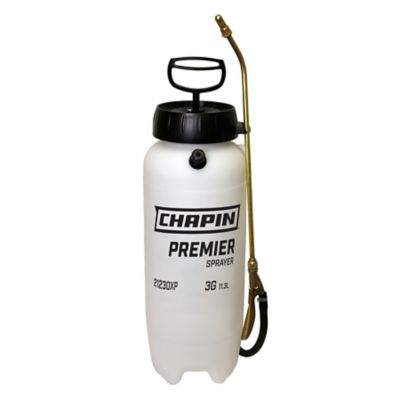
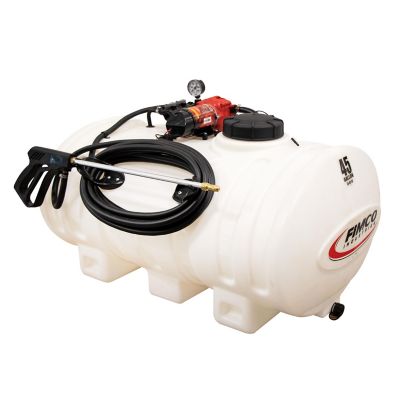
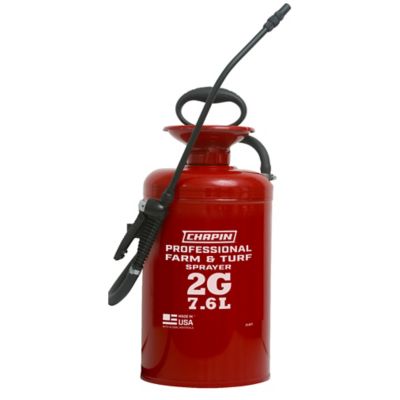
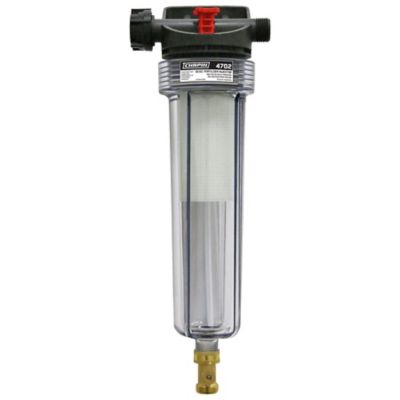
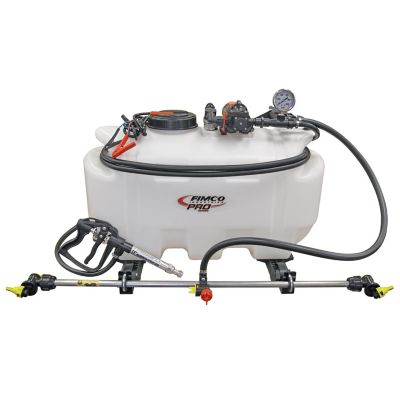
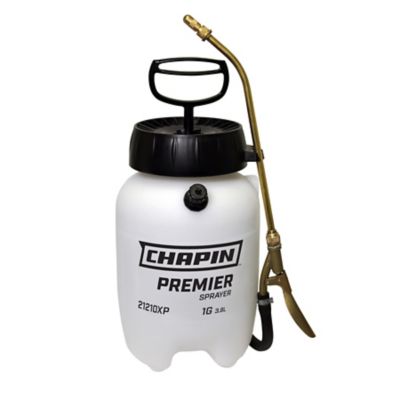
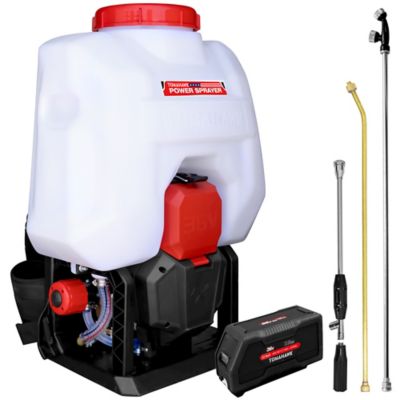
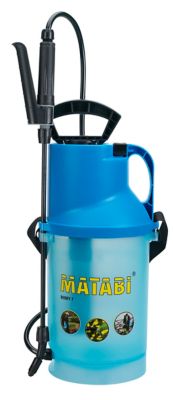
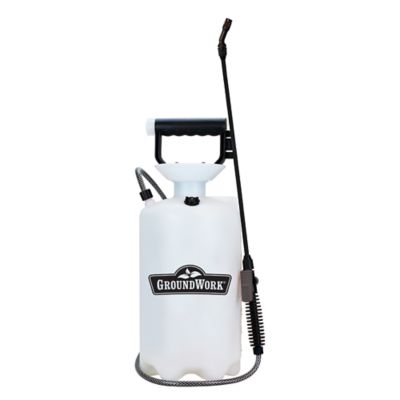
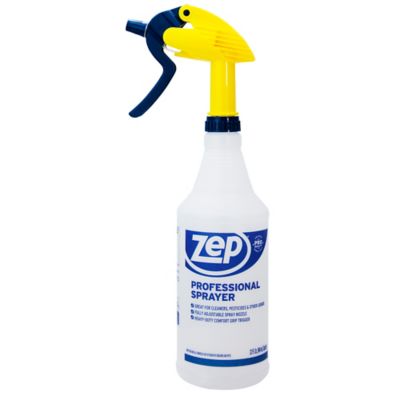
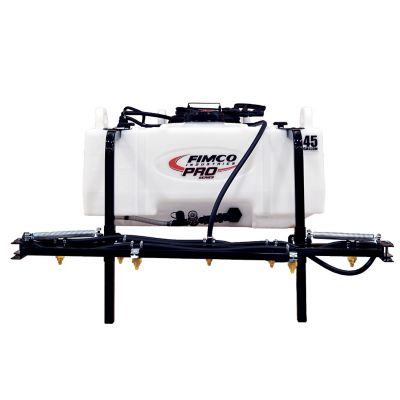
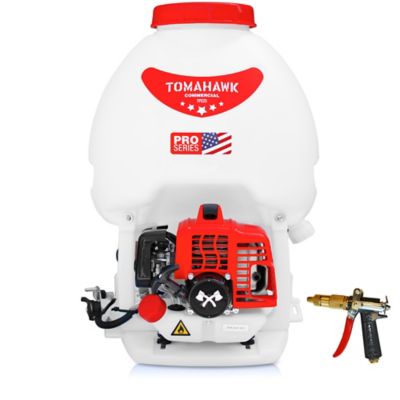
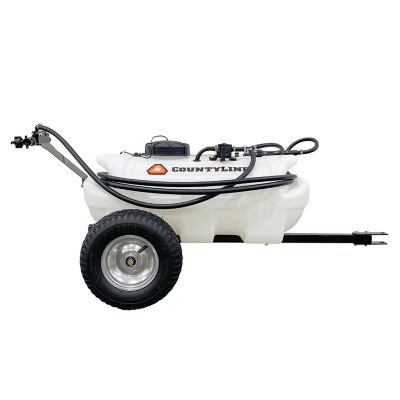
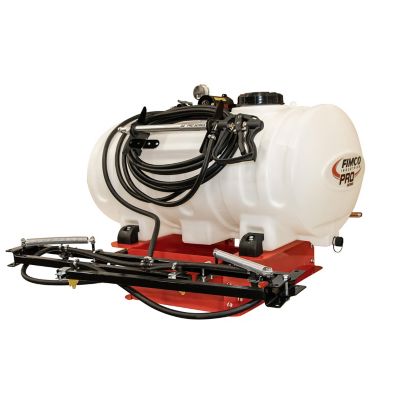
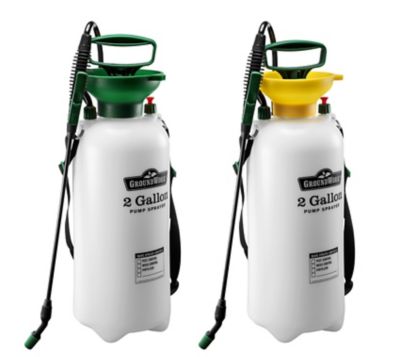
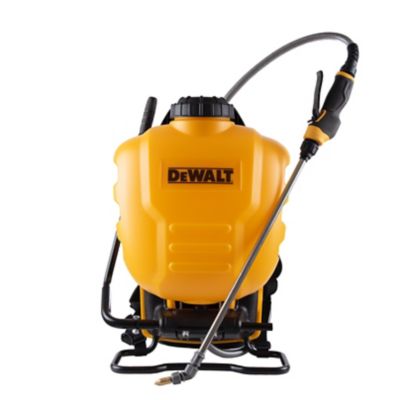
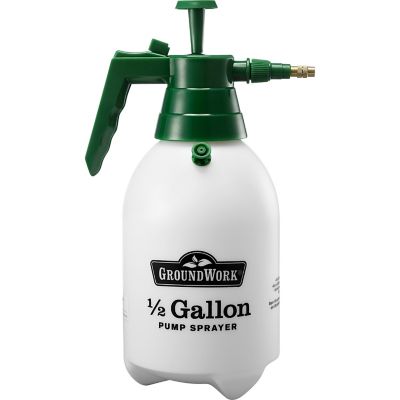
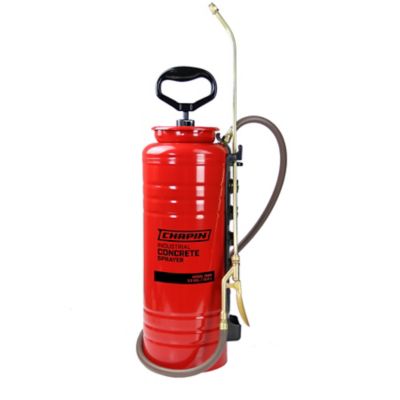
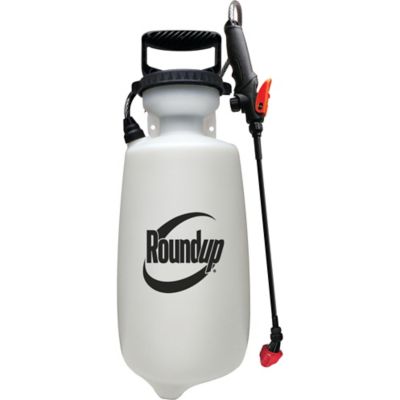
Liquid fertilizer sprayers carry plant nutrients in a liquid solution and spread that solution across lawns, gardens, beds, and other growing areas. Depending on the fertilizer label and equipment setup, they can deliver nutrients to foliage or direct the solution toward the soil around plants. The right sprayer fits both the ground you need to cover and the way you work, whether that means tending a vegetable patch beside the house or maintaining a broad stretch of turf beyond the barn. Hose-end sprayers connect to a garden hose and draw fertilizer from an attached reservoir into the flowing water. Their mixing controls vary: some have adjustable settings, while others deliver a fixed dilution, so the sprayer’s settings need to match the fertilizer’s directions. These designs suit jobs within reach of a hose and keep you from carrying a full tank of diluted solution. Handheld pump sprayers carry a prepared mixture and build pressure with a manual pump, making them practical for small beds, individual plants, and areas where a hose would snag or fall short. Backpack sprayers put the tank on your back and leave a wand in hand for moving along garden rows or around plantings. Manual versions require pumping to maintain pressure, while battery-powered versions run an electric pump. Tow-behind and vehicle-mounted fertilizer sprayers carry larger volumes for bigger properties, with configurations that may include a hand wand, a spray boom, or both. A boom spreads solution across a wider path, while a wand reaches corners, fence lines, and spaces around obstacles. For a property with an open lawn and several tight beds, that difference matters more than tank size alone. These sprayer types give homeowners, gardeners, groundskeepers, and small-acreage operators different ways to handle plant feeding without expecting one setup to fit every job. Fertilizer suitability still comes first: not every liquid formula belongs in every sprayer, and foliar application is appropriate only when the fertilizer label allows it.
Tank capacity, pump output, and nozzle pattern work together to determine how a liquid fertilizer sprayer handles a job. A larger tank can mean fewer refill stops, but it also adds weight; water alone weighs about 8.3 pounds per gallon before accounting for the tank, fertilizer, and other equipment. For a backpack sprayer, comfortable shoulder straps, a supportive harness, and a tank shape that sits well against the body can matter as much as extra capacity. A reachable pump lever, manageable wand length, and a shutoff grip that feels comfortable through repeated passes also make a difference along a long garden row. On tow-behind equipment, hitch fit, loaded weight, wheel design, and the towing vehicle’s limits deserve attention, especially where paths narrow or ground is uneven. Electric sprayers also need a compatible power source, with battery runtime or vehicle connections suited to the work. Pump flow and pressure should support the intended nozzle arrangement rather than simply offer the highest numbers. A pressure gauge and suitable controls help you monitor output, while the nozzle determines the spray’s shape and distribution. Flat-fan nozzles commonly serve broad coverage applications; adjustable wand tips can change the pattern for different placements when the equipment and fertilizer directions permit. A fine mist is not automatically a better choice, and directing fertilizer where it belongs matters more than producing a visible cloud. Even application depends on nozzle output, pressure, travel speed, and the spacing between passes. Calibration checks with clean water help establish how much solution a setup applies over a measured area before fertilizer goes in the tank. That matters because a dilution ratio alone does not establish the amount of nutrient reaching each square foot. Many hose-end sprayers, meanwhile, depend on incoming water pressure and their own metering design. Clear controls and readable markings make those differences easier to manage, whether you are covering a measured lawn section or feeding a bed with closely spaced plants.
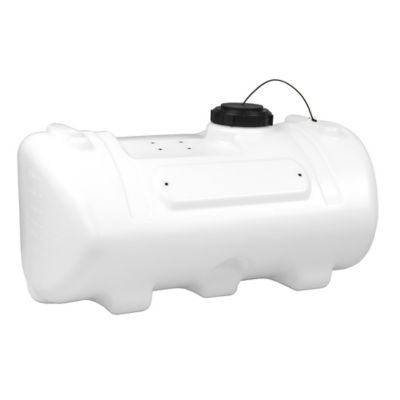
The parts that touch fertilizer deserve a close look, since a sprayer needs more than a sturdy-looking tank to stand up to repeated work. Molded polyethylene tanks are common, but compatibility also depends on the pump, seals, gaskets, hoses, fittings, and nozzle components. A fertilizer’s concentration and ingredients can affect those materials differently, so equipment compatibility information should cover the solution you intend to apply. Smooth tank interiors, accessible fill openings, and practical drain locations can make routine care less of a chore. Translucent walls or molded volume markings help with checking fill levels, though measurement marks vary in precision and do not replace the fertilizer label’s measuring directions. Strainers and serviceable filters help keep debris from reaching the pump and nozzles; they do not make an incompatible or poorly dissolved mixture suitable for the equipment. For an existing setup, replacement
sprayer tanks need to match the mounting space, support arrangement, capacity limits, and connection requirements, not just the gallon rating. Secure mounting and protected hose routing are particularly important on equipment that travels around gates, posts, and outbuildings. After application, fertilizer residue can collect in lines or leave deposits around small openings, making access for rinsing and inspection valuable. Cleaning and rinsate disposal should follow both the sprayer instructions and the fertilizer label, without sending residue into drains or waterways. Keeping fertilizer equipment separate from herbicide equipment helps reduce the chance of harming valued plants with leftover treatment. Before another round of feeding, checking hoses for cracks, fittings for leaks, and nozzle patterns for uneven output can catch trouble before it leaves missed strips or concentrated patches. Storage also goes more smoothly when the wand and hose have a designated place rather than lying under other tools. Gloves, eye protection, and any other label-required protective gear remain part of the job. With the tank, carrying arrangement, controls, and application pattern matched to the property, a liquid fertilizer sprayer becomes a practical piece of equipment for steady plant care, from a few carefully tended beds to larger managed grounds.