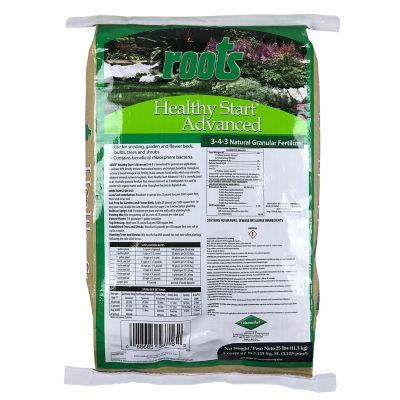
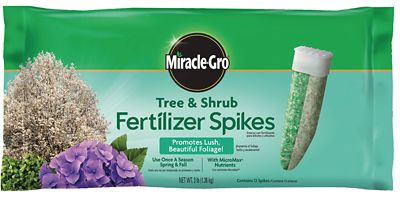
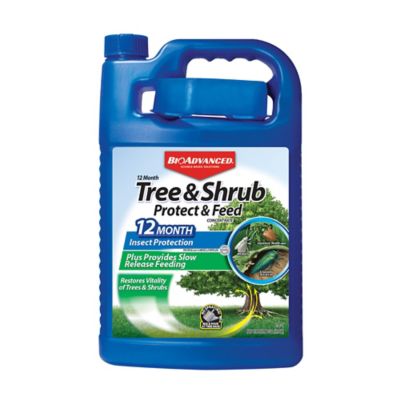
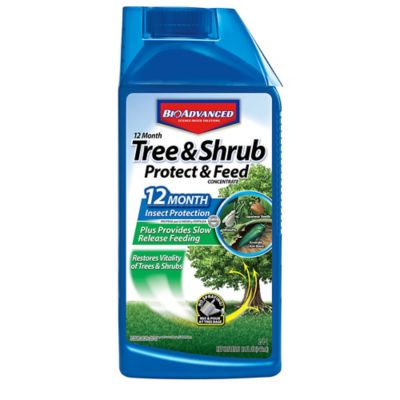
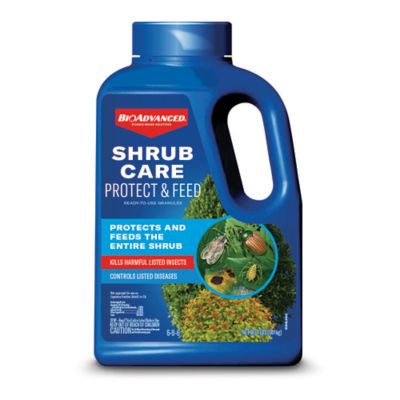
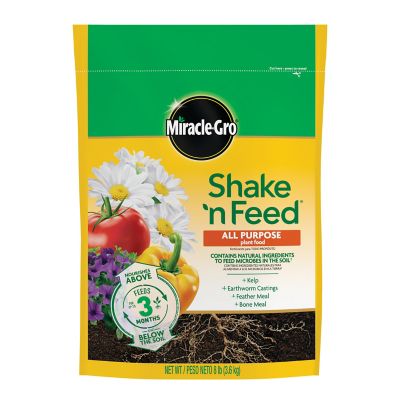
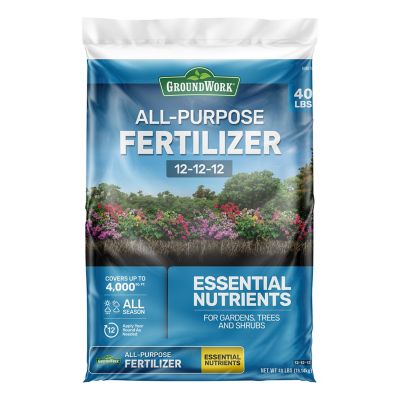
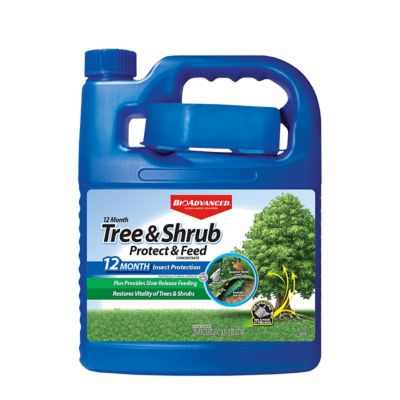
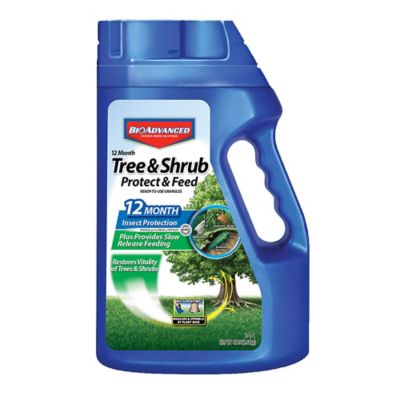
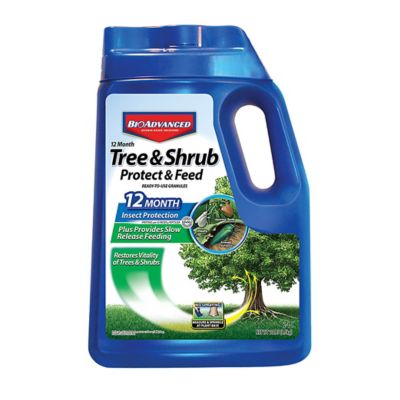
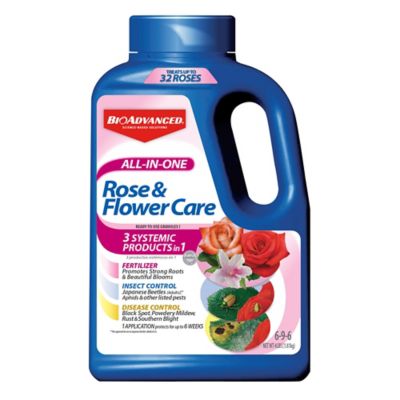
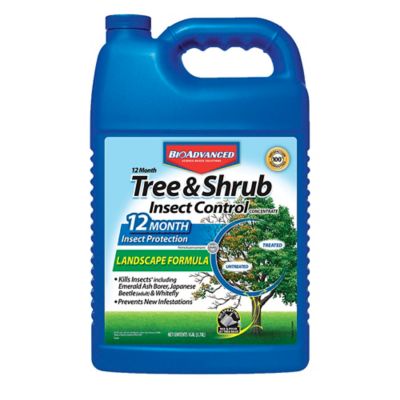
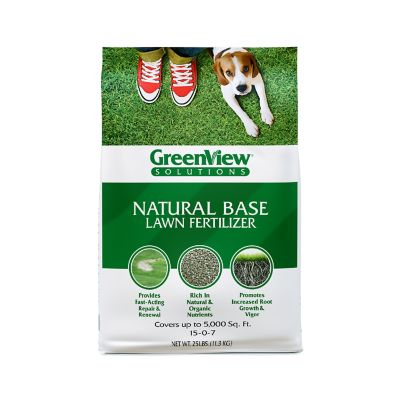
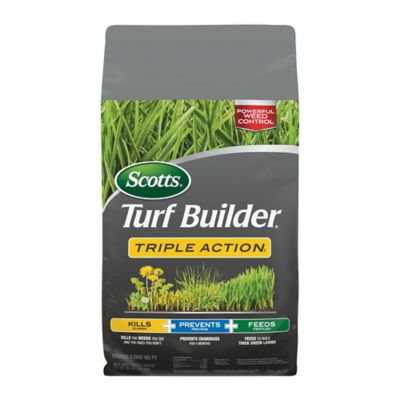
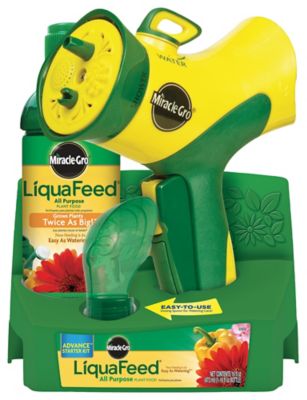
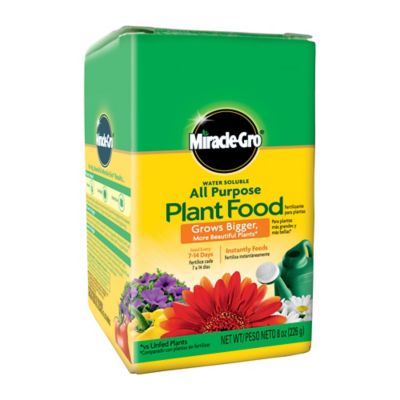
Slow-release fertilizers for shrubs are a handy choice when you want steady, even feeding without having to measure and apply fertilizer every few weeks. These products are made to release nutrients gradually, often over several weeks or a few months, depending on the formula, soil moisture, temperature and growing conditions. They can help support healthy roots, fuller foliage and dependable flowering in many landscape shrubs, including evergreens, flowering varieties, hedges and foundation plantings. Granular fertilizers are a common option for shrubs planted in the ground. They are spread across the soil surface and watered in, allowing nutrients to move into the root zone over time. Coated or controlled-release granules release nutrients as moisture and soil conditions work on the coating, while organic granules and meals depend more on natural soil activity and beneficial microbes to break nutrients down. Fertilizer spikes offer another convenient approach, with pre-measured pieces placed below the soil surface near the shrub’s outer root area. Spikes can be especially useful around established shrubs where you want a tidy application with little surface mess. When comparing products, look at the N-P-K numbers on the package, the listed feeding period and the type of shrub each formula is intended to support. A balanced fertilizer may suit a broad range of landscape plants, while evergreen, flowering or acid-loving shrubs may do better with a formula made for their particular needs. A compact shrub by the front walk, a row of privacy plants along the fence or a mature hydrangea beside the porch can each have different nutrient needs, so the product label is the best place to confirm application rates and timing. Slow-release options are also useful for gardeners who spend weekends tending a homestead, rental property or large yard and would rather make one careful application than keep a frequent feeding schedule. They make a practical gift for a new homeowner, a gardener adding shrubs to a bare corner or anyone working to freshen up a tired-looking landscape.
For best results, apply shrub fertilizer according to the package directions and the growing stage of the plant. Many gardeners feed as new growth begins, then make a later application only when the label recommends it and local growing conditions support it. During the warmer part of the growing season, shrubs may be actively producing leaves, stems and flowers, while cooler weather naturally slows growth and nutrient uptake. Avoid applying more fertilizer than directed, since excess nutrients can stress roots, encourage weak growth or wash away into nearby water. Granular fertilizer should be spread evenly over the soil, generally from near the plant’s outer branch spread to the drip line, where rain would fall from the farthest leaves. Keep granules away from the main stems and trunk rather than piling them at the base. Water the area thoroughly after applying a granular product unless the label gives different instructions; this helps move nutrients into the root zone and prevents loose granules from sitting on dry soil. Fertilizer spikes should be driven into moist soil at the recommended spacing, usually around the drip line instead of directly beside the stem. Container-grown shrubs need extra care because their limited soil volume can hold salts and nutrients more tightly than garden soil. Choose a fertilizer labeled for container use when appropriate, follow the smaller-space directions and make sure excess water can drain freely. Newly planted shrubs may need time to establish roots before receiving fertilizer, and drought-stressed, wilted or heat-damaged plants should generally be watered and allowed to recover before feeding unless the label says otherwise. Keep fertilizer stored in a dry place away from children, pets and livestock, and clean up spilled granules around patios, sidewalks, driveways and animal areas. For gardeners caring for larger woody plants as well as shrubs, the selection of
Tree Fertilizers can help with finding feeding options suited to trees and other established landscape plantings. With the right formula, careful placement and enough water, slow-release fertilizer can fit neatly into the rhythm of yard care, helping shrubs stay green, well-rooted and ready to carry the landscape through changing weather.