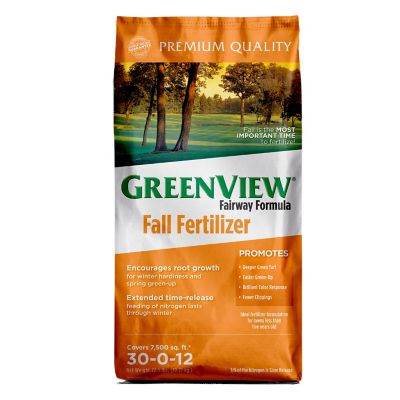
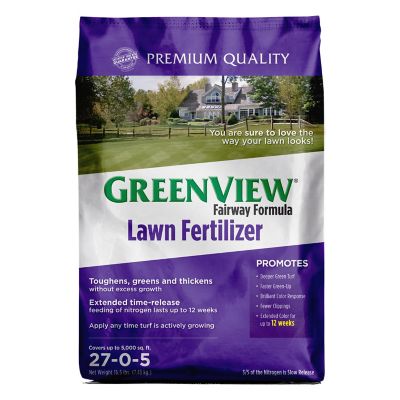
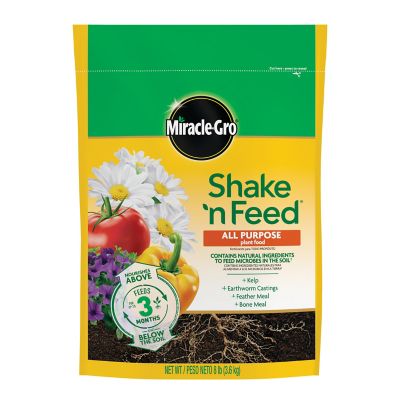
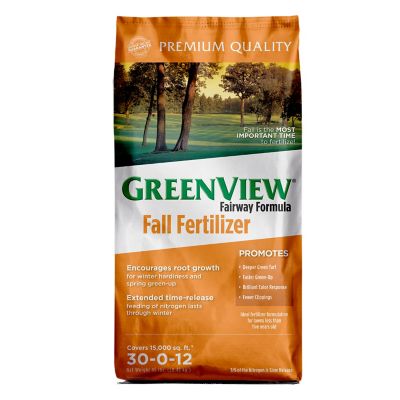
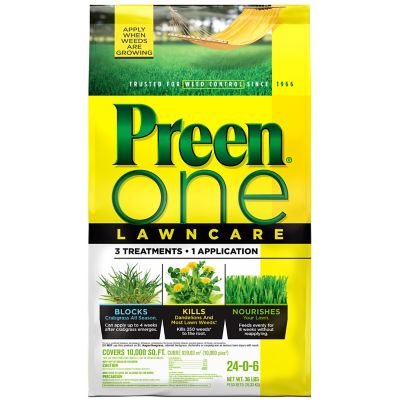
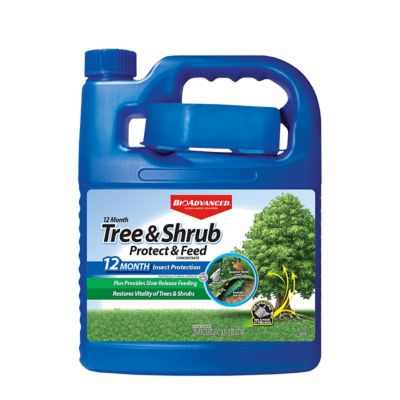
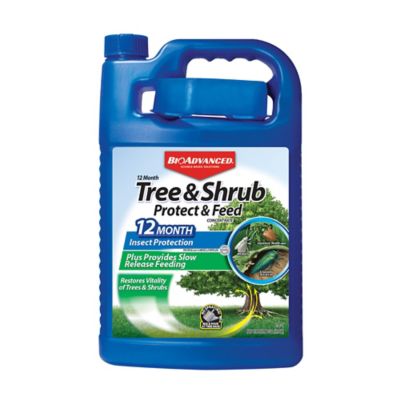
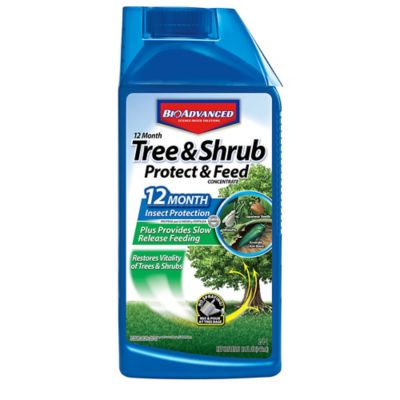
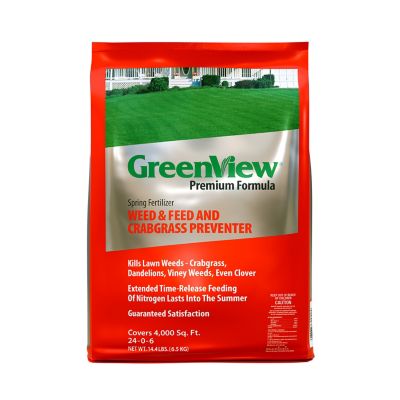
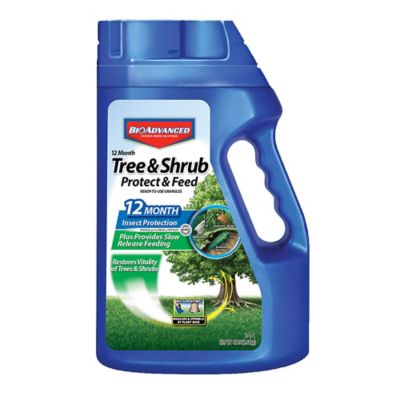
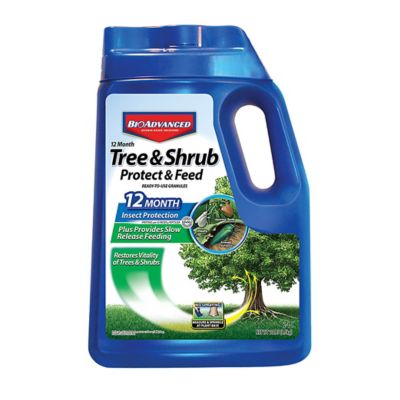
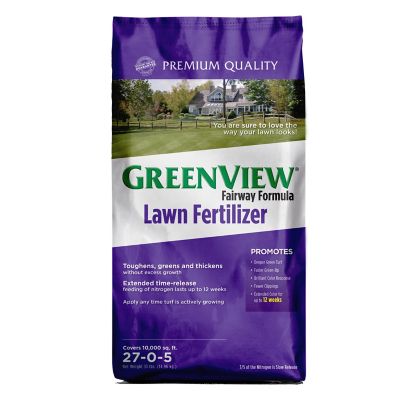
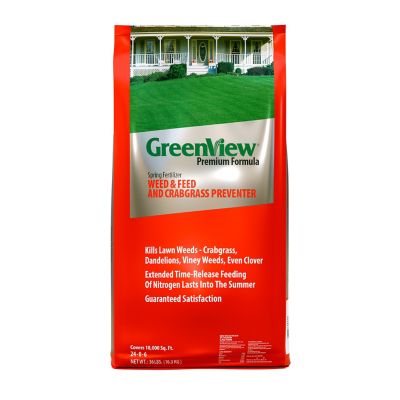
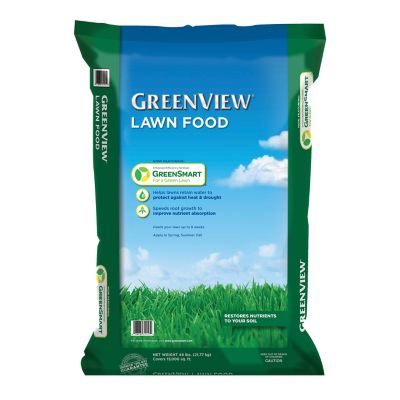
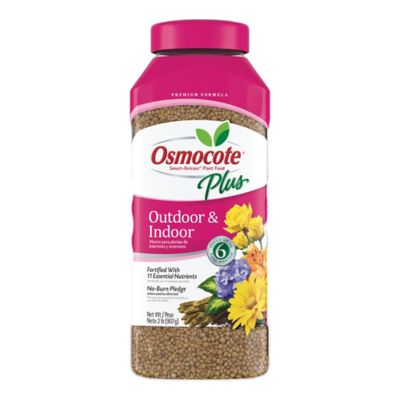
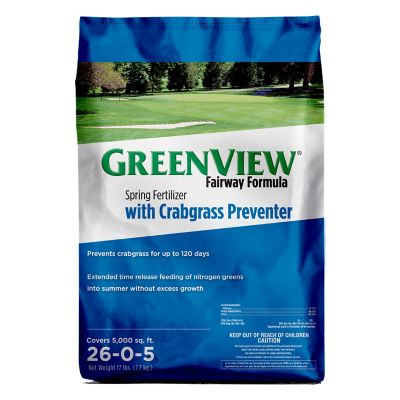
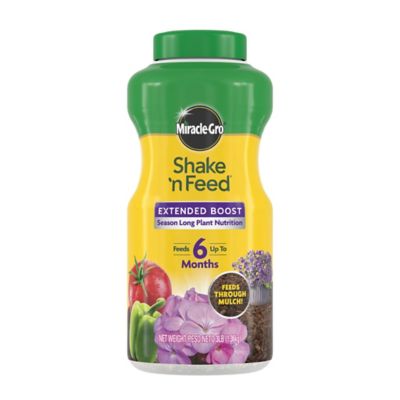
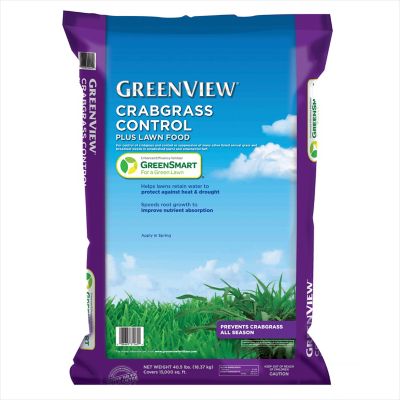
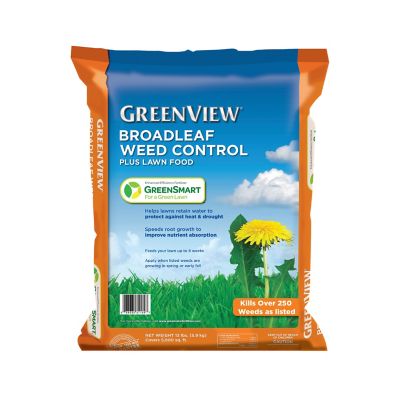
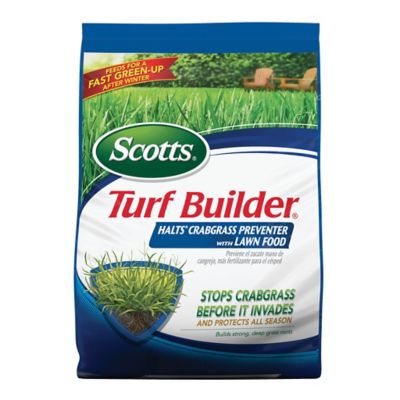
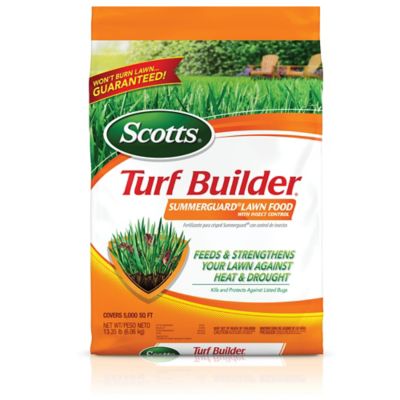
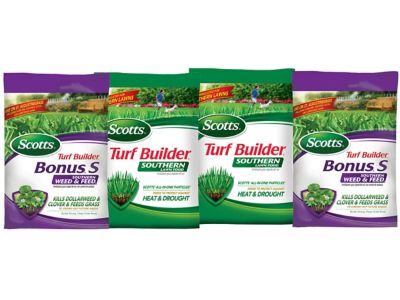
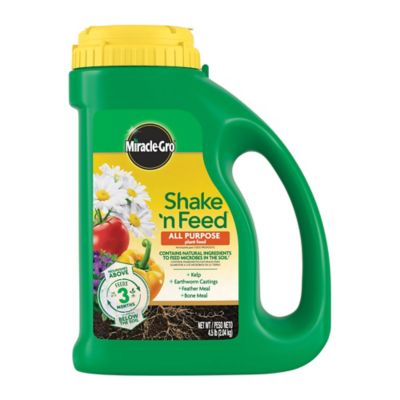
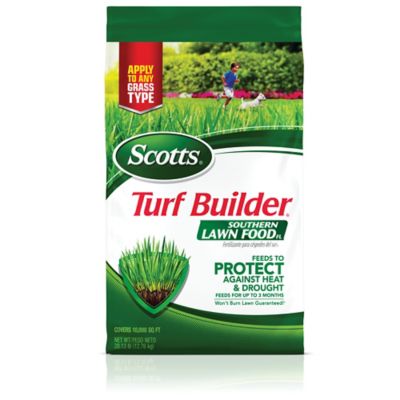
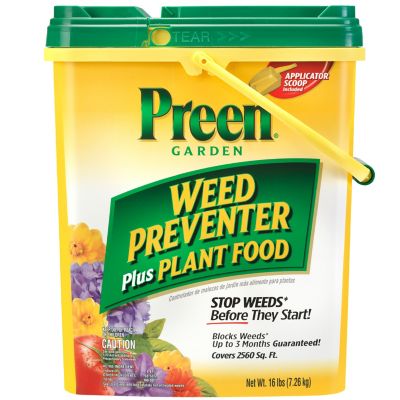
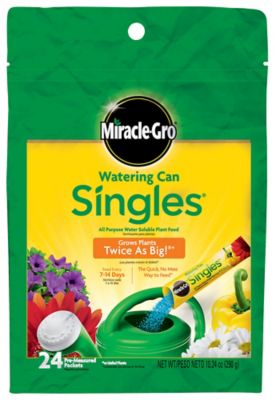
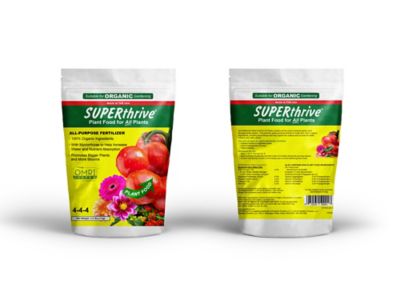
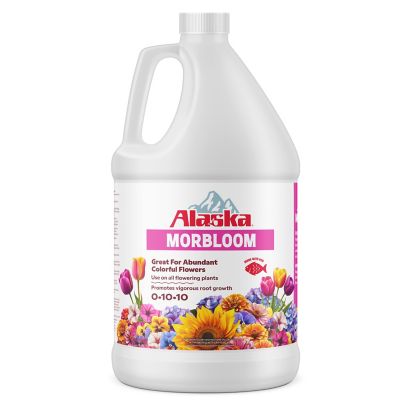
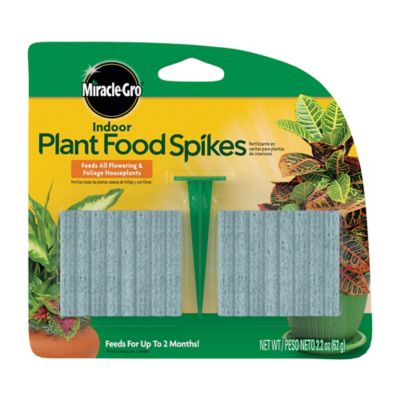
Time release fertilizers are a handy way to keep plants supplied with nutrients over several weeks or months without having to feed them every few days. Instead of making the full supply of nutrients available all at once, these fertilizers are designed to release plant food gradually as moisture and temperature activate the granules. Many formulas use coated pellets that let water move through the coating and carry nutrients into the soil a little at a time. That steady approach can help support even growth, greener leaves, stronger roots, and dependable flowering while lowering the chance of fertilizer burn that may occur when too much quick-release fertilizer is applied at once. It can also reduce nutrient waste, since fewer nutrients are washed away during watering or heavy rain. Time release fertilizer can be useful for lawn care, vegetable gardens, flower beds, raised beds, shrubs, trees, hanging baskets, patio containers, houseplants, and other established plantings. It is especially helpful for gardeners who want a simpler feeding routine, are caring for a large property, or have a full list of chores around the farm and homestead. A single application can often support plants for several weeks or months, though the exact feeding period depends on the formula, the crop, soil conditions, watering, and the directions on the package.
When choosing a time release fertilizer, start by matching the formula to the plants and growing area. Look for the N-P-K numbers on the label: nitrogen supports leafy green growth, phosphorus helps with root development and flowering, and potassium supports overall plant strength and resilience. A lawn may need a different nutrient balance than a tomato bed, flowering container, evergreen shrub, or indoor foliage plant. Some formulas are made for general outdoor use, while others are intended for containers, lawns, indoor pots, garden vegetables, trees, or ornamentals. Check the listed coverage area and feeding duration so you have enough for the job without buying more than you can store and use properly. Granule size matters, too. Larger pellets can be easier to spread across beds and lawns, while smaller granules may blend more easily into potting soil. Always follow the application rate, placement instructions, and watering directions on the label. More fertilizer is not better, and piling granules against stems or trunks can damage plants. For container plants, mix or sprinkle fertilizer only as directed, taking the size of the pot and the type of potting mix into account. For lawns and larger beds, an even spread helps prevent patchy growth. A handheld or broadcast spreader can make coverage more consistent, especially across broad stretches of turf. During the cooler months, plant growth and nutrient demand generally slow, and time release granules may release more slowly as well. As the weather warms and plants become more active, moisture and temperature can speed the release rate. That weather-responsive behavior is one reason these fertilizers fit well into changing outdoor conditions, but it also makes label directions important in areas with hot summers, frequent rain, or long cool spells.
Time release fertilizers are a practical choice for new gardeners, experienced growers, busy homeowners, renters with a few patio pots, and anyone caring for plants at a rural home where regular trips to the garden center may not fit the schedule. They can also make a thoughtful gift for someone setting up a first raised bed, tending a porch full of flowers, building a small kitchen garden, or looking for an easier way to care for indoor plants. Pairing fertilizer with gloves, a scoop, a watering can, or a container garden can make a useful garden-season gift without requiring you to know every detail of the recipient’s growing plans. Apply these products when plants are actively growing unless the label recommends otherwise, and avoid feeding drought-stressed, wilted, diseased, or newly transplanted plants until they have had time to recover. Watering practices matter after application: too little moisture may delay release, while excessive watering or intense rainfall can move nutrients beyond the root zone. Good soil preparation, mulch, proper sunlight, and regular watering still do much of the work, since fertilizer cannot make up for poor drainage or the wrong growing conditions. Gardeners preparing beds for spring bulbs may also want to compare these options with
Bulb Fertilizers, which are made with the needs of bulb plants in mind. Store unopened fertilizer in a cool, dry place away from feed, seed, children, and pets, and keep opened bags tightly closed. With the right formula, a measured application, and a little attention to the conditions in your yard or growing space, time release fertilizer can help keep plants nourished steadily while taking one more chore off the seasonal to-do list.