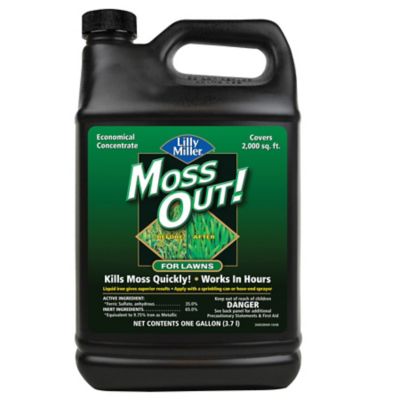
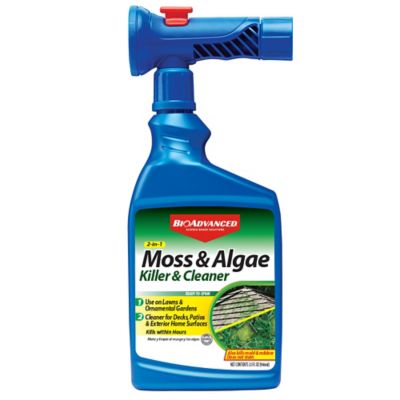
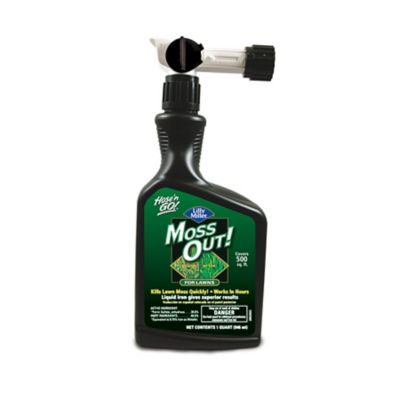
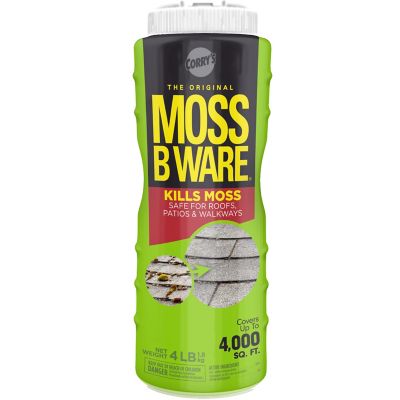
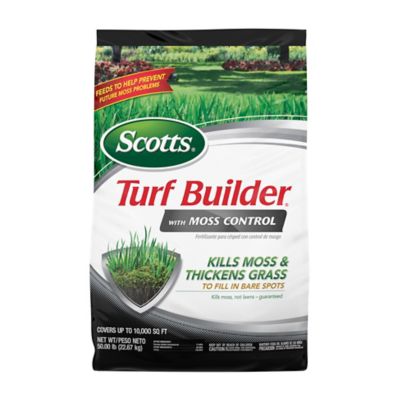
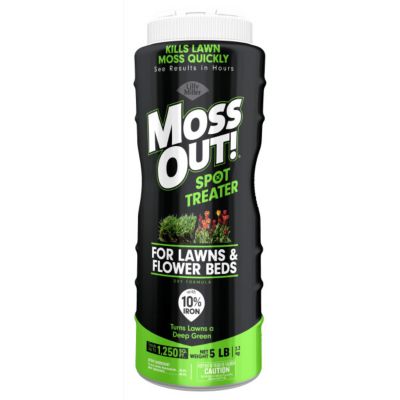
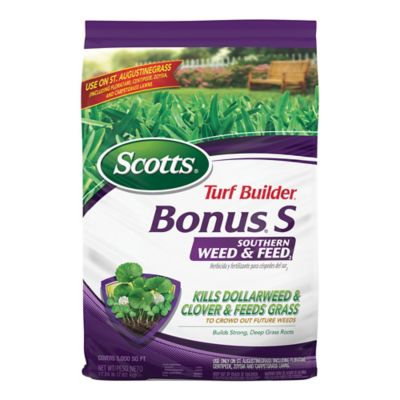
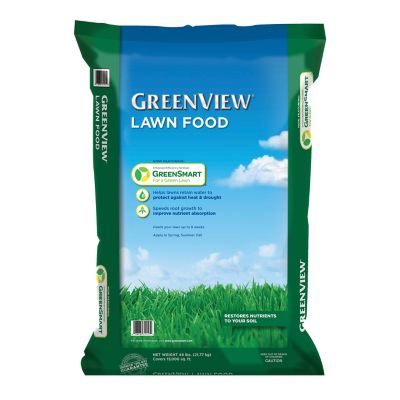
Moss control fertilizers are made for lawns where green grass is sharing space with soft, low-growing moss. You may notice moss first along the north side of a house, beneath trees, beside a fence, or in a low spot where dew and rain tend to linger. It can form a velvety mat over the soil, especially where turf is thin, the ground stays damp, or sunlight does not reach the lawn for long. These products generally pair an iron-based moss control ingredient, such as ferrous sulfate or iron monohydrate, with lawn nutrients that help feed the surrounding grass. The iron works by drying and darkening existing moss, while nutrients such as nitrogen and potassium support the turf that remains and encourage healthier grass growth over time. A treated patch may turn black, gray, or dark brown as the moss dies; that change is usually part of the process rather than a sign that the product has failed. Moss control fertilizer can be useful for homeowners caring for a small front lawn, rural property owners maintaining grass around outbuildings, landlords preparing a rental yard, or anyone trying to tidy up a shady stretch beside a driveway. It can also make a practical gift for a new homeowner, a gardener who takes pride in a well-kept yard, or a family member who enjoys working outdoors. Before choosing a bag, consider the type of grass you have, the approximate square footage to be treated, the severity of the moss, and whether the area receives full sun, filtered light, or very little direct sunlight. Check the product label for approved turf types, coverage, application rates, and any restrictions around ornamental plants, pavement, pets, children, waterways, or newly seeded grass. A fertilizer that suits a cool-season lawn may not be the right choice for every warm-season turf, and applying more than the label calls for can scorch grass or leave excess nutrients behind.
Good preparation helps moss control fertilizer reach the low-growing growth tucked between blades of grass. Walk the area first and pick up sticks, toys, hoses, and other loose items. If the lawn is tall, mow according to the label directions; in some cases, mowing a little shorter before treatment helps expose moss that would otherwise hide under a thick canopy of grass. Avoid mowing so aggressively that you scalp the turf or expose bare soil. A broadcast spreader is handy for larger lawns because it distributes granules more evenly, while a handheld spreader can work well around garden edges, sheds, posts, and narrow side yards. Set the spreader using the directions on the bag and keep your pace steady, much like walking rows while spreading seed. Applying in calm, dry conditions helps prevent granules from drifting into flower beds or onto hard surfaces. Moss is often most active when the weather is cool and moisture is plentiful, so treatment may be especially useful during damp stretches and the cooler parts of the growing season. Late summer into fall can bring changing conditions, including heavy dew, longer nights, and more frequent rain, but the label should always guide the timing for the specific formula and your grass type. Some products need to be watered in lightly to activate the iron and nutrients, while others are intended to remain on the foliage for a set period. Follow those directions instead of watering by habit. Keep granules off concrete, stone, brick, and other masonry whenever possible, since iron can leave orange or rust-colored stains. Sweep stray material from sidewalks and driveways promptly, then dispose of it as directed. Keep people and animals away from the treated area for the time listed on the label, and store the unopened bag in a dry place where it cannot be reached by children, pets, livestock, or wildlife.
Moss control fertilizer addresses the visible moss, but lasting lawn improvement usually depends on correcting the conditions that allowed it to take hold. After the moss has died and darkened, gently rake the area to lift the remaining material, often about one to two weeks after treatment if the label permits. Removing the dead mat opens the surface so air, light, water, and seed can reach the soil. If bare spots appear, consider reseeding with a grass variety suited to the amount of shade and moisture on your property. Trim a few low branches where practical, clear leaves and fallen needles before they form a wet blanket, and check downspouts or drainage paths that may be keeping one section soggy. Compacted soil can also make it hard for turf roots to breathe, so aeration may help in suitable lawns when conditions are right. These steps will not turn a deeply shaded, constantly wet corner into a sunny field, but they can help the grass compete more effectively. Use care around ponds, streams, drainage ditches, and storm drains, and never apply fertilizer or moss control products before checking the label’s buffer and weather instructions. For lawn areas that also need help with unwanted broadleaf weeds, you can compare options in
Weed Control Granules, but do not assume different treatments can be mixed or applied together. Moss control fertilizers are best used as part of a steady lawn-care routine: identify the damp or shaded trouble spots, select a formula made for your turf, measure the area, spread the granules evenly, and give the lawn time to respond. With a little patience, the blackened moss can be cleared away and the grass can begin filling in, leaving the yard looking less patchy under the trees, along the fence line, and around the places where moisture tends to settle.