


Sewing and Mending Equipment for Clothing Repairs
Find sewing equipment for the repairs waiting in your mending basket, from an open shirt seam to a hem that needs shortening. Compare home sewing machines for everyday stitching, sergers for edge finishing, coverstitch machines for knit hems and pressing equipment for preparing folds and settling seams. Start with the clothes you mend most, then choose equipment that fits your experience, workspace and budget.
SINGER
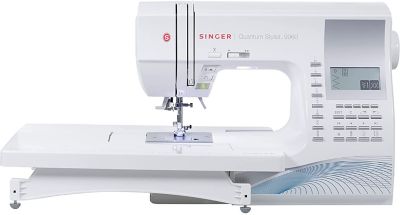
SINGER Quantum Stylist Computerized Sewing Machine
A computerized sewing machine with over 600 stitch applications, including letters, for endless customized projects.
What customers like:
Versatile with over 600 stitch applications
Durable and heavy duty
Good value for the price
Easy to use with clear user's manual
Variety of stitches and decorative options
$799.99
$799.99
SALE
Brother
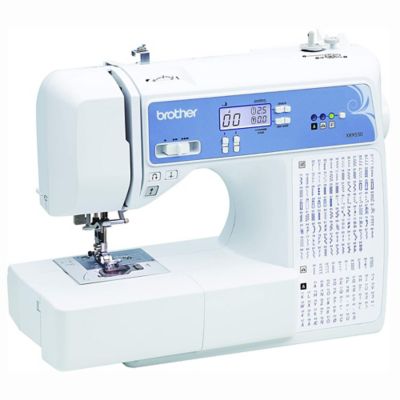
Brother Computerized Sewing Machine, XR9550
A computerized sewing machine with 165 built-in stitches, LCD display, and 8 quick-change presser feet.
What customers like:
Functional
Many features
High quality
Easy to use
Versatile
$359.99
$359.99
SALE
Brother
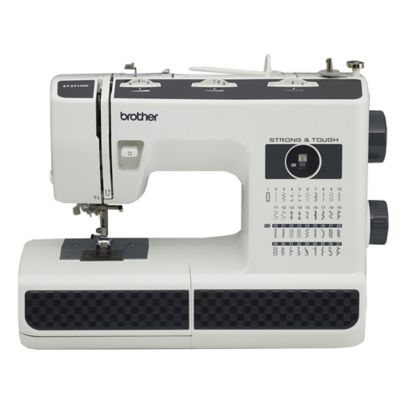
Brother Strong and Tough Sewing Machine
A durable and versatile sewing machine with 37 built-in stitches, easy needle threading, and drop feed for sewing flexibility.
What customers like:
Easy to set up and use
Convenient delivery
Clear instructions
Good quality and effectiveness
Sturdy and durable
$219.99
$219.99
SALE
SINGER
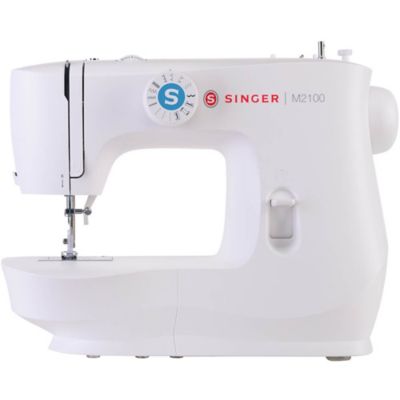
SINGER Sewing Machine, 63 Stitch Applications
A portable and lightweight sewing machine with 63 stitch applications, perfect for beginners and smaller spaces.
What customers like:
Versatile with many stitch varieties
Portable and lightweight
Straightforward stitching
Sturdy and durable
Easy to learn and use
$219.99
$219.99
SALE
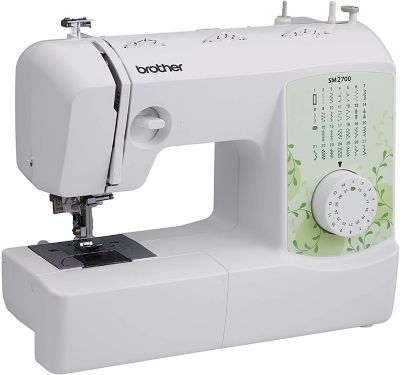
Brother
Brother Sewing Machine, 27 Stitch Applications
A lightweight, portable sewing machine with 27 built-in stitches, 63 stitch functions, and 6 quick-change presser feet.
$159.99
$159.99
SALE
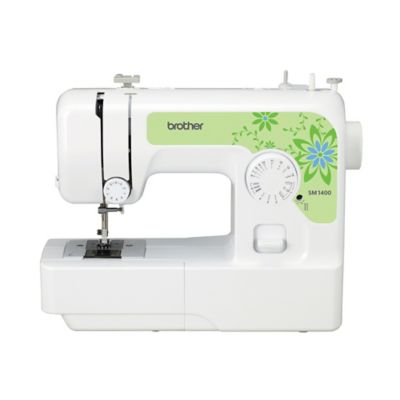
Brother
Brother 14-Stitch Sewing Machine
A lightweight, full-sized sewing machine with 14 stitches, easy needle threading, and quick-set top bobbin system.
$139.99
$139.99
SALE
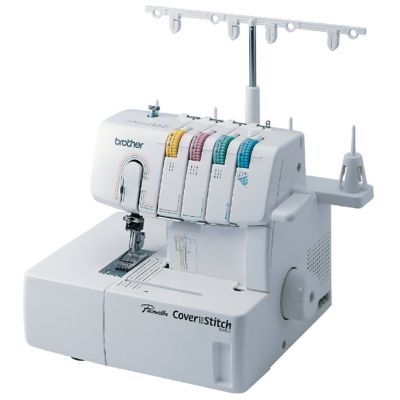
Brother
Brother Cover Stitch Serger Brown Box
A versatile serger with advanced technology for creating professional hems, chain stitches, and decorative stitching.
What customers like:
Affordable
Clear instructions
Easy to use
Professional-looking hems
Versatility
$699.99
$699.99
SALE
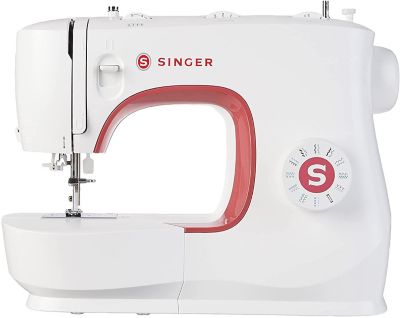
SINGER
SINGER Sewing Machine, 97 Stitch Applications
A white sewing machine with 97 stitch applications, adjustable stitch length and width, and built-in needle threader.
$219.99
$219.99
SALE
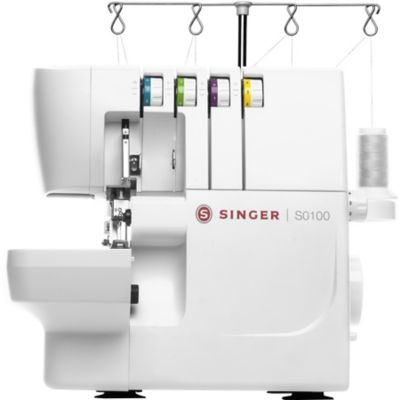
SINGER
SINGER Serger Sewing Machine
A high-speed serger sewing machine with adjustable stitch width and differential feed for professional results.
What customers like:
High quality
Good value for the price
Durable
Easy to use
Fast
$399.99
$399.99
SALE
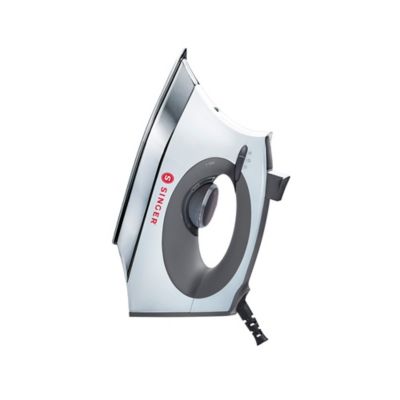
SINGER
SINGER Steamcraft Steam Iron
A powerful steam iron with an OnPoint tip, anti-calcium filters, and a 30-minute auto-off feature.
What customers like:
Convenient and easy to use
Good customer service
Durable and sturdy
Time-saving feature
Versatile and serves its purpose
$69.99
$69.99
SALE
FAQ
Start with the job you want to tackle most often. If you’re learning to stitch seams and hems, explore beginner sewing machines for home mending. If you already have a machine and need equipment for preparing folds and pressing seams, browse sewing pressing tools for hems and seams. Consider a serger or coverstitch machine when edge finishing or knit hemming becomes a recurring task.
A conventional sewing machine handles general construction and repair stitching, depending on its functions. A serger wraps thread around fabric edges and typically trims excess fabric as it sews. A coverstitch machine creates parallel rows of stitching with loops underneath, often seen on knit hems. Check each model’s documented capabilities rather than assuming one machine can do all three jobs.
Compare stitch selection, threading instructions, reverse stitching and the controls for stitch length and width. Look for the stitches and compatible presser feet your repairs require. A free arm may help with cuffs and sleeves, while a clear bobbin setup can make preparation easier. Choose functions you’ll reach for regularly rather than judging a machine by stitch count alone.
Match the needle type and thread to the garment’s fabric and the seam you’re repairing. Woven fabrics, stretch knits and denim can call for different needles. Check your machine’s compatibility instructions and the needle and thread guidance, then test the combination on a scrap of similar fabric before working on the garment.
Ironing generally means moving the iron across fabric to smooth wrinkles. Pressing means placing and lifting the iron to shape a fold or settle a seam without dragging the fabric. For clothing repairs, you might press a hem into place before stitching and press the seam afterward. Follow the garment’s care label when selecting heat and steam settings.