Sewing pressing tools for hems and seams help fabric settle into the shape a project needs, whether that means a straight trouser hem, a flat quilt join, or a curved sleeve seam. A line of stitching holds pieces together, but pressing gives that join a cleaner profile and helps the finished piece hang the way it should. That matters on everyday work pants just as much as it does on a carefully fitted shirt. A thick seam at a pocket can feel stiff against the body, while a hem that rolls outward can make an otherwise sound repair look unfinished. Pressing supports, protective layers, and tools for holding a fold all serve different parts of that work. Broad, flat surfaces suit straight hems and larger fabric sections; narrow supports make room for sleeves, cuffs, and other spots that are hard to reach without flattening both sides. Rounded forms support shaped seams without forcing them onto a flat board. These differences are worth considering for anyone who mends jeans, adjusts children’s clothing, makes curtains, or pieces fabric for quilts. Sewing pressing tools also have a place in small alteration spaces and home sewing rooms where the same work surface handles several kinds of projects. Pressing generally involves controlled contact in one area rather than sliding across the fabric, so steady support and a comfortable working height matter. The goal isn’t always a sharp crease, either. Some seams need a crisp edge, while others need gentle shaping that leaves the fabric’s texture and curve intact. A shirt collar, a gathered waist, and a heavy denim hem each bring a different challenge to the sewing table. Tools matched to those shapes can help keep extra layers out of the way and give the iron access where it matters. For folks who keep a mending basket handy, that control makes pressing equipment a practical part of keeping everyday clothing in service.
Materials make a noticeable difference in how pressing tools feel and perform. Dense wool pressing surfaces provide firm support, while padded cotton-covered forms offer a shaped base for curves and narrow sections. Firmness matters because a surface that gives too much can let a seam sink instead of supporting it evenly. Smooth, unfinished hardwood pressing tools help set folds by holding fabric flat while heat and moisture dissipate. Their contact surfaces should be free of rough edges that could catch a thread or mark the cloth. Pressing cloths provide a layer between the iron and the project, with the fabric and weave affecting visibility, moisture handling, and suitability for a particular task. A cloth can help limit direct contact, but it doesn’t make every fabric safe for high heat or steam. Garment care labels and equipment directions still govern those limits, especially with stretch blends, coated fabrics, fusible materials, and fabrics with a raised surface. Size and shape deserve just as much attention as material. A support that fits comfortably inside a sleeve gives better access than one that stretches the opening, and a pressing mat needs enough room for the work without crowding the table. Clear markings on heat-compatible measuring tools can help keep a turned edge consistent, provided the tool is intended for contact with an iron. Care requirements vary across these materials. Some covers can be removed for cleaning, while filled forms and wool surfaces may call for spot care and thorough air-drying. Wood generally needs a dry storage spot and care that preserves its smooth surface. Covers, seams, and padding all face repeated handling, so sound stitching, secure construction, and replaceable covers can matter over years of sewing. Heat and steam can also travel through a pressing surface; the table underneath needs protection suited to the equipment. A stable, heat-safe setup matters whether the sewing space fills a spare room or folds away after the mending is done.
The most useful mix of sewing pressing tools depends on the work that regularly lands beside the machine. Someone shortening pants and repairing shirts may value narrow supports and easy-to-read measuring aids, while a quilt maker may put more emphasis on a generous flat pressing area. For garment sewing, shaped supports can make a difference around darts, shoulders, and sleeve caps, where flattening everything against a board can work against the intended fit. Heavier projects bring their own considerations: a folded denim hem or the crossing seams on a fabric bag need steady support and enough access to reach the thickest part without disturbing the surrounding fabric. Smaller projects benefit from control, too, especially around pocket edges, narrow ties, and closely spaced seams. Comfortable grips, smooth edges, visible markings, and manageable weight are practical details for anyone spending a long stretch at the sewing table. Storage matters when that table also serves another purpose. Compact forms, hanging loops, and covers that keep lint and dust off working surfaces can make equipment easier to put away and bring back out. Anything exposed to steam needs time to dry before enclosed storage, and heated equipment needs to cool according to its directions. For a gift, the recipient’s usual projects and available workspace offer better clues than the size of the tool collection. A person who handles family alterations has different pressing needs from someone who mainly sews flat quilt blocks. A home workshop may support fabric repairs alongside projects that call for
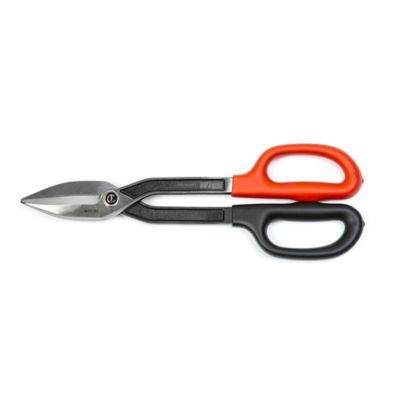
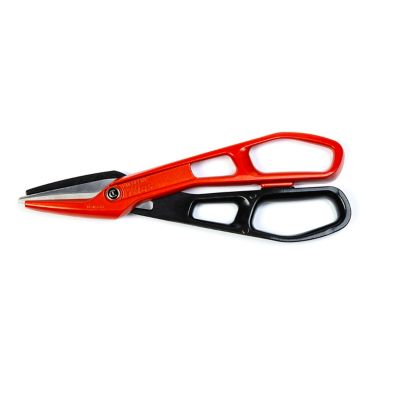
Sheet Metal Tools, with separate equipment and work surfaces for each task. At the sewing table, well-matched pressing tools earn their place through the details: a hem that lies flat, a seam that sits comfortably, and a finished piece ready to get back into everyday service.